

 English
 中文简体
中文简体 русский
 Español
 عربى
عربىDirect Answer
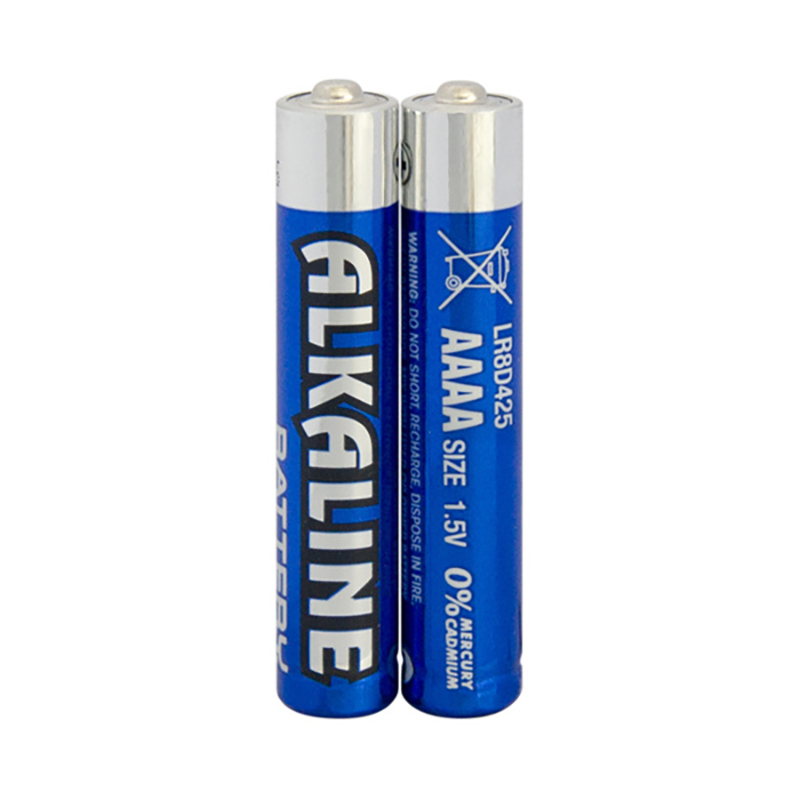
A Professional Alkaline Battery outperforms carbon zinc in nearly every practical category that matters for OEM buyers, delivering three to eight times more usable capacity, a shelf life of up to 10 years compared to 2 to 3 years for carbon zinc, and stable voltage output that carbon zinc cannot match once a high drain device is switched on. Carbon zinc still holds a place in low cost, low drain products such as remote controls or wall clocks, but for any device pulling significant current, alkaline is the reliable choice.
Alkaline Versus Carbon Zinc for OEM Applications
OEM buyers sourcing batteries for finished products face a tradeoff between unit cost and product performance, and this tradeoff is where the difference between alkaline and carbon zinc chemistry becomes most visible. Carbon zinc batteries use a zinc chloride or zinc carbon electrolyte that is simple and inexpensive to manufacture, which keeps per unit cost low. Alkaline batteries use a potassium hydroxide electrolyte paired with a manganese dioxide cathode, a construction that costs more to produce but delivers substantially more energy per cell.
| Property | Professional Alkaline | Carbon Zinc |
| Energy density | Approximately 3 to 8 times higher | Baseline, lower capacity |
| Voltage stability under load | Stays closer to 1.5V through most of discharge | Drops quickly once current draw increases |
| Shelf life | Up to 10 years | 2 to 3 years |
| Leakage resistance | Lower risk with modern sealed construction | Higher risk, especially after long storage |
| Typical unit cost | Moderate | Lower |
For OEM manufacturers deciding which chemistry to specify, the right choice depends on what the finished device actually demands from its power source. A product that draws only a few milliamps, such as a basic wall clock or a smoke detector test button, may function acceptably on carbon zinc for its expected service life. A device that pulls a continuous or intermittent high current load, such as a digital camera, a wireless microphone, or a portable speaker, needs the stable output that only alkaline chemistry reliably provides.
Shelf Life and What 10 Years of Storage Really Means
Shelf life claims on battery packaging are often treated as a marketing number, but the underlying chemistry explains why alkaline batteries genuinely hold their charge far longer than carbon zinc. Self discharge, the gradual loss of stored energy while a battery simply sits unused, occurs at a much slower rate in alkaline cells because the potassium hydroxide electrolyte is more chemically stable over time than the zinc chloride paste used in carbon zinc construction.
Manufacturers commonly rate professional alkaline batteries for a 10 year shelf life, meaning a cell stored at room temperature will typically retain around 90 percent of its original capacity after a full decade. Carbon zinc batteries, by comparison, are usually rated for only 2 to 3 years before capacity drops noticeably, and they are also more prone to internal corrosion and electrolyte leakage the longer they sit unused, which can damage the device they are eventually installed into.
- Store batteries at a stable room temperature between 15C and 25C to preserve rated shelf life
- Avoid storing near heat sources, since elevated temperature accelerates self discharge in both chemistries
- Keep original packaging intact until use, as exposed terminals can corrode faster in humid storage conditions
- Rotate stock using a first in first out system for large OEM inventories to avoid batteries aging past their rated window
This shelf life gap matters directly for OEM supply chains. A device manufacturer that pre installs batteries at the factory and then ships product through a distribution network, sometimes sitting in warehouses for months before reaching a retail shelf, needs batteries that will still deliver full performance when the end customer finally opens the box. Alkaline batteries give a much wider safety margin for this kind of extended supply chain timeline than carbon zinc.
Performance in High Drain Devices
High drain devices are products that require a sustained or repeated pull of significant current, and this is the category where the performance gap between the two chemistries becomes most obvious to the end user. Digital cameras with built in flash, electric toys with motors, wireless game controllers and portable audio equipment all fall into this category.
Carbon zinc batteries struggle in these applications because their internal resistance rises quickly once current draw increases, causing voltage to sag well below the nominal 1.5V rating almost immediately after a high drain device is switched on. This voltage sag is often enough to trigger a low battery warning or cause a device to shut down entirely, even though the battery technically still holds unused capacity that a lower drain device could have accessed.
Alkaline in High Drain Use
Maintains a flatter voltage curve during discharge, allowing devices like digital cameras or motorized toys to run at rated performance for a longer portion of the battery total life, with many OEM test reports showing 3 to 5 times more usable runtime compared to carbon zinc in the same device.
Carbon Zinc in High Drain Use
Voltage drops sharply within the first portion of use, often causing devices to register a low battery state well before the cell is actually depleted, making carbon zinc a poor match for any product with a motor, flash, or continuous wireless transmission requirement.
Choosing the Right Chemistry for Your Product Line
OEM buyers should base battery chemistry selection on actual current draw testing of the finished product rather than assumptions carried over from a previous product line. A simple current draw measurement during typical device operation, compared against the discharge curve published in a battery manufacturer datasheet, gives a much more reliable answer than guessing based on product category alone.
| Device Type | Recommended Chemistry | Reason |
| Wall clocks, basic remotes | Carbon zinc acceptable | Low continuous current draw, cost priority |
| Digital cameras, toys with motors | Professional alkaline | High or spiking current draw needs stable voltage |
| Wireless microphones, portable speakers | Professional alkaline | Sustained moderate to high drain over long sessions |
| Long term storage devices, emergency kits | Professional alkaline | 10 year shelf life ensures readiness when needed |
For product lines that ship internationally or sit in retail inventory for extended periods, the combination of long shelf life and stable high drain performance makes professional alkaline the safer default specification, even where the per unit cost is somewhat higher than carbon zinc. The reduction in warranty returns and customer complaints tied to early battery failure often offsets the higher component cost over the life of a product line.
Practical Buying Considerations for OEM Orders
Beyond chemistry, several sourcing details affect the real world performance and reliability of alkaline batteries supplied for OEM assembly. Consistent manufacturing quality matters more at scale, since even a small variance in cell capacity becomes noticeable across a production run of thousands of units.
- Request a discharge curve datasheet specific to the drain rate your device actually produces, not just a generic capacity rating
- Confirm leakage testing standards used by the supplier, since sealed construction quality varies between manufacturers
- Ask about batch consistency testing for large volume OEM orders to reduce the risk of early failures in a production run
- Verify shelf life claims are based on standardized storage conditions rather than best case laboratory figures only
Choosing a supplier that provides transparent testing data alongside the batteries themselves gives OEM buyers a much clearer picture of expected field performance than relying on packaging claims alone. This is especially important for devices that will be stored for extended periods before reaching an end customer, since the difference between a battery rated for 10 years under ideal conditions and one tested only under short term laboratory conditions can show up as real world performance gaps months or years after the product ships.