


 English
 中文简体
中文简体 русский
 Español
 عربى
عربى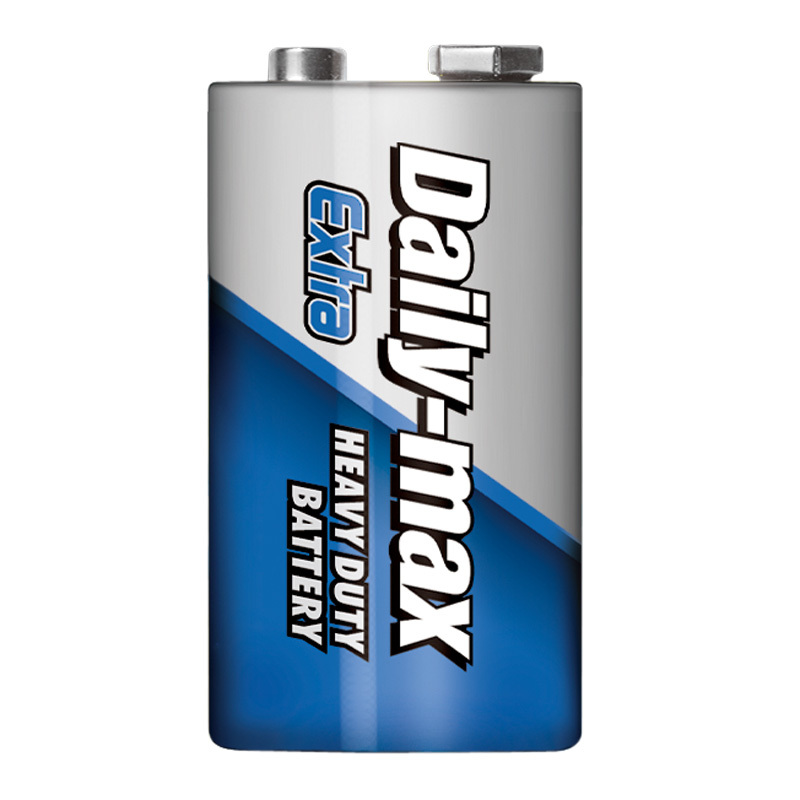
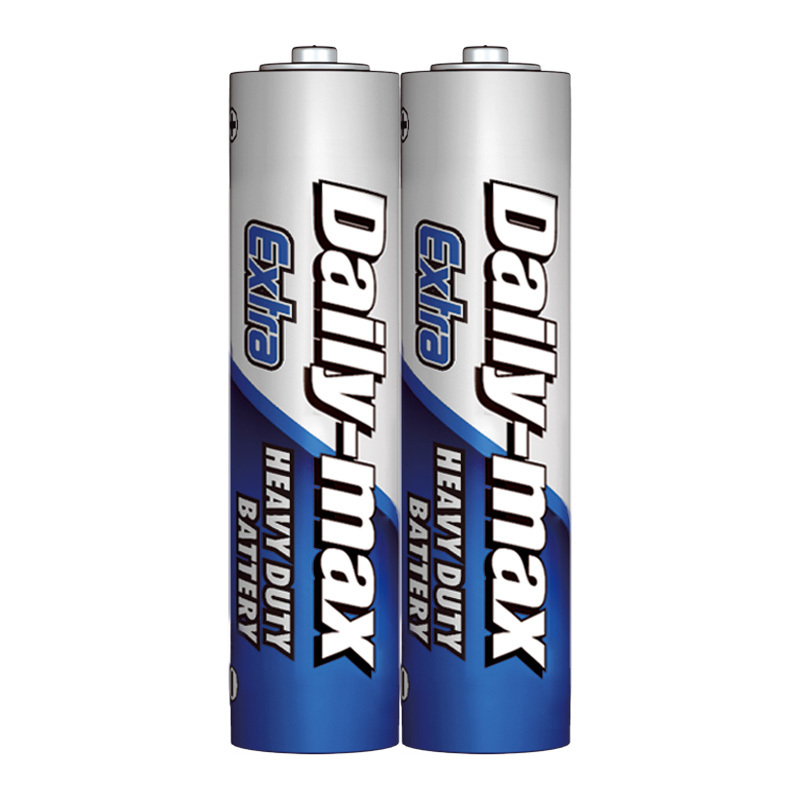
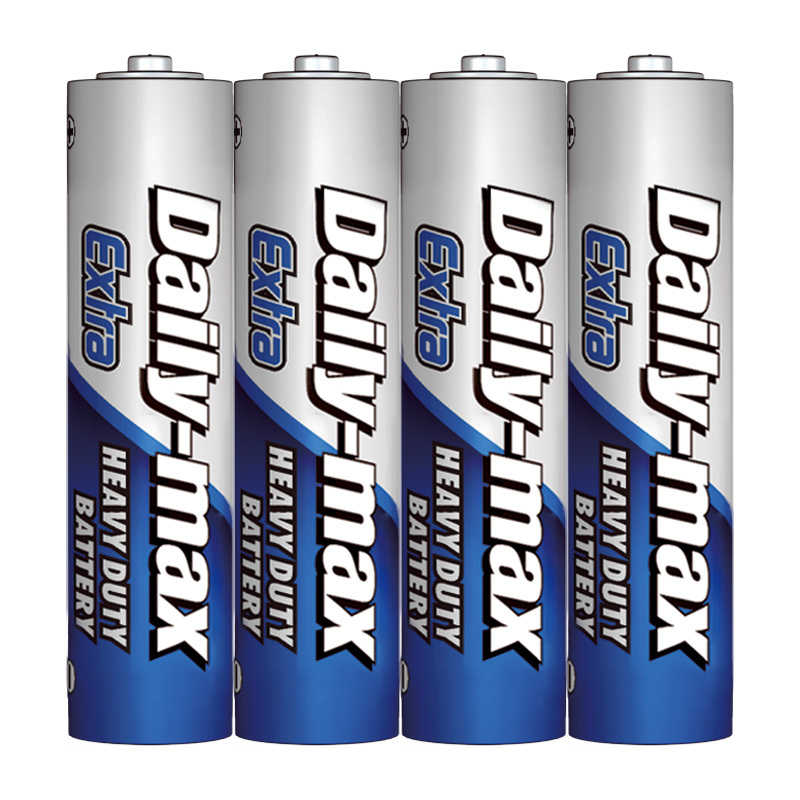
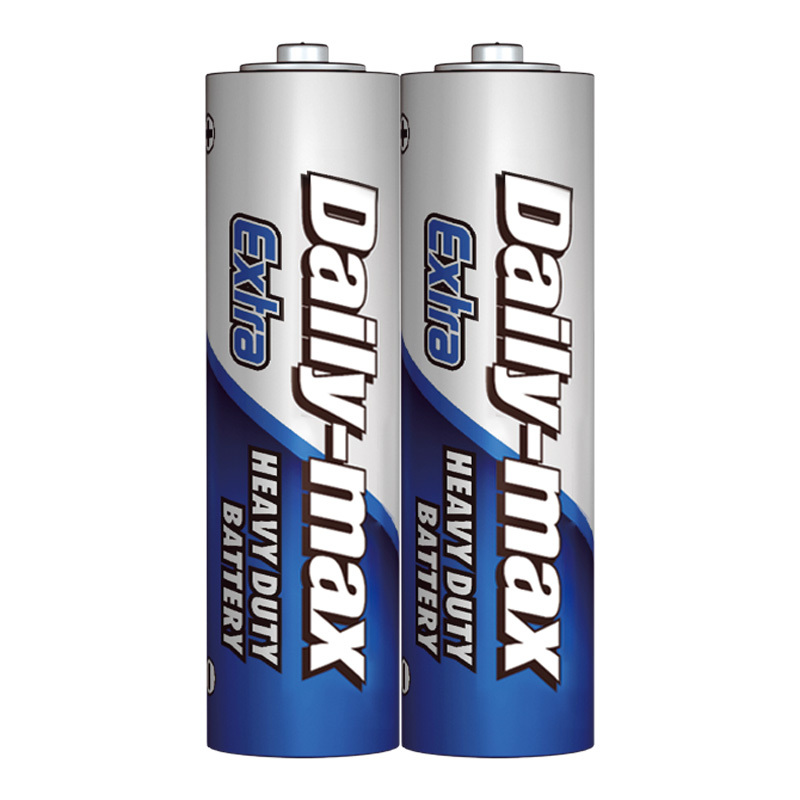
How Does an Industrial Carbon Battery Improve Equipment Reliability?
In today's rapidly developing new energy technologies, lithium batteries, fuel cells, and other new energy storage technologies are frequently in the industry spotlight. In numerous industrial applications, industrial carbon batteries maintain a stable market demand. With their cost advantages, reliable performance, and wide applicability, industrial carbon batteries continue to play a vital role in security equipment, instrumentation, emergency systems, communication equipment, and industrial control.
What Are the Core Characteristics of Industrial Carbon Batteries?
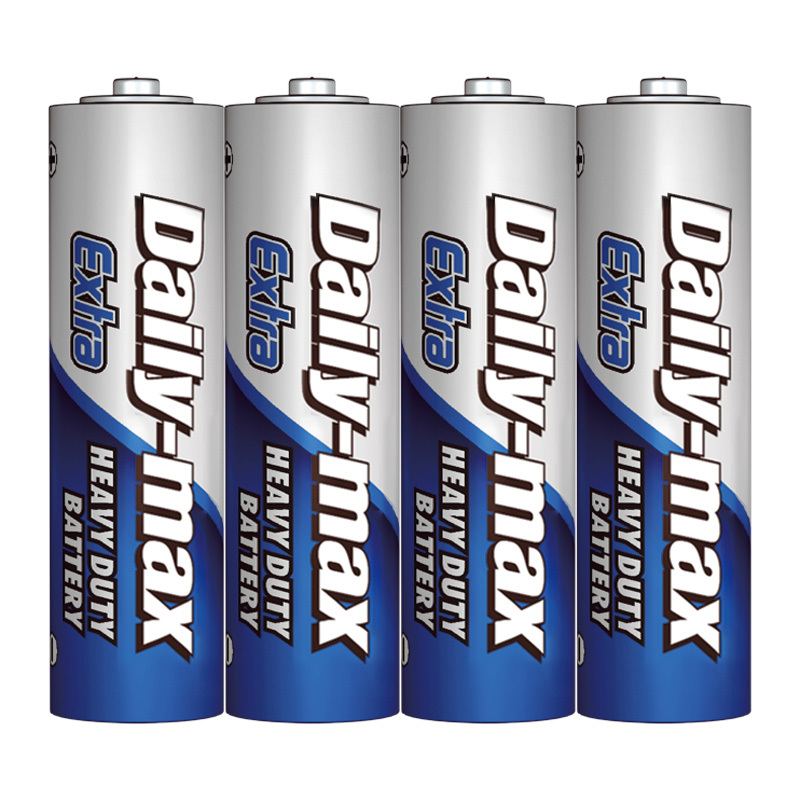
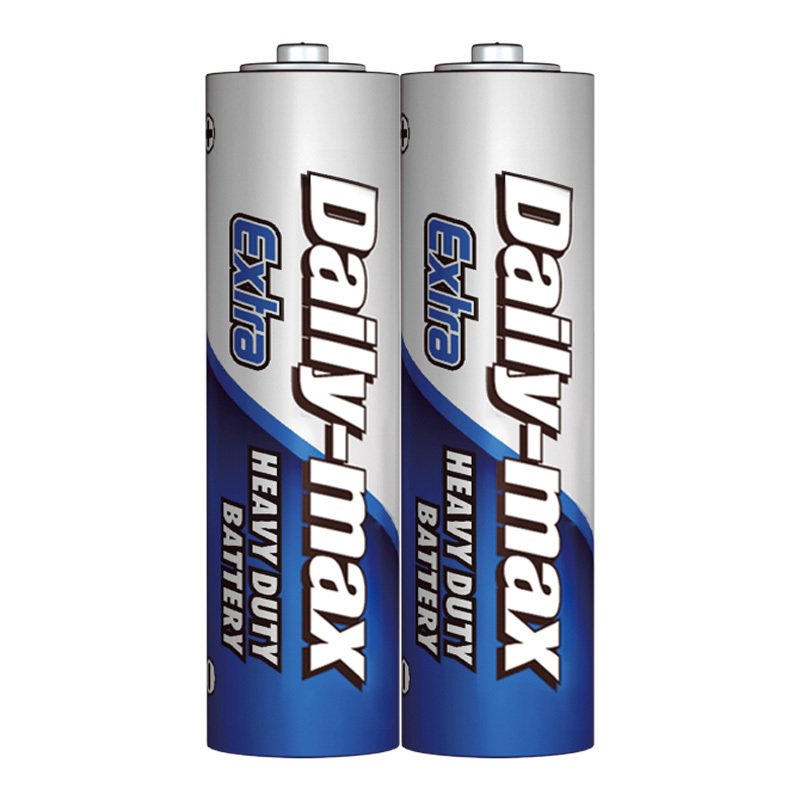
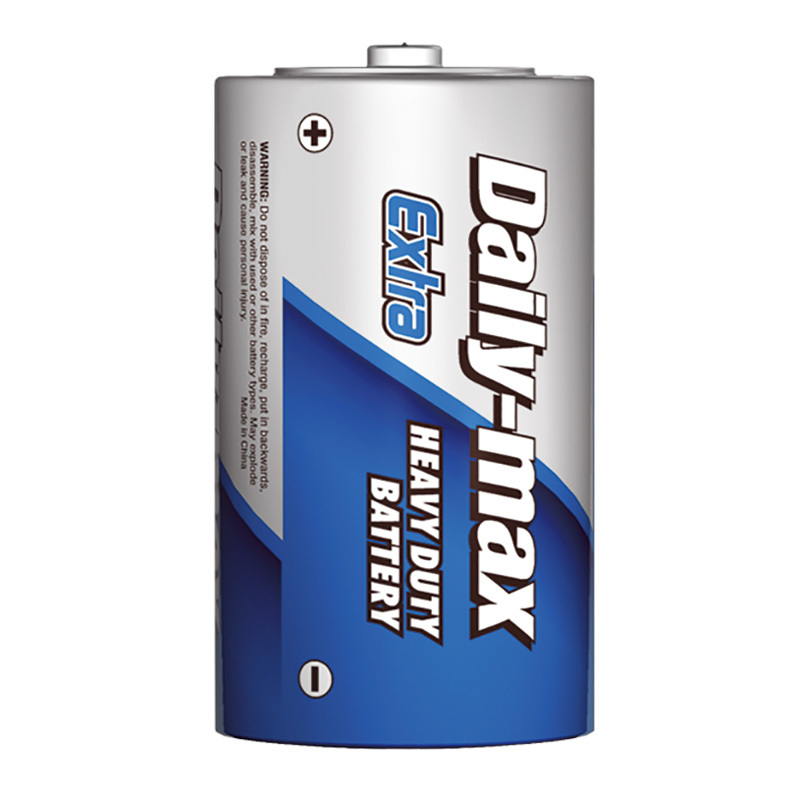
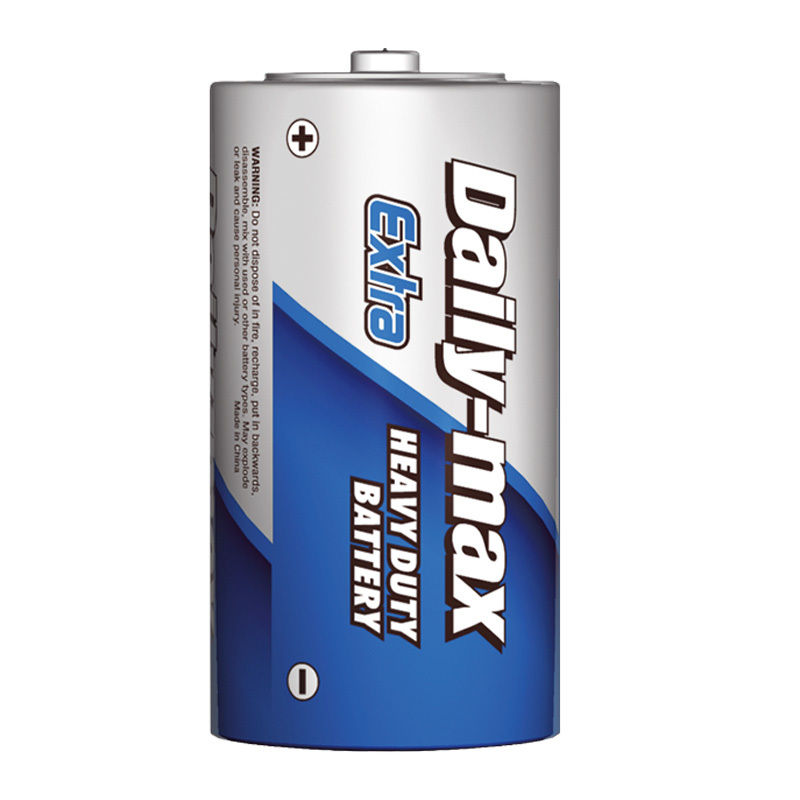
Industrial carbon batteries are primary batteries that use zinc as the negative electrode, manganese dioxide as the positive electrode, and an electrolyte paste. Due to their mature manufacturing processes and stable performance, they have long been widely used in various low-power and intermittently powered devices.
Compared to some high-end energy storage products, the biggest advantage of industrial carbon batteries lies in their economics. For industrial projects requiring large-scale power deployment, cost control is often a crucial factor in procurement decisions. Industrial carbon batteries can help companies effectively reduce overall operating costs while meeting basic power supply needs.
These batteries also offer a long storage life. When not in use, they maintain good power retention, making them suitable for backup power applications and long-term inventory management.
Why Do Many Industrial Devices Still Choose Industrial Carbon Batteries?
Many people believe that carbon batteries are gradually being phased out of the market, but this is not the case.
The power requirements of industrial equipment differ significantly from those of consumer electronics. Many industrial applications do not require continuous high-current output but instead prioritize stability, safety, and long standby time. Examples include wireless sensors, smoke detectors, access control systems, remote control devices, and various testing instruments that mainly operate in low-power modes.
In these scenarios, industrial carbon batteries not only provide reliable power support but also offer several important advantages.
Stable Discharge Performance
Industrial carbon batteries provide gentle and stable discharge characteristics. For precision instruments and monitoring devices, a consistent voltage output helps ensure operational stability and minimizes unexpected interruptions.
Convenient Transportation and Storage
Compared with some specialized battery chemistries, industrial carbon batteries are easier to transport and store, simplifying logistics management and warehousing operations.
Reliable Supply Chain Support
A mature supply chain system ensures long-term and stable product availability. This is particularly important for large industrial customers that require consistent battery supplies for ongoing projects and equipment maintenance.
Quality Determines the Actual Value of Industrial Carbon Batteries
When purchasing batteries, industrial users focus not only on price but also on consistency and reliability during long-term use.
The internal material composition, manufacturing process control, and testing standards directly affect the performance of the final product. Even among carbon-zinc batteries of the same type, significant quality differences can exist between manufacturers.
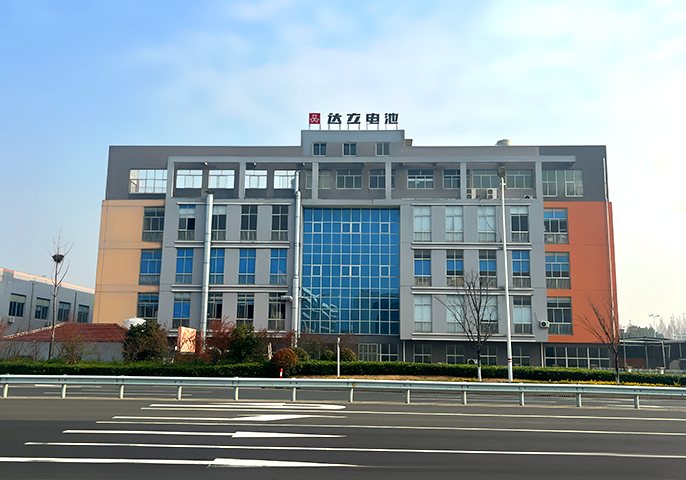
As a professional enterprise in Jiangsu Province specializing in the research, development, production, and operation of primary batteries, Changzhou Strengh (Anyida) Power Technology Co., Ltd. always places product quality at the core of its development.
The company is equipped with advanced production equipment and precision testing instruments. Through a standardized management system, it strictly controls raw material procurement, manufacturing processes, and finished product inspections, providing a reliable guarantee for product stability and quality improvement.
In addition, the company has invested substantial capital in new product development and technological innovation while introducing a large number of high-tech professionals. Engineering and technical personnel account for more than 25% of the total workforce, providing strong technical and economic support for continuous product improvement.
What Are the Changing Trends in the Development of Industrial Carbon Batteries?
With the rapid development of industrial automation, the Internet of Things (IoT), and intelligent monitoring systems, the market is placing increasingly higher demands on battery products.
Modern industrial carbon batteries are no longer limited to traditional power supply functions. Manufacturers are continuously improving product performance and manufacturing processes to meet evolving industrial requirements.
Higher Capacity and Improved Efficiency
Manufacturers are continuously enhancing battery capacity and energy utilization efficiency to support longer equipment operating times and reduce maintenance frequency.
Environmentally Friendly Manufacturing
Environmental protection and sustainable development concepts are driving production process upgrades. Optimized material selection and manufacturing techniques help reduce environmental impact while maintaining product performance.
Greater Consistency and Batch Stability
For large-scale industrial deployments involving thousands or even hundreds of thousands of batteries, product consistency is critical. Stable performance across production batches helps ensure reliable operation throughout entire systems.
In this environment, manufacturers with comprehensive quality management systems and internationally recognized certifications are more likely to gain market trust.
Changzhou Strengh (Anyida) Power Technology Co., Ltd. has passed multiple international certifications and testing standards, including ISO9001, ISO14001, UL, CE, RoHS, SGS, and REACH, enabling the company to provide products and services that meet global quality and compliance requirements.
Key Advantages of Industrial Carbon Batteries
| Feature | Benefit |
| Cost Efficiency | Reduces operating costs for large-scale deployments |
| Stable Voltage Output | Improves equipment reliability and operational stability |
| Long Shelf Life | Suitable for backup power and long-term storage |
| Easy Logistics Management | Simplifies transportation and warehousing |
| Mature Supply Chain | Ensures stable product availability |
FAQ
Q1: Which industries are Industrial Carbon Batteries suitable for?
Industrial carbon batteries are widely used in security systems, instrumentation, communication equipment, smart sensors, remote control devices, alarms, and industrial automation control systems.
Q2: What is the difference between industrial carbon batteries and alkaline batteries?
Alkaline batteries typically offer higher capacity and stronger current output, while industrial carbon batteries provide significant advantages in cost control, low-power applications, and large-scale deployment.
Q3: Can industrial carbon batteries be stored for extended periods?
Yes. High-quality industrial carbon batteries exhibit excellent storage performance and can maintain stable charge levels for extended periods under suitable conditions, making them suitable for use as backup power.


