


 English
 中文简体
中文简体 русский
 Español
 عربى
عربى
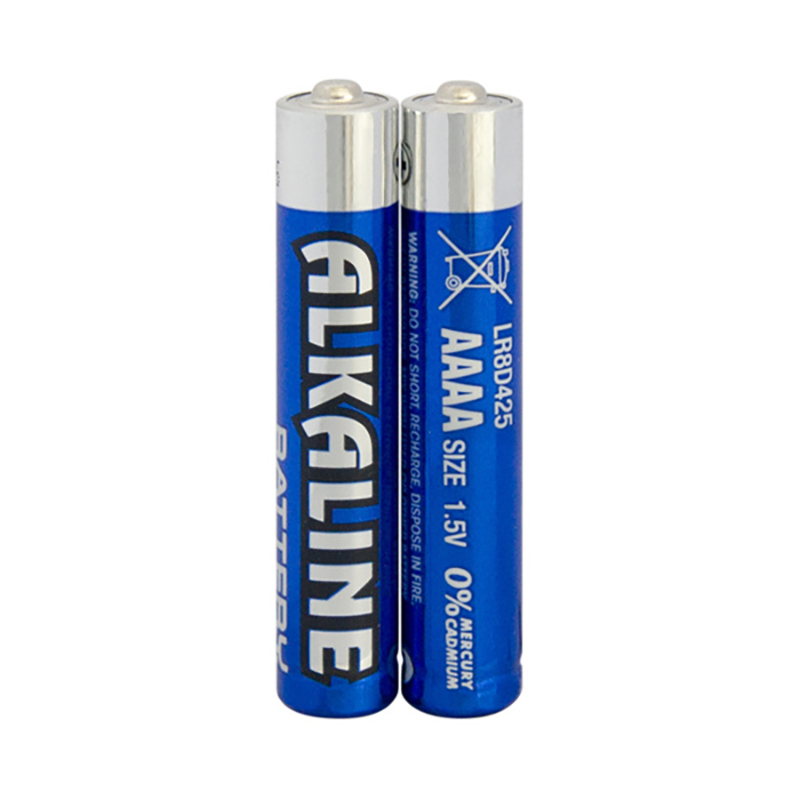
Special alkaline battery vs lithium button cell: what is the difference?
Small batteries play an essential role in modern electronic devices, powering everything from remote controls and security accessories to medical instruments and compact consumer electronics. Among the most widely used options are the special alkaline battery and the lithium button cell. While both battery types are designed to provide reliable portable energy, they differ significantly in terms of structure, performance characteristics, application suitability, storage capabilities, and overall cost effectiveness.
Understanding these differences is important for manufacturers, distributors, and end users who seek the most suitable power solution for their products. Although lithium button cells are known for their compact design and long shelf life, special alkaline battery products continue to offer practical advantages in many applications where affordability, stable output, and easy replacement are key considerations.
This article provides a detailed comparison between the two battery technologies, helping readers understand their unique features, strengths, and ideal applications. It also explains how battery manufacturers continue to improve product quality and reliability to meet evolving market demands.
Understanding Special Alkaline Batteries and Lithium Button Cells
A special alkaline battery refers to an alkaline battery specifically designed for specialized applications that require unique sizes, shapes, voltage configurations, or performance characteristics. These batteries are commonly used in electronic locks, medical devices, security systems, remote transmitters, testing equipment, and various industrial products.
Unlike standard household alkaline batteries, specialized alkaline products are often engineered to meet strict dimensional and operational requirements. They provide dependable energy output while maintaining compatibility with equipment designed for specific battery formats.
Lithium button cells, on the other hand, are compact coin-shaped batteries frequently found in watches, calculators, small sensors, electronic keys, and backup memory systems. Their lightweight construction and long storage life make them suitable for devices with low power consumption and limited installation space.
Although both battery categories serve important purposes, they are not interchangeable in many applications. Device designers must carefully evaluate energy requirements, environmental conditions, replacement frequency, and budget considerations before selecting a suitable battery solution.
- Special alkaline batteries often support higher current requirements.
- Lithium button cells prioritize compactness and long-term storage.
- Each battery type serves distinct application environments.
- Performance expectations vary according to device design.
Key Differences Between Special Alkaline Batteries and Lithium Button Cells
The most noticeable difference between the two battery technologies lies in their intended use. A lithium button cell is typically optimized for compact electronic devices that consume relatively low levels of power over extended periods. In contrast, a specialized alkaline battery is often designed to deliver more consistent power for devices that require regular operation or occasional higher energy demand.
Another significant distinction is physical design flexibility. Lithium button cells generally follow standard coin-cell dimensions, whereas special alkaline batteries are available in a broader range of specialized formats to accommodate various industrial and commercial applications.
| Comparison Factor | Special Alkaline Battery | Lithium Button Cell |
| Typical Shape | Various specialized formats | Coin-shaped design |
| Power Demand Support | Moderate to higher demand | Low demand applications |
| Replacement Frequency | Depends on device usage | Often extended service intervals |
| Cost Consideration | Economical solution | Usually higher unit cost |
| Application Range | Industrial and commercial devices | Compact electronic products |
The selection process should focus on actual operating requirements rather than simply choosing the latest technology. In many professional applications, alkaline solutions continue to provide an excellent balance between performance, reliability, and cost control.
Performance Characteristics and Practical Applications
Performance evaluation involves several important factors, including voltage stability, environmental adaptability, storage characteristics, and operational consistency. A well-designed special alkaline battery can provide dependable energy under a wide variety of operating conditions, making it suitable for equipment that requires predictable performance throughout its service life.
Many industrial users value alkaline battery technology because of its proven reliability and widespread compatibility with existing equipment. These batteries are frequently selected for security systems, communication accessories, monitoring devices, and control systems where stable operation is essential.
Lithium button cells are particularly effective in products that remain in standby mode for extended periods. Watches, compact sensors, and backup memory modules benefit from their long storage characteristics and low self-discharge behavior.
Applications Commonly Using Special Alkaline Batteries
- Electronic access control systems
- Remote control transmitters
- Industrial monitoring equipment
- Medical accessories
- Portable testing instruments
- Wireless communication devices
Applications Commonly Using Lithium Button Cells
- Wristwatches
- Calculators
- Compact electronic sensors
- Memory backup systems
- Electronic key devices
- Miniature portable electronics
The practical suitability of either battery type depends heavily on the intended operating environment. Choosing the correct power source improves device reliability, reduces maintenance requirements, and enhances overall user satisfaction.
Manufacturing Quality and Technological Development
Battery performance depends not only on chemistry but also on manufacturing quality. Modern battery producers invest heavily in production automation, quality assurance systems, and continuous product development to ensure stable and reliable performance.
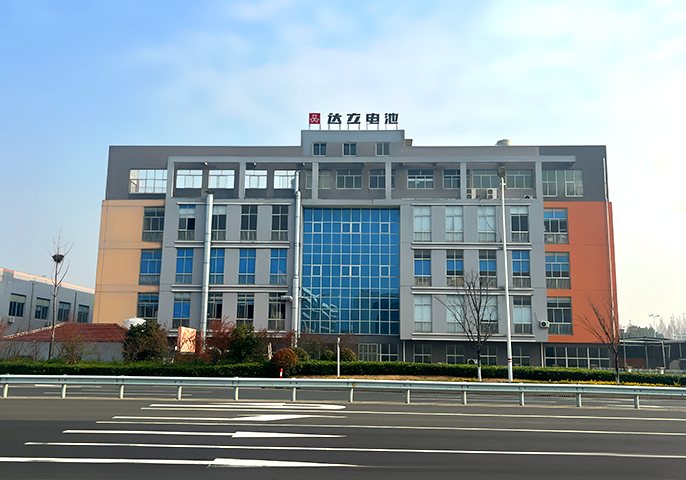
Changzhou Strengh (Anyida) Power Technology Co., Ltd. is a private enterprise in Jiangsu specializing in the research, development, production and operation of primary batteries. The company has established advanced production equipment, sophisticated testing facilities, and standardized management systems that support consistent product quality and long-term reliability.
To meet changing market requirements, Changzhou Strengh (Anyida) Power Technology Co., Ltd. continues to invest in technological innovation and new product development. Engineering and technical personnel account for more than twenty-five percent of the company's workforce, providing strong support for research activities and manufacturing improvements.
The company has obtained ISO9001, ISO14001, UL, CE, ROHS, SGS, REACH and other certifications and tests. These achievements demonstrate a commitment to quality management, environmental responsibility, and international compliance standards.
For customers seeking dependable battery solutions, quality manufacturing processes remain one of the most important indicators of product reliability and long-term value.
How to Choose the Right Battery for Your Application
Selecting the correct battery requires a thorough understanding of the device's operating requirements. Factors such as power consumption, installation space, maintenance schedule, environmental conditions, and budget should all be evaluated carefully.
When a device requires dependable performance, cost efficiency, and compatibility with specialized battery compartments, a special alkaline battery often represents a practical and economical choice. Many commercial and industrial products continue to rely on alkaline technology because it offers proven reliability and broad application flexibility.
Lithium button cells may be preferable when extremely compact dimensions and extended storage life are the primary priorities. However, their suitability depends on the device's specific design and operational profile.
- Review device power requirements carefully.
- Consider expected operating duration.
- Evaluate replacement and maintenance costs.
- Assess environmental operating conditions.
- Verify battery compatibility before selection.
- Choose products from experienced manufacturers.
By analyzing these factors comprehensively, buyers can make informed decisions that maximize device performance while controlling long-term operating expenses.
Corporate Values Supporting Battery Innovation
Behind every successful battery manufacturer is a strong corporate culture that supports quality, innovation, and customer satisfaction. Changzhou Strengh (Anyida) Power Technology Co., Ltd. promotes the brand concept of DAILY, which combines traditional virtues with modern business principles.
The company emphasizes people-oriented development and places morality first. Respect, kindness, compassion, and understanding guide interactions with customers, partners, and employees. This approach contributes to long-term cooperation and sustainable growth.
Integrity remains a core principle throughout operations. Changzhou Strengh (Anyida) Power Technology Co., Ltd. values ethical business practices and continuous innovation, ensuring that every battery product reflects its commitment to reliability and responsibility.
The company's objective is to build a career with excellence and achieve success through high quality. By pursuing mutual prosperity with customers and stakeholders, it continues to strengthen its position in the primary battery industry while supporting technological advancement and customer success.
Conclusion
Both lithium button cells and special alkaline battery products serve important roles in today's electronics market. Their differences extend beyond size and chemistry, influencing application suitability, operational performance, maintenance requirements, and overall value.
For compact low-power devices, lithium button cells provide practical advantages. For specialized commercial, industrial, and electronic applications requiring dependable power delivery and cost-effective operation, specialized alkaline batteries remain a highly effective solution.
Understanding these distinctions enables manufacturers, distributors, and end users to select the most appropriate battery technology for their specific needs, ensuring reliable performance and long-term operational success.
FAQ
Q1: What is the main difference between a special alkaline battery and a lithium button cell?
The primary difference is their intended application. Special alkaline batteries are commonly used in specialized electronic and industrial equipment, while lithium button cells are generally designed for compact, low-power devices such as watches and sensors.
Q2: Are special alkaline batteries suitable for industrial applications?
Yes. Many industrial devices use special alkaline batteries because they provide reliable performance, good compatibility, and cost-effective operation across a wide range of applications.
Q3: Which battery type is more economical?
In many applications, special alkaline batteries offer a more economical solution, particularly when higher quantities or frequent replacement cycles are involved.
Q4: Why is manufacturing quality important when selecting batteries?
Manufacturing quality affects consistency, reliability, safety, and service life. Batteries produced under strict quality management systems are more likely to deliver stable and dependable performance.
Q5: How can I determine which battery type is best for my product?
Evaluate your device's power requirements, operating environment, installation space, maintenance expectations, and cost objectives. Matching these requirements to battery characteristics will help identify the most suitable solution.


