


 English
 中文简体
中文简体 русский
 Español
 عربى
عربى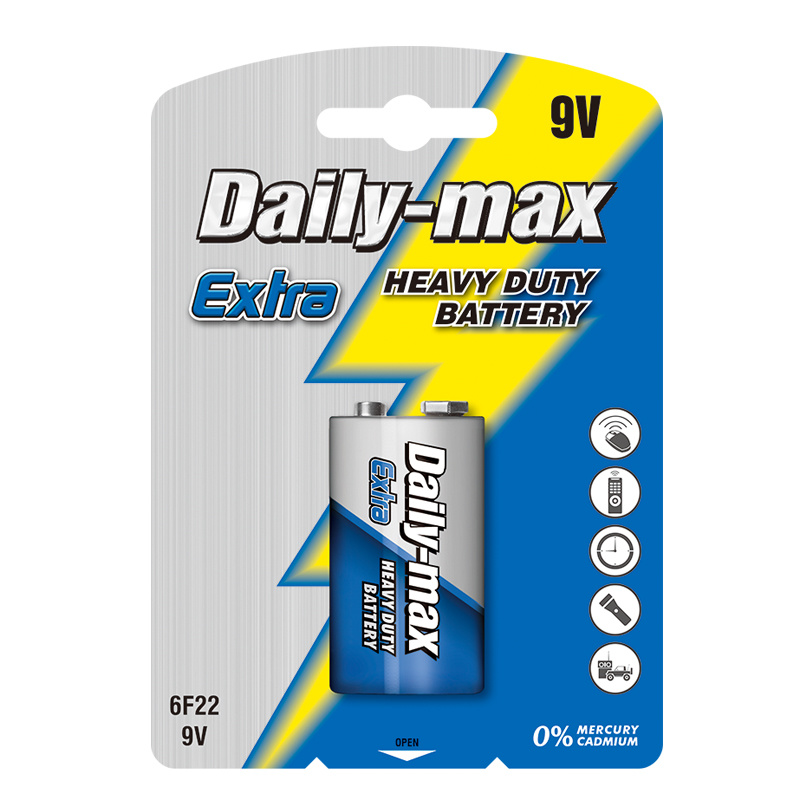
Can Business Carbon Batteries Become a New Option for Enterprise Energy Management?
With increasingly complex enterprise power consumption structures and a continuous expansion of low-power devices, "stable, economical, and sustainable" power solutions are becoming a new focus of competition. Business Carbon Batteries, as a mature technology within the traditional primary battery system, are being re-examined: are they still suitable for modern enterprise scenarios? And can a balance be found between green energy and high reliability requirements?
From Basic Power Supply to a Link in Business Systems
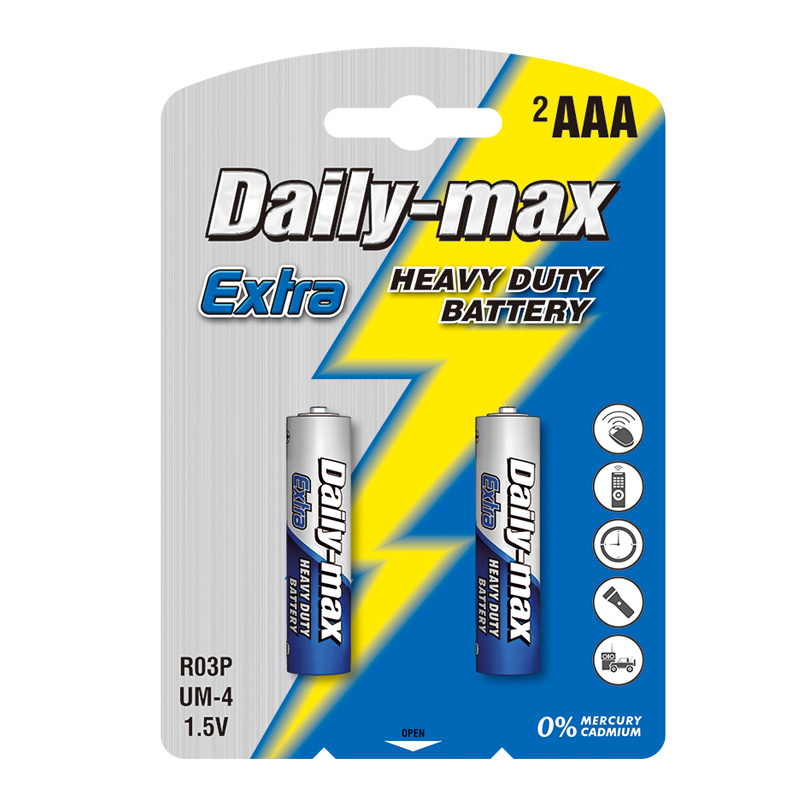
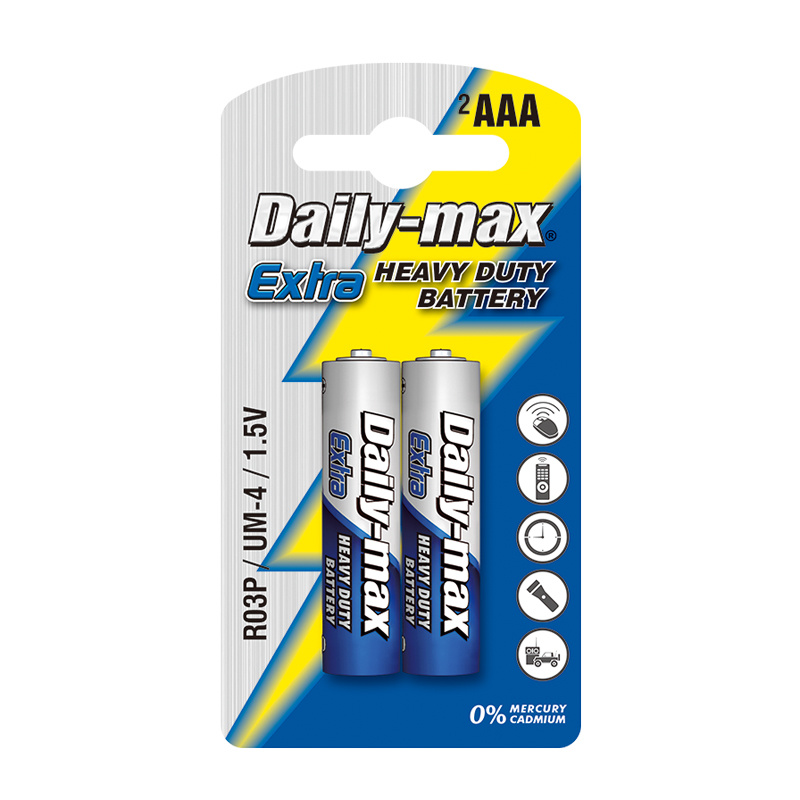
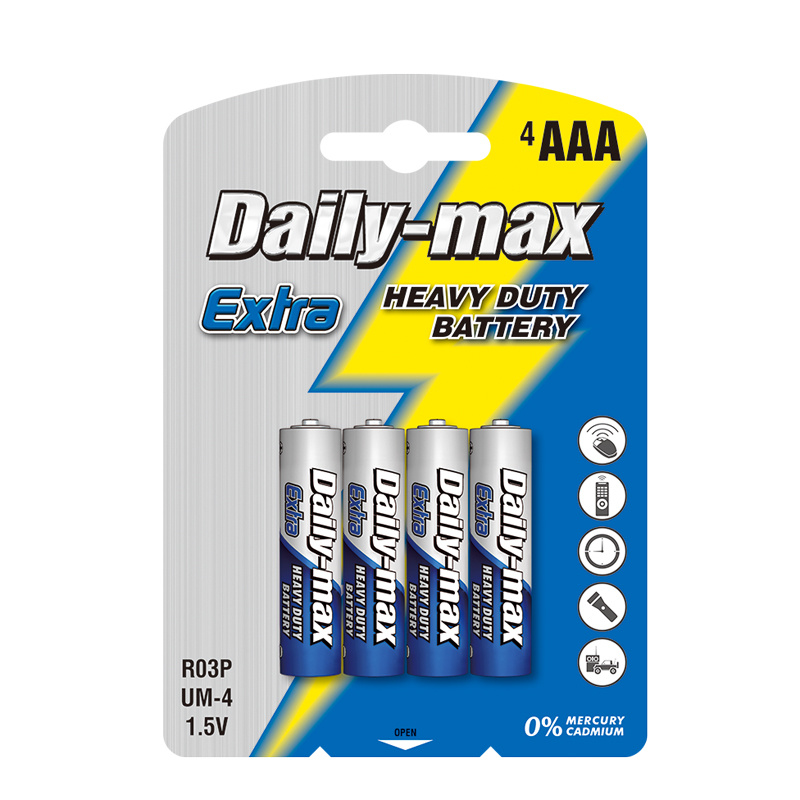
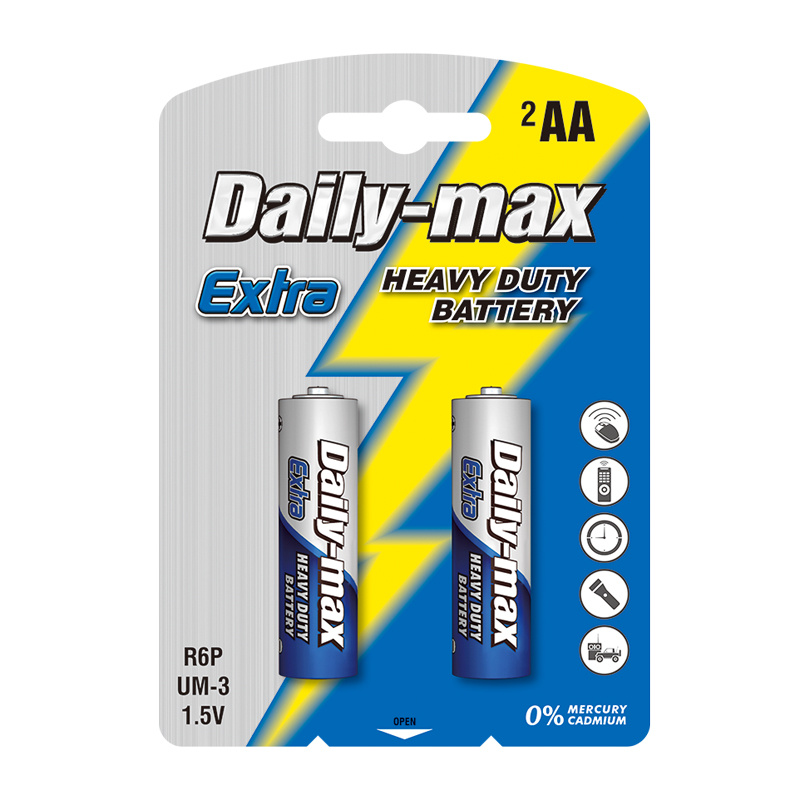
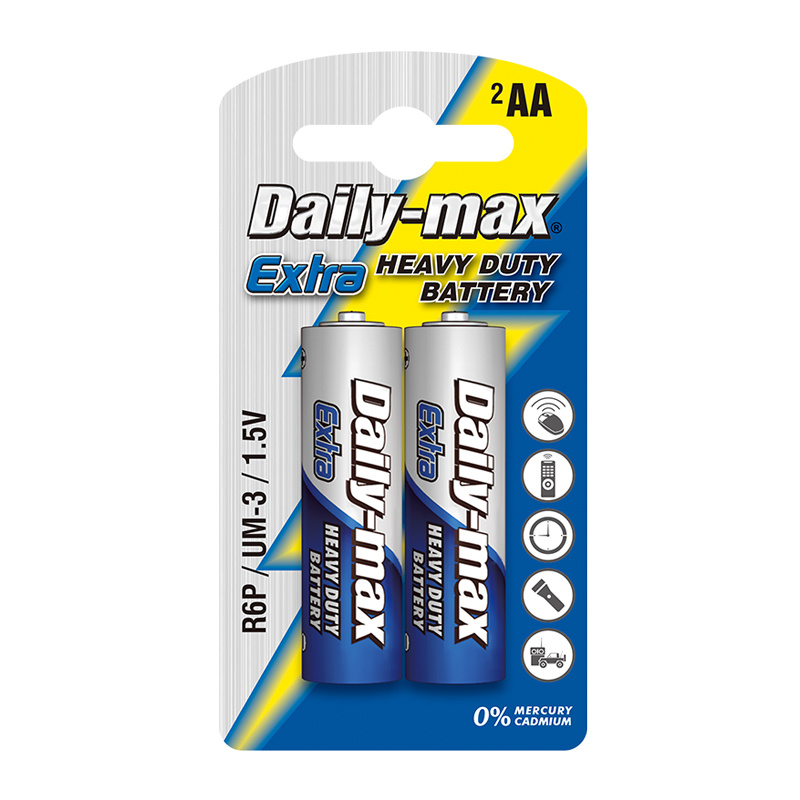
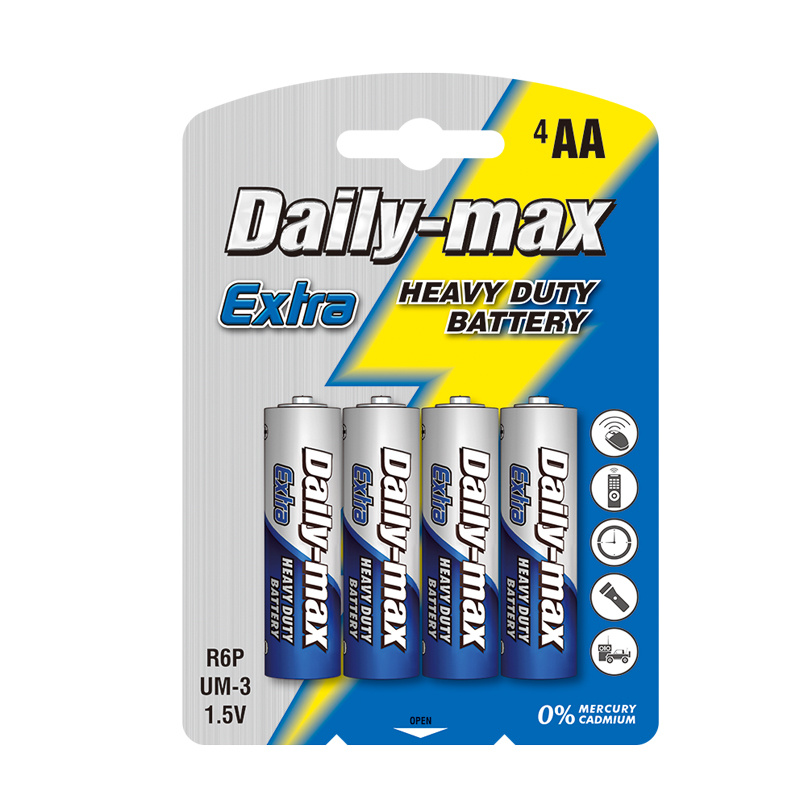
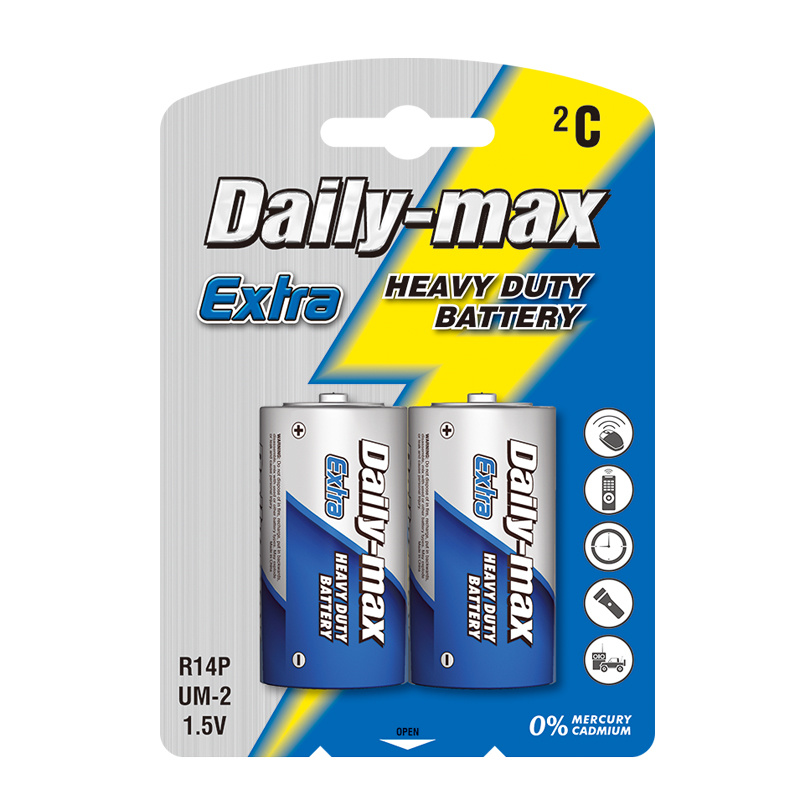
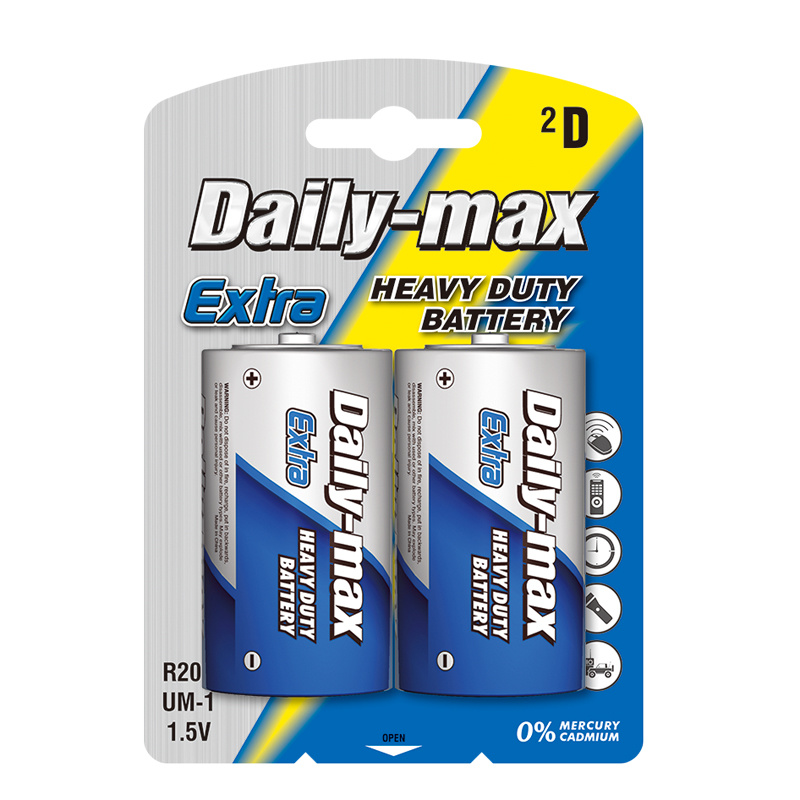
Business Carbon Batteries typically refer to carbon-zinc primary batteries based on a zinc-manganese system. They are characterized by low cost, structural stability, and strong adaptability. In enterprise applications, they are often used in low-power but high-continuity scenarios such as remote control equipment, security systems, smart meters, and emergency backup power supplies.
Unlike rechargeable batteries, the advantage of carbon-zinc batteries lies not in cycle life, but in their "on-demand stability". For enterprises with a large number of distributed devices, this stability is often more important than high energy density, especially when maintenance costs are limited.
Enterprise Application Scenarios Are Being Redefined
With the proliferation of the Commercial Internet of Things (IoT), more and more devices are being deployed in a decentralized manner, such as warehouse sensors, access control systems, and remote monitoring terminals. These devices place new demands on batteries: long standby time, low leakage risk, and batch consistency.
Business Carbon Battery remains competitive in these scenarios. Its stable discharge curve and mature supply chain make it a cost-effective choice in some low-to-medium power systems, rather than a transitional technology that will be completely replaced.
Manufacturing Capabilities Determine the Upper Limit of Battery Reliability
In the battery industry, materials are only the foundation; the manufacturing system is the key to stability.
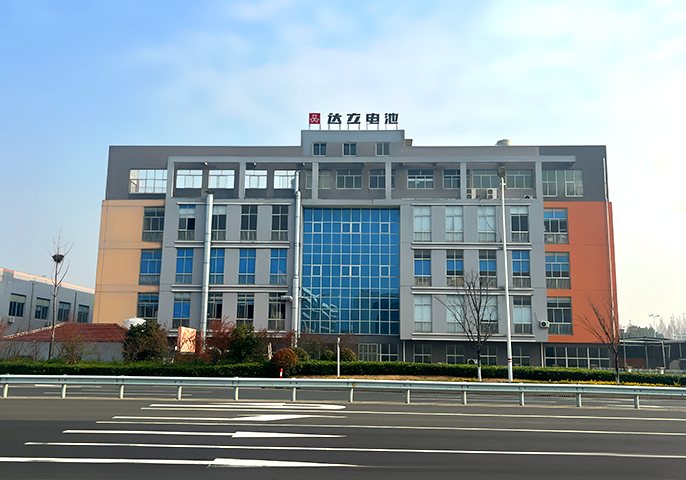
Changzhou Strengh (Anyida) Power Technology Co., Ltd., a company in Jiangsu Province specializing in the R&D and production of primary batteries, has a clear advantage in this regard. The company is equipped with advanced production equipment and high-precision testing systems, and ensures the consistency and stability of each batch of products through a standardized management system.
More importantly, the company continuously invests in new product development and technological innovation, attracting a large number of engineering and technical talents. Currently, technical personnel account for more than 25% of the workforce, enabling it to continuously iterate in process optimization and quality control. This R&D-driven production model further enhances the reliability of Business Carbon Batteries in practical applications.
International Certification and Green Compliance as Key Thresholds
In the global supply chain, battery products are no longer just competing on performance, but also on compliance. Changzhou Strengh (Anyida) Power Technology Co., Ltd. has obtained multiple international certifications, including ISO9001, ISO14001, UL, CE, RoHS, SGS, and REACH. This not only means that its products meet export standards but also that they meet internationally accepted requirements in environmental protection, safety, and quality management.
For enterprise customers, this compliance capability directly relates to whether their products can enter a wider international market, especially in regions with strict regulations such as Europe and North America.
Where Does the Future Value of Business Carbon Batteries Lie?
Despite the rapid development of lithium-ion technology, carbon batteries still have irreplaceable value in specific applications. Their low cost, easy availability, and stable supply make them advantageous for large-scale distributed devices.
Future development of Business Carbon Batteries may not be about "replacing" but rather about "coexisting in niche applications." For manufacturing companies, improving consistency, reducing leakage rates, and optimizing environmental performance will become core competitive advantages.
FAQ
| Q1: Which enterprise equipment is the Business Carbon Battery suitable for? | Primarily suitable for low-power, intermittently used equipment, such as remote controls, security sensors, instrumentation equipment, and some backup power systems. |
| Q2: Has carbon-zinc battery been completely replaced by lithium-ion battery? | Not completely. In cost-sensitive and low-power scenarios, carbon-zinc batteries still have stable and economical advantages. |
| Q3: How to judge the quality level of a carbon-zinc battery? | It can be comprehensively evaluated from aspects such as discharge stability, leakage control capabilities, and international certification systems. |
| Q4: What are the advantages of Changzhou Strengh (Anyida) Power Technology Co., Ltd.? | The company has a mature production system, a high proportion of technical teams, and multiple international certifications, which can ensure stable product quality and adaptability to the international market. |


