


 English
 中文简体
中文简体 русский
 Español
 عربى
عربى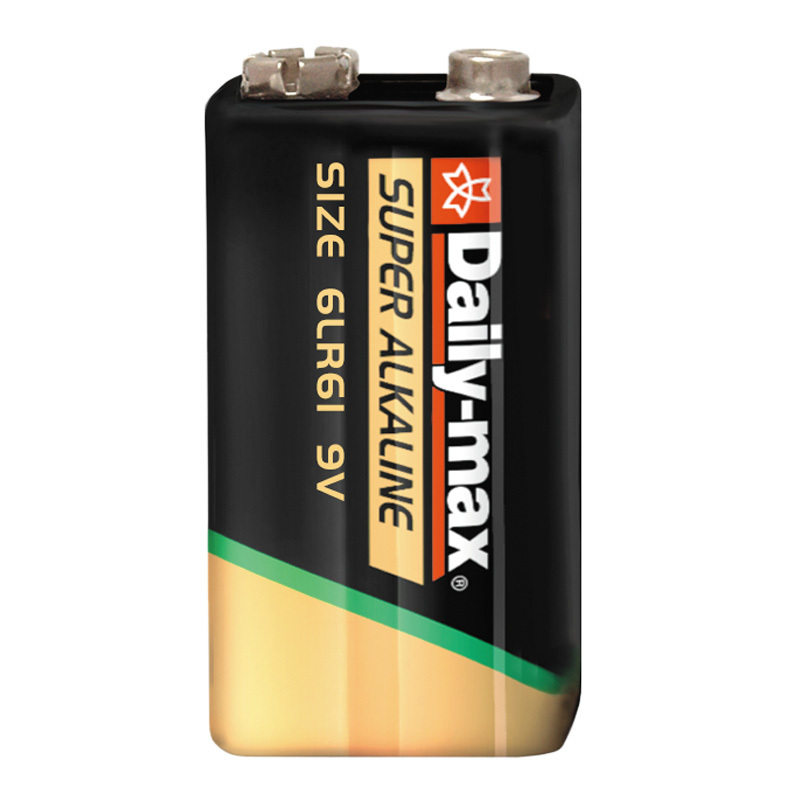


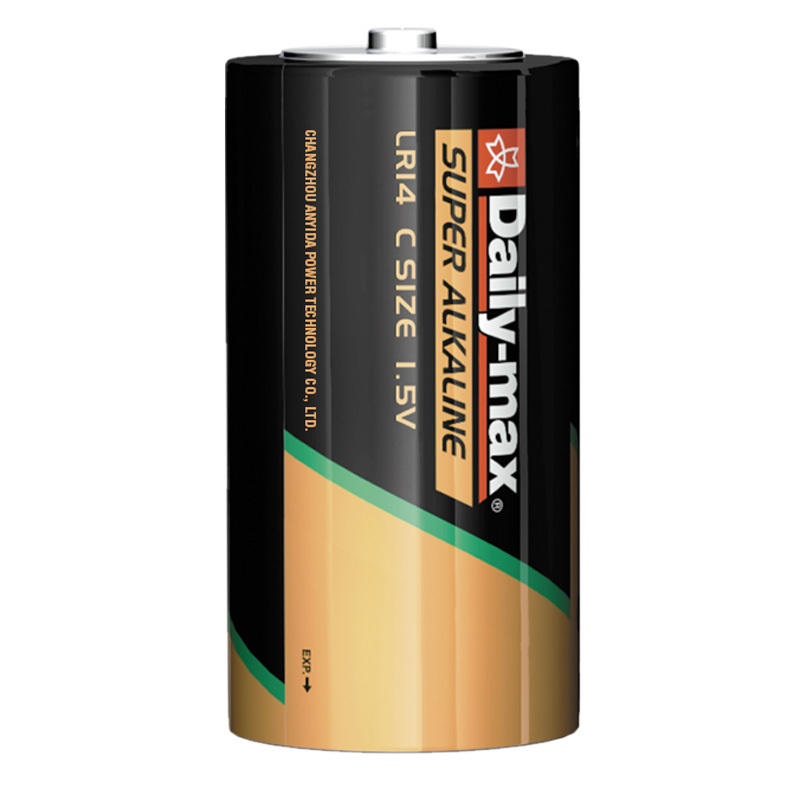


How Do Industrial Alkaline Batteries Maintain Stable Voltage Output?
Understanding Voltage Stability in Industrial Alkaline Batteries
Voltage stability refers to a battery’s ability to maintain a relatively consistent output voltage during discharge. A stable voltage ensures that electronic devices operate efficiently without experiencing performance drops, communication errors, or unexpected shutdowns.
Compared with ordinary consumer batteries, industrial alkaline batteries are designed for professional and commercial applications where reliability is critical. They typically feature improved internal components, enhanced sealing technology, and optimized chemical formulations that support a smoother discharge curve.
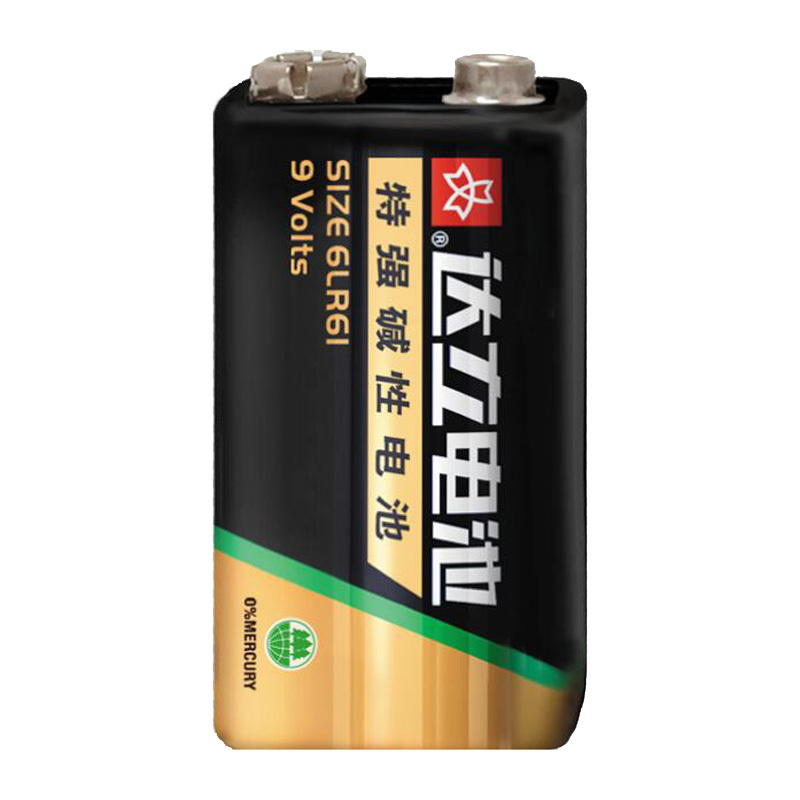
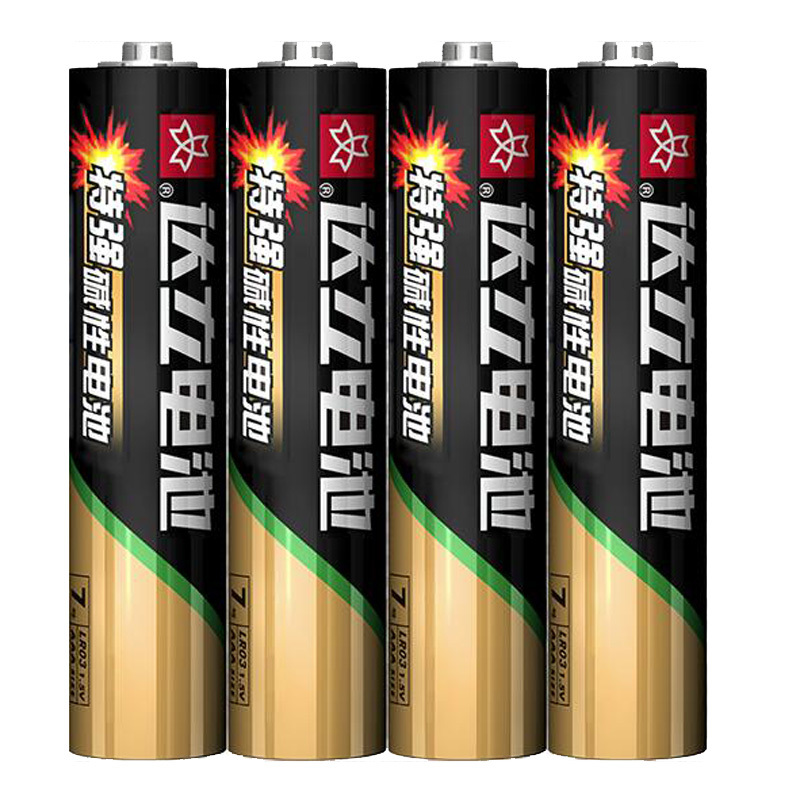
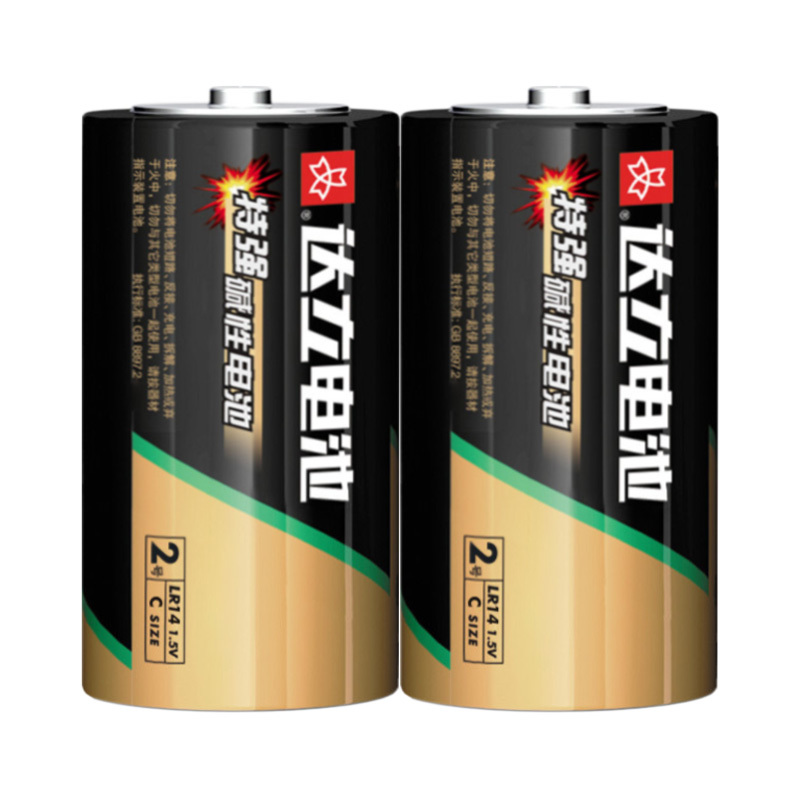
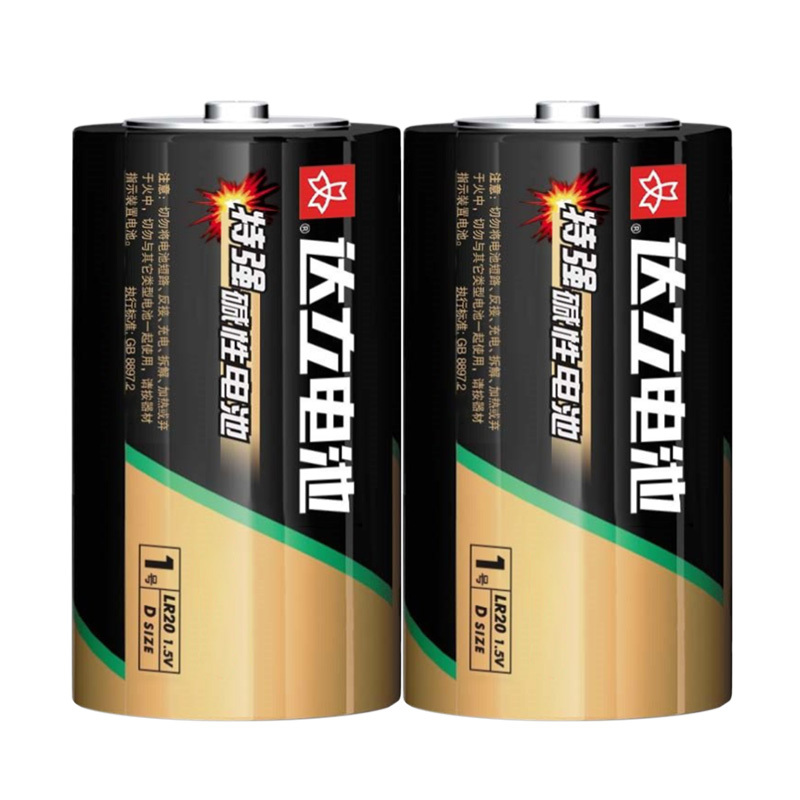
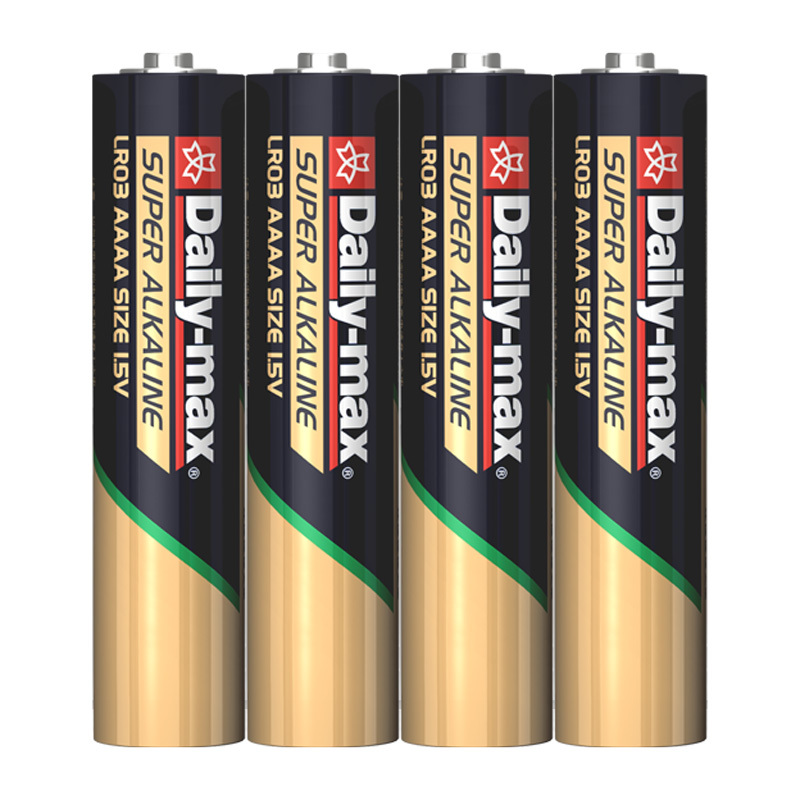
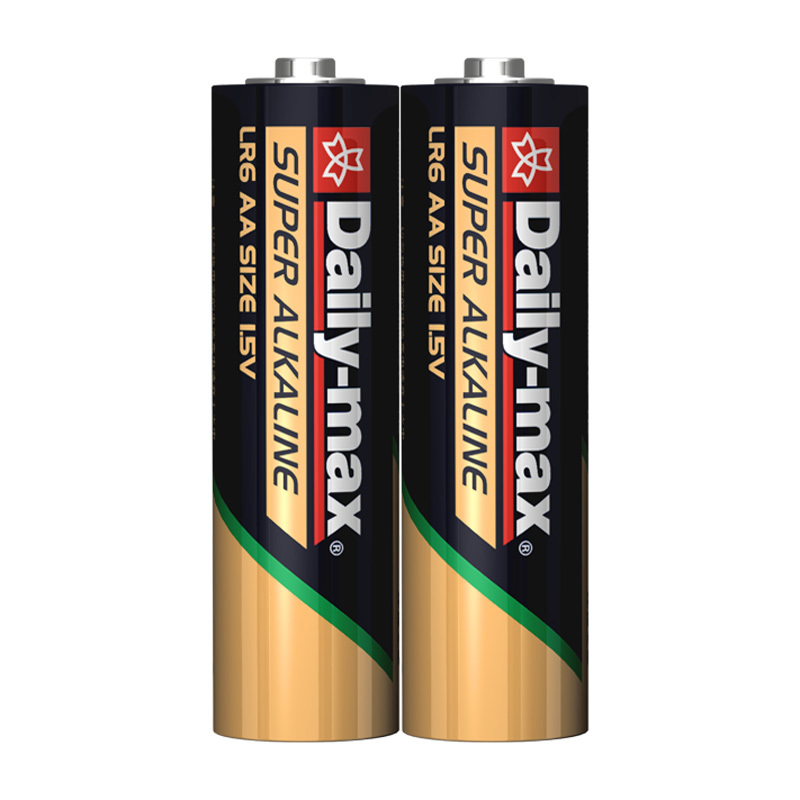
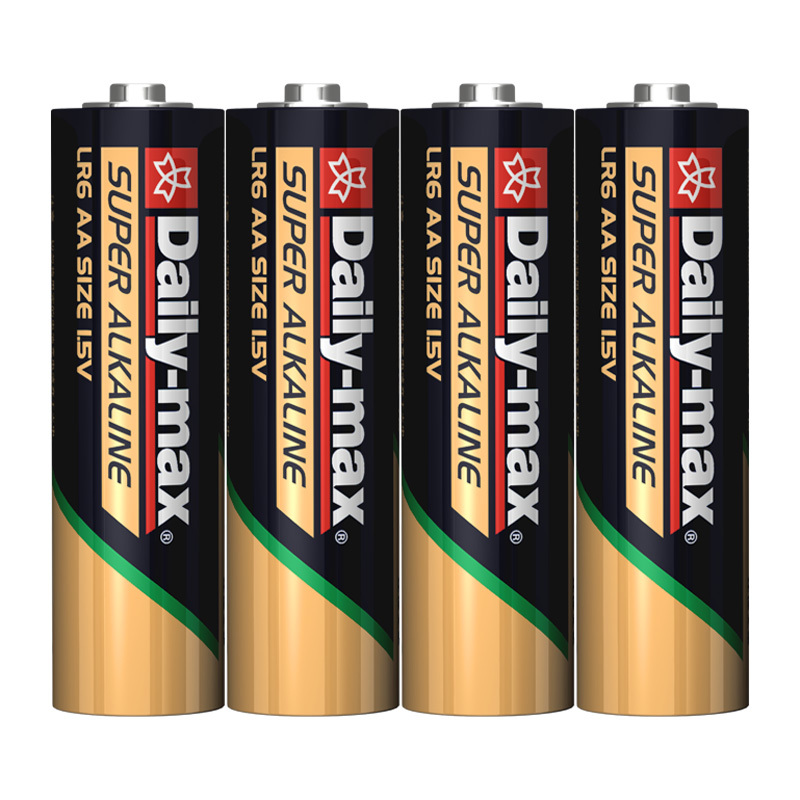
As a result, industrial users often select high-performance products such as industrial alkaline battery, energizer industrial AAA alkaline batteries, AA alkaline batteries, and long-lasting alkaline batteries for equipment that requires dependable operation.
Key Factors That Support Stable Voltage Output
Several technical factors contribute to the ability of industrial alkaline batteries to maintain consistent voltage.
High-Purity Raw Materials
The quality of battery materials directly affects electrochemical performance.
Industrial alkaline batteries generally use:
| Component | Function | Impact on Voltage Stability |
|---|---|---|
| Zinc Powder | Negative electrode material | Ensures efficient electron release |
| Manganese Dioxide | Positive electrode material | Supports stable electrochemical reactions |
| Alkaline Electrolyte | Conductive medium | Reduces internal resistance |
| High-Quality Separator | Prevents short circuits | Improves discharge consistency |
High-purity materials reduce unwanted side reactions, allowing energy conversion to occur more uniformly throughout the discharge process.
Optimized Electrode Structure
The internal electrode design plays a significant role in maintaining stable voltage.
Industrial alkaline batteries feature carefully engineered electrode structures that maximize contact between active materials and electrolytes. This design improves reaction efficiency while reducing energy loss.
Benefits include:
- More uniform current distribution
- Lower internal resistance
- Improved energy utilization
- Consistent discharge performance
These characteristics help maintain a smoother voltage profile during battery operation.
Low Internal Resistance
Internal resistance is one of the primary factors influencing voltage drop.
When a device demands power, resistance inside the battery causes energy loss. Industrial alkaline batteries are designed to minimize this resistance through:
- Precision manufacturing
- High-conductivity materials
- Optimized electrolyte formulation
- Advanced electrode compression techniques
Lower resistance allows the battery to respond effectively to varying loads while maintaining stable voltage output.
Balanced Electrochemical Reactions
Voltage fluctuations often occur when electrochemical reactions become uneven.
Industrial alkaline batteries use carefully balanced chemical formulations that regulate reaction speed and energy release. This helps prevent sudden voltage drops, especially in applications with intermittent or moderate power demands.
As the battery discharges, energy is released in a controlled manner, creating a more predictable voltage curve throughout the service cycle.
The Role of Discharge Characteristics
One reason industrial alkaline batteries remain popular is their relatively flat discharge curve.
Unlike some battery chemistries that experience rapid voltage decline after partial discharge, alkaline batteries generally provide a gradual reduction in voltage over time.
Typical Advantages of a Flat Discharge Curve
| Benefit | Operational Impact |
|---|---|
| Consistent Device Performance | Equipment functions normally throughout battery life |
| Reduced System Errors | Sensitive electronics receive reliable power |
| Predictable Maintenance Scheduling | Easier battery replacement planning |
| Improved Operational Reliability | Less unexpected downtime |
For industrial users, this consistency is often more valuable than simply having a high initial voltage.
How Manufacturing Quality Influences Voltage Stability
Even the best battery chemistry cannot achieve stable performance without precise manufacturing.
Professional battery manufacturers invest heavily in:
- Automated production lines
- Precision filling systems
- Advanced quality inspection equipment
- Environmental control systems
- Comprehensive testing procedures
These measures ensure that every battery maintains consistent internal structure and electrical characteristics.
ABOUT DAILY-MAX
Changzhou Strengh (Anyida) Power Technology Co., Ltd. specializes in the research, development, production, and operation of primary batteries. The company utilizes advanced production equipment, sophisticated testing facilities, and standardized management systems to support consistent product quality and performance.
With nearly 70 years of experience in battery manufacturing, the company has accumulated extensive industry knowledge and continuously invests in technological innovation, product development, and professional talent cultivation. Its manufacturing and quality systems are supported by certifications including ISO9001, ISO14001, UL, CE, ROHS, SGS, REACH, and other recognized standards.
This long-term commitment to quality control contributes directly to the reliability and voltage stability expected from modern industrial alkaline battery products.
Environmental Conditions and Voltage Stability
External operating conditions can influence battery performance.
Industrial alkaline batteries are often designed to perform reliably across a broad range of environments.
Factors Affecting Output Voltage
| Environmental Factor | Potential Effect |
|---|---|
| Extreme Heat | Accelerates chemical reactions |
| Low Temperature | Increases internal resistance |
| High Humidity | May affect external connections |
| Long-Term Storage | Gradual capacity reduction |
| Heavy Load Conditions | Increased voltage sag |
Through improved sealing technologies and optimized chemical formulations, industrial alkaline batteries can better withstand these challenges while maintaining stable output.
Why Industrial Devices Require Stable Voltage
Many industrial systems contain sensitive electronic components that rely on consistent power delivery.
Applications commonly include:
- Wireless sensors
- Security equipment
- Test instruments
- Medical support devices
- Data collection terminals
- Industrial automation controls
- Emergency lighting systems
In these applications, sudden voltage drops can result in inaccurate readings, communication failures, or operational interruptions. Stable voltage output helps ensure reliable system performance throughout the battery’s service life.
Comparing Industrial and Standard Alkaline Batteries
Although both battery types use alkaline chemistry, industrial versions are optimized for professional applications.
| Feature | Standard Alkaline Battery | Industrial Alkaline Battery |
|---|---|---|
| Voltage Consistency | Good | Excellent |
| Shelf Life | Standard | Extended |
| Quality Control | Consumer Grade | Industrial Grade |
| Reliability | General Use | Professional Use |
| High-Drain Performance | Moderate | Enhanced |
| Batch Consistency | Standard | Highly Controlled |
This is why many organizations choose industrial-grade batteries for mission-critical equipment.
Conclusion
Industrial alkaline batteries maintain stable voltage output through a combination of high-purity materials, optimized electrode design, low internal resistance, balanced electrochemical reactions, and strict manufacturing controls. Their relatively flat discharge curve and consistent performance make them well suited for professional equipment that requires dependable power delivery.
FAQ
1. What is the main reason industrial alkaline batteries provide stable voltage?
Their stable voltage output comes from optimized electrochemical design, high-purity materials, low internal resistance, and strict manufacturing quality control.
2. Are industrial alkaline batteries better than standard alkaline batteries?
For professional applications, industrial alkaline batteries generally offer better consistency, reliability, and voltage stability than standard consumer batteries.
3. Can temperature affect battery voltage output?
Yes. Extremely high or low temperatures can influence internal chemical reactions and resistance, potentially affecting voltage performance.
4. Why is stable voltage important for industrial equipment?
Stable voltage helps prevent equipment malfunction, inaccurate readings, communication failures, and unexpected system shutdowns.
5. What industries commonly use industrial alkaline batteries?
Industrial alkaline batteries are widely used in automation systems, sensors, testing instruments, security devices, medical equipment, emergency systems, and wireless communication products.


