

 English
 中文简体
中文简体 русский
 Español
 عربى
عربىTwo AA cells can sit on the same retail peg, look almost identical, and differ by a factor of four in price and by nearly six in how long they last at minus ten degrees.
That single gap is why the lithium batteries vs alkaline batteries question keeps surfacing at the specification stage instead of the checkout counter. Get it wrong and the cost is paid twice: once in the cell price, and again every time a technician opens an enclosure to swap a dead battery.
How Alkaline and Primary Lithium Cells Differ Inside
Alkaline and primary lithium cells fit the same AA or AAA footprint and carry the same 1.5 V rating, but they store energy in different materials, and that difference drives the discharge curve, the temperature window and the shelf life.
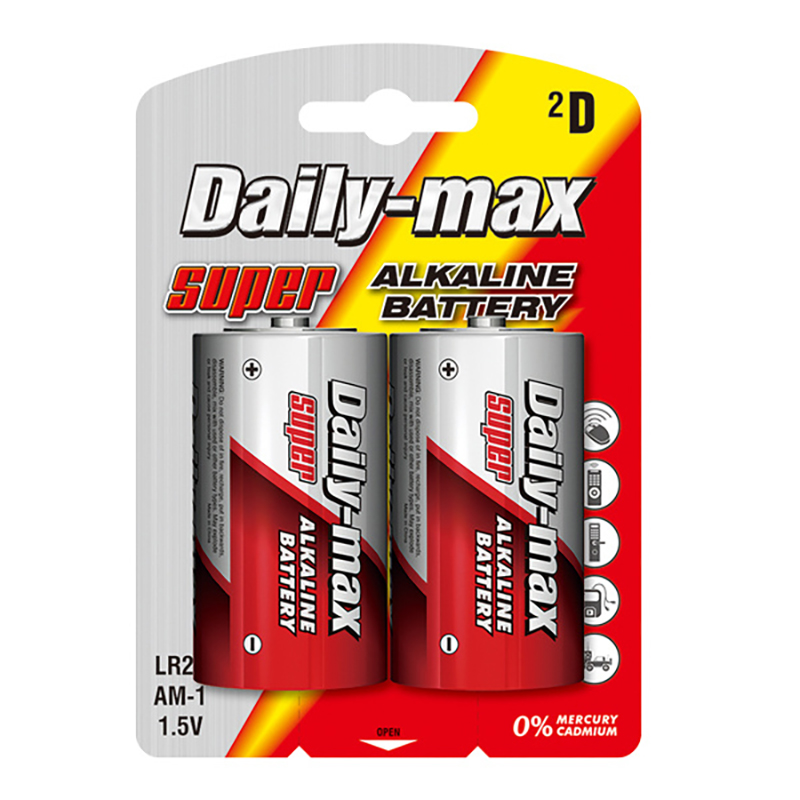
Alkaline cell: a primary, single-use cell with a zinc powder anode, a manganese dioxide cathode and a potassium hydroxide electrolyte, rated at 1.5 V.
Primary lithium cell: a primary cell with a lithium metal anode, an iron disulfide cathode and an organic electrolyte, also rated at 1.5 V, but with a flatter discharge curve and a much wider temperature range.
One clarification prevents most specification errors: lithium appears in three product families that are not interchangeable. Rechargeable lithium-ion cells run at 3.6 to 3.7 V and need a charge controller. Lithium manganese button cells deliver 3.0 V. Only Li-FeS2 primary cells are the true 1.5 V drop-in equivalent of an alkaline AA or AAA, and only those belong in a like-for-like comparison.
| Parameter | Alkaline AA | Primary lithium AA |
| Rated voltage | 1.5 V | 1.5 V |
| Energy density | 110 to 140 Wh/kg | 250 to 300 Wh/kg |
| Usable capacity at -10 C | About 30 percent of rated | About 85 percent of rated |
| Operating temperature | -10 C to 55 C | -40 C to 60 C |
| Self-discharge | 2 to 3 percent per year | Under 1 percent per year |
| Shelf life | 5 to 7 years, up to 10 | 12 to 15 years |
| Cell weight | About 23 g | About 15 g |
| Transport class | Not regulated as dangerous goods | UN Class 9, UN3090 or UN3091 |
Temperature and Load: Where Lithium vs Alkaline Performance Diverges
Below roughly 0 C an alkaline cell surrenders most of its usable capacity, while a primary lithium cell keeps the large majority of it, and the same gap opens under continuous high drain at room temperature.
The mechanism is mechanical rather than mysterious. Cold thickens the potassium hydroxide electrolyte inside an alkaline cell and pushes internal resistance upward, so voltage sags under load and the device hits its cut-off threshold early, leaving energy stranded in the can. Lithium iron disulfide holds a lower internal resistance across most of its discharge, so the same cut-off point arrives much later.
The effect on a maintenance schedule is easy to quantify. A sensor that runs 100 days on alkaline at 21 C would run roughly 30 days at -10 C on the same chemistry, but about 89 days at -10 C on primary lithium. For a wider look at how the two chemistries behave in the same enclosure, this walkthrough of lithium batteries vs alkaline batteries in real installations covers the same ground.
Comparing Lithium and Alkaline Batteries on Cost Per Device-Year
Lithium usually wins on cost per device-year in high-drain or hard-to-reach applications, and the reason has almost nothing to do with the price of the cell itself.
Run the numbers on a device that holds two AA cells. On alkaline it is serviced about twice a year, which means four cells. On primary lithium the same device is typically serviced once every 18 to 24 months, so one pair per year on average. At roughly USD 0.30 for an alkaline AA and USD 1.20 for a lithium AA, the raw cell spend is close to identical at about USD 1.20 a year.
The gap appears the moment somebody has to do the work: two replacement visits at two dollars each add four dollars to the alkaline case, while the lithium case adds about one. Industrial packing moves the arithmetic a second time, because cells supplied in sealed industrial packs cut unpacking labour and packaging waste on an assembly line while keeping the same 2S and 4S counts as retail cards.
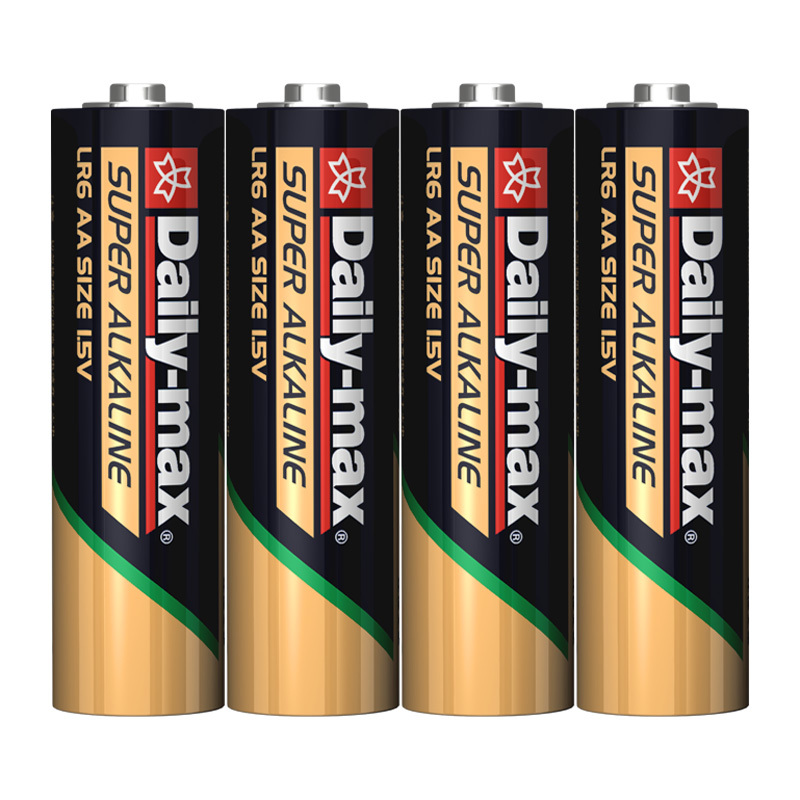 Custom ODM/OEM LR6 Black Gold-4S Alkaline BatteryIndustrial-pack AA alkaline battery for high-drain devices; ODM/OEM and 2/3/4-cell shrink or hang-card packaging make it relevant for replacement and assembly planning.View Product →
Leakage and Shelf Life: The Risk Alkaline Cells Carry
Alkaline cells can leak potassium hydroxide as they age, and the residue corrodes battery contacts and circuit boards. Primary lithium cells rarely leak, although no sealed cell is completely immune.
A leaking alkaline AA can destroy a device worth two hundred times its own price. That single fact is the strongest argument for lithium chemistry in equipment that is stored, shipped, or left unattended for months at a time.
Shelf-life ratings tell the same story. A standard alkaline AA holds usable charge for five to seven years and loses two to three percent of its capacity a year, with premium grades reaching ten years. A primary lithium AA is rated for twelve to fifteen years and self-discharges at under one percent a year. Storage rules that protect both chemistries:
- Store cells between 10 C and 25 C and below 60 percent relative humidity.
- Leave cells in their original packaging so terminals cannot short against loose metal.
- Never mix chemistries, brands or production dates in one device; the weakest cell sets the cut-off.
- Rotate stock first in, first out, and respect the printed date code.
- Inspect ageing alkaline stock for crusting or bulging before it reaches a customer.
Device-by-Device Selection Matrix
Match chemistry to drain profile, temperature and replacement cost rather than to habit. The matrix below covers the cases that show up most often in specification work.
| Device class | Typical drain | Environment | Recommended chemistry |
| Wall clock, TV remote | Under 5 mA | Indoor | Carbon zinc or standard alkaline |
| Wireless door and window sensor | 30 to 100 mA pulses | Indoor to -10 C | Primary lithium AA or AAA |
| Smoke and CO detector | Very low, ten-year life | Indoor | Lithium AA, ten-year rated |
| Smart lock | 1 to 2 A motor surge | Outdoor, cold | Primary lithium AA |
| Trail camera, outdoor sensor | High pulses | Down to -20 C | Primary lithium AA |
| Toy, torch, portable radio | 100 to 300 mA continuous | Indoor | Premium alkaline AA |
| Glucometer, small wearable | Low and steady | Indoor | Lithium manganese button cell |
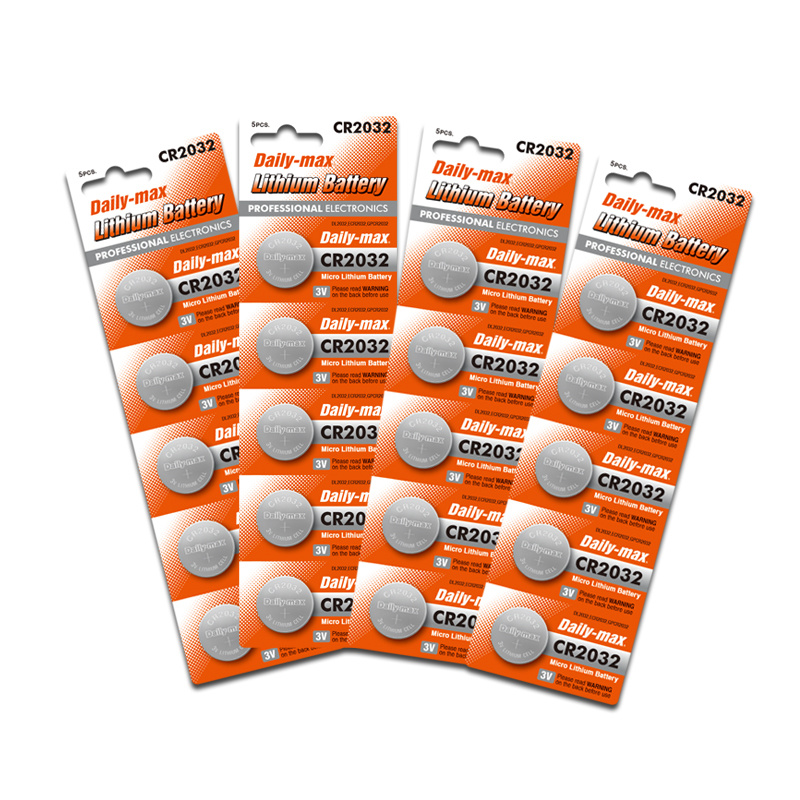
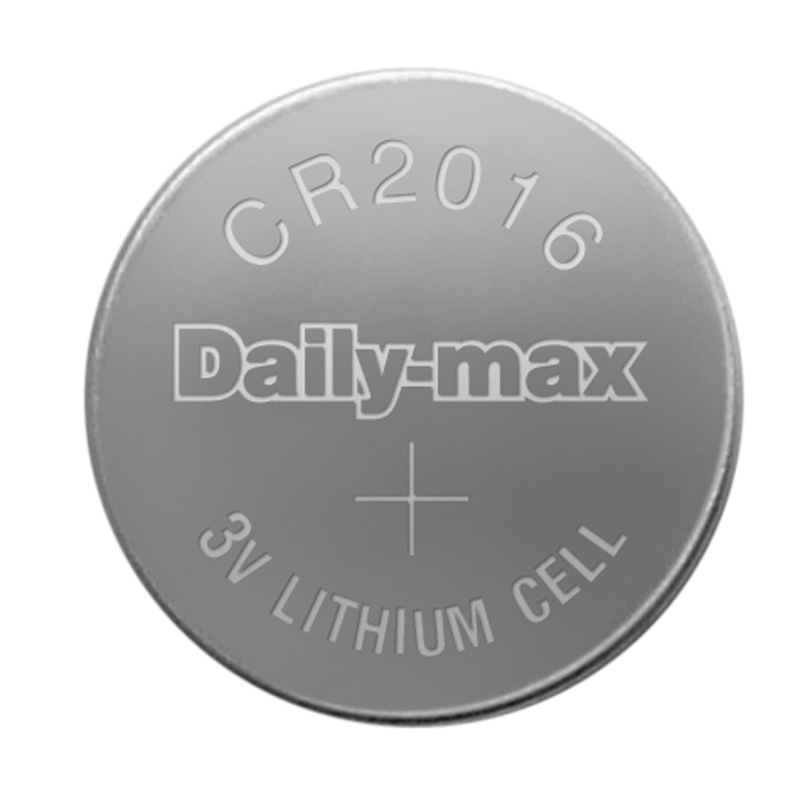
Button cells follow their own rule. Lithium manganese button cells such as the CR2032, CR2025 and CR2450 deliver 3.0 V from a very flat curve in a package a few millimetres thick, which is why the CR series is the default in glucometers, key fobs and compact medical devices. Retail multi-packs suit replacement sales, while single-cell industrial packs suit device assembly.
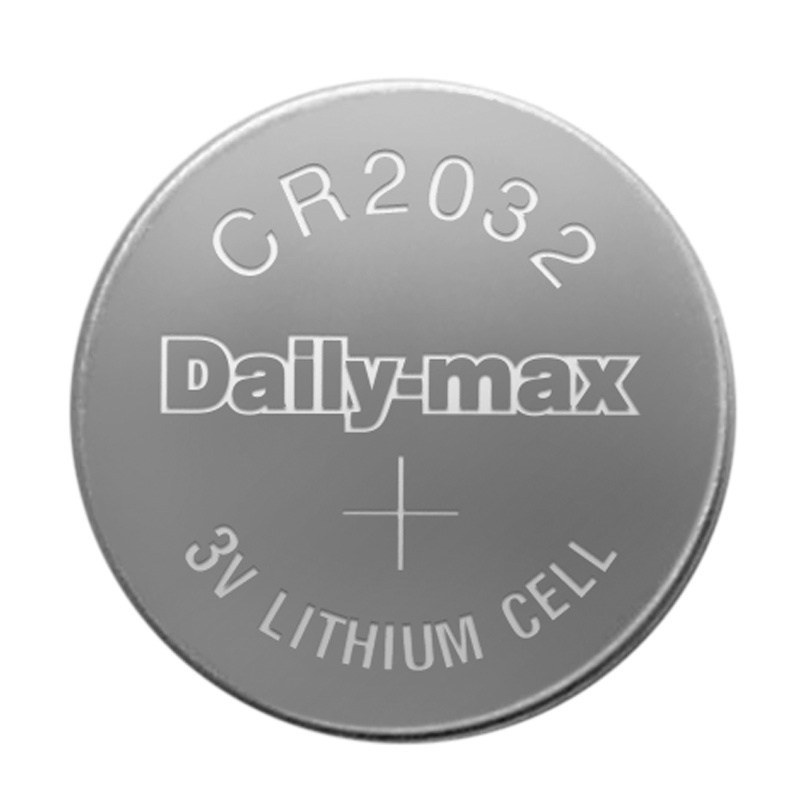 Custom ODM/OEM CR2032 Lithium Manganese Button BatteryCompact 3V Li-MnO2 coin cell for watches, key fobs, and medical devices; industrial or retail packing suits assembly and replacement sales.View Product →
B2B Sourcing Notes for Alkaline and Lithium Primary Cells
Alkaline and lithium primary cells sit in two different procurement categories: alkaline is ordinary dry cargo with a broad supplier base, while lithium metal cells are UN Class 9 dangerous goods with narrower sourcing and stricter paperwork.
Alkaline orders
- Retail cards, hanging cards and industrial shrink film are all standard formats.
- No dangerous-goods classification, so air, sea and road freight stay uncomplicated.
- Shorter lead times and wider price competition between suppliers.
Primary lithium orders
- UN38.3 test summaries, Class 9 labelling and compliant packaging are mandatory.
- Air freight is restricted and often limited to cargo aircraft.
- Fewer qualified suppliers, longer lead times and a higher unit price.
Confirm the following before any purchase order goes out:
- Certification scope, not just the logos: ISO 9001, ISO 14001, UL, CE, RoHS and REACH.
- A UN38.3 test summary for every lithium cell model and size in the shipment.
- Date code and shelf-life marking on both the cell and the outer carton.
- A capacity verification test on a production sample at the drain rate the device actually draws.
- Signed-off packaging artwork, barcodes and carton dimensions before mass production.
A supplier that runs both chemistries under one roof removes a layer of auditing. Changzhou Strengh (Anyida) Power Technology Co., Ltd., a primary battery manufacturer based in Changzhou, Jiangsu, produces alkaline, carbon zinc and button-type lithium manganese cells in retail and industrial packing and exports to more than 30 countries.
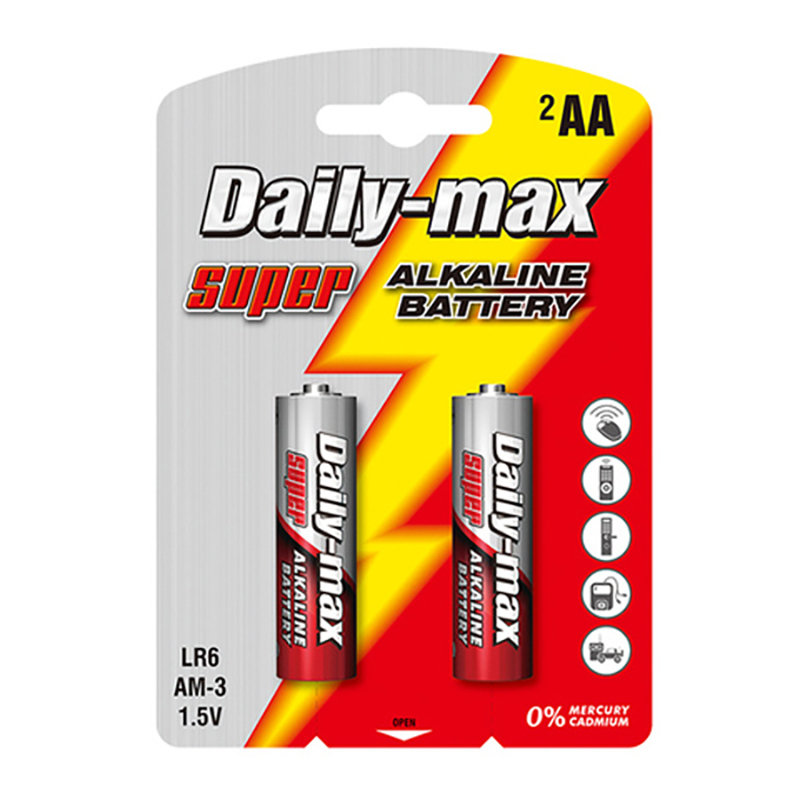 Custom ODM/OEM AA LR6-2B Business Alkaline Battery1.5V AA alkaline battery for commercial devices; choose a voltage-compatible replacement, since higher-voltage lithium cells can damage circuits.View Product →
Frequently Asked Questions
Can lithium batteries replace alkaline batteries in a device designed for alkaline?
Only if the replacement is a 1.5 V primary lithium cell such as a Li-FeS2 AA or AAA, which is voltage-compatible with alkaline and safe in most devices. Do not substitute a 3.6 V lithium-ion cell or a 3.0 V button cell for a 1.5 V alkaline; the higher voltage can damage the circuit. Check the manual for a stated voltage window before swapping.
Why do alkaline batteries lose capacity in cold weather?
Because the potassium hydroxide electrolyte thickens and internal resistance rises. Voltage sags below the device cut-off point while energy is still chemically available. Usable capacity at -10 C typically falls to a quarter or a third of the room-temperature rating, while a primary lithium cell keeps 80 to 90 percent.
Are lithium batteries worth the extra cost?
In a low-drain indoor device such as a wall clock or a remote control, usually not, because alkaline or carbon zinc is cheaper per year. In high-drain, sub-zero or hard-to-service equipment, yes. Once a replacement costs more than the cell itself, the lithium premium is recovered in the first avoided service visit.
Do alkaline and lithium cells need different shipping documents?
Yes. Alkaline cells are generally not regulated as dangerous goods. Lithium metal cells fall under UN Class 9 as UN3090 when shipped alone or UN3091 when packed with or inside equipment, and they require UN38.3 test summaries, Class 9 labels and compliant packaging, with tighter limits on air freight.