

 English
 中文简体
中文简体 русский
 Español
 عربى
عربىAAA Carbon Battery: A Deep Dive into Material, Performance, and Practical Applications
Welcome to a comprehensive exploration of the AAA Carbon Battery. In the landscape of portable power, the AAA form factor is ubiquitous, powering everything from remote controls to medical devices. However, the chemistry inside that small cylinder varies dramatically. This guide focuses specifically on carbon-based AAA batteries—primarily Zinc-Carbon and Zinc-Chloride cells—offering a detailed, professional analysis of their construction, electrochemical behavior, realistic performance metrics, and optimal use cases. We avoid marketing claims, focusing instead on measurable engineering data and practical insights.
1. Core Chemistry and Construction of AAA Carbon Batteries
Unlike alkaline or lithium-based cells, the AAA carbon battery relies on a carbon rod cathode collector surrounded by a manganese dioxide (MnO₂) and carbon black depolarizer mix. The anode is a zinc can that also serves as the battery container. The electrolyte is typically ammonium chloride (NH₄Cl) with zinc chloride (ZnCl₂) in higher-grade "heavy duty" cells. This construction leads to distinct electrochemical signatures: lower initial voltage (1.5V nominal but drops faster) and higher internal resistance compared to alkaline.
1.1 Distinction: Zinc-Carbon vs. Zinc-Chloride
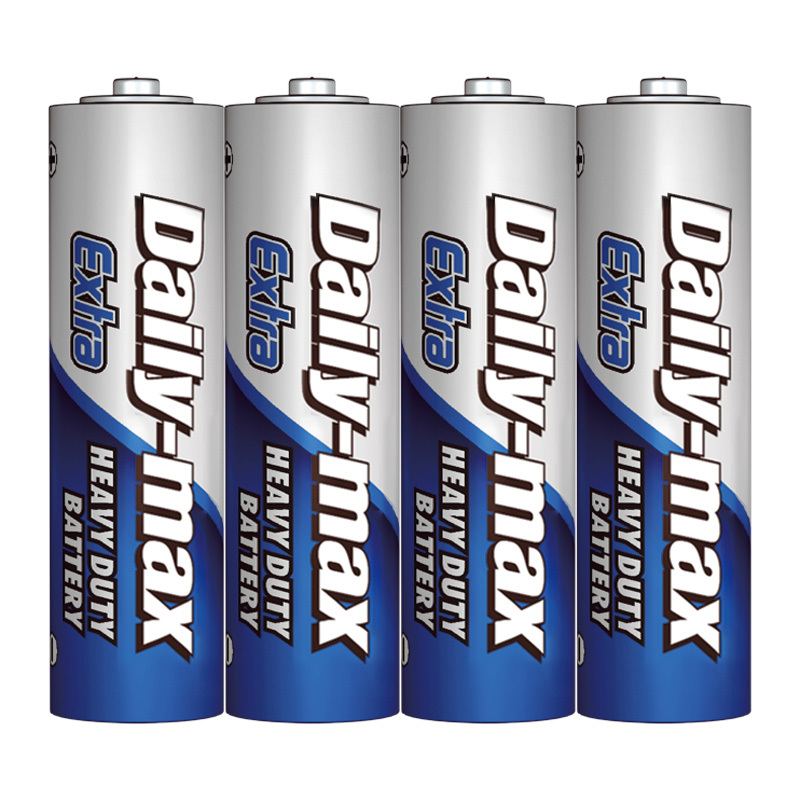
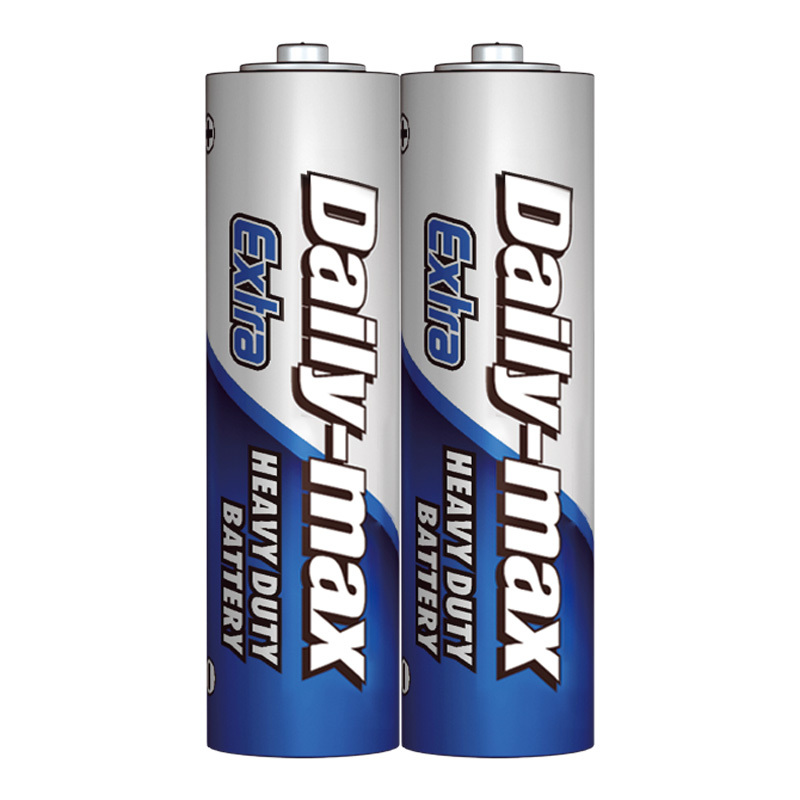
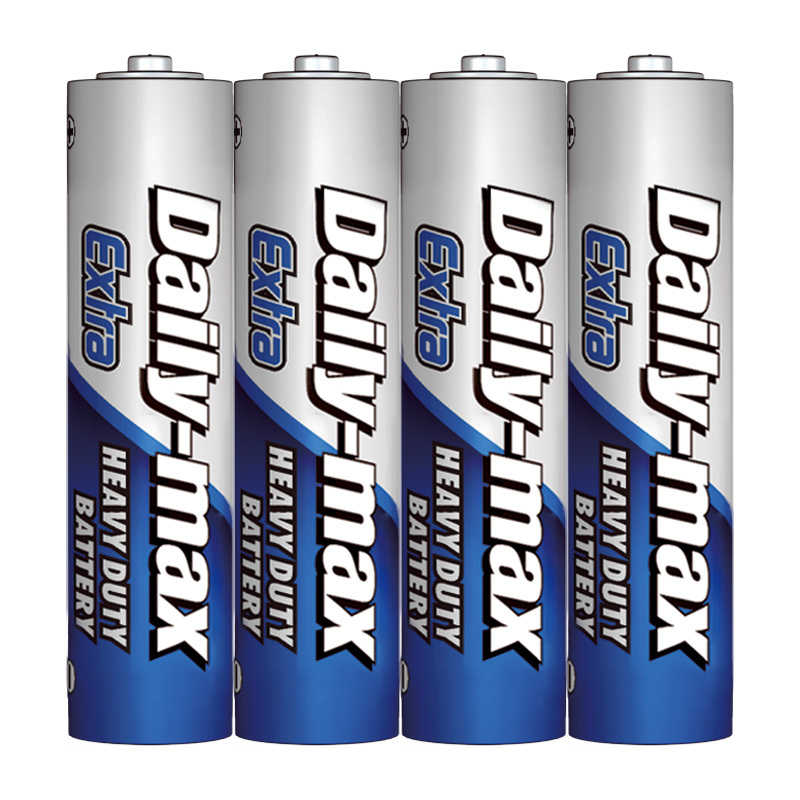
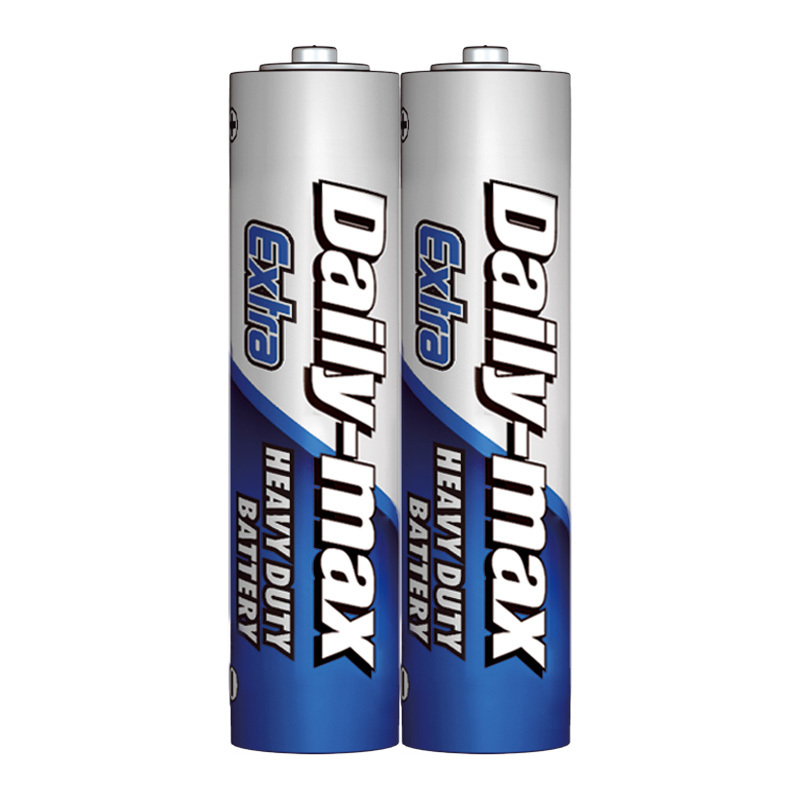
It is essential to differentiate between standard Zinc-Carbon (general purpose) and Zinc-Chloride (often labeled "heavy duty"). Zinc-chloride cells use a higher concentration of ZnCl₂ electrolyte, reducing internal resistance and improving low-temperature performance. They are a direct upgrade within the carbon battery family, yet still fundamentally distinct from alkaline.
- Standard Zinc-Carbon: Lower cost, suitable for very low drain devices (clocks, remotes).
- Zinc-Chloride (Heavy Duty): Moderate drain capability, longer shelf life (3-5 years vs. 2-3 years), better for intermittent use like flashlights or radios.
- Key limitation in both: Poor high-drain performance (digital cameras, motorized toys) due to voltage sag under load.
2. Performance Metrics and Comparative Data
To provide actionable depth, below is a comparative table of a typical high-quality AAA Zinc-Chloride carbon battery against a standard AAA alkaline battery. Values represent controlled discharge tests at 21°C (70°F). Note that carbon battery capacity is heavily load-dependent.
| Parameter | AAA Carbon (Zinc-Chloride) | AAA Alkaline (for reference) |
|---|---|---|
| Nominal Voltage | 1.5 V | 1.5 V |
| Cut-off Voltage (typical device) | 0.9 V – 1.0 V | 0.8 V – 1.0 V |
| Capacity @ 10 mA continuous (low drain) | 700 – 850 mAh | 1000 – 1150 mAh |
| Capacity @ 100 mA continuous (moderate drain) | 280 – 350 mAh | 750 – 900 mAh |
| Capacity @ 300 mA pulsed (high drain) | 80 – 120 mAh | 450 – 600 mAh |
| Internal Resistance (fresh cell) | 3 – 6 Ohms | 0.15 – 0.30 Ohms |
| Typical Shelf Life (unused) | 3 – 5 years | 5 – 10 years |
| Optimal Temperature Range | 0°C to 40°C | -10°C to 50°C |
2.1 Understanding the Voltage Discharge Curve
A carbon battery exhibits a sloping discharge curve. Starting at 1.58V open circuit, voltage drops steadily as the MnO₂ is reduced and the zinc anode oxidizes. At 50% state-of-charge, voltage often falls to 1.2 – 1.3V under load. This is critical because many modern electronics have voltage regulators that cut off at 1.1V, leaving significant residual capacity unused. For this reason, carbon batteries are not suitable for devices requiring stable voltage (wireless mice, digital thermometers).
3. Practical Applications: Where Carbon Batteries Excel
Understanding the electrochemical limitations leads to optimal usage. Carbon batteries (including zinc-chloride) are not "bad" — they are cost-effective solutions for specific duty cycles. Below are their ideal use categories with technical justifications.
3.1 Low Drain & Intermittent Devices
- Infrared remote controls (TV, AC, set-top boxes): Current draw is <20 mA for milliseconds, allowing long battery life (1-3 years).
- Wall clocks and timers: Continuous draw of 100-300 µA. Carbon battery's high internal resistance is irrelevant here.
- Smoke detectors (backup use): Many basic models work well with zinc-chloride AA/AAA, though alkaline is more common.
3.2 Emergency or Seasonal Use
- Flashlights used rarely: Because carbon batteries have lower leak tendency than old heavy-duty cells (modern seals improved), they can be stored in emergency kits if replaced every 2 years.
- Battery-powered radios for news/weather: Low to moderate current (30-60 mA) fits the carbon profile well.
3.3 Devices You Should NOT Use Carbon Batteries In
- Digital cameras (short runtime + voltage sag triggers low-battery warning early).
- Motorized toys (RC cars, drones) – voltage drops below motor threshold quickly.
- Portable gaming devices (Game Boy, etc.) – poor performance.
- Medical devices (glucometers, thermometers) – require stable voltage for accuracy.
4. Environmental and Economic Considerations
Carbon batteries have a lower environmental impact per unit than often assumed, primarily because they contain no added mercury, cadmium, or lead in modern production (EU/NA standards). The main components—carbon, manganese dioxide, zinc, and steel—are less toxic than nickel or lithium chemistries. However, they are not rechargeable. Recycling programs accept them, but many municipalities treat them as non-hazardous waste due to low heavy metal content.
4.1 Total Cost of Ownership Analysis
For low-drain devices, carbon batteries offer the lowest cost per hour of operation. Example: A wall clock consuming 0.2 mA continuous. A carbon AAA (800 mAh at low drain) would run for 4,000 hours (~166 days). At $0.30 per cell vs. alkaline at $0.80, carbon provides a 62% cost saving. For high-drain devices, the opposite is true — alkaline or rechargeable NiMH becomes far cheaper per hour.
5. Storage, Handling, and Failure Modes
Even professional users overlook proper storage. Carbon batteries have a higher self-discharge rate (2-3% per year at 20°C) than alkaline (1-2%). However, the more significant factor is temperature. Storing AAA carbon batteries at 40°C increases self-discharge to 8-10% annually and accelerates internal corrosion.
5.1 Leakage Mechanisms
Leakage in carbon batteries occurs when zinc can corrodes through, releasing electrolyte (NH₄Cl/ZnCl₂ solution). This is white and crystalline. Modern "heavy duty" cells include a sealed end cap and plastic gasket to reduce leakage, but it remains a risk if discharged below 0.5V or stored for >5 years. Never leave carbon batteries in devices that are not used weekly.
5.2 Optimal Storage Guidelines
- Store at 10°C – 25°C (cool, dry place). Avoid refrigerators (condensation risk).
- Keep in original packaging until use to prevent short circuits.
- Check voltage every 12 months with a multimeter. Discard if < 1.3V open circuit.
6. Future Outlook: Carbon-Based Primary Batteries
While lithium and rechargeable NiMH dominate high-performance segments, the AAA carbon battery continues to sell billions of units annually. Innovations include zinc-chloride formulations with enhanced carbon foam cathodes, which reduce internal resistance by 15-20%. Some manufacturers now offer "carbon zinc extra" with improved low-temperature electrolyte (down to -10°C without drastic capacity loss). However, the fundamental chemistry will never match alkaline for digital devices; instead, it retains the niche of ultra-low-cost, widely available power for simple analog electronics.
Conclusion: Matching Chemistry to Mission
The AAA carbon battery is not obsolete; it is a specialized tool. When you need to power a remote control, a basic clock, a radio, or a simple flashlight for intermittent use, the carbon battery provides the lowest economic and environmental footprint. For engineers and enthusiasts, understanding the sloping discharge curve, load-dependent capacity, and leakage thresholds ensures proper selection. Always check your device's current draw: below 50 mA average, carbon is a smart choice. Above that threshold, step up to alkaline or rechargeable NiMH. By respecting the chemistry, you avoid poor performance and unnecessary waste.