
 English
 中文简体
 русский
 Español
 عربى
The LR6 Black Gold-4S Alkaline Battery is a reliable electricity source appropriate for various programs. With its sturdy design and advanced era, this battery offers advanced overall performance and ...
See Details
Send Inquiry

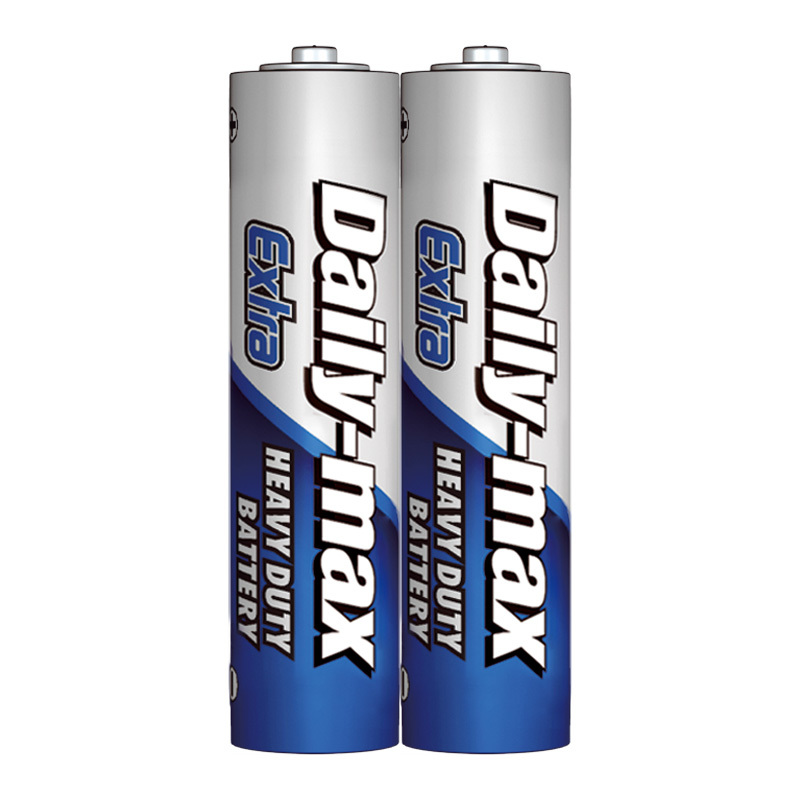
The R03P Silver Blue-2S Carbon Battery is a dependable and cost-powerful power answer designed for various everyday devices. With its compact size and light-weight design, this battery is ideal for portable electronic gadgets consisting of remote controls, toys, and digital cameras. The R03P Silver Blue-2S Carbon Battery gives constant and lengthy-lasting power, making sure efficient device overall performance. Whether you need to electricity a flashlight for the duration of a tenting experience or a wi-fi mouse on the workplace, this battery is a reliable preference. With its low cost fee and reliable performance, the R03P Silver Blue-2S Carbon Battery is a ly good cost for money.
R03P Dailymax(Carbon Zinc Dry Battery)2026.pdf
|
Model: |
R03P |
|
Standard |
1.5V |
|
Product Size |
10.5(D)*44.5(H)mm |
|
Weight |
7.2g |
|
Package |
Shrink/hang card |
|
Certification |
CE, ROHS, SGS, REACH, UL, KC, UN38.3, MSDS |
Battery Name: Carbon Zinc Dry Battery(Non-rechargeable)
Category: Portable battery
Chemical System: Zn-MnO2(NH4Cl)
Capacity: 300mAh, 0.45Wh, minimum duration 21.0 hours(Load 75Ω to 0.9V).
Weight: Approx 7g (only for reference)
Production Date: Printed on the battery negative electrode
Critical raw materials: Zinc, Manganese Dioxide, Acetylene black
Hazardous substances
|
Mercury (Hg) |
≤0.0005% by weight |
|
Cadmium (Cd) |
≤0.002% by weight |
|
Lead (Pb) |
≤0.01% by weight |
Applicable fire extinguishers: Dry powder fire extinguishers, carbon
dioxide fire extinguishers
Manufacture: Changzhou Anyida Power Technology Co.,Ltd.
Adress: No.1 East Road, Louxia Industrial Park,Rulin Town,Jintan District,
Changzhou, Jiangsu Province,China
Website: www.anyidapower.com
Email: [email protected]
Made in China
Reference No.VoC-Battery: CN/25/20043/VoC
European Agency: Apex CE Specialists GmbH
Address: Grafenberger Allee 277, 40237 Düsseldorf, DE

Disposal of waste batteries/accumulators
1. The crossed-out wheeled bin symbol on batteries and their packaging provides important information on separate collection requirements and the presence of hazardous substances.
This symbol may be combined with chemical symbols for mercury (Hg), cadmium (Cd) or lead (Pb) if the battery contains more than 0.0005% of mercury, 0.002% of cadmium or 0.004% of lead.
2. End-users are encouraged to contribute to waste prevention by using batteries responsibly, avoiding unnecessary replacement, and following recommended practices to extend the battery life. Where applicable, batteries and devices should be considered for re-use, preparation for re-use, repurposing, or remanufacturing.
End-users are advised to ensure that waste batteries are collected separately in accordance with applicable local requirements to facilitate proper treatment and recycling.
3. Waste batteries, especially those containing lithium, should be handled with care.
Do not damage, crush, or expose batteries to heat or fire, as they may pose risks such as leakage, fire, or explosion. Follow local safety instructions for storage and transport.
4. Batteries may contain substances that may be harmful to the environment and human health if improperly disposed of. Therefore, waste batteries and accumulators should be disposed of properly to prevent potential adverse impacts on the environment, wildlife, and human health.
5. Waste batteries can be returned to designated collection and take-back systems, where they may undergo preparation for re-use, repurposing, or appropriate treatment and recycling processes.
6. For detailed information concerning the appropriate disposal of waste batteries and accumulators, users are advised to contact the local municipal authority, designated waste management service provider, or the place of purchase.

|
items |
OCV(V) |
CCV(V) |
SCC(A) |
sampling standard |
|
After 2 months, a new battery |
1.62 |
1.40 |
2.50 |
GB2828.1-2003 Normal inspection sampling plan, special inspection level S-4, AQL=1.0 |
|
After 12 months at |
1.58 |
1.30 |
2.00 |
|
|
Test conditions |
load resistance 3.9Ω, measuring time 0.3 seconds, temperature 20±2℃ |
|||
6. Discharging Ability
|
temperature:20±2℃ |
|||||
|
Discharge Conditions |
GB/T8897.2 |
Shortest Average |
|||
|
Discharge load |
Discharge Time |
Cut-off discharge voltage |
|
2 months, new battery |
After 12 months at |
|
10Ω |
1h/d |
0.9 V |
1.5h |
2.4h |
2.1h |
|
75Ω |
4h/d |
0.9 V |
20h |
21h |
20h |
|
5.1Ω |
4m/h,8h/d |
0.9 V |
50min |
70min |
65min |
|
24Ω |
15s/m,8h/d |
1.0 V |
4h |
5.5h |
5h |
|
3.9Ω |
24h/d |
0.9 V |
/ |
35min |
32min |
|
items |
Conditions |
requirement |
Acceptance Standard |
|
Over-discharge |
at temperature 20±2℃; relative humidity: 60±15% RH , |
No leakage was recognized by the eyes |
N=9 |
|
high-temperature storage |
Stored at 45±2℃, Under the environment of relative humidity to 90% RH for 20 days |
|
N=30 |
8. Safety Characteristics
|
items |
Condition |
Requirement |
Acceptance Standard |
|
External short circuit |
At temperature 20±2℃, With wires to the battery positive negative switched on 24 hours |
No explosion |
N=5 |

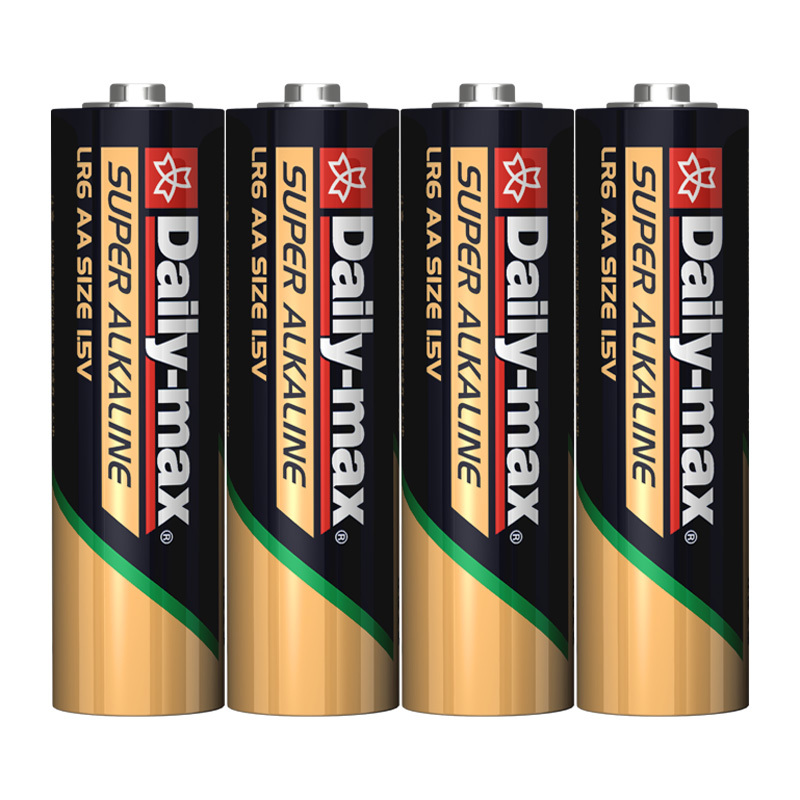
The LR6 Black Gold-4S Alkaline Battery is a reliable electricity source appropriate for various programs. With its sturdy design and advanced era, this battery offers advanced overall performance and ...
See Details
The LR20 Black Gold-2S Alkaline Battery is a high-performance electricity supply designed to meet the needs of various devices. With its durable production and advanced generation, this battery provid...
See Details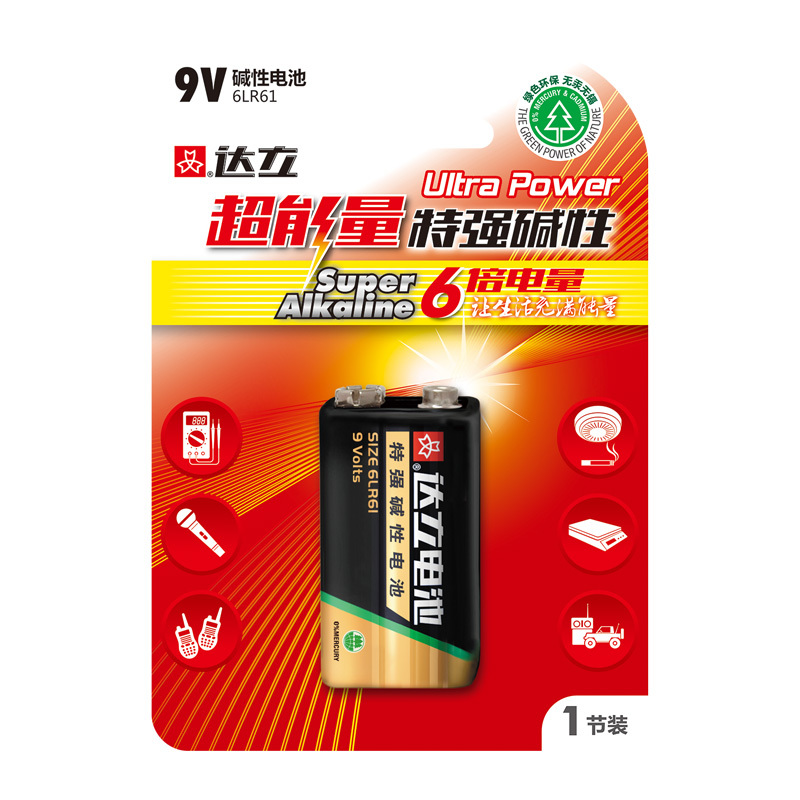
The 9V 6LR61-1B hanging card Alkaline Battery is a reliable and versatile electricity solution for a wide variety of electronic devices. With its convenient striking card packaging, this battery is ea...
See Details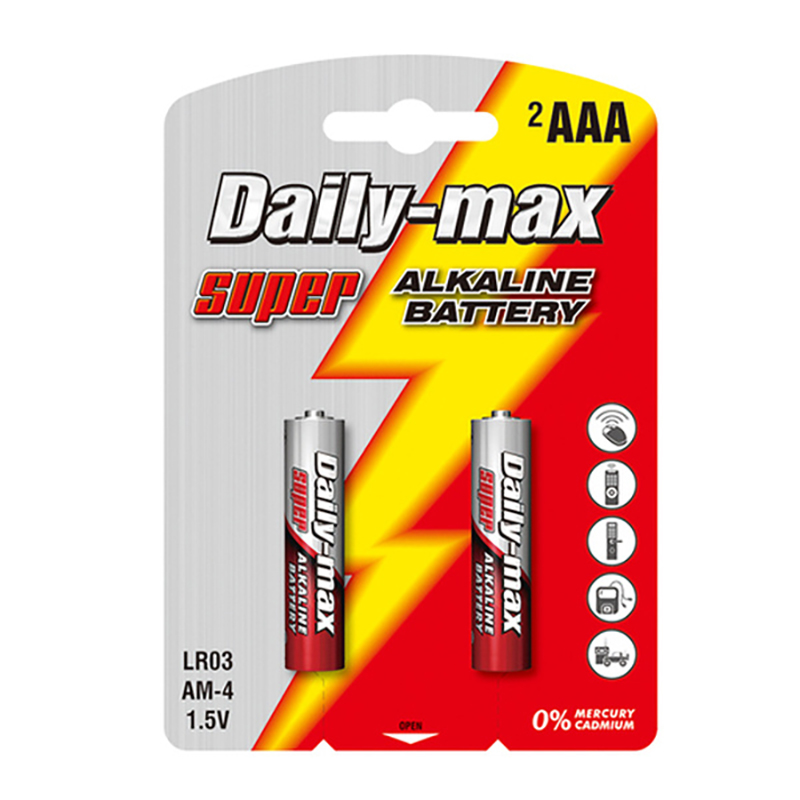
The AAA LR03-2B Business Alkaline Battery is a remarkable strength source designed specifically for professional use. This battery gives dependable and lengthy-lasting performance, making it for ple...
See Details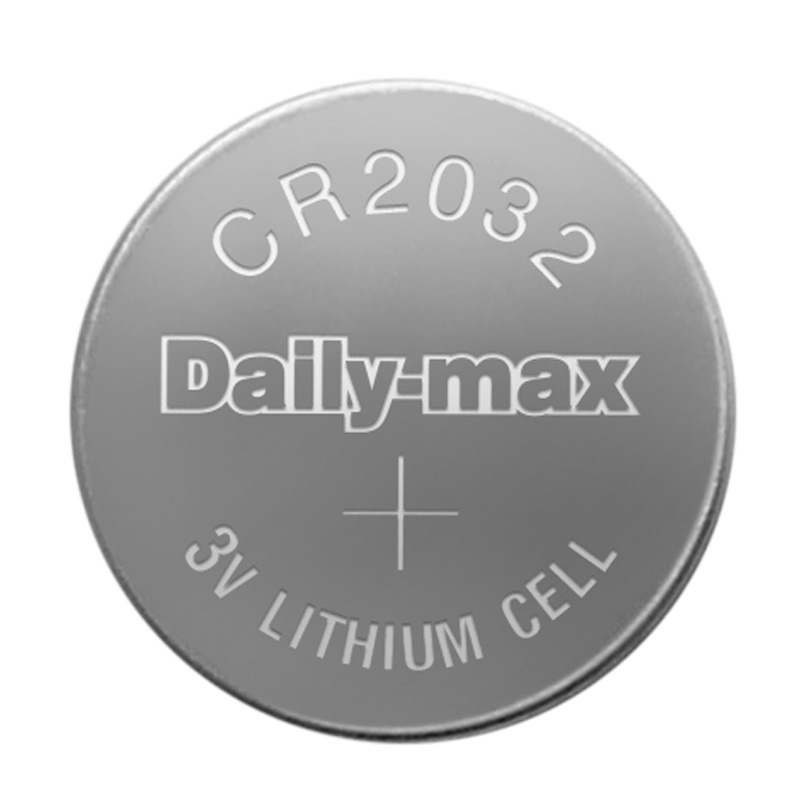
The CR2032 Button Type Lithium Manganese Battery is a flexible and efficient electricity source appropriate for a extensive variety of programs. Its compact button shape and length make it ideal for d...
See Details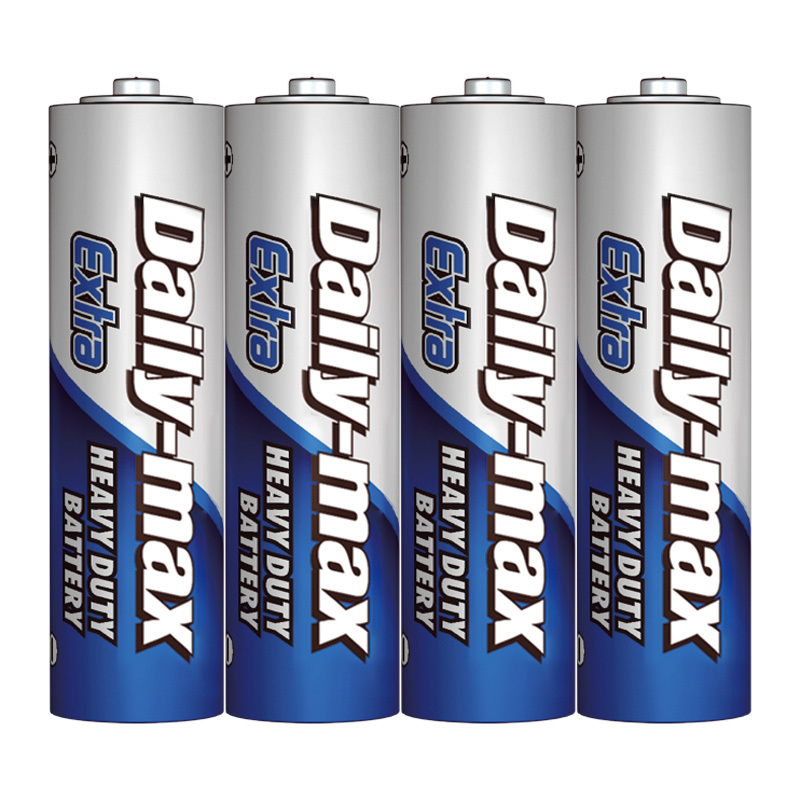
The R6P Silver Blue-4S Carbon Battery is a dependable and efficient energy solution, for a wide variety of regular electronic gadgets. Its compact length and light-weight layout make it for applic...
See Details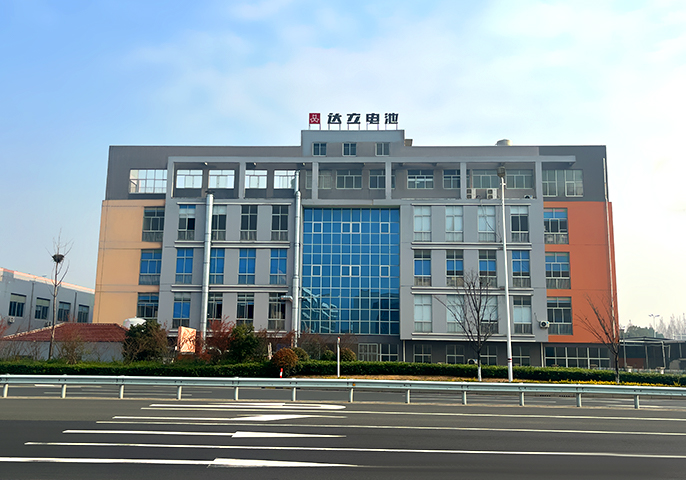
An LR6 alkaline AA and an FR6 lithium AA are the same size, fit the same holder, and both print 1.5 V on the label. Put them under a 500 mA load at minus 10 ...
View MoreTwo AA cells can print the same 1.5 V on the label and still differ by roughly 40 percent in landed cost. That gap is why buyers keep asking what is a carbon ...
View MoreTwo AA cells can sit on the same retail peg, look almost identical, and differ by a factor of four in price and by nearly six in how long they last at minus t...
View MoreA smoke alarm that chirps months early, a trail camera that dies at the first frost, a car key fob that needs a flat 3 V coin cell: most of these failures tra...
View MoreA digital camera fed on alkaline AAs can sag from full to empty in a single afternoon of shooting, while the same pair of cells in a TV remote will quietly r...
View Moretop

E-mail: [email protected]
E-mail: [email protected]

Phone: +86-13861108887
Phone: +86-13338792022

Address: Southern door, NO.1 East Road, Lou Xia Industrial Park, Rulin Town, Jintan District, Changzhou city, Jiangsu, China
QR code on
mobile phone
Copyright © Changzhou Strengh (Anyida) Power Technology Co., Ltd. All rights reserved.
Custom ODM/OEM R03P Silver Blue-2S Carbon Battery Manufacturers