

 English
 中文简体
中文简体 русский
 Español
 عربى
عربىA smoke alarm that chirps months early, a trail camera that dies at the first frost, a car key fob that needs a flat 3 V coin cell: most of these failures trace back to one purchasing decision. The difference between a lithium battery and an alkaline battery starts inside the can. An alkaline cell generates current from a zinc anode and a manganese dioxide cathode in a potassium hydroxide electrolyte at a nominal 1.5 V, while a lithium primary cell uses a lithium-metal anode that pushes CR-series coin cells to 3.0 V and holds voltage nearly flat until the cell is almost empty. That single chemistry choice cascades into energy density, shelf life, cold-weather behavior, leak risk and unit price, and it should decide what you buy, stock and spec into a product.
What Is the Difference Between a Lithium Battery and an Alkaline Battery?
The difference between a lithium battery and an alkaline battery is the electrochemical system inside the cell: alkaline cells pair zinc with manganese dioxide in a potassium hydroxide electrolyte for a nominal 1.5 V, while lithium primary cells use a lithium-metal anode that delivers 3.0 V in CR coin formats and a flatter discharge curve everywhere else.
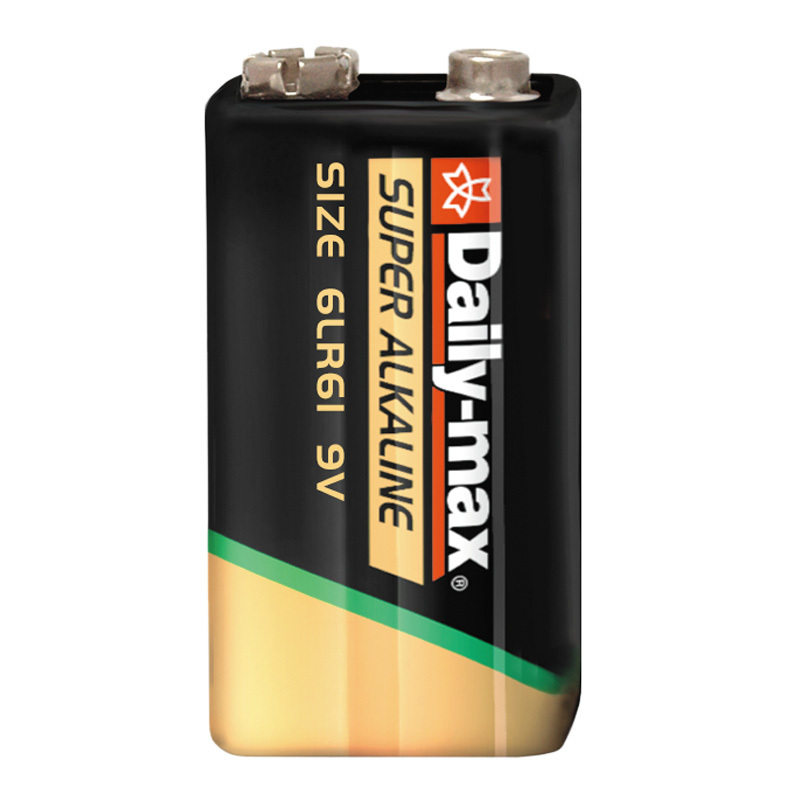
An alkaline battery is a single-use cell with a zinc anode and a manganese dioxide cathode in an alkaline potassium hydroxide electrolyte, standardized as LR6 (AA), LR03 (AAA), LR14 (C), LR20 (D) and the six-cell 6LR61 (9V). A lithium primary battery is a single-use cell with a lithium-metal anode, most commonly lithium manganese dioxide in CR-series coin cells (3.0 V) or lithium iron disulfide in AA and AAA cylinders (1.5 V).
Because both families are primary, non-rechargeable cells, buyers often assume they are interchangeable at the same size. They are not. Zinc gives up its electrons at a lower potential, so an alkaline AA starts near 1.5 V and slides steadily toward 0.9 V as it works. Lithium sits far higher on the electrochemical series, which is why a CR2032 reads 3.0 V and why lithium cylinders hold close to their starting voltage for most of their service life, then fall off quickly at the end. Any device with a voltage cut-off behaves differently on each chemistry, even when the printed capacity looks similar.
Discharge Curves: Why Alkaline and Lithium Feel Different in Real Devices
Voltage shape matters as much as capacity: an alkaline cell spends its working life sliding downhill, while a lithium primary holds its rated voltage almost to the end, and that difference decides which devices run well on each chemistry.
An alkaline AA drifts from about 1.5 V down to 0.9 V across its life, while a lithium primary stays within a few percent of nominal until nearly empty, then drops sharply.
Three practical consequences follow from that curve. First, high-drain devices such as digital cameras and powerful flashlights cut off early on alkaline, because voltage sag under load pushes the cell below the device threshold long before its chemistry is spent. Second, precision electronics such as scales, meters and medical devices prefer the flat lithium curve, because readings and calibration stay stable across most of the discharge. Third, 3 V electronics, including key fobs, motherboard clocks and many compact remotes, are engineered around CR coin cells and have no alkaline equivalent at that thickness and voltage.
Lithium vs Alkaline Battery Specs Compared Side by Side
Compared side by side, lithium primaries beat alkaline on energy density, shelf life, weight and temperature range, while alkaline wins clearly on price per cell and availability in every standard size.
| Specification | Alkaline battery | Lithium primary battery |
| Chemistry | Zinc anode, manganese dioxide cathode, KOH electrolyte | Lithium-metal anode with MnO2 or FeS2 cathode |
| Nominal voltage | 1.5 V per cell; 9V is the 6LR61 six-cell stack | 3.0 V in CR coin cells; 1.5 V in Li-FeS2 AA and AAA |
| Energy density | About 100 to 150 Wh/kg | About 250 to 300 Wh/kg |
| Typical AA capacity | About 2,500 to 2,850 mAh | About 3,000 to 3,500 mAh (Li-FeS2) |
| Shelf life | Up to 10 years | 15 to 20 years |
| Self-discharge | Roughly 2 to 3 percent per year | About 1 percent or less per year |
| AA cell weight | About 23 g | About 15 g |
| Cold-weather limit | Capacity drops sharply below 0 C | Li-FeS2 rated from -40 C to 60 C |
| Leak risk | Can leak after deep discharge | Rarely leaks |
| Rechargeable | No | No; lithium-ion is a separate system |
| Relative cost per cell | Low | Roughly 2 to 4 times higher |
What the capacity gap looks like in practice
When an Alkaline Battery Is the Smarter Choice
Alkaline is the right call whenever drain is modest, replacement is easy and unit cost drives the purchase, which is why it still carries the bulk of global primary battery volume.
- Low-drain everyday devices: remote controls, wall clocks, keyboards, toys and doorbells can run for months or years on a single alkaline cell.
- High-volume procurement: alkaline costs a fraction of lithium per cell, which matters when batteries ship with every product or when maintenance teams service thousands of devices.
- Retail programs: hanging cards, blister cards and shrink packs in AA, AAA, C, D and 9V formats keep shelf presentation and barcode requirements simple.
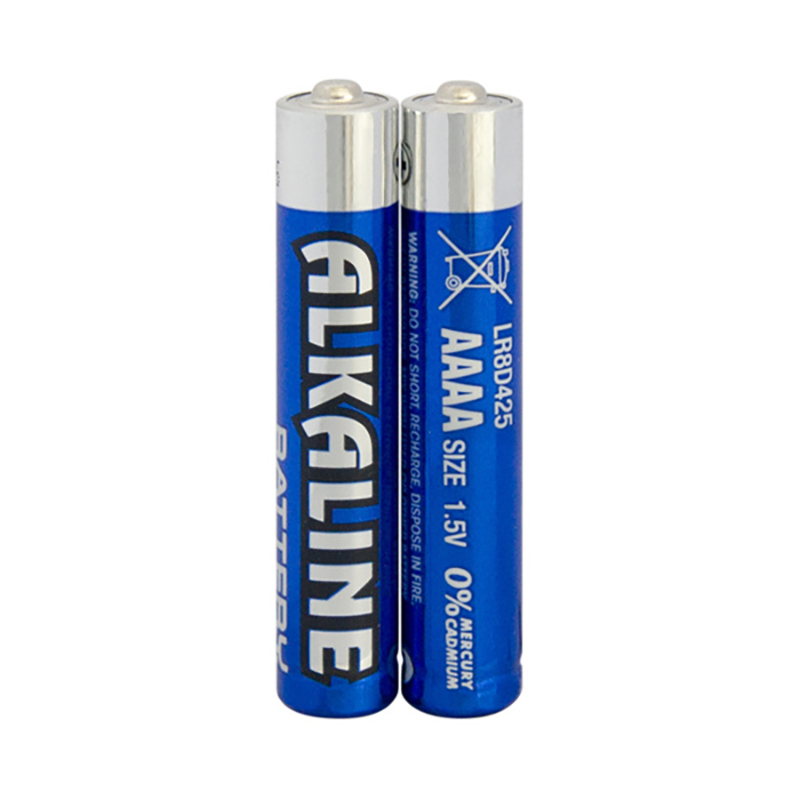
- Special formats: AAAA and long-type LR8D alkaline cells cover niche instruments without forcing a move to lithium.
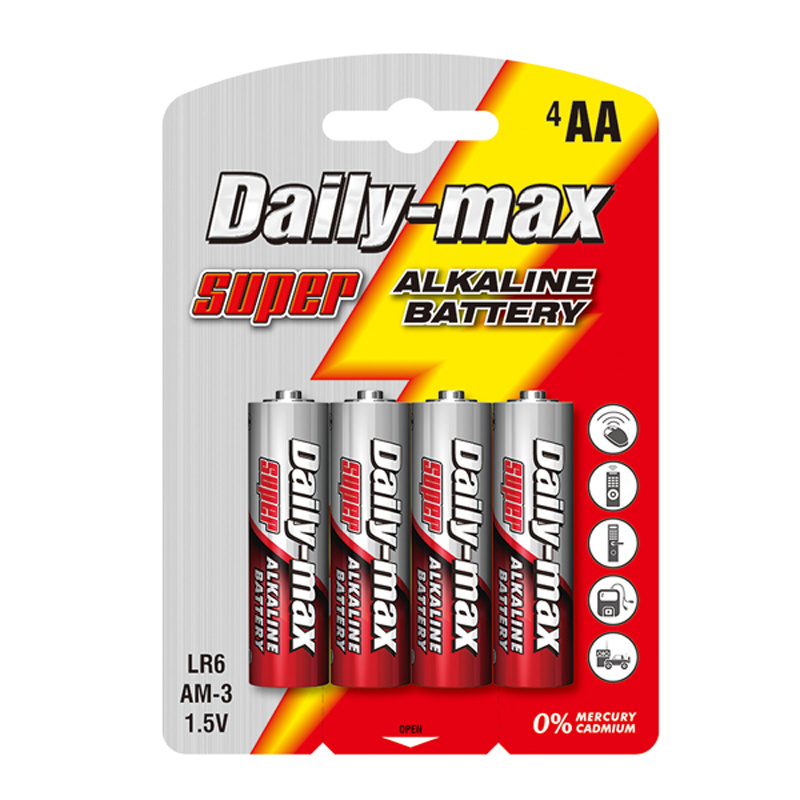 AA LR6-4B Business Alkaline BatteryDetailed DescriptionView Product →
Sourcing matters here too. Changzhou Strengh (Anyida) Power Technology Co., Ltd., a primary battery manufacturer operating since 1956, supplies alkaline cells in two parallel lines: a business outfit with retail-ready cards and hanging packs, and an industrial outfit in shrink-wrap and bulk formats for OEM and maintenance buyers. Qualifying one factory for both lines keeps packaging, certification and lead times consistent across retail and industrial channels.
When a Lithium Battery Justifies the Higher Price
Lithium primaries earn their premium in high-drain devices, cold environments, sealed electronics and anywhere a dead battery is expensive, from trail cameras to medical wearables.
- High-drain loads: manufacturer testing shows lithium AA cells lasting up to six times longer than standard alkaline in demanding devices such as digital cameras.
- Cold weather: Li-FeS2 cells are rated from -40 C to 60 C, while alkaline capacity collapses near freezing, so winter sensors and outdoor trackers belong on lithium.
- Long storage: 15 to 20 year shelf life and self-discharge near 1 percent per year make lithium the default for smoke alarms, emergency kits and backup units.
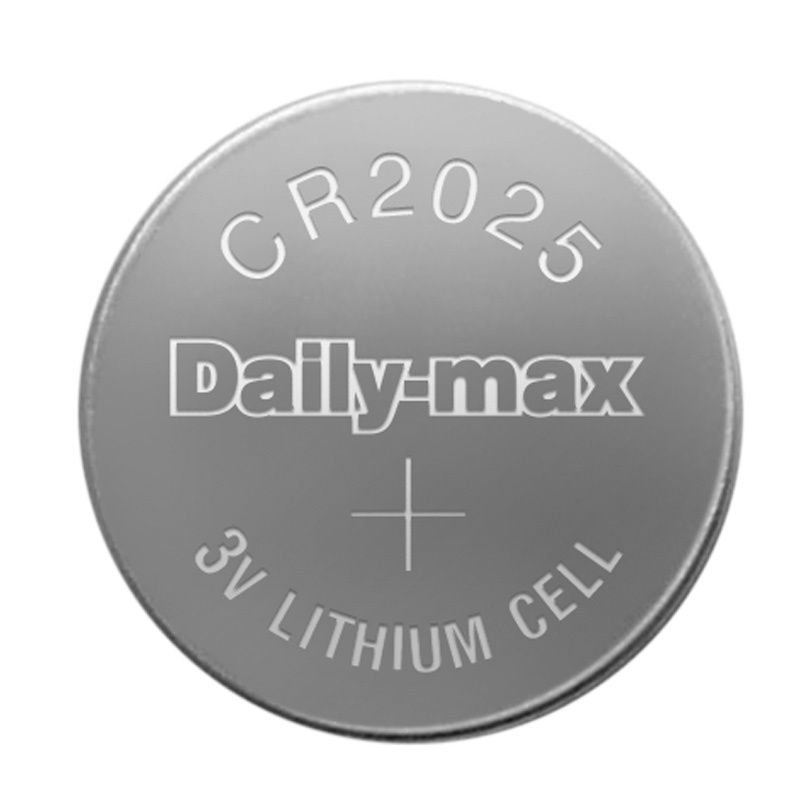
- 3 V coin formats: CR1616 through CR2450 cells power key fobs, motherboard clocks, glucose meters and compact remotes, and no alkaline cell matches that voltage in that thickness.
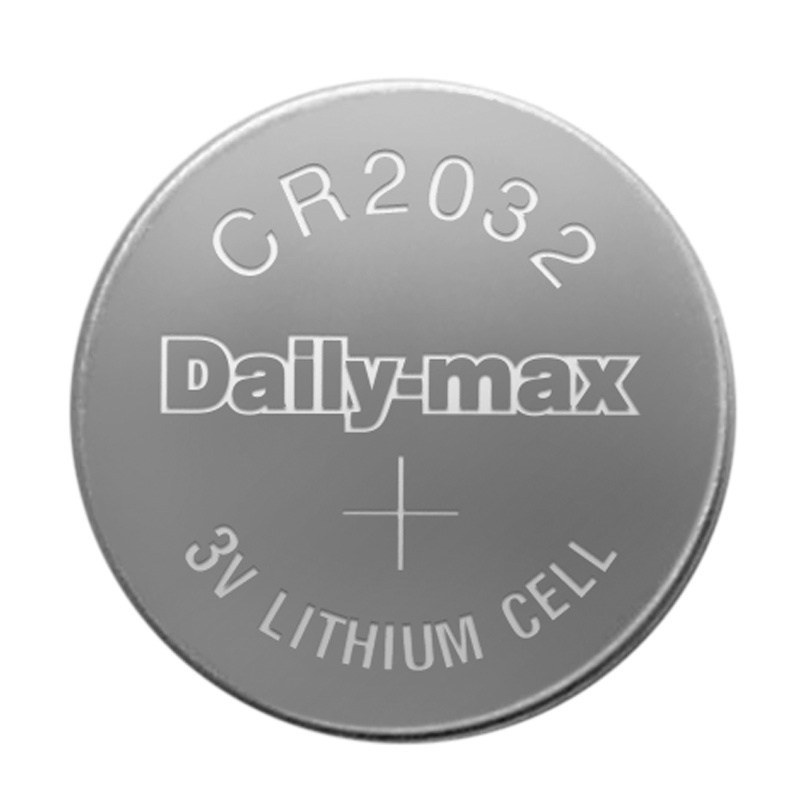 CR2032 Button Type Lithium Manganese BatteryThe CR2032 Button Type Lithium Manganese Battery is a flexible and efficient electricity source appropriate for a extensive variety of programs. Its compact button sha...View Product →
One warning belongs here: never drop a 3 V CR cell into a compartment designed for a 1.5 V alkaline, because the doubled voltage can damage the circuit. Match the voltage printed on the device first, then choose between chemistries within that voltage.
Cost Per Runtime Hour: The Buying Math That Actually Matters
Buy on cost per delivered runtime hour rather than price per cell: alkaline wins the cheap, low-drain calculation, and lithium wins whenever runtime, cold or replacement labor costs money.
Up to six times the runtime of standard alkaline cells in high-drain devices such as digital cameras, according to major manufacturer testing. In those applications the lithium cell often costs less per hour of use despite a higher sticker price.
- Drain is low and replacement is convenient
- Unit cost dominates the budget
- You need retail-ready blister and card packs
- Devices live in stable indoor temperatures
- Loads are high-drain or pulsed
- Devices face cold, heat or humidity
- Cells must sit unused for 10-plus years
- The design requires a 3 V coin cell
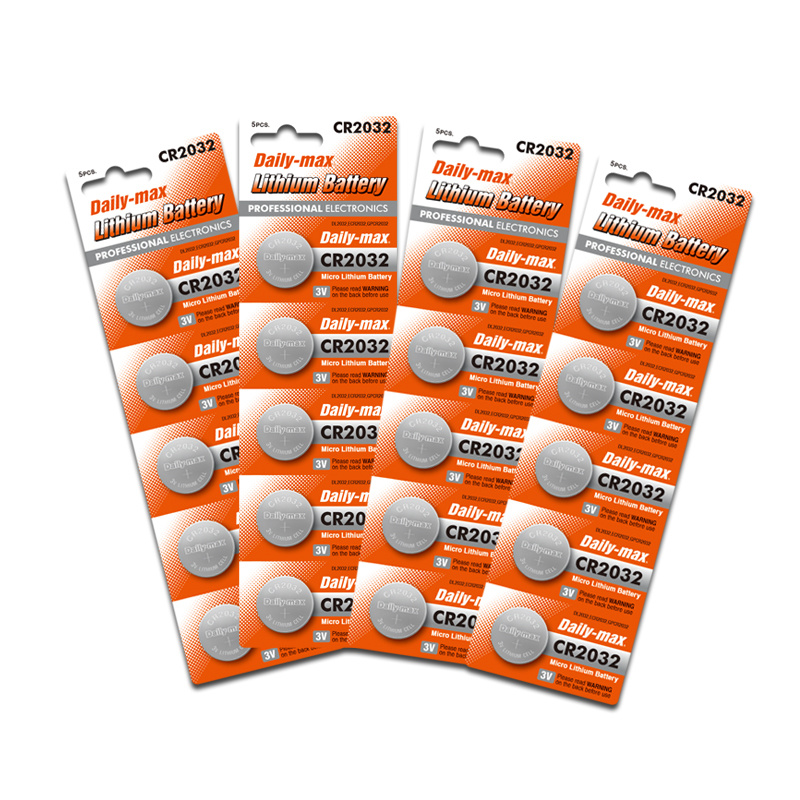 Business Outfit CR2032-5B Button Type Lithium Manganese BatteryDetailed DescriptionView Product →
For procurement teams, the cleanest rule is to qualify one chemistry per device family, standardize packaging around how the product is actually sold, retail card or industrial shrink, and only then compare factory quotes on price, certification and lead time.
Frequently Asked Questions
Can you mix lithium and alkaline batteries in one device?
No. The two chemistries have different voltages and discharge curves, so the weakest cell limits the whole set and the alkaline cells can be driven into reversal or leakage. Always replace all cells in a device with the same chemistry, brand and age.
Are all lithium batteries rechargeable?
No. Lithium primary cells, including CR coin cells and Li-FeS2 cylinders, are single-use. Rechargeable lithium-ion is a different system with different voltage, charging hardware and safety rules. Check the marking: a CR prefix means a 3 V primary cell, not a rechargeable pack.
Which battery type is less likely to leak?
Lithium primaries leak far less often. Alkaline cells can push out potassium hydroxide after deep discharge or after sitting inside a device for years, which corrodes contacts. For irreplaceable electronics and long-service devices, lithium is the lower-risk choice.
Which type lasts longer in storage?
Lithium primaries typically carry 15 to 20 year shelf life ratings with about 1 percent annual self-discharge, against up to 10 years for premium alkaline. For emergency devices you rarely open, the extra cost of lithium buys real insurance.