

 English
 中文简体
中文简体 русский
 Español
 عربى
عربىA digital camera fed on alkaline AAs can sag from full to empty in a single afternoon of shooting, while the same pair of cells in a TV remote will quietly run for two years. That gap sits at the center of one of the most common questions battery buyers ask: can you use alkaline batteries instead of lithium? The workable answer is narrower than most people expect. Same-size cells with the same nominal voltage are usually interchangeable; different voltage or a different form factor never is. Everything beyond that - runtime, cold weather, leakage risk - is a trade-off you can measure and price.
Match the size code and the nominal voltage first. AA alkaline and AA lithium primary share 1.5 V and swap freely; 3 V CR cells and 3.7 V lithium-ion never do.
Can You Use Alkaline Batteries Instead of Lithium? The Short Answer
Yes, you can use alkaline batteries instead of lithium in nearly every device that takes standard 1.5 V AA or AAA cells, and no, you cannot where equipment is built around a 3 V CR-type cell or a 3.7 V rechargeable pack. When a manual says lithium recommended, that phrasing describes performance - longer runtime, better cold tolerance, lower weight - not electrical incompatibility. An alkaline AA fits the same bay, delivers the same nominal voltage, and runs the device; it simply runs it for less time under stress. Because both chemistries are produced in volume by primary-battery specialists such as Anyida Power, the choice is genuinely yours to make on cost and runtime grounds.
Swap with confidence
- TV remotes and set-top boxes
- Wireless keyboards and computer mice
- Wall clocks, kitchen timers and toys
- Indoor LED torches used occasionally
Never substitute alkaline
- Devices built around 3 V CR123A cells
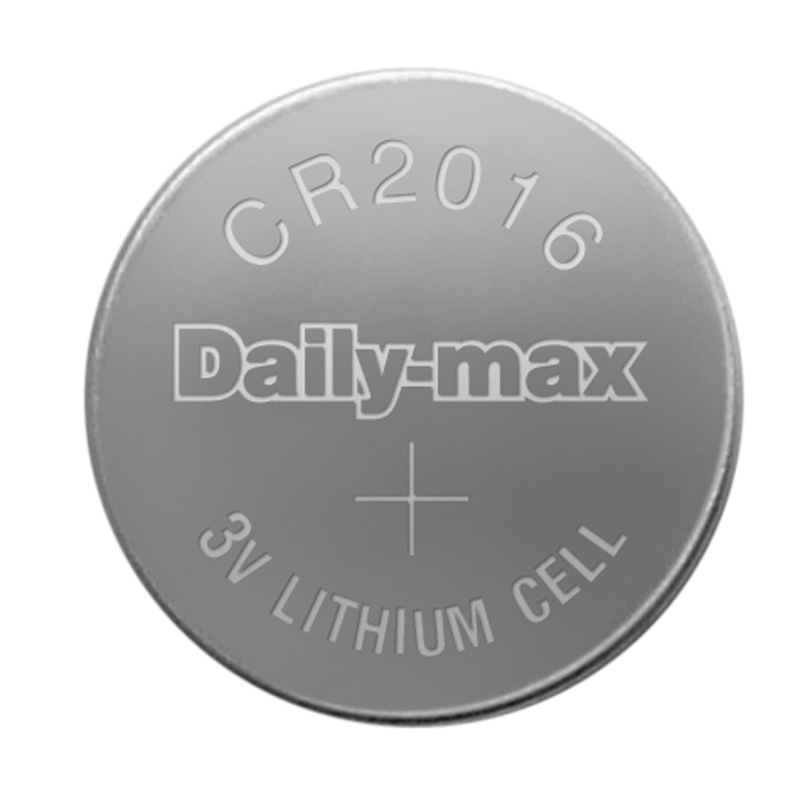
- Key fobs and calculators on CR2032 coin cells
- Any battery bay marked 3.7 V lithium-ion
- Multi-cell packs that would mix chemistries
Rule of thumb: match the size code printed on the old cell, then match the voltage printed inside the battery bay. Chemistry is only the third check.
Voltage and Cell Shape Decide the Swap Before Performance Does
Voltage and physical dimensions settle the substitution question before capacity, brand or price ever enters it. A cell that does not fit the bay is not an alternative, and a cell whose voltage is wrong can damage the device even when it connects cleanly.
Nominal voltage is the reference voltage a cell is designed to deliver through most of its discharge. AA alkaline and AA lithium primary cells both sit at 1.5 V; CR-series lithium manganese coin cells deliver 3 V; lithium-ion cells deliver 3.7 V. Only bays rated for 1.5 V accept both alkaline and lithium primary AAs.
| Specification | Alkaline AA (LR6) | Lithium primary AA (Li-FeS2) | Lithium-ion 14500 |
| Nominal voltage | 1.5 V | 1.5 V | 3.7 V |
| Typical capacity | 2,000 to 3,000 mAh at low drain | 3,000 to 3,500 mAh | 600 to 1,000 mAh |
| Behavior at high drain | Voltage sags below 1.2 V early | Holds near 1.5 V under load | Strong, with protection circuit |
| Cold-weather floor | Weak below 0 C | Rated to -40 C | Chemistry dependent |
| Shelf life | 5 to 10 years | 10 to 20 years | Measured in charge cycles |
| AA-cell weight | About 23 g | About 15 g | About 20 g |
| Leakage risk | Possible when deeply discharged | Rare | Possible when abused |
| Relative cost per cell | Baseline | 3x to 5x higher | Higher, plus a charger |
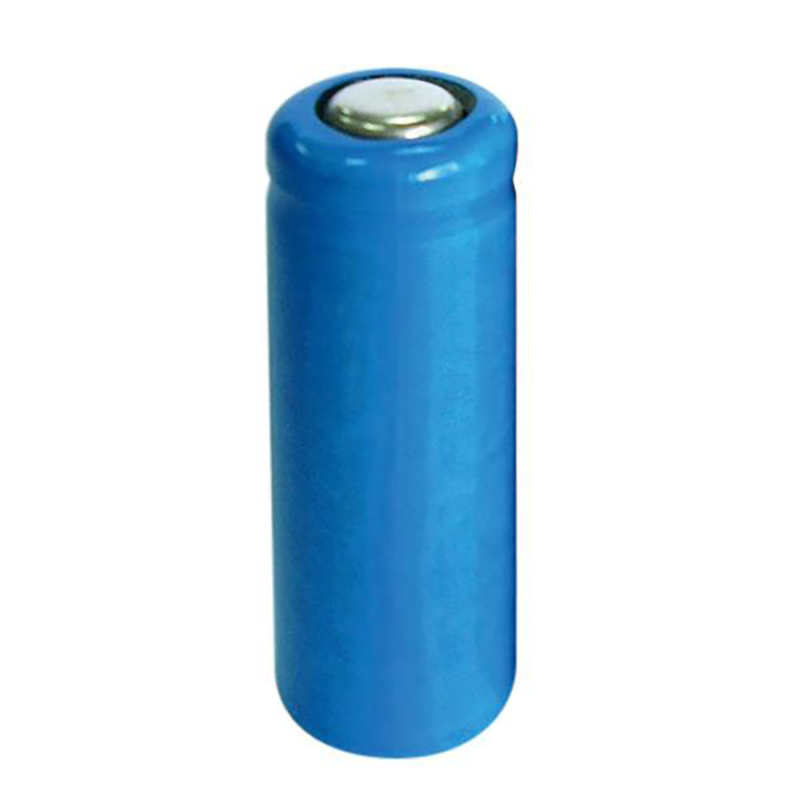
The last column is the trap. A 3.7 V lithium-ion 14500 cell matches an AA in diameter and length, but pushing one into a 1.5 V circuit can destroy the electronics the moment it makes contact. The same logic applies at the small end: an LR44 alkaline button cell and a CR2032 lithium coin cell serve entirely different circuits, differing in both voltage and diameter. Alkaline output also falls steadily from about 1.6 V toward 1.0 V as it discharges - a curve we chart cell by cell in our guide to standard alkaline discharge and shelf life.
Performance Trade-Offs: Cold Weather, High Drain and Leakage
At room temperature in low-drain equipment, an alkaline cell behaves so much like a lithium one that most users never notice the difference; in freezing conditions or under heavy current, alkaline gives up a large share of its rated capacity.
Cold is the sharpest divider. Below freezing, the electrolyte inside an alkaline cell thickens and internal resistance climbs, so a trail camera or door lock that ran all autumn can die within weeks of the first frost. Lithium primary cells keep working down to -40 C, which is why outdoor sensors, GPS trackers and emergency kits specify them by name. High drain is the second divider: draw half an amp or more and alkaline voltage collapses below the level many devices treat as empty, which is why a camera that consumes an alkaline set in an afternoon can run for several sessions on lithium.
Leakage is the hidden service cost. Alkaline cells that are deeply discharged or left inside unused equipment can leak potassium hydroxide and corrode contacts; lithium primary cells rarely do. For anything you plan to install and forget, that difference alone can justify the lithium premium.
Moderate-drain D-cell equipment is the practical exception. Lithium primaries were never produced at scale in D size, so lanterns, radios and metering gear that run on D cells default to alkaline anyway. A business-pack D LR20 delivers weeks of runtime at a fraction of specialty pricing.
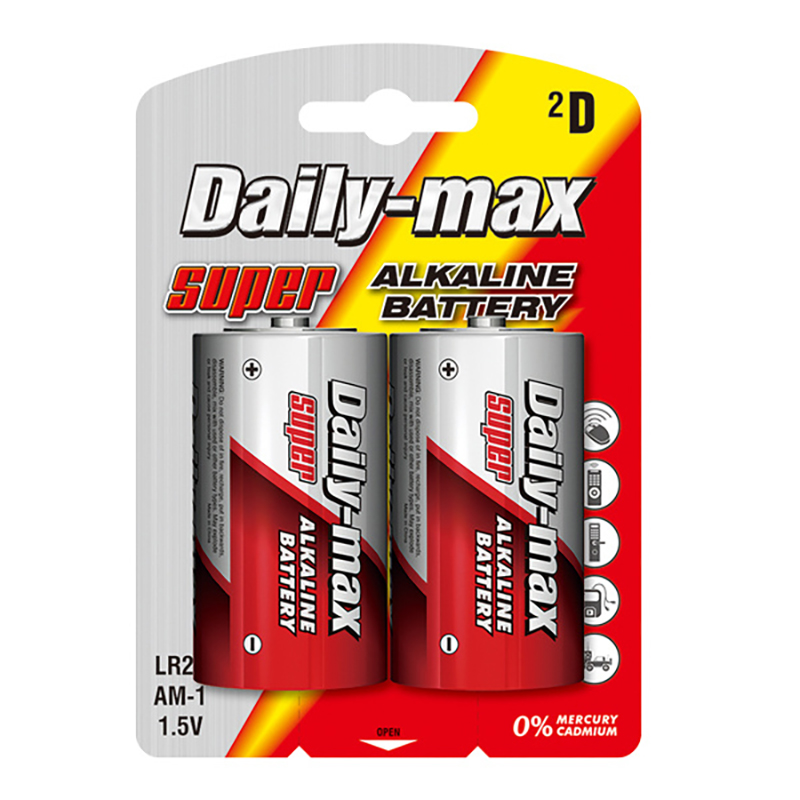 D LR20-2B Business Alkaline BatteryDetailed DescriptionView Product →
Where Choosing Alkaline Instead of Lithium Makes Sense
When a device draws little current, lives at room temperature and gets serviced on a schedule, alkaline wins on total cost of ownership, often by a wide margin. Three questions settle it:
- Does the device draw modest current - remotes, clocks and keyboards pull milliamps, not amps?
- Does it operate indoors, away from freezing temperatures?
- Is it checked or serviced at least once a year?
Three yes answers make alkaline the rational pick. A lithium AA costs three to five times as much as a quality alkaline, yet in a device that sips microamps the runtime advantage shrinks from years to months. Scaled across a few hundred units - a property portfolio, a service fleet, a retail chain - the arithmetic decides itself, and experienced buyers qualify both chemistries so each device gets the economical cell.
The cheapest battery per year is the one matched to the job, not the one with the longest datasheet.
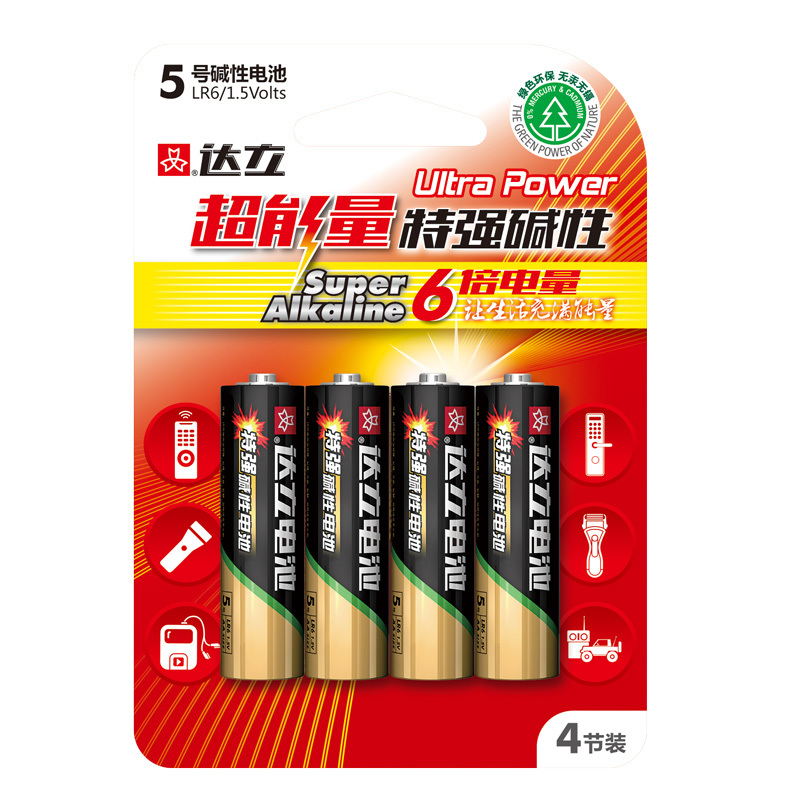
For carded retail packs and shrink-wrapped industrial formats from AAA through 9V, the AA LR6 4B business pack below is the workhorse most procurement teams start with.
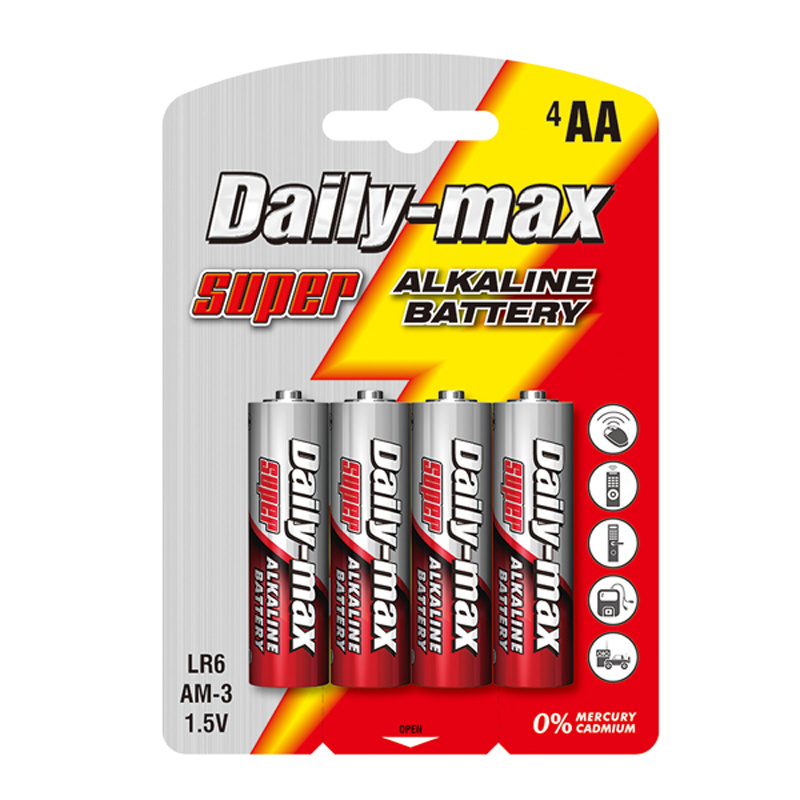 AA LR6-4B Business Alkaline BatteryDetailed DescriptionView Product →
Smoke Alarms and Safety Devices: Let the Manual Decide
A smoke or carbon monoxide alarm is the one household device where you should never improvise: the manufacturer's manual, not general battery wisdom, names the approved chemistry and size.
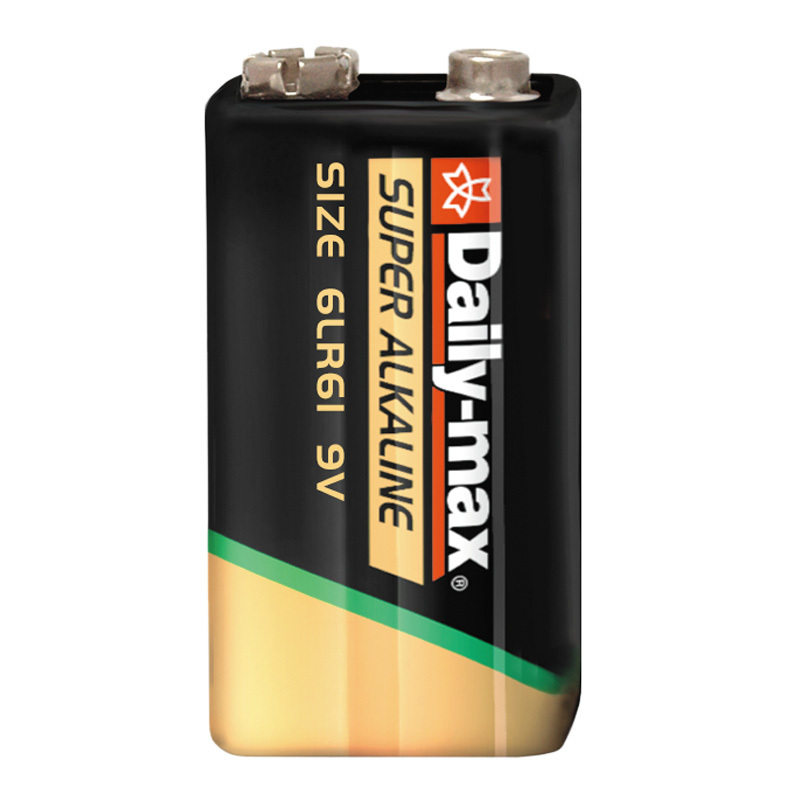
Most 9V-powered alarms are specified for alkaline or carbon-zinc 9V batteries, and a steady supply of them keeps an annual replacement cycle simple. Newer models increasingly ship with sealed 10-year lithium power sources that are replaced with the unit itself, not by the user. Whichever family your device belongs to, the risks of improvising are the same: altered low-battery chirp timing, shortened service intervals and, in mixed-cell situations, leakage around the terminals.
Three rules for safety devices: install only the chemistry listed in the manual, never mix old and new cells or two chemistries, and test the alarm monthly with a calendar reminder for annual battery replacement.
For facilities teams maintaining dozens or hundreds of alarms on that cycle, consistency and certification matter more than headline chemistry - which is exactly the job of a dedicated business-pack 9V alkaline.
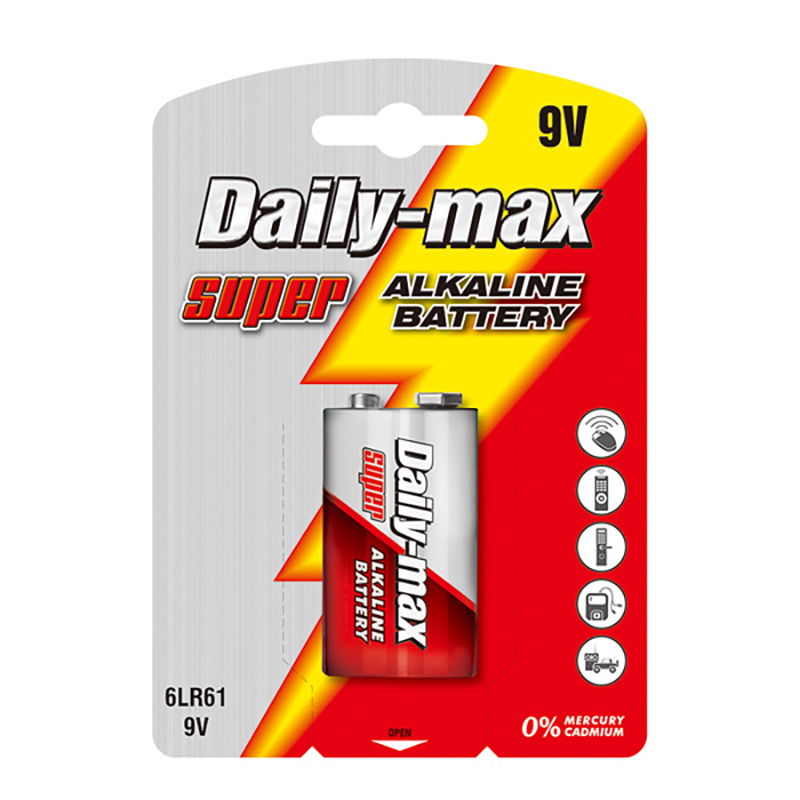 9V 6LR61-B Business Alkaline BatteryDetailed DescriptionView Product →
Frequently Asked Questions
When in doubt, match the voltage printed in the battery bay and the size code on the old cell before comparing chemistries at all.
Can you use alkaline batteries instead of lithium in a digital camera?
Physically yes - an alkaline AA fits and powers the camera - but expect far fewer shots per set. Under high drain, alkaline voltage sags below the camera's cut-off long before the cell is chemically empty, so frequent shooters get better value from lithium primary or rechargeable NiMH cells.
What happens if I put alkaline batteries in a device made for CR2032 lithium coin cells?
Usually nothing useful. Alkaline button cells such as LR44 deliver 1.5 V instead of 3 V and come in different diameters, so the device may fail to power on, reset constantly or not close properly. Always match the exact code printed on the original cell.
Can I mix alkaline and lithium batteries in the same device?
No. Different discharge curves force the weaker chemistry to work harder, which invites leakage, reversed charging in series strings and unpredictable low-battery behavior. Replace the complete set with one chemistry at a time.
Do alkaline batteries really last up to 10 years in storage?
Premium alkaline cells carry shelf-life ratings of five to ten years when stored cool and dry, while lithium primaries rate ten to twenty. For household rotation both are generous; for remote emergency caches, lithium's longer window and cold tolerance justify its higher price.