

 English
 中文简体
中文简体 русский
 Español
 عربى
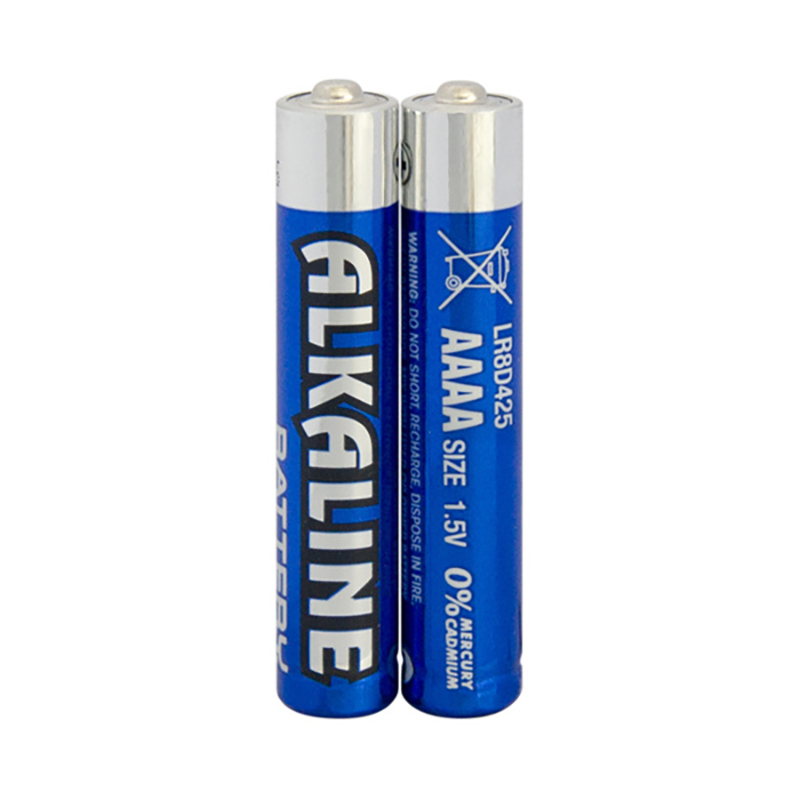
عربىIn modern daily life, batteries have become an essential source of energy. From remote controls and wall clocks to portable electronic devices and various small household appliances, stable and reliable power support is indispensable. Among many types of batteries, the Alkaline Primary Battery plays an important role due to its stability, long shelf life, and balanced overall performance.
Although it is widely used, many people only recognize it as a "standard dry battery" and are unaware of its internal structure, working principles, and key usage considerations. In reality, the Alkaline Primary Battery is based on a well-developed electrochemical system with efficient design logic.
This article provides a systematic explanation of the Alkaline Primary Battery, covering its working principles, performance advantages, lifespan characteristics, safety issues, and practical applications.
1. What Is an Alkaline Primary Battery?
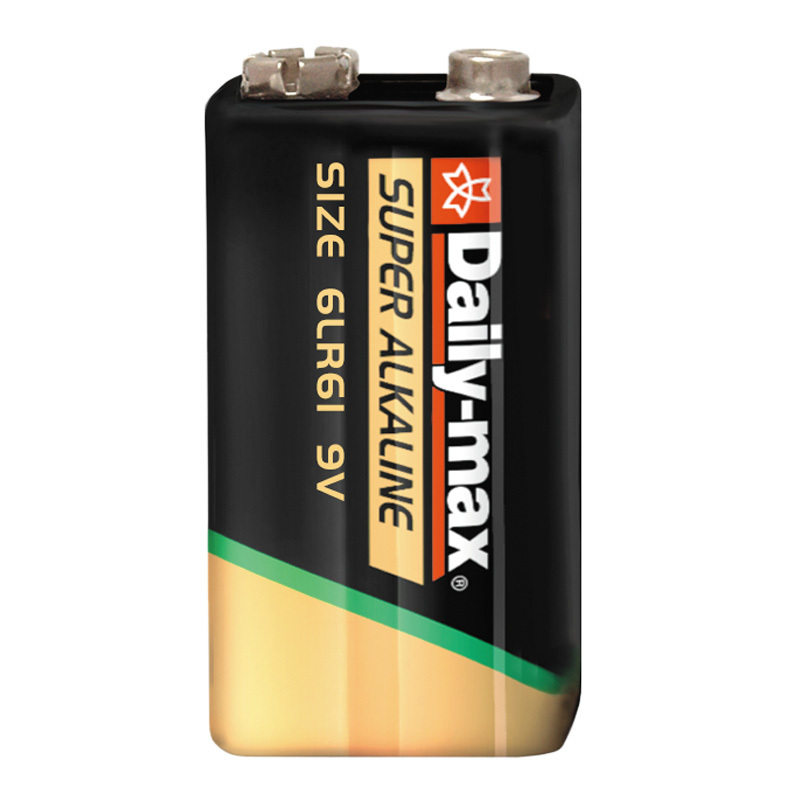
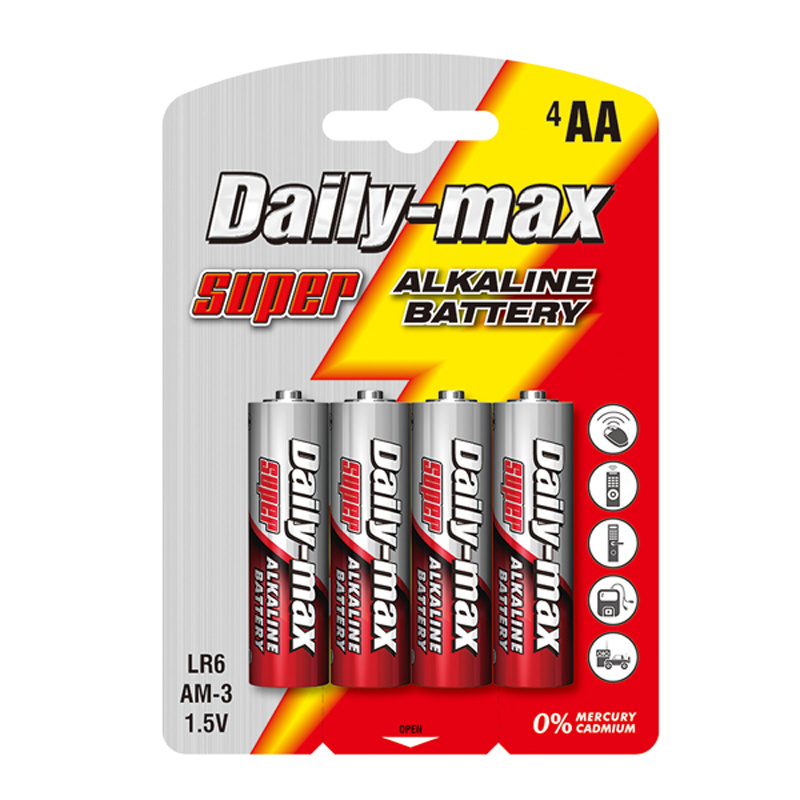
An Alkaline Primary Battery is a non-rechargeable battery designed for single-use discharge. The term "primary battery" indicates that it is intended for one-time energy output rather than repeated charging cycles.
Although its appearance is similar to traditional dry batteries, it uses an alkaline electrolyte system, which is why it is called an alkaline battery. This structure allows it to deliver higher energy output and maintain a more stable discharge curve.
It is commonly used in medium- and low-power devices such as clocks, remote controls, toys, flashlights, and wireless peripherals, where stable long-term energy delivery is more important than high peak power.
2. Chemical Composition and Working Principle of Alkaline Primary Battery
To understand the performance of the Alkaline Primary Battery, it is necessary to examine its internal chemical system.
The battery typically consists of three main components: the anode, cathode, and alkaline electrolyte. The anode is usually zinc powder, while the cathode is manganese dioxide. The electrolyte is commonly potassium hydroxide.
When the battery operates, a redox reaction occurs. Zinc at the anode is oxidized and releases electrons, while manganese dioxide at the cathode is reduced by accepting electrons. The electrons flow through the external circuit, generating electric current.
Compared with zinc-carbon batteries, the Alkaline Primary Battery provides a more stable voltage output due to improved reaction uniformity and higher ionic conductivity. This stability is crucial for electronic devices that require consistent power.
3. Key Advantages of Alkaline Primary Battery
The widespread use of the Alkaline Primary Battery is closely related to its performance advantages.
One of its most important advantages is its high energy density, which allows it to store more energy in the same volume and provide longer usage time.
It also has excellent storage performance. When unused, it can be stored for years without significant degradation, making it suitable for emergency backup use.
In addition, it offers broad compatibility with various devices, especially those with low to medium power requirements. While it is not ideal for extremely high-drain continuous applications, it performs reliably in most daily scenarios.
Another advantage is its relatively high safety level. Under normal conditions, the chemical system is stable and unlikely to produce violent reactions.
4. Shelf Life and Storage Characteristics
The Alkaline Primary Battery has a relatively long shelf life under proper conditions.
In ideal environments—cool, dry, and away from direct sunlight—it can be stored for several years while maintaining usability.
However, environmental conditions significantly affect performance. High temperatures accelerate internal chemical reactions, leading to gradual energy loss even when not in use. Humidity may also affect sealing performance.
Over time, natural self-discharge occurs, but the process is relatively slow compared to other battery types.
5. Causes and Risks of Alkaline Battery Leakage
Although generally safe, the Alkaline Primary Battery may still leak under certain conditions.
One common cause is deep discharge. When the battery is completely drained and continues to be used, internal imbalance may lead to gas buildup and casing pressure, resulting in leakage.
Another cause is long-term storage inside devices. Even when not in active use, small currents may cause gradual degradation over time.
High temperatures can also accelerate leakage risk by expanding internal electrolyte materials.
Leaked alkaline electrolyte is corrosive and may damage electronic components. Therefore, batteries showing swelling or leakage should be removed immediately.
6. Alkaline Battery vs Zinc Carbon Battery
Before the widespread adoption of alkaline technology, zinc-carbon batteries were commonly used. However, the Alkaline Primary Battery now offers significant improvements.
In terms of energy output, alkaline batteries provide higher capacity and longer usage time.
They also offer more stable voltage output, which ensures consistent device performance during discharge.
Zinc-carbon batteries are typically used for low-cost, low-power, short-term applications, while alkaline batteries are better suited for long-term and stable usage scenarios.
7. Proper Usage and Storage Recommendations
To maximize performance and safety, proper handling of the Alkaline Primary Battery is essential.
Mixing old and new batteries should be avoided, as uneven discharge levels can reduce efficiency and increase leakage risk.
For devices not used for long periods, batteries should be removed to prevent gradual energy loss or damage.
Storage conditions should remain dry and cool, avoiding high temperatures that may affect chemical stability.
If abnormal heating or reduced runtime is observed, the battery should be inspected and replaced if necessary.
8. Application Scenarios of Alkaline Primary Battery
The Alkaline Primary Battery is widely used across many everyday applications.
In household environments, it powers remote controls, wall clocks, and small lighting devices. In office settings, it is commonly used in wireless keyboards and mice.
It is also frequently used as a backup energy source in emergencies due to its long shelf life and reliable performance.
Its versatility comes from its stable output and ability to maintain energy over long periods without maintenance.
9. Conclusion
The Alkaline Primary Battery is a mature and reliable energy solution widely used in modern life. It provides stable power output, long storage life, and broad application compatibility.
Although it cannot be recharged, it remains one of the most practical battery solutions for everyday use.
Understanding its working principles, advantages, and limitations helps users make better decisions, improve device performance, and reduce unnecessary risks.