

 English
 中文简体
中文简体 русский
 Español
 عربى
عربىIn today's rapidly evolving energy landscape, rechargeable technologies and advanced power systems are gaining significant attention. However, alkaline primary battery technology continues to maintain a strong position in both consumer and industrial markets. Despite the rise of lithium-based rechargeable solutions, primary source batteries still play a critical role in powering essential devices that require reliability, simplicity, and long shelf life.
Alkaline primary batteries are widely used in everyday electronics, industrial equipment, and safety systems due to their stable voltage output, cost efficiency, and long-lasting performance. As global demand for portable energy continues to grow, the relevance of alkaline battery technology remains strong, especially in applications where rechargeable systems are not practical.
Primary source batteries, including alkaline types, are defined by their non-rechargeable nature. Once discharged, they are replaced rather than recharged, making them highly suitable for low-maintenance and long-term deployment environments.
What Are Alkaline Primary Batteries?
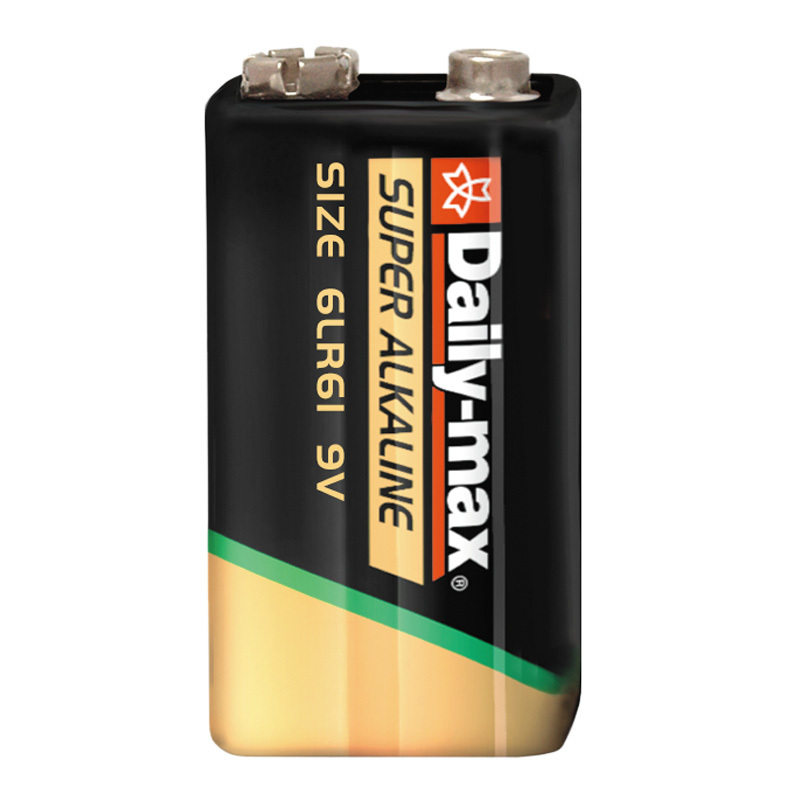
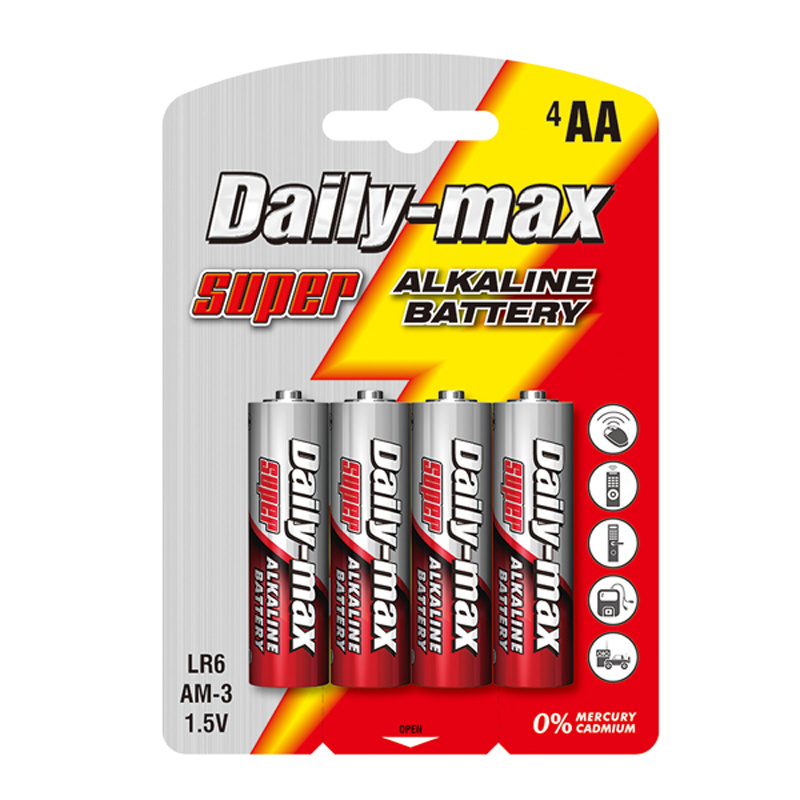
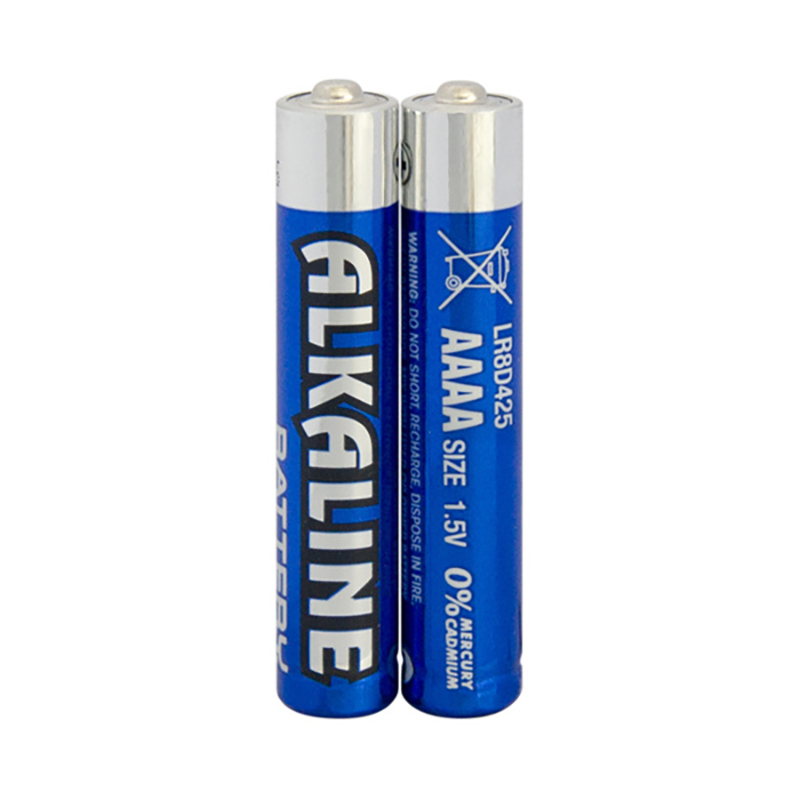
An alkaline primary battery is a non-rechargeable electrochemical power source that uses zinc and manganese dioxide as its primary reactive materials, combined with an alkaline electrolyte solution. These batteries are designed to deliver stable energy output over extended periods, making them one of the most widely used primary source batteries globally.
Their internal structure is optimized for efficient chemical reactions and consistent voltage delivery throughout the discharge cycle.
Key Components of an Alkaline Primary Battery
| Component | Function | Performance Contribution |
|---|---|---|
| Zinc Anode | Releases electrons during reaction | High energy generation |
| Manganese Dioxide Cathode | Accepts electrons | Stable discharge performance |
| Alkaline Electrolyte | Facilitates ion movement | Improved conductivity |
| Steel Casing | Provides structural integrity | Safety and durability |
| Separator Layer | Prevents internal short circuits | Reliable operation |
The combination of these components allows alkaline primary battery systems to deliver reliable energy output for a wide range of devices.
Why Are Alkaline Primary Batteries Preferred for Everyday Devices?
One of the primary reasons alkaline primary battery technology remains dominant is its ability to provide consistent and maintenance-free power for common electronic devices.
These batteries are widely used in:
- Remote controls
- Wireless keyboards and mice
- Flashlights
- Wall clocks
- Smoke detectors
- Portable audio devices
Key Advantages
Alkaline primary batteries offer several important benefits:
- Long lasting alkaline battery performance ensures extended operational time
- Stable voltage output supports sensitive electronic components
- Non rechargeable alkaline battery design eliminates charging requirements
- Cost-effective production enables widespread usage
- Long shelf life supports emergency readiness
These advantages make alkaline battery systems highly suitable for both household and professional environments where reliability is essential.
How Do Alkaline Primary Batteries Maintain Stable Voltage Output?
Voltage stability is one of the most important performance characteristics of alkaline primary batteries. Unlike some alternative battery chemistries, alkaline systems are engineered to maintain a relatively consistent output voltage throughout most of their discharge cycle.
This stability is achieved through optimized chemical reactions and internal structural design.
Factors Influencing Stable Voltage Output
| Factor | Impact on Performance |
|---|---|
| Electrolyte Composition | Enhances ion mobility and reaction efficiency |
| Electrode Purity | Reduces internal energy loss |
| Separator Technology | Ensures consistent ion flow |
| Internal Resistance Control | Maintains steady voltage delivery |
| Cell Design Optimization | Improves overall efficiency |
High capacity alkaline battery designs further enhance these characteristics by increasing active material volume and improving energy density.
Stable voltage output is especially important for devices that require continuous and predictable energy supply, such as medical tools and precision electronics.
Why Are High Capacity Alkaline Batteries Becoming More Important?
Modern electronic devices demand increasingly higher energy output due to expanded functionality and continuous connectivity requirements. As a result, high capacity alkaline battery technology has become more important in both consumer and industrial applications.
These batteries are designed to deliver longer runtime and improved energy efficiency without compromising stability.
Application Areas
| Application | Power Demand Level | Battery Requirement |
|---|---|---|
| Medical Devices | High | Reliable continuous output |
| Security Systems | Medium to High | Long-term operation |
| Wireless Sensors | Medium | Stable voltage performance |
| Industrial Instruments | High | Extended runtime capability |
Industrial alkaline battery solutions are particularly important in environments where downtime must be minimized and maintenance access is limited.
Industrial Alkaline Batteries and Their Expanding Role
Industrial environments require power sources that are not only reliable but also durable under varying operating conditions. Industrial alkaline battery systems are increasingly used in logistics, manufacturing, automation, and infrastructure monitoring.
Their key advantages include:
- High reliability under continuous operation
- Resistance to temperature fluctuations
- Extended storage capability
- Low maintenance requirements
Professional alkaline battery solutions are often selected for equipment that operates in remote or difficult-to-access locations.
The demand for industrial alkaline battery technology continues to grow alongside industrial automation and IoT deployment trends.
How Leak Resistant Alkaline Batteries Improve Equipment Protection
Battery leakage is one of the primary concerns in long-term energy storage systems. Leakage can damage sensitive electronic components and reduce overall device lifespan. To address this issue, leak resistant alkaline battery designs have been developed with improved sealing and internal pressure management.
Leak Prevention Technologies
| Technology | Function |
|---|---|
| Reinforced Seal Design | Prevents electrolyte leakage |
| Corrosion-Resistant Materials | Extends structural integrity |
| Internal Pressure Control | Reduces risk of rupture |
| Precision Manufacturing | Ensures consistent quality |
These improvements significantly enhance the safety and reliability of alkaline primary battery systems, especially in long-term storage applications.
How Does Temperature Affect Alkaline Primary Battery Performance?
Environmental conditions have a direct impact on battery efficiency and lifespan. Alkaline primary battery performance can vary depending on temperature extremes.
At high temperatures, chemical reactions may accelerate, leading to faster discharge. At low temperatures, internal resistance may increase, reducing available power output.
Proper storage and usage conditions help maintain optimal performance and extend shelf life.
Performance Considerations
- High temperature environments may reduce long-term stability
- Low temperature environments may temporarily reduce capacity
- Controlled storage improves shelf life performance
- Industrial environments require temperature-resistant solutions
Alkaline battery manufacturers continuously optimize materials to improve temperature stability and reliability.
Alkaline Primary Batteries vs Other Primary Source Batteries
Primary source batteries include several chemistries, each with different performance characteristics. Alkaline primary batteries remain one of the most balanced solutions in terms of cost, performance, and availability.
Comparison of Primary Source Batteries
| Battery Type | Energy Density | Shelf Life | Cost Efficiency | Typical Applications |
|---|---|---|---|---|
| Alkaline Primary Battery | High | Long | High | Consumer & Industrial Devices |
| Zinc-Carbon Battery | Moderate | Moderate | Very High | Low-power Devices |
| Lithium Primary Battery | Very High | Very Long | Lower Cost Efficiency | Critical Equipment |
| Silver Oxide Battery | High | Long | Medium | Precision Electronics |
Among these, alkaline primary battery systems offer a strong balance between performance and affordability, making them suitable for mass-market applications.
Sustainability Trends in the Alkaline Battery Industry
As global environmental awareness increases, the alkaline battery industry is also evolving toward more sustainable production and usage practices. Manufacturers are focusing on improving material efficiency and reducing environmental impact.
Key developments include:
- Improved material utilization efficiency
- Reduced heavy metal content
- Enhanced recycling systems
- Lower environmental footprint manufacturing processes
These trends are shaping the future of primary source batteries and ensuring compliance with global environmental standards.
Conclusion
Alkaline primary battery technology continues to play a vital role in the global energy ecosystem, particularly in applications where reliability, simplicity, and cost efficiency are essential. Despite advancements in rechargeable technologies, primary source batteries remain indispensable for many industries.
The continued evolution of high capacity alkaline battery designs, leak resistant alkaline battery technologies, and industrial alkaline battery applications demonstrates that this technology is far from outdated.
As modern devices become more complex and energy-dependent, alkaline primary batteries will continue to provide stable voltage output, long shelf life, and dependable performance across both consumer and industrial sectors.
FAQ – Alkaline Primary Battery and Primary Source Batteries
1. What is an alkaline primary battery?
An alkaline primary battery is a non-rechargeable power source that uses zinc and manganese dioxide with an alkaline electrolyte. It is widely used in consumer and industrial devices due to its stable voltage output and long shelf life.
2. What are primary source batteries?
Primary source batteries refer to non-rechargeable batteries that are designed for single-use until fully discharged. They include alkaline primary battery, zinc-carbon batteries, lithium primary batteries, and other disposable chemistries.
3. Why are alkaline primary batteries so widely used?
They are widely used because they provide long lasting alkaline battery performance, stable voltage output, low maintenance requirements, and cost-effective energy delivery for everyday electronic devices.
4. How long does an alkaline primary battery last?
The lifespan depends on the device and usage conditions. In low-drain devices such as remote controls or clocks, alkaline primary batteries can last several months to several years.
5. What devices commonly use alkaline primary batteries?
Common applications include:
Remote controls
Wall clocks
Flashlights
Wireless keyboards
Smoke detectors
Portable electronics