

Send Inquiry

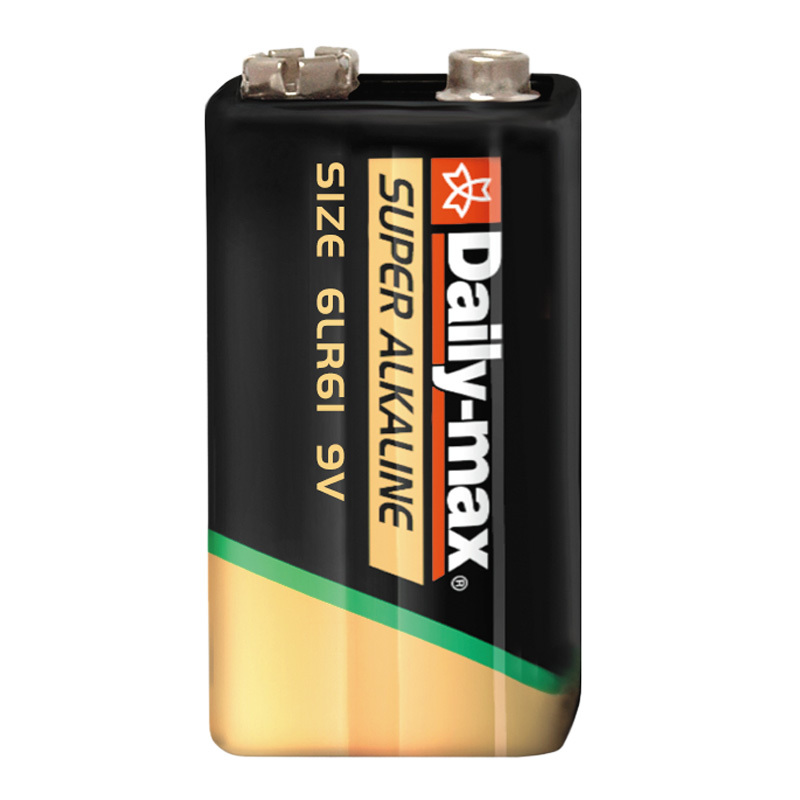
The 6LR61 Black Gold-1S Industrial Alkaline battery is a high-overall performance battery designed f...
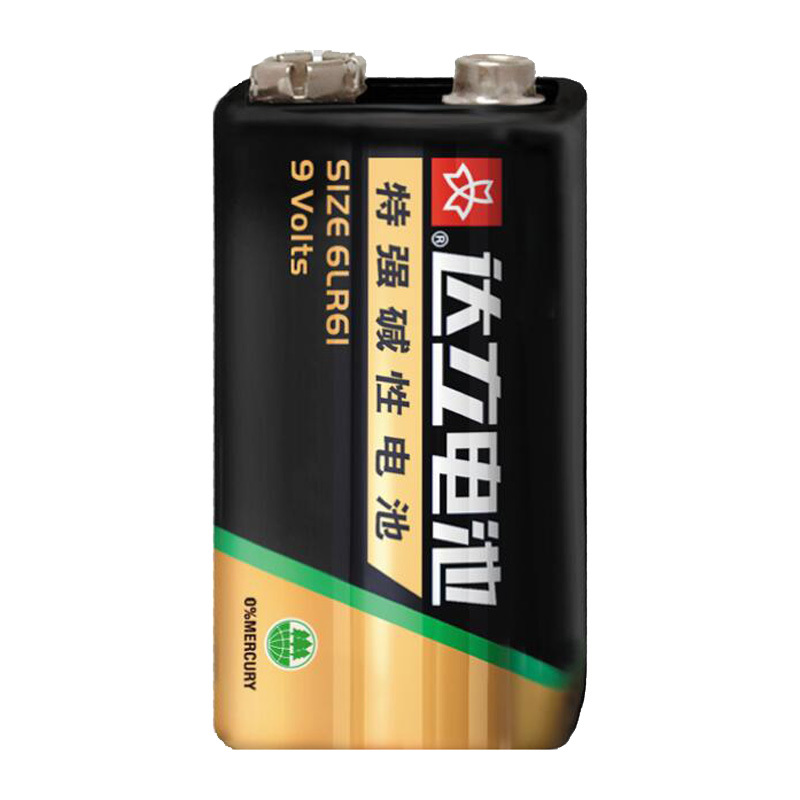
The 6LR61-1 shrink Industrial Alkaline battery is a compact and reliable electricity solution for bu...
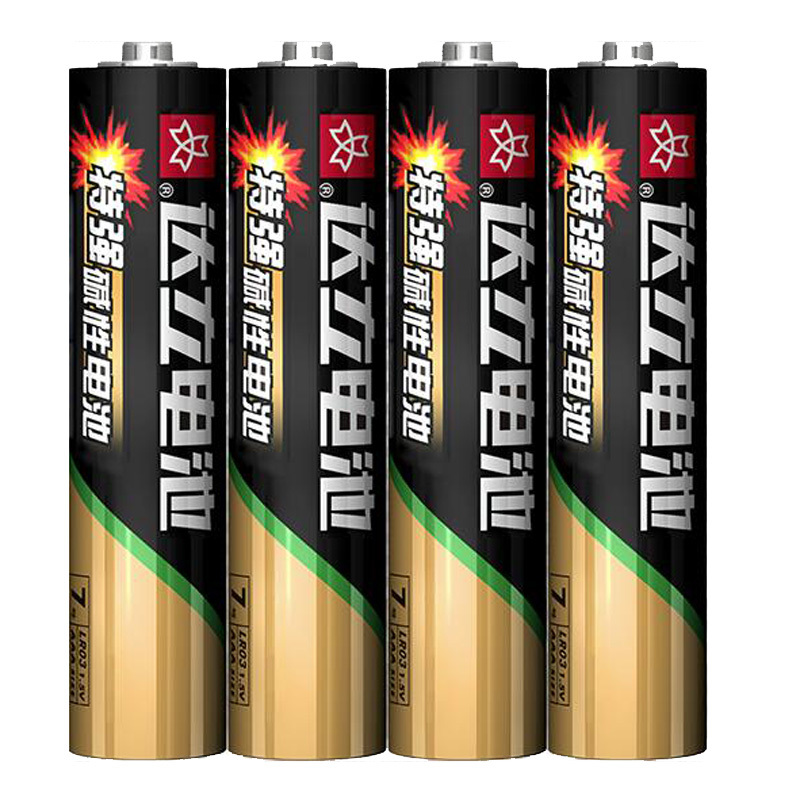
The LR03-4 shrink Industrial Alkaline battery is a fairly efficient and reliable strength solution d...
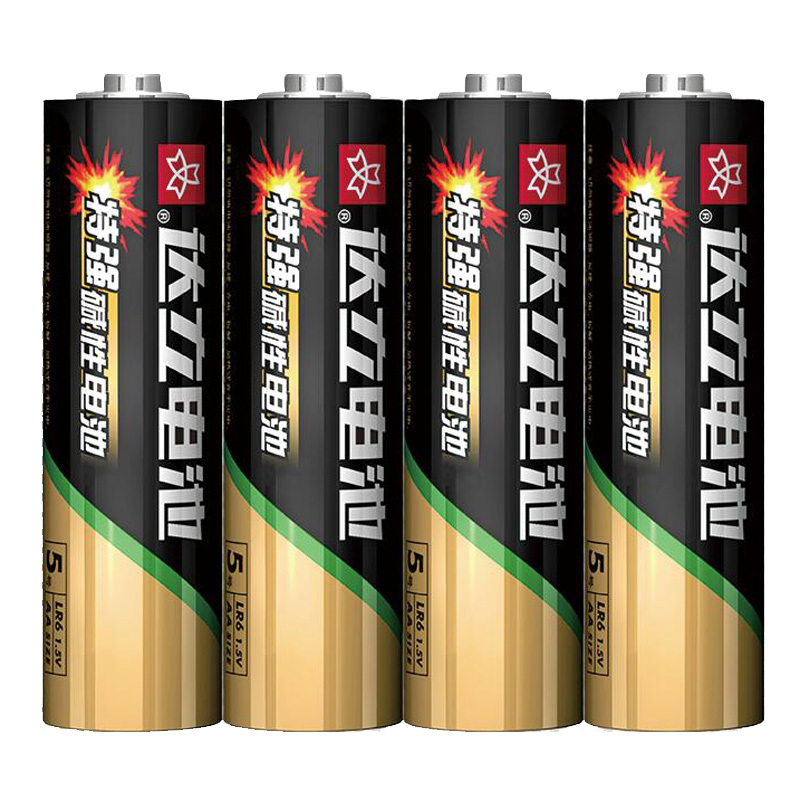
The LR6-4 shrink Industrial Alkaline battery is a dependable and versatile strength answer specifica...
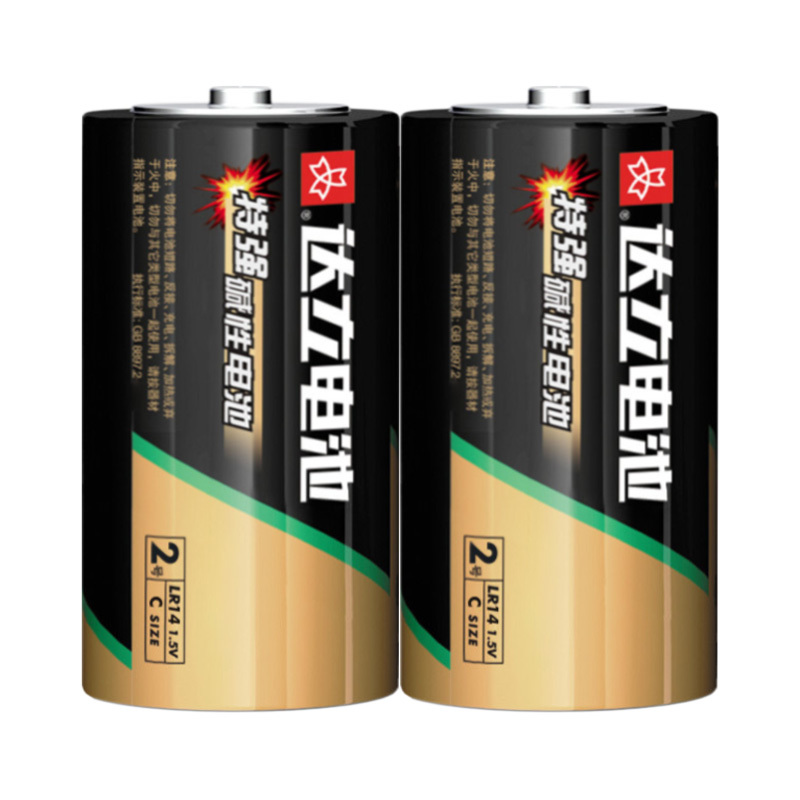
The LR14-2 shrink Industrial Alkaline battery is a high-quality and sturdy strength supply in partic...
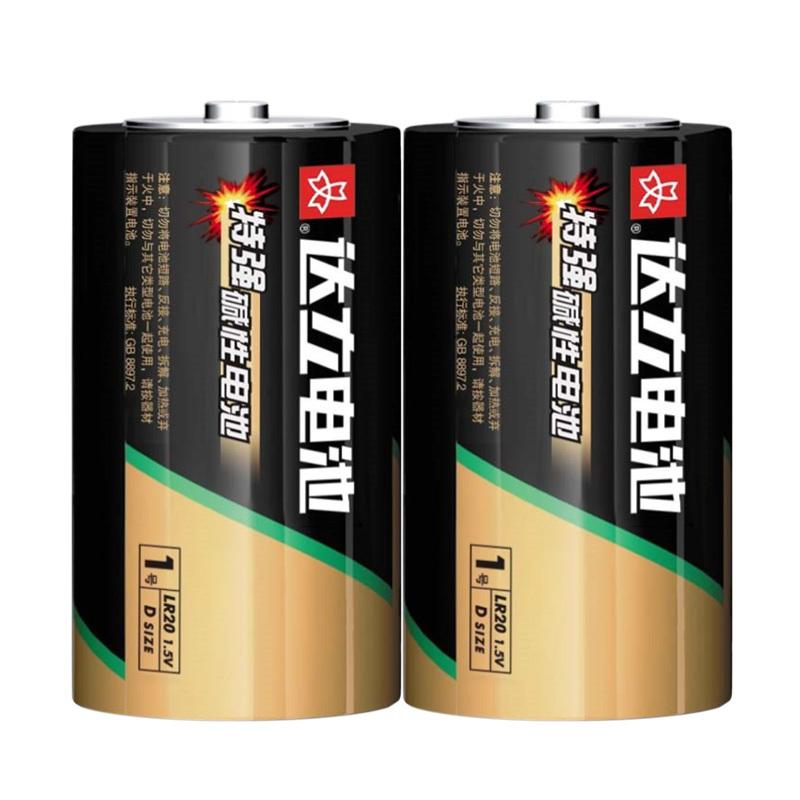
The LR14-2 shrink Industrial Alkaline battery is a high-quality and sturdy strength supply in partic...
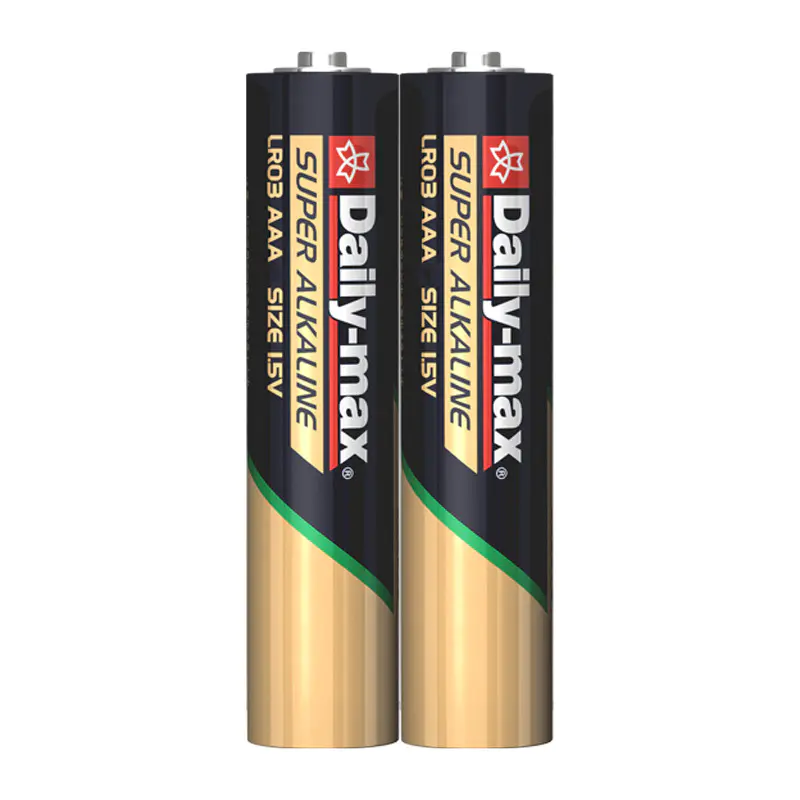
The LR03 Black Gold-2S Industrial Alkaline battery is a modern-day power solution particularly engin...
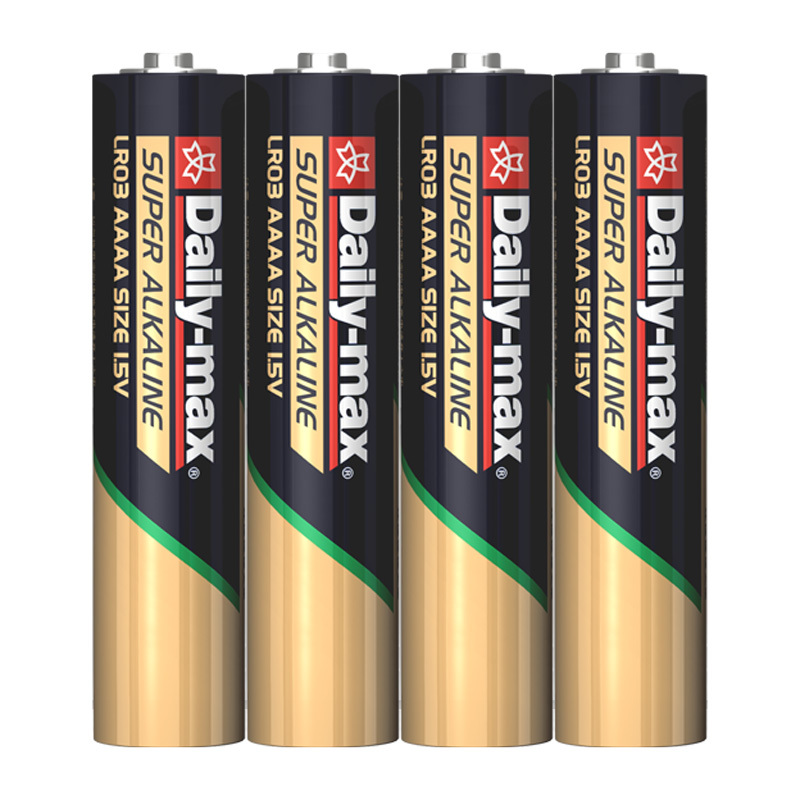
The LR03 Black Gold-4S Industrial Outfit Alkaline Battery is a among the strength source mainly ta...
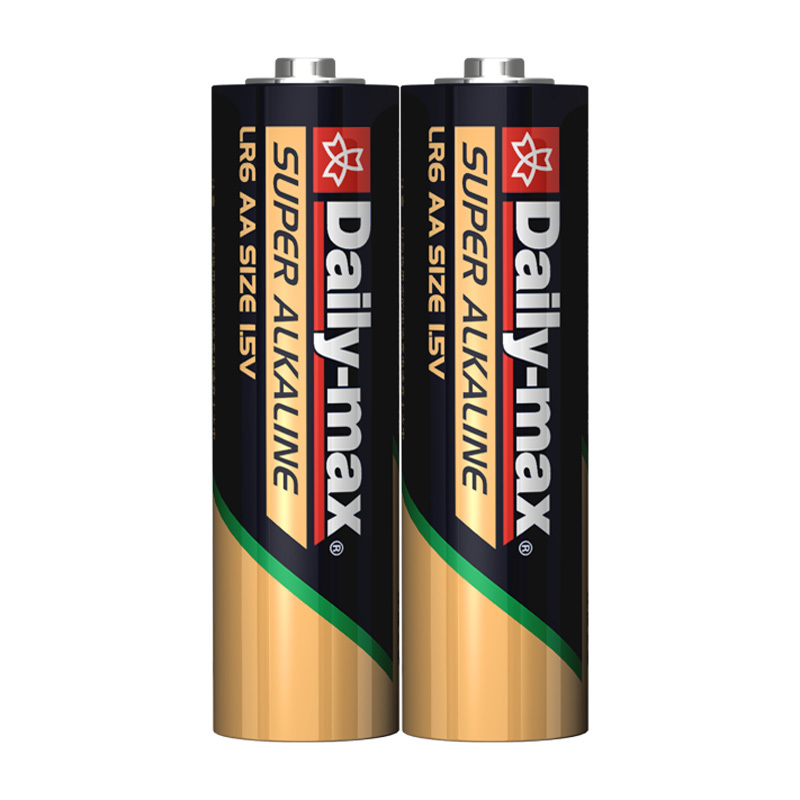
The LR6 Black Gold-2S Industrial Outfit Alkaline Battery is a splendid energy solution designed for ...
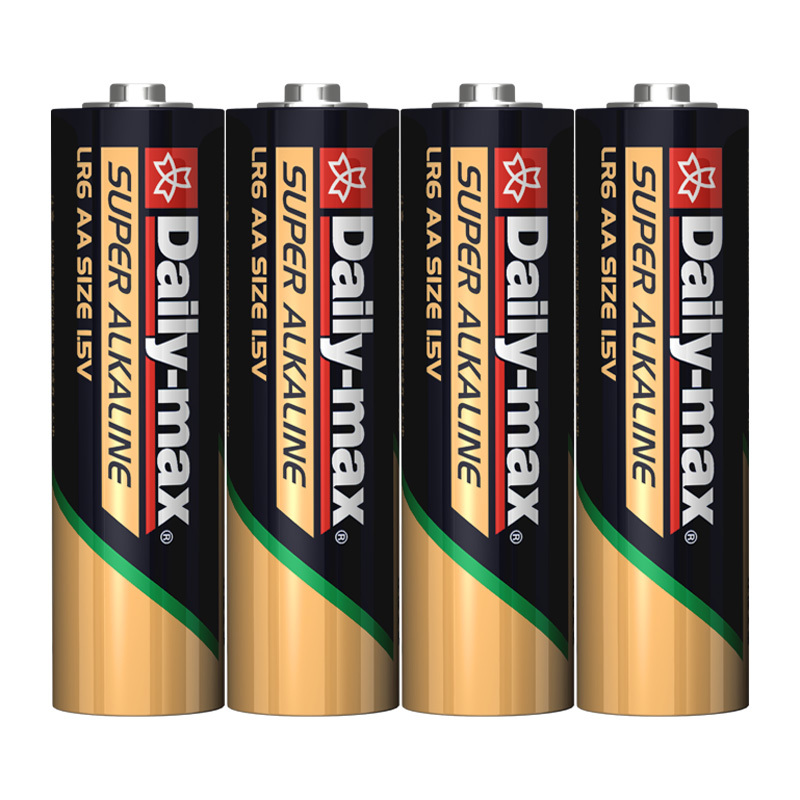
The LR6 Black Gold-4S Alkaline Battery is a reliable electricity source appropriate for various prog...
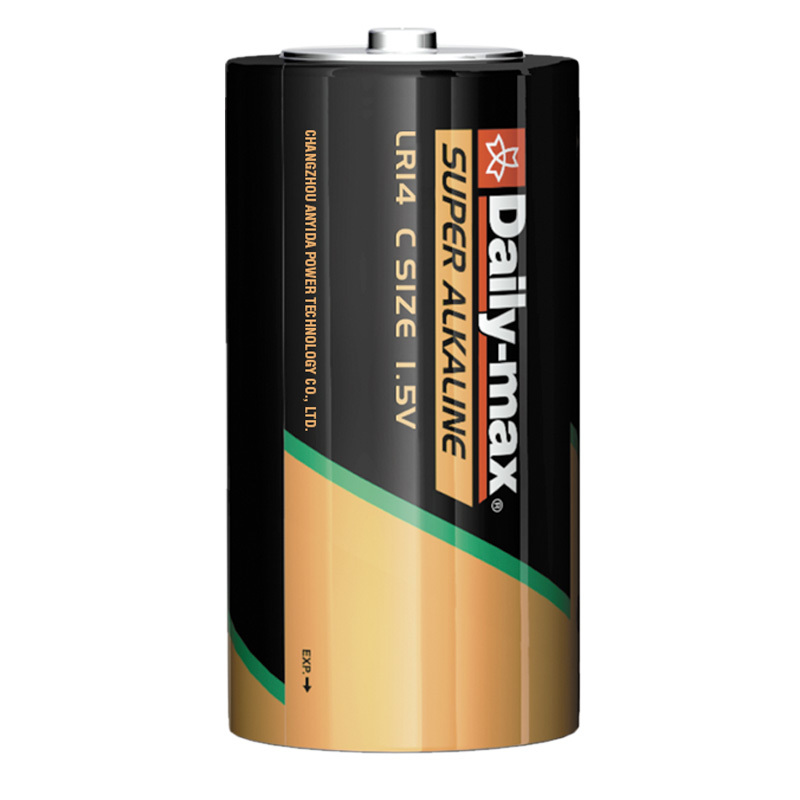
The LR14 Black Gold-1S Alkaline Battery is a high-performance electricity solution designed for a wi...

The LR14 Black Gold-2S Alkaline Battery is an exquisite electricity supply appropriate for diverse p...
-- Steady & Reliable Manufacturer --
Automotive key fobs have evolved from simple remote locking devices to complex systems incorporating passive entry, push-button start, and even vehicle health monitoring. These applications place significant demands on the battery, requiring high pulse currents for RF transmission combined with long-term standby performance for reliable operation over years of use.
Alkaline batteries, particularly in the 12V A23 and 3V CR2032 formats, are the standard power sources for automotive key fobs. Their ability to deliver high-current pulses for RF transmission while maintaining low self-discharge during extended standby periods makes them ideal for this application. The wide temperature tolerance ensures reliable operation across seasonal and geographic temperature variations.
For automotive OEMs, aftermarket suppliers, and fleet managers, understanding key fob battery specifications is essential for ensuring customer satisfaction and reducing service calls. The following specifications outline the critical parameters for batteries intended for automotive key fob applications.
| Parameter | Specification |
|---|---|
| Nominal Voltage | 12.0V (A23) / 3.0V (CR2032) |
| Chemistry System | Alkaline Manganese Dioxide (A23) / Lithium Manganese Dioxide (CR2032) |
| Typical Capacity (A23) | 55 mAh (under 10kΩ load to 6.0V) |
| Typical Capacity (CR2032) | 225 mAh (under 15kΩ load to 2.0V) |
| Pulse Current Capability (A23) | 800mA (intermittent, for RF transmission) |
| Pulse Current Capability (CR2032) | 15mA (intermittent, for RF transmission) |
| Internal Resistance (A23 fresh) | ≤ 10Ω (measured at 1kHz AC) |
| Internal Resistance (CR2032 fresh) | ≤ 30Ω (measured at 1kHz AC) |
| Operating Temperature Range | -20°C to +55°C |
| Recommended Storage Temperature | 10°C to 25°C (relative humidity ≤ 65%) |
| Annual Self-Discharge Rate | ≤ 2% (A23) / ≤ 1% (CR2032) at 20°C |
| Shelf Life (unused) | Up to 5 years (A23) / Up to 10 years (CR2032) |
| Leakage Resistance | Passed IEC 60086-5 leakage test |
| Dimensions (A23) | 10.3mm (dia.) × 28.5mm (h) ± 0.5mm |
| Dimensions (CR2032) | 20mm (dia.) × 3.2mm (h) ± 0.2mm |
| Regulatory Certifications | RoHS, REACH, CE, UL |
| Packaging Options | Blister pack, tape and reel, bulk tray |
| Parameter | A23 Alkaline | CR2032 Lithium |
|---|---|---|
| Nominal Voltage | 12V | 3V |
| Typical Capacity | 55 mAh | 225 mAh |
| Pulse Current | 800mA | 15mA |
| Shelf Life | 5 years | 10 years |
| Self-Discharge (annual) | ≤2% | ≤1% |
| Cost (per unit) | Low-Medium | Medium-High |
| Common Vehicle Types | Standard key fobs | Smart keys, passive entry |
Key fob battery life varies based on fob type and usage patterns:
Replace the battery when the vehicle displays a "key fob battery low" warning or when the operating range decreases significantly.
Common signs that a key fob battery needs replacement include:
Replace the battery as soon as these symptoms appear to avoid being locked out of the vehicle.
Yes, key fob battery replacement is typically a simple DIY procedure:
If you are not comfortable with the process, many automotive service centers and retailers offer battery replacement services.
Temperature significantly impacts key fob battery performance:
Quality batteries with wide temperature tolerance provide more consistent performance across seasonal variations.
Key fob batteries require attention to safety and reliability:
With these simple precautions, key fob batteries pose minimal safety risk in normal operation.

top

E-mail: [email protected]
E-mail: [email protected]

Phone: +86-13861108887
Phone: +86-13338792022

Address: Southern door, NO.1 East Road, Lou Xia Industrial Park, Rulin Town, Jintan District, Changzhou city, Jiangsu, China
QR code on
mobile phone
Copyright © Changzhou Strengh (Anyida) Power Technology Co., Ltd. All rights reserved.
Custom Primary Volt Batteries Suppliers
 English
 中文简体
 русский
 Español
 عربى