

Send Inquiry

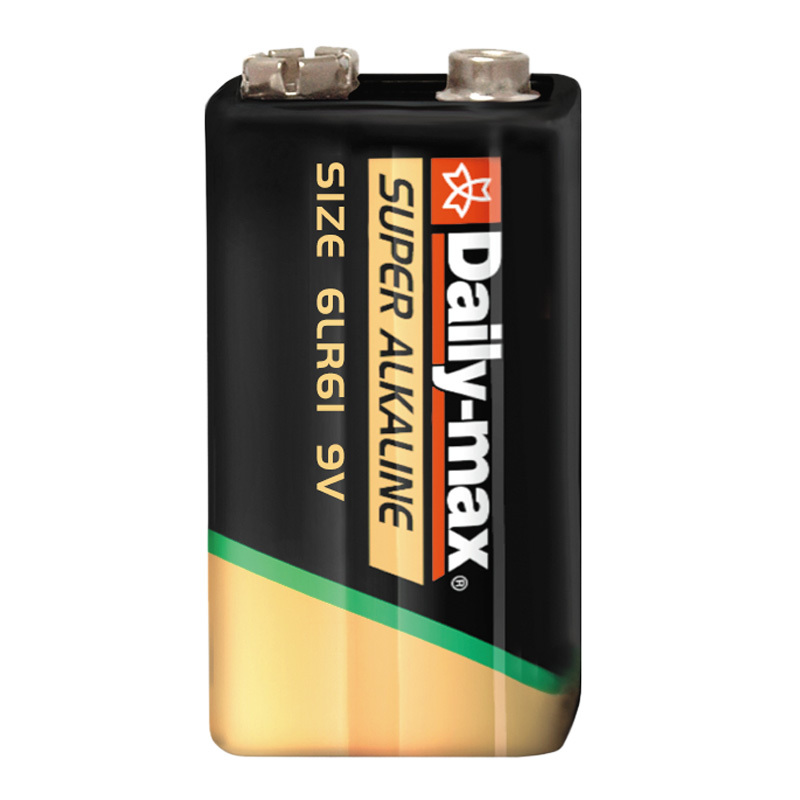
The 6LR61 Black Gold-1S Industrial Alkaline battery is a high-overall performance battery designed f...
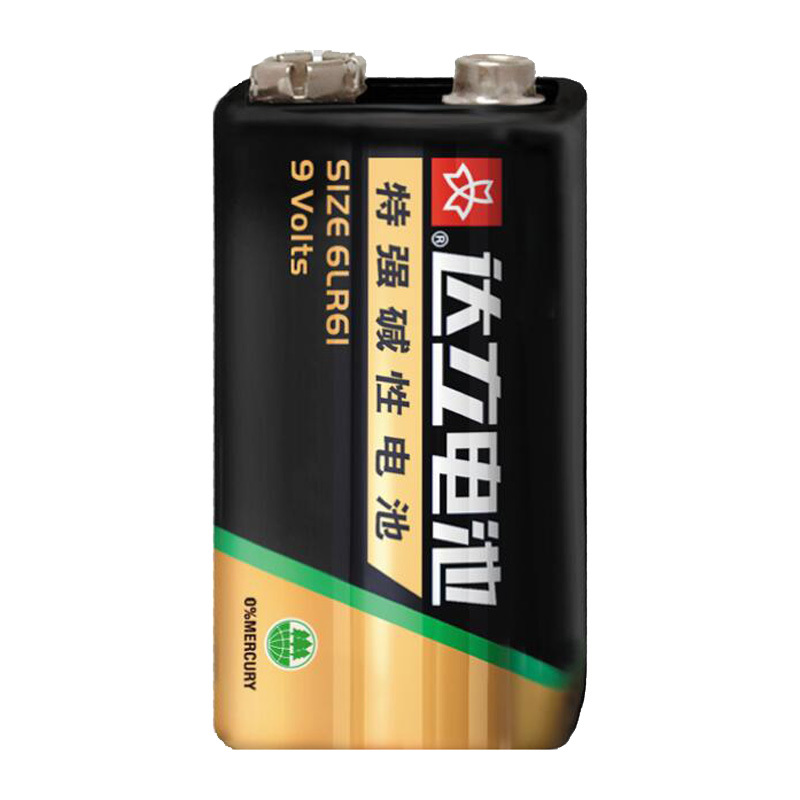
The 6LR61-1 shrink Industrial Alkaline battery is a compact and reliable electricity solution for bu...
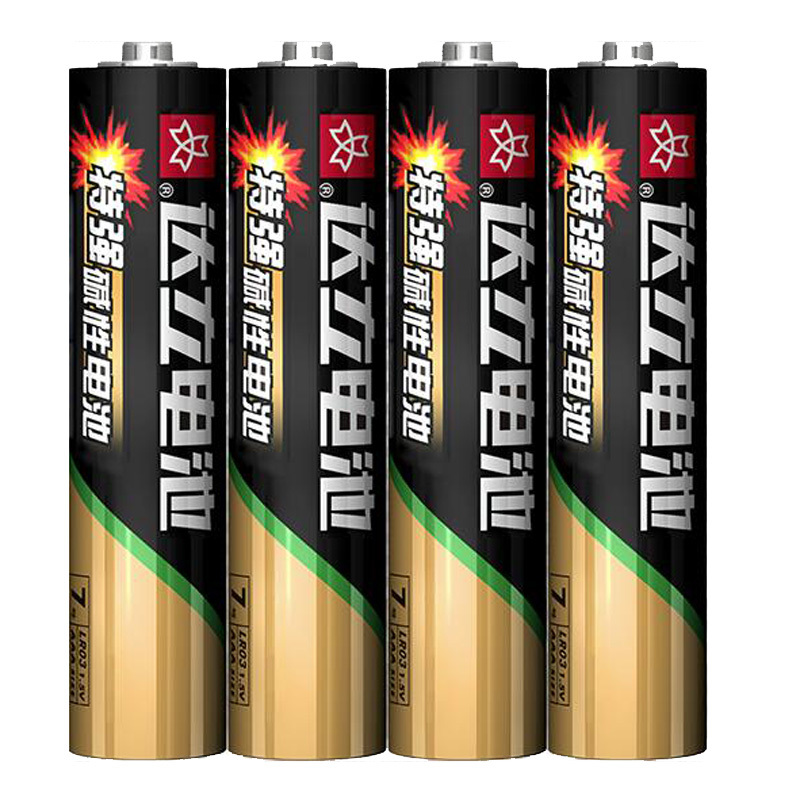
The LR03-4 shrink Industrial Alkaline battery is a fairly efficient and reliable strength solution d...
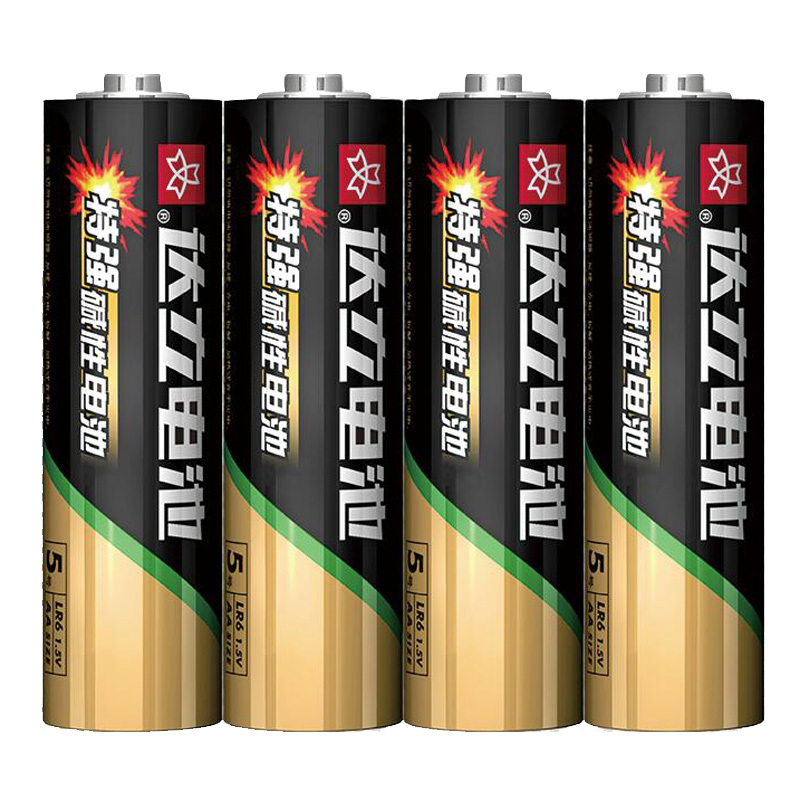
The LR6-4 shrink Industrial Alkaline battery is a dependable and versatile strength answer specifica...
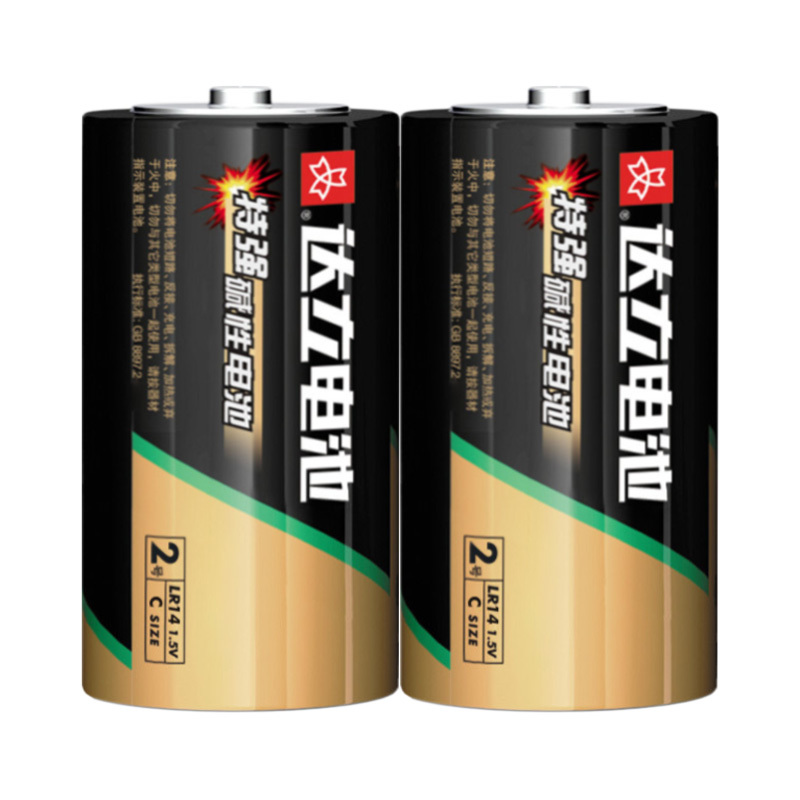
The LR14-2 shrink Industrial Alkaline battery is a high-quality and sturdy strength supply in partic...
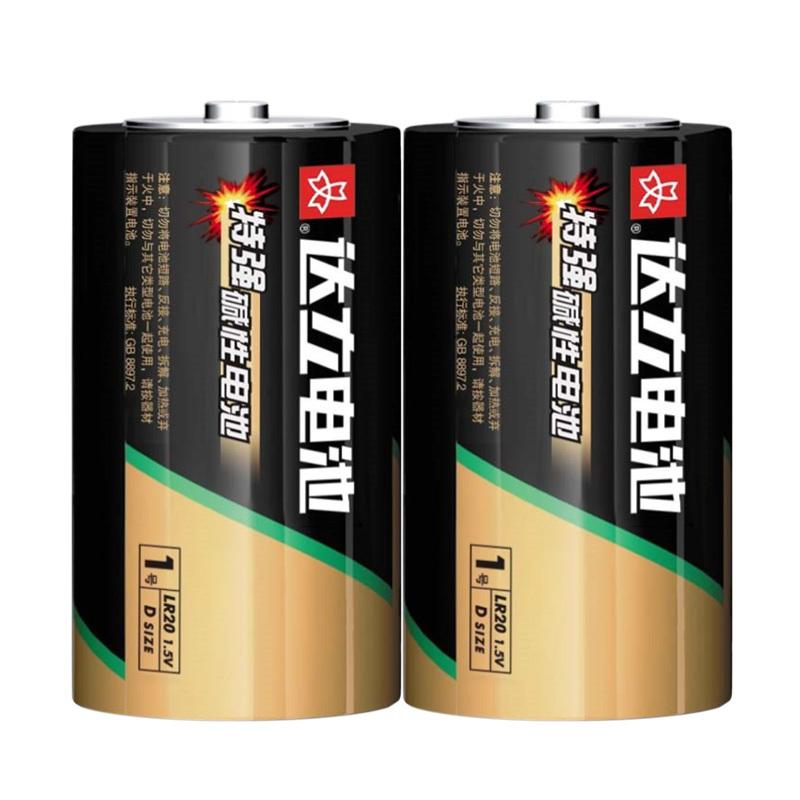
The LR14-2 shrink Industrial Alkaline battery is a high-quality and sturdy strength supply in partic...
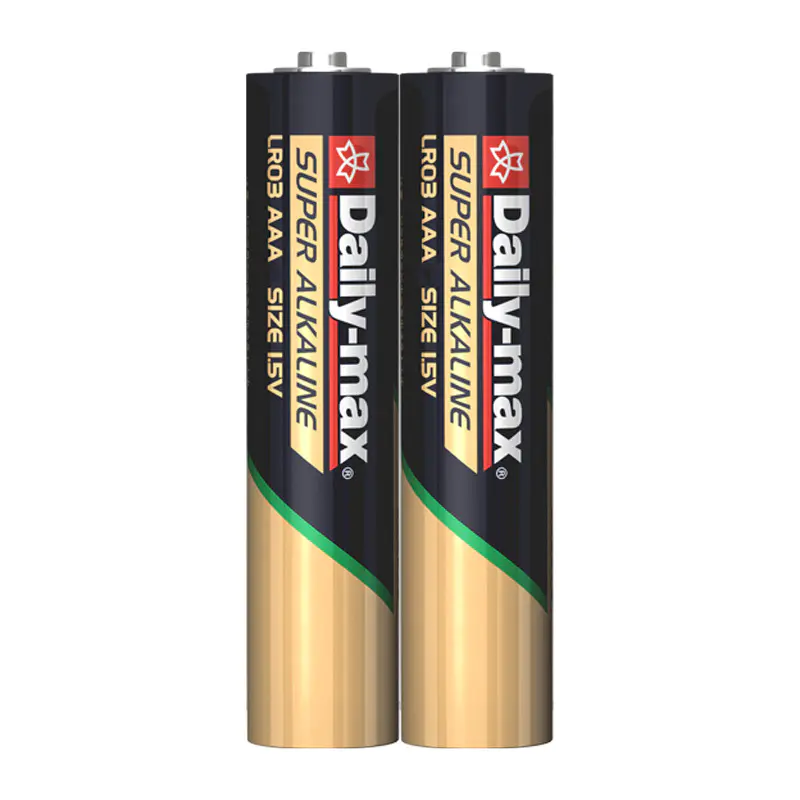
The LR03 Black Gold-2S Industrial Alkaline battery is a modern-day power solution particularly engin...
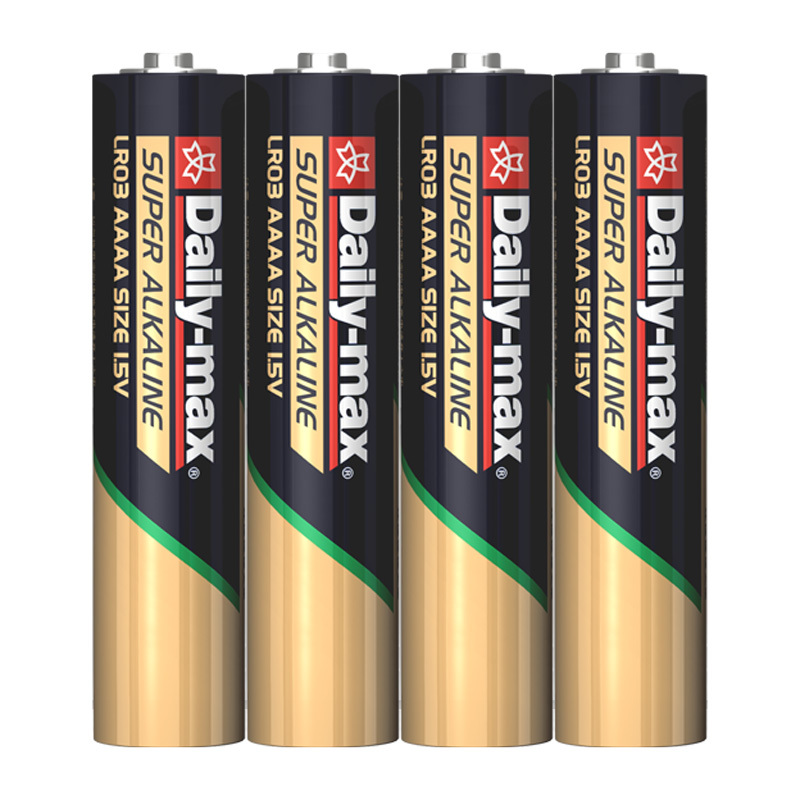
The LR03 Black Gold-4S Industrial Outfit Alkaline Battery is a among the strength source mainly ta...
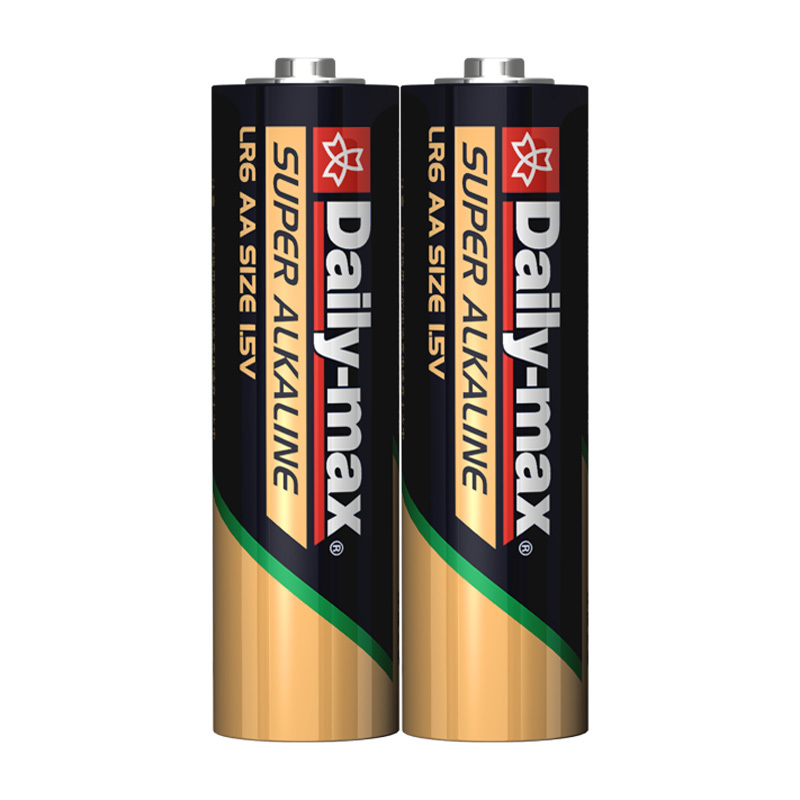
The LR6 Black Gold-2S Industrial Outfit Alkaline Battery is a splendid energy solution designed for ...
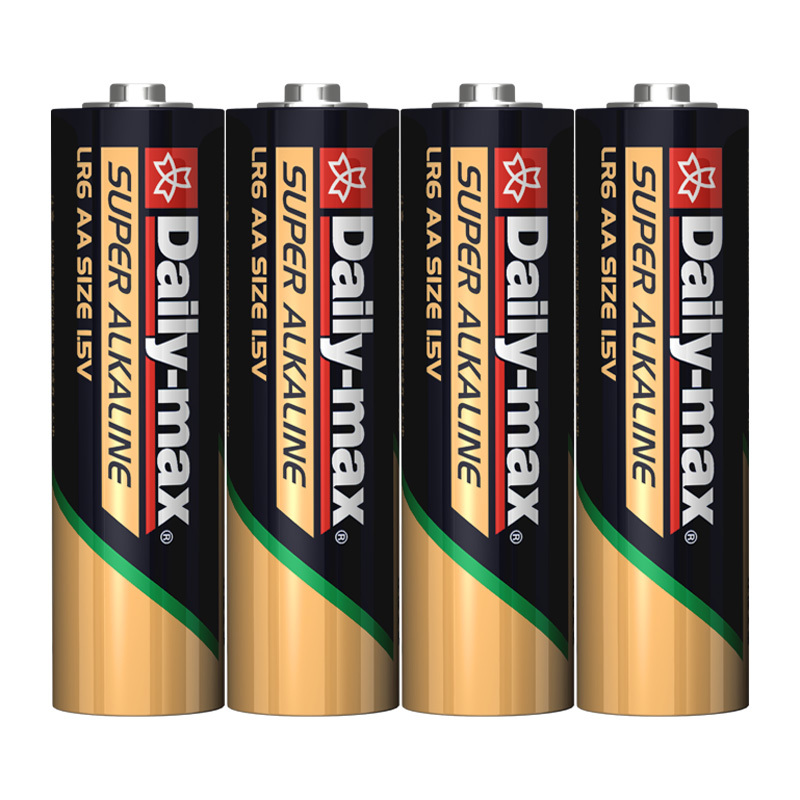
The LR6 Black Gold-4S Alkaline Battery is a reliable electricity source appropriate for various prog...
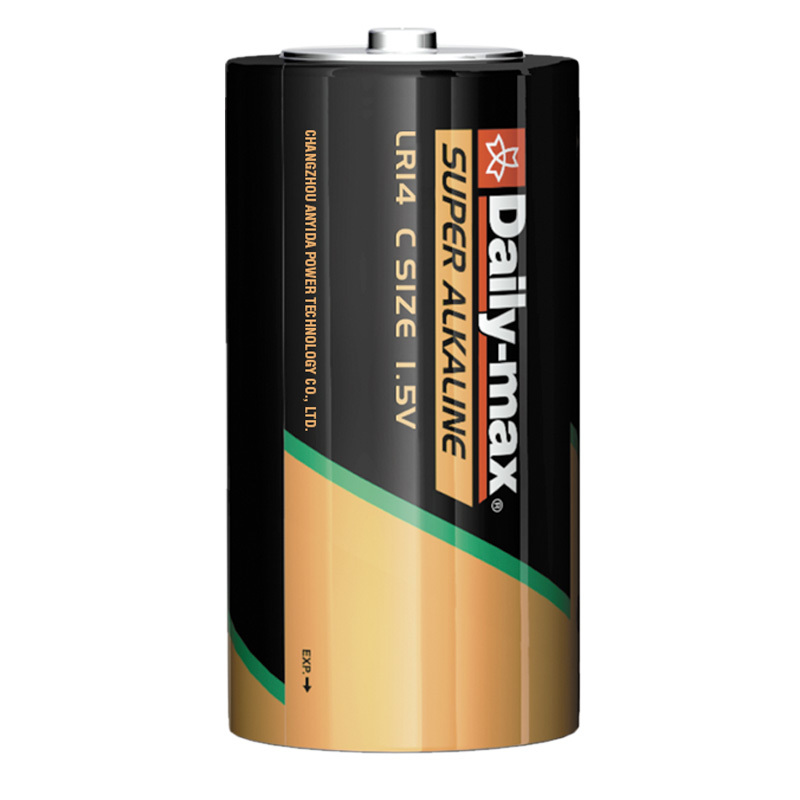
The LR14 Black Gold-1S Alkaline Battery is a high-performance electricity solution designed for a wi...

The LR14 Black Gold-2S Alkaline Battery is an exquisite electricity supply appropriate for diverse p...
-- Steady & Reliable Manufacturer --
Motherboard CMOS batteries serve a critical function in computing systems: maintaining real-time clock accuracy and preserving BIOS/UEFI configuration settings when the system is powered off. This low-drain but continuous application places a premium on battery longevity, voltage stability, and leakage prevention over extended periods of service.
CR2032 lithium coin cells are the industry standard for this application, providing 3V nominal output with a flat discharge curve that ensures consistent clock accuracy and reliable system boot-up. Unlike alkaline batteries, lithium chemistry offers superior shelf life and performance across a wide temperature range, making it ideal for the varied operating conditions of desktop and laptop computers.
For motherboard manufacturers, PC assembly operations, and IT procurement teams, selecting the right CMOS battery involves balancing longevity, reliability, and cost. The following specifications outline the critical parameters for batteries intended for motherboard CMOS applications.
| Parameter | Specification |
|---|---|
| Nominal Voltage | 3.0V (open circuit: 3.2V typical) |
| Chemistry System | Lithium Manganese Dioxide (Li-MnO₂) |
| Typical Capacity | 225 mAh (under 15kΩ load to 2.0V) |
| Continuous Standard Current | 0.2mA |
| Pulse Current Capability | 15mA (intermittent, for system power-on) |
| Internal Resistance (fresh) | ≤ 30Ω (measured at 1kHz AC) |
| Operating Temperature Range | -30°C to +60°C |
| Recommended Storage Temperature | 10°C to 25°C (relative humidity ≤ 65%) |
| Annual Self-Discharge Rate | ≤ 1% at 20°C |
| Shelf Life (unused) | Up to 10 years (at recommended storage conditions) |
| Leakage Resistance | Passed IEC 60086-5 leakage test |
| Weight | Approx. 3.1g ± 0.2g |
| Dimensions | 20mm (dia.) × 3.2mm (h) ± 0.2mm |
| Regulatory Certifications | RoHS, REACH, CE, UL |
| Packaging Options | Blister pack, tape and reel, bulk tray |
| Parameter | CR2032 Lithium | Rechargeable Lithium |
|---|---|---|
| Nominal Voltage | 3.0V | 3.6V |
| Typical Capacity | 225 mAh | 40-60 mAh |
| Shelf Life | 10 years | 2-3 years |
| Self-Discharge (annual) | ≤1% | 10-20% |
| Cost (per unit) | Low | High |
| Leakage Risk | Extremely low | Low |
| Typical Service Life | 5-10 years | 1-3 years |
CR2032 CMOS batteries typically provide 5 to 10 years of service in desktop motherboards. Actual lifespan depends on several factors:
For typical office and home desktop systems, replacing the CMOS battery every 5-7 years is recommended as a preventive maintenance measure.
When the CMOS battery fails, the following symptoms typically occur:
Replacing the battery resolves all these issues. In most systems, BIOS settings can be restored from saved profiles or reconfigured after battery replacement.
Motherboards are specifically designed for CR2032 lithium batteries. While other battery types may physically fit, they are not recommended:
For optimal performance and longevity, CR2032 lithium batteries are the recommended choice for all motherboard CMOS applications.
Common indicators that a CMOS battery requires replacement include:
Replacement is inexpensive and quick, making it a good preventive maintenance practice for aging systems.
Lithium CMOS batteries are generally safe, but proper handling is important:
With these simple precautions, lithium CMOS batteries pose minimal safety risk in normal computer operation.
top

E-mail: [email protected]
E-mail: [email protected]

Phone: +86-13861108887
Phone: +86-13338792022

Address: Southern door, NO.1 East Road, Lou Xia Industrial Park, Rulin Town, Jintan District, Changzhou city, Jiangsu, China
QR code on
mobile phone
Copyright © Changzhou Strengh (Anyida) Power Technology Co., Ltd. All rights reserved.
Custom Primary Volt Batteries Suppliers
 English
 中文简体
 русский
 Español
 عربى