

Send Inquiry

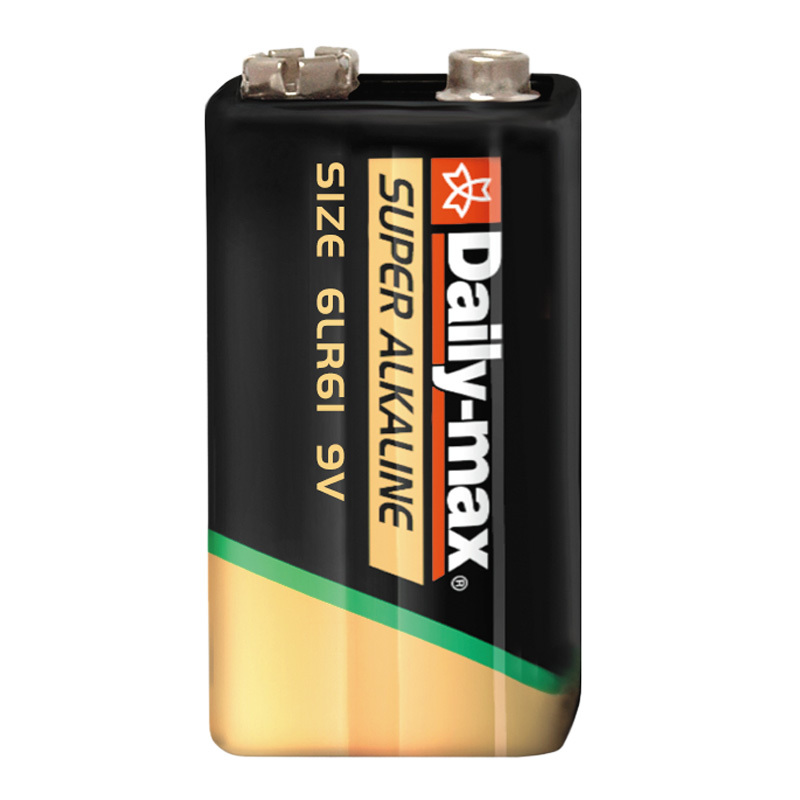
The 6LR61 Black Gold-1S Industrial Alkaline battery is a high-overall performance battery designed f...
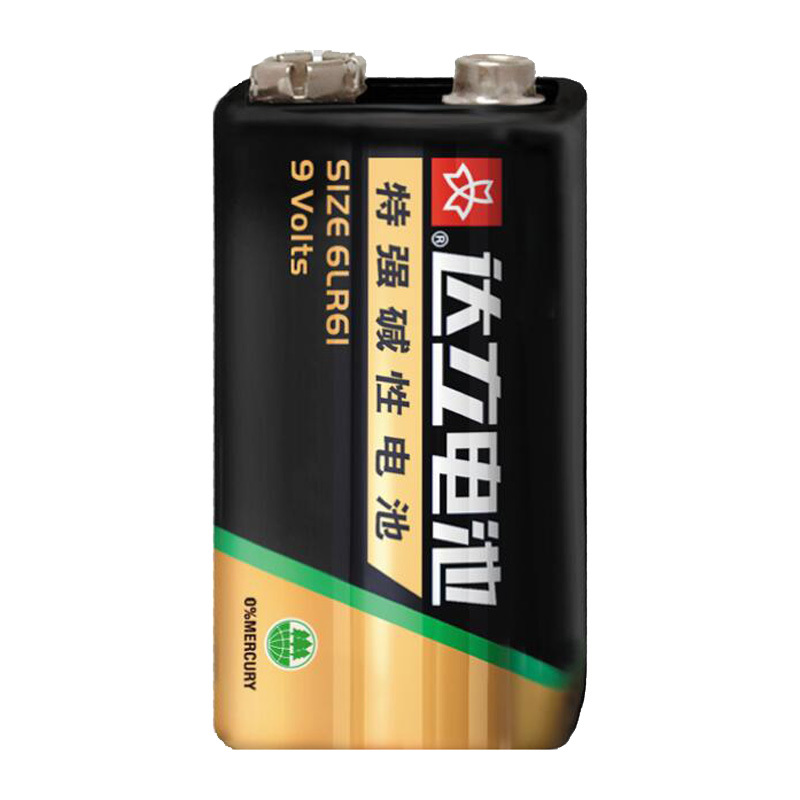
The 6LR61-1 shrink Industrial Alkaline battery is a compact and reliable electricity solution for bu...
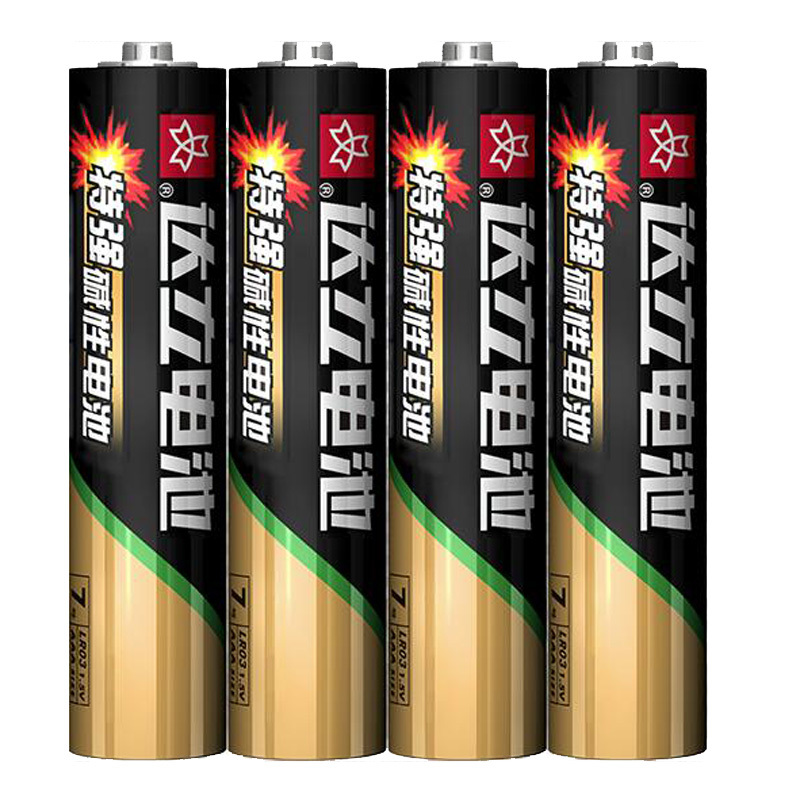
The LR03-4 shrink Industrial Alkaline battery is a fairly efficient and reliable strength solution d...

The LR6-4 shrink Industrial Alkaline battery is a dependable and versatile strength answer specifica...
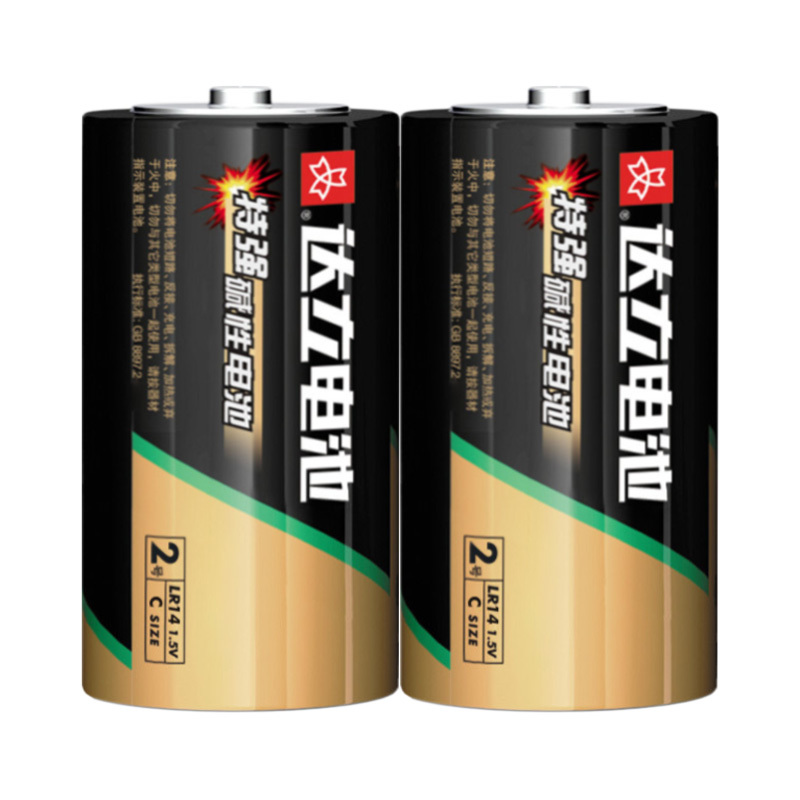
The LR14-2 shrink Industrial Alkaline battery is a high-quality and sturdy strength supply in partic...
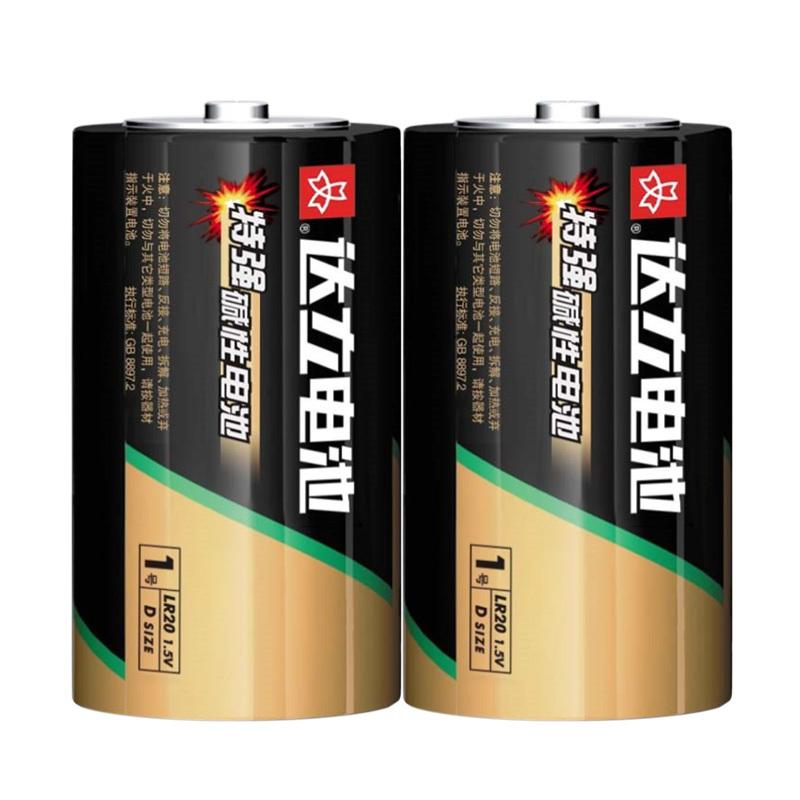
The LR14-2 shrink Industrial Alkaline battery is a high-quality and sturdy strength supply in partic...
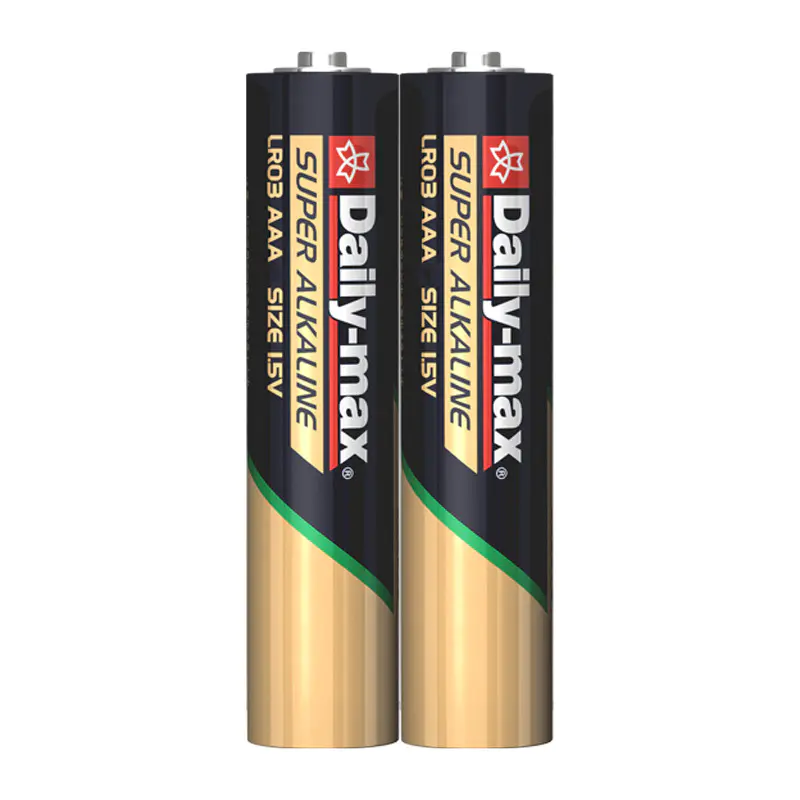
The LR03 Black Gold-2S Industrial Alkaline battery is a modern-day power solution particularly engin...
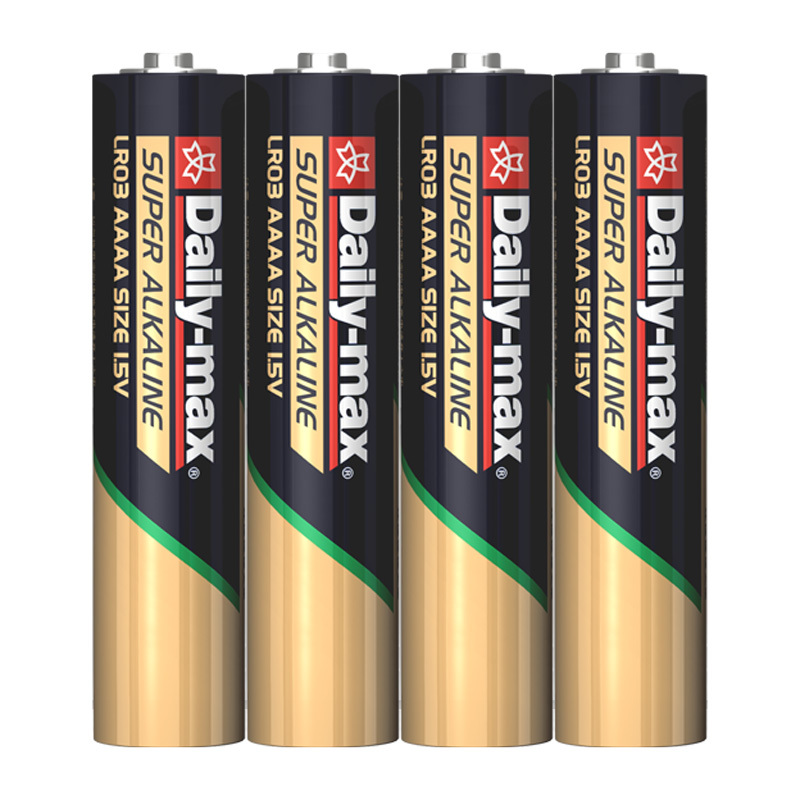
The LR03 Black Gold-4S Industrial Outfit Alkaline Battery is a among the strength source mainly ta...
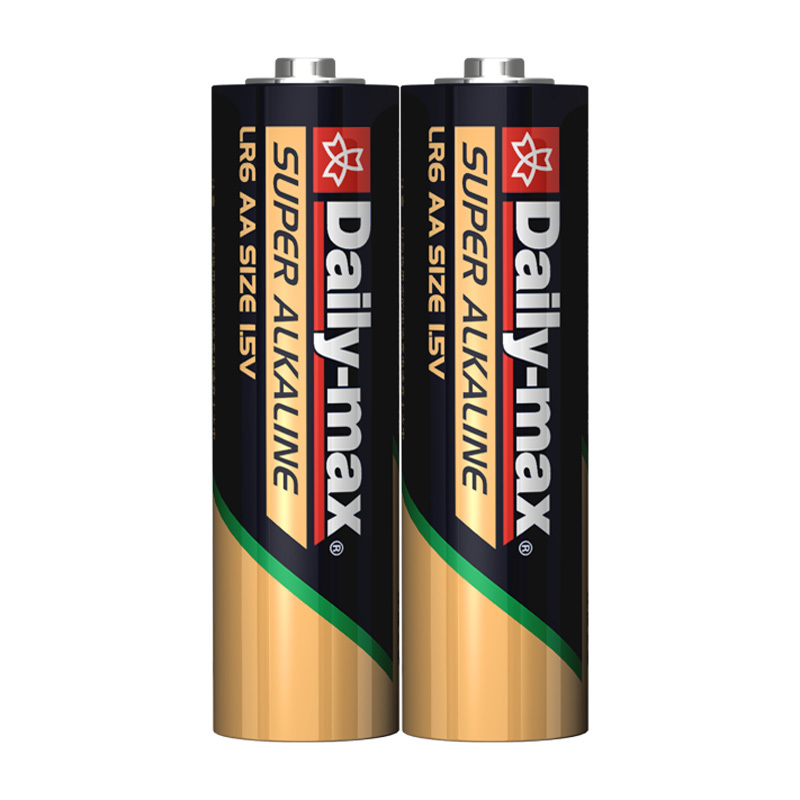
The LR6 Black Gold-2S Industrial Outfit Alkaline Battery is a splendid energy solution designed for ...
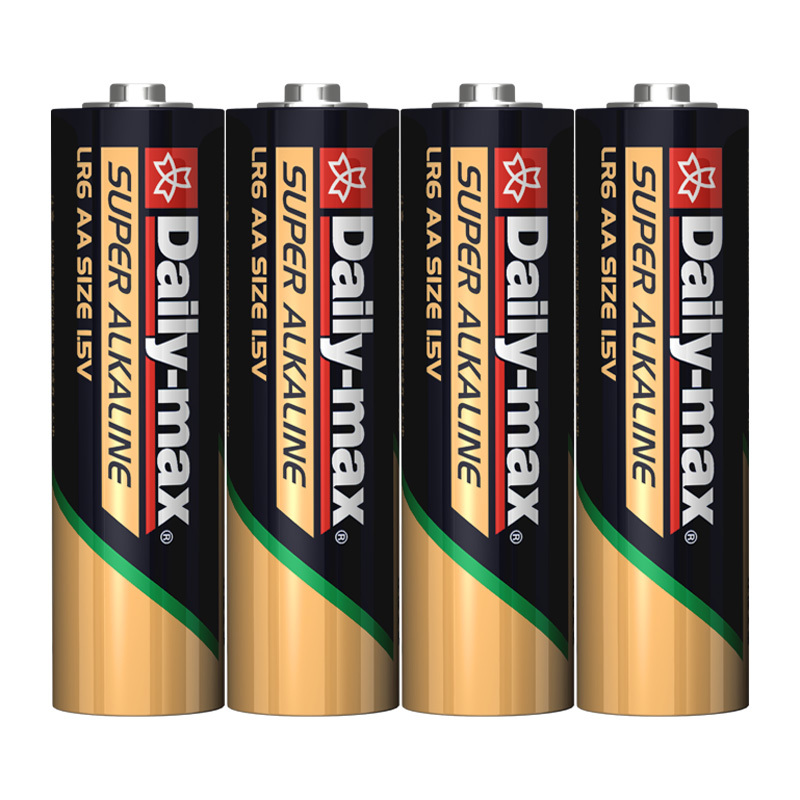
The LR6 Black Gold-4S Alkaline Battery is a reliable electricity source appropriate for various prog...
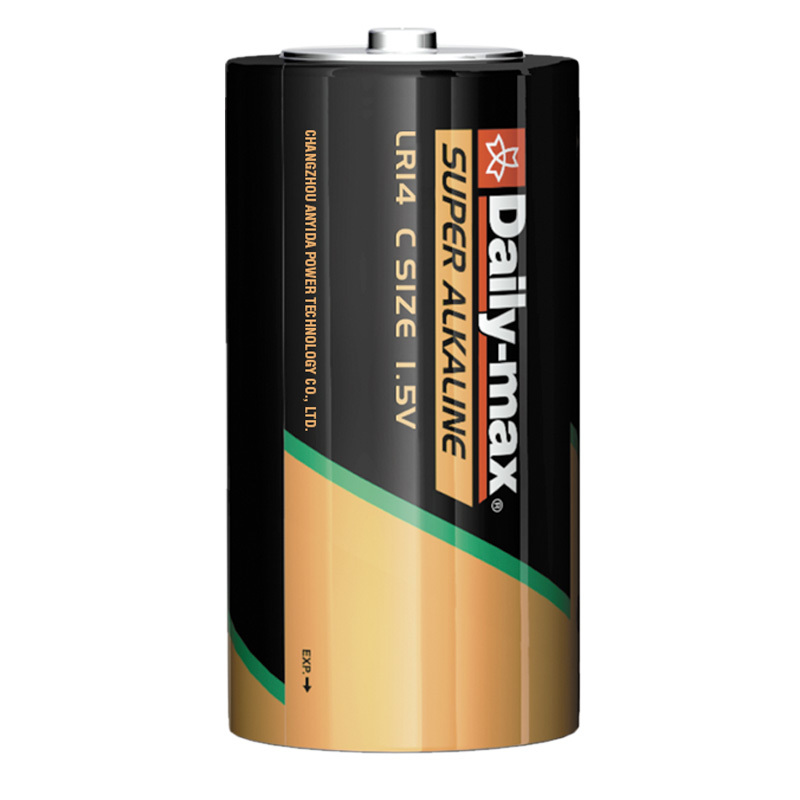
The LR14 Black Gold-1S Alkaline Battery is a high-performance electricity solution designed for a wi...

The LR14 Black Gold-2S Alkaline Battery is an exquisite electricity supply appropriate for diverse p...
-- Steady & Reliable Manufacturer --
Digital thermometers are used in medical, laboratory, and industrial settings where accurate temperature measurement is essential. These devices require a power source that delivers stable voltage throughout the measurement cycle, as voltage fluctuations can affect the accuracy of analog-to-digital conversions. The battery must also support the intermittent high-current demands of backlight LCD displays and audible alarms.
Button cell batteries, particularly alkaline and silver oxide types, are the standard power sources for compact digital thermometers. The low self-discharge rate of modern alkaline button cells ensures that thermometers remain ready for use even after extended periods of storage, which is particularly important for medical and emergency applications. For industrial thermometers with larger displays or data logging capabilities, AA or AAA alkaline batteries provide the necessary capacity and runtime.
For medical device manufacturers, healthcare procurement teams, and industrial safety managers, selecting the right battery involves balancing accuracy, reliability, and regulatory compliance. The following specifications outline the critical parameters for batteries intended for digital thermometer applications.
| Parameter | Specification |
|---|---|
| Nominal Voltage | 1.5V (open circuit: 1.6V typical) |
| Chemistry System | Alkaline Manganese Dioxide (Zn-MnO₂) |
| Typical Capacity (AA) | 2700 mAh (10mA continuous drain to 0.9V cut-off) |
| Typical Capacity (AAA) | 1050 mAh (10mA continuous drain to 0.9V cut-off) |
| Pulse Current Capability | 300mA (intermittent, for backlight activation) |
| Internal Resistance (fresh) | ≤ 150mΩ (measured at 1kHz AC) |
| Operating Temperature Range | 0°C to +50°C (measurement accuracy maintained) |
| Recommended Storage Temperature | 10°C to 25°C (relative humidity ≤ 65%) |
| Annual Self-Discharge Rate | ≤ 2% at 20°C |
| Shelf Life (unused) | Up to 7 years (at recommended storage conditions) |
| Leakage Resistance | Passed IEC 60086-5 leakage test |
| Weight (AA) | Approx. 23g ± 1g |
| Weight (AAA) | Approx. 11.5g ± 0.5g |
| Dimensions (AA) | 14.5mm (dia.) × 50.5mm (h) ± 0.5mm |
| Dimensions (AAA) | 10.5mm (dia.) × 44.5mm (h) ± 0.5mm |
| Regulatory Certifications | RoHS, REACH, CE, UL, SGS Test Report |
| Packaging Options | Blister pack, shrink-wrapped tray, bulk carton |
| Parameter | Alkaline | Silver Oxide |
|---|---|---|
| Nominal Voltage | 1.5V | 1.55V |
| Capacity (typical) | Higher (2700mAh AA) | Lower (150-200mAh button) |
| Voltage Stability | Good | Excellent (very flat discharge) |
| Self-Discharge (annual) | ≤2% | ≤1% |
| Cost (per unit) | Low-Medium | High |
| Leakage Risk | Low | Very Low |
Battery life in digital thermometers varies based on usage patterns and device features:
Battery type (AA vs. AAA vs. button cell) is the primary factor determining overall runtime.
Yes, battery voltage directly affects measurement accuracy in digital thermometers:
High-quality alkaline batteries maintain stable voltage longer, preserving accuracy over the battery's useful life.
Rechargeable batteries can be used, but there are important considerations:
For medical and critical applications, alkaline batteries remain the recommended choice due to their predictable discharge profile and long shelf life.
For thermometers that may be stored for extended periods, shelf life is important:
Medical thermometers require special attention to battery safety:

top

E-mail: [email protected]
E-mail: [email protected]

Phone: +86-13861108887
Phone: +86-13338792022

Address: Southern door, NO.1 East Road, Lou Xia Industrial Park, Rulin Town, Jintan District, Changzhou city, Jiangsu, China
QR code on
mobile phone
Copyright © Changzhou Strengh (Anyida) Power Technology Co., Ltd. All rights reserved.
Custom Primary Volt Batteries Suppliers
 English
 中文简体
 русский
 Español
 عربى