

Send Inquiry

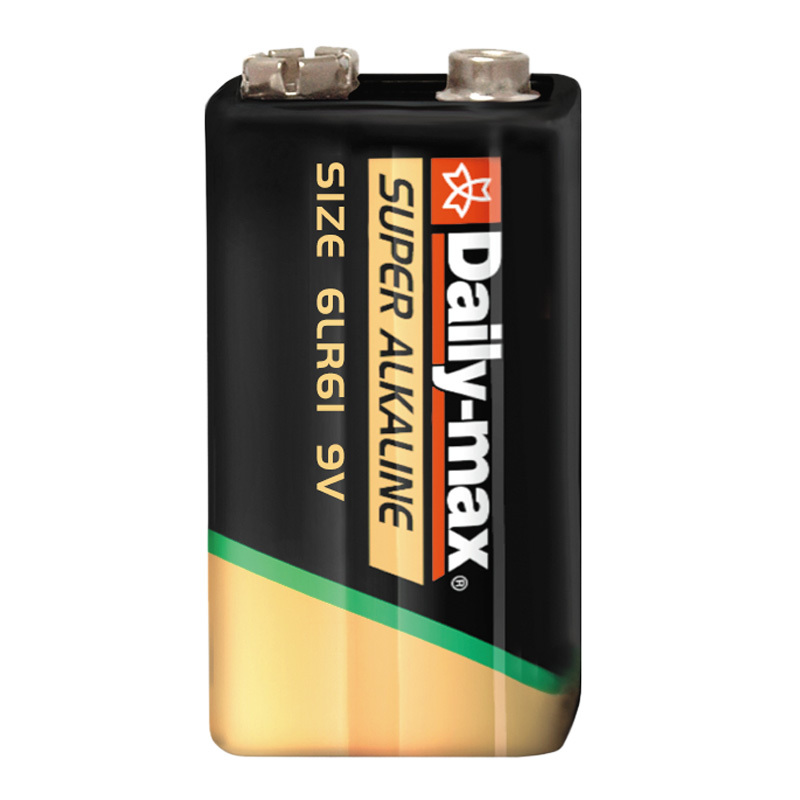
The 6LR61 Black Gold-1S Industrial Alkaline battery is a high-overall performance battery designed f...
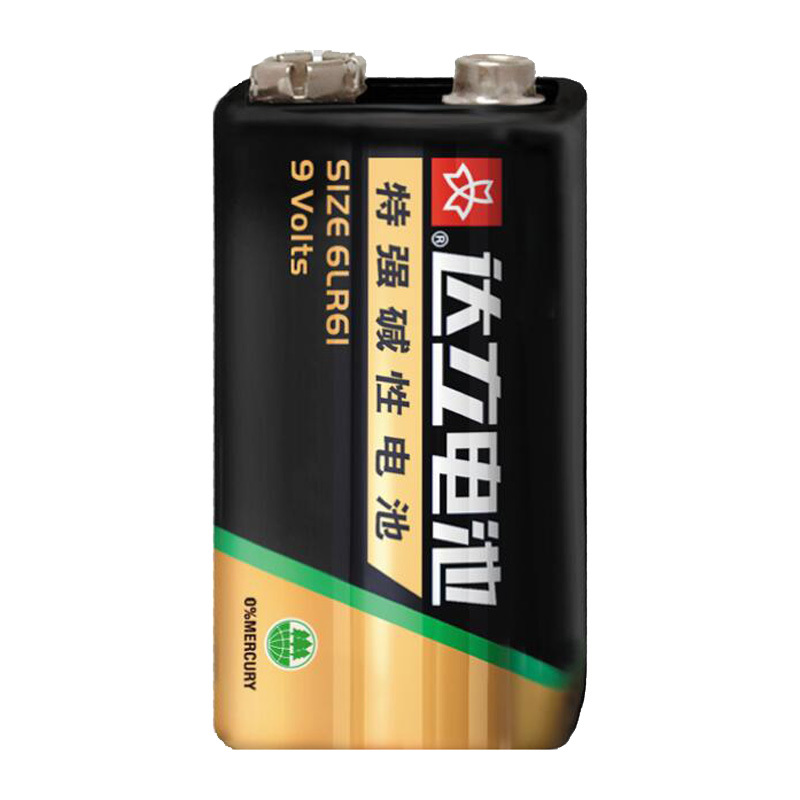
The 6LR61-1 shrink Industrial Alkaline battery is a compact and reliable electricity solution for bu...
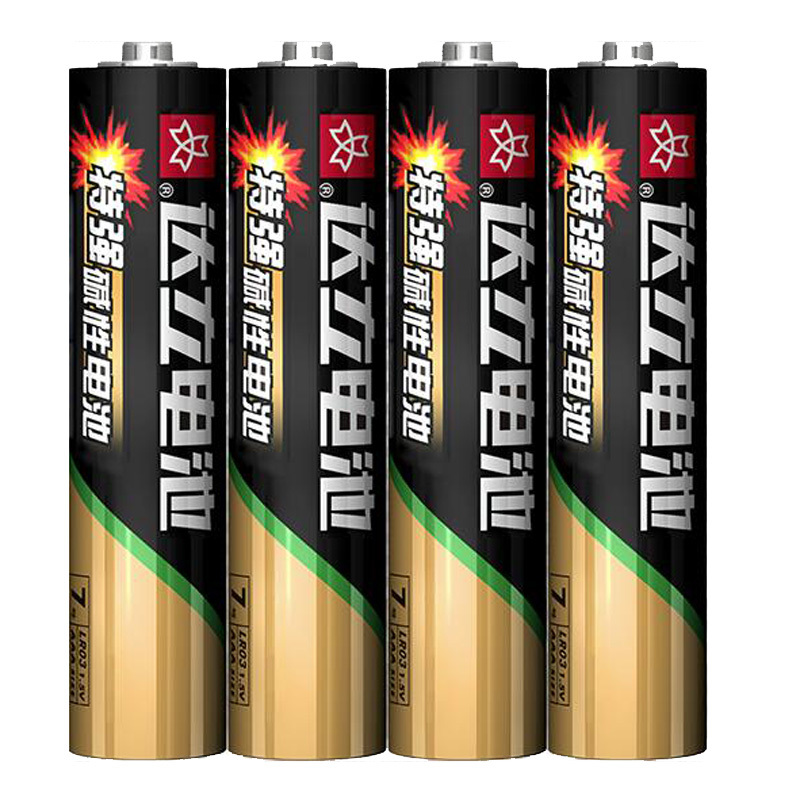
The LR03-4 shrink Industrial Alkaline battery is a fairly efficient and reliable strength solution d...
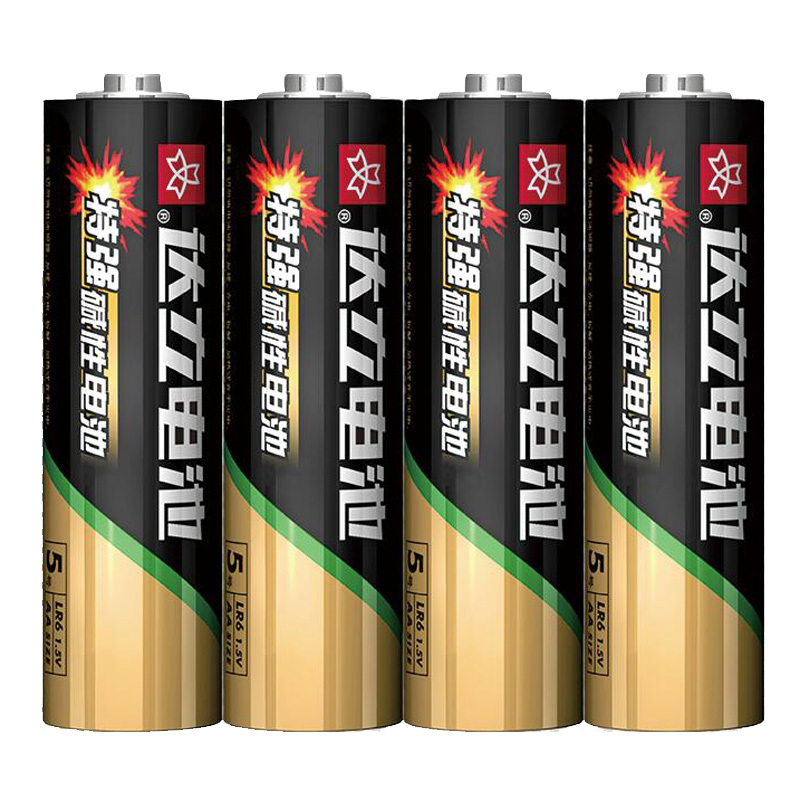
The LR6-4 shrink Industrial Alkaline battery is a dependable and versatile strength answer specifica...
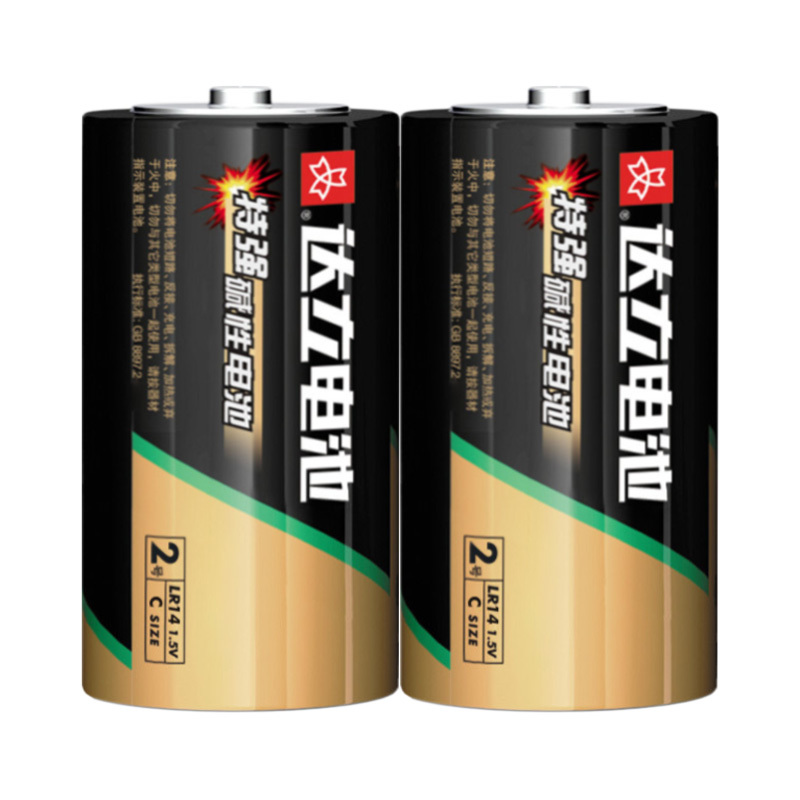
The LR14-2 shrink Industrial Alkaline battery is a high-quality and sturdy strength supply in partic...
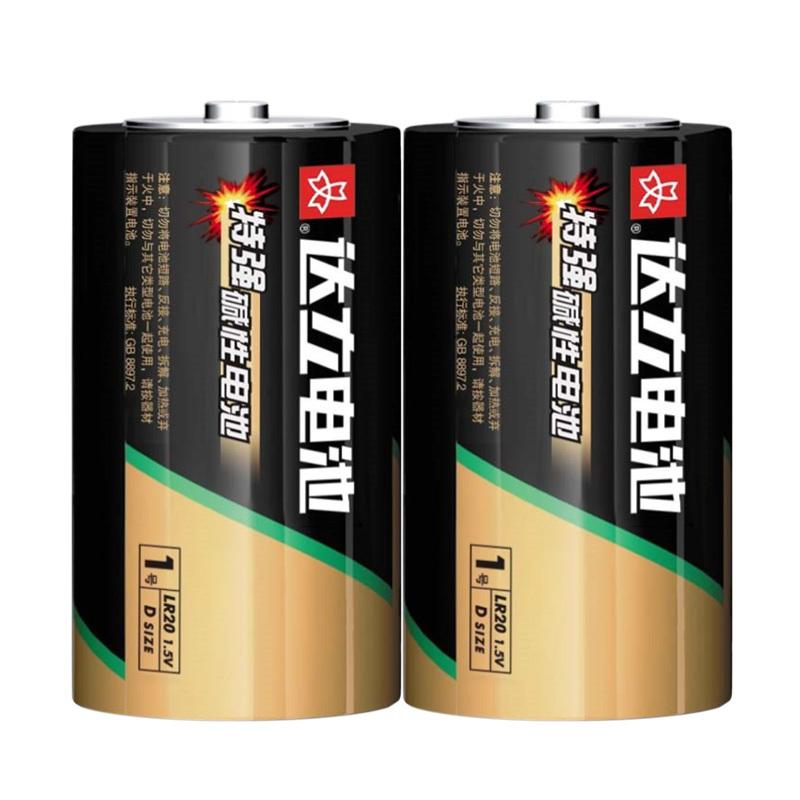
The LR14-2 shrink Industrial Alkaline battery is a high-quality and sturdy strength supply in partic...
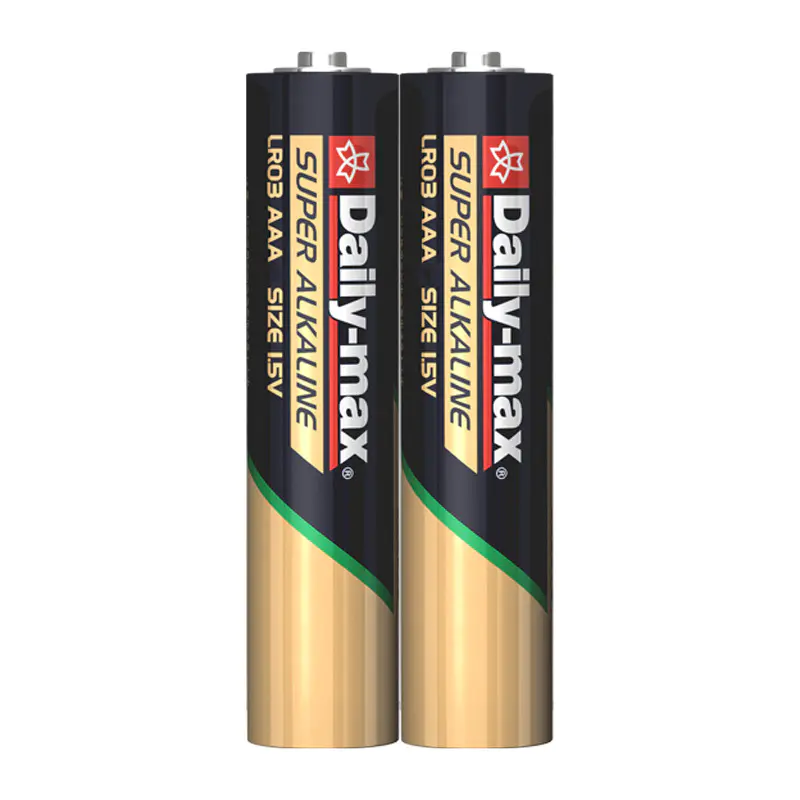
The LR03 Black Gold-2S Industrial Alkaline battery is a modern-day power solution particularly engin...
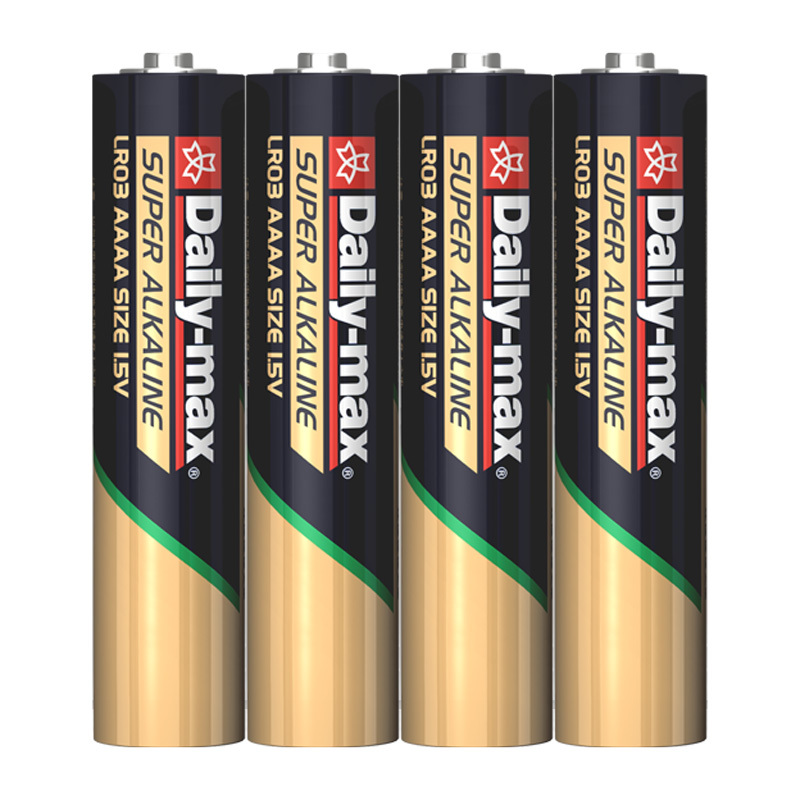
The LR03 Black Gold-4S Industrial Outfit Alkaline Battery is a among the strength source mainly ta...
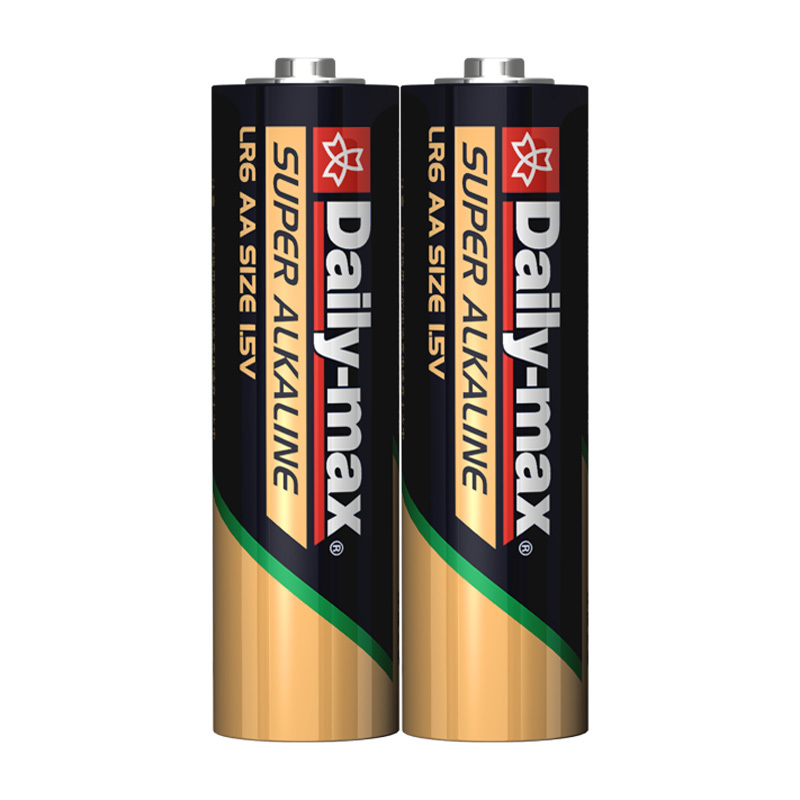
The LR6 Black Gold-2S Industrial Outfit Alkaline Battery is a splendid energy solution designed for ...
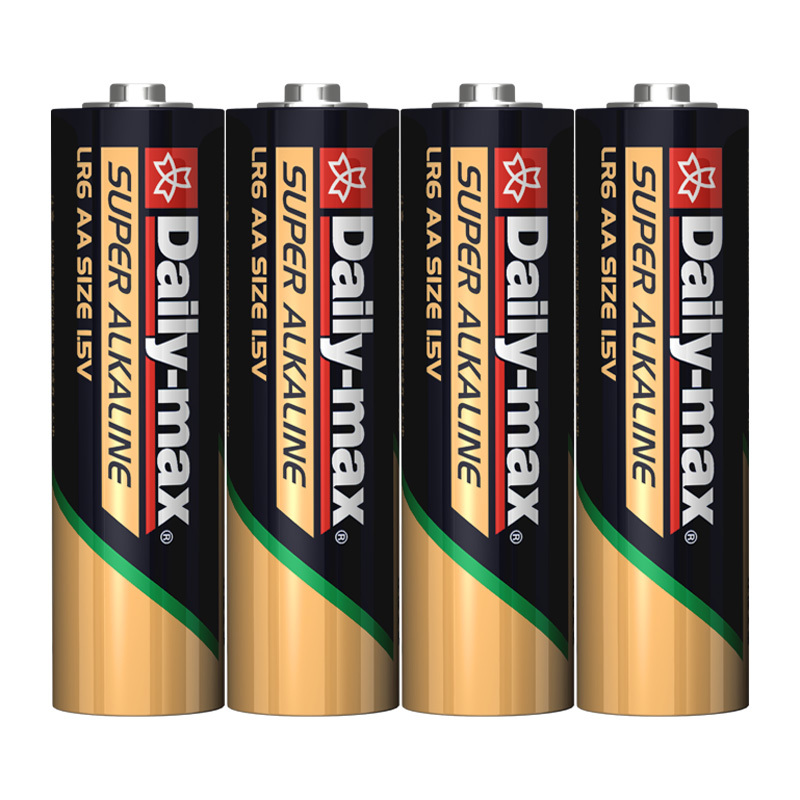
The LR6 Black Gold-4S Alkaline Battery is a reliable electricity source appropriate for various prog...
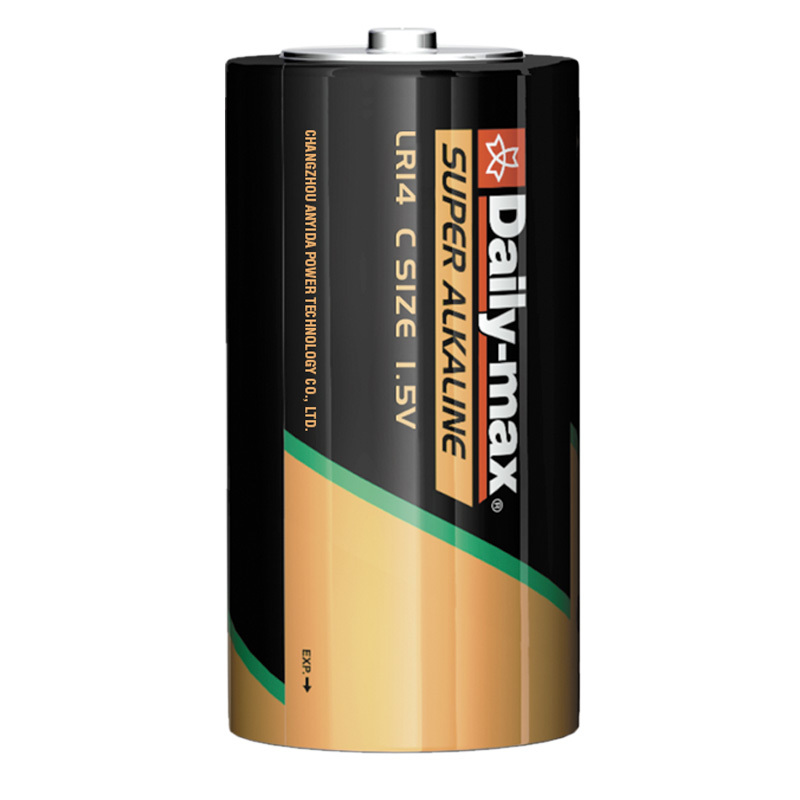
The LR14 Black Gold-1S Alkaline Battery is a high-performance electricity solution designed for a wi...

The LR14 Black Gold-2S Alkaline Battery is an exquisite electricity supply appropriate for diverse p...
-- Steady & Reliable Manufacturer --
Wireless mice have become the standard input device for both desktop and mobile computing environments. Unlike their wired counterparts, these devices rely entirely on battery power to support optical tracking, radio frequency transmission, and often LED illumination. The battery must deliver consistent voltage across a wide range of load conditions—from microamp standby currents when the mouse is idle, to pulses exceeding 300mA during active tracking and data packet transmission.
Alkaline manganese dioxide chemistry has emerged as the preferred power source for this category. Its 1.5V nominal output matches the operating voltage of most mouse controllers, while the relatively flat discharge curve ensures that tracking precision does not degrade as the battery depletes. Additionally, the low internal resistance of modern alkaline cells supports the instantaneous current demands of high-DPI optical sensors without causing voltage sag that could trigger unwanted resets or connection dropouts.
For manufacturers and distributors of wireless peripherals, selecting the right battery involves balancing energy density, leakage protection, cost, and regulatory compliance. The following specifications outline the critical parameters for batteries intended for wireless mouse applications.
| Parameter | Specification |
|---|---|
| Nominal Voltage | 1.5V (open circuit: 1.6V typical) |
| Chemistry System | Alkaline Manganese Dioxide (Zn-MnO₂) |
| Typical Capacity (AAA) | 1050 mAh (20mA continuous drain to 0.9V cut-off) |
| Typical Capacity (AA) | 2700 mAh (20mA continuous drain to 0.9V cut-off) |
| Pulse Current Capability | 500mA (intermittent, 1s on / 5s off) |
| Internal Resistance (fresh) | ≤ 150mΩ (measured at 1kHz AC) |
| Internal Resistance (after 50% discharge) | ≤ 350mΩ |
| Operating Temperature Range | -10°C to +50°C |
| Recommended Storage Temperature | 10°C to 25°C (relative humidity ≤ 65%) |
| Annual Self-Discharge Rate | ≤ 2% at 20°C |
| Shelf Life (unused) | Up to 7 years |
| Leakage Resistance | Passed ASTM D-6113 leakage test |
| Weight (AAA) | Approx. 11.5g ± 0.5g |
| Dimensions (AAA) | 10.5mm (dia.) × 44.5mm (h) ± 0.5mm |
| Dimensions (AA) | 14.5mm (dia.) × 50.5mm (h) ± 0.5mm |
| Regulatory Certifications | RoHS, REACH, CE, UL, SGS Test Report |
| Packaging Options | Blister pack, shrink-wrapped tray, bulk carton |
| Parameter | Alkaline | Carbon-Zinc | NiMH |
|---|---|---|---|
| Nominal Voltage | 1.5V | 1.5V | 1.2V |
| Typical Capacity (AAA) | 1050 mAh | 400-500 mAh | 800-900 mAh |
| Internal Resistance | ≤150mΩ | ≤300mΩ | ≤100mΩ |
| Self-Discharge (annual) | ≤2% | ≤10% | 15-20% |
| Pulse Current Capability | 500mA | 200mA | 1000mA |
| Shelf Life (unused) | 7 years | 3 years | 1-2 years |
| Leakage Risk | Low | High | Very low |
| Cost (per unit) | Medium | Low | High |
Under typical usage—approximately 8 hours of active operation per day, 5 days per week—a single AAA alkaline cell provides 4 to 7 months of service. Actual duration depends on several factors:
Yes, NiMH rechargeable batteries can be used, but there are trade-offs to consider:
For devices with voltage compensation circuits, NiMH can be a viable alternative. For devices without, alkaline cells generally provide longer effective usage time per cycle.
Erratic cursor movement is often caused by voltage sag during the high-current pulses of the optical sensor. As the battery depletes, its internal resistance increases, making it unable to maintain stable voltage under load. This leads to:
Replacing the battery with a fresh alkaline cell typically resolves these issues.
Alkaline batteries are generally safe when used according to manufacturer guidelines. Key safety considerations include:
Unused alkaline batteries, when stored in optimal conditions (10°C to 25°C, relative humidity ≤ 65%), have a shelf life of up to 7 years from the date of manufacture. This means they retain at least 80% of their rated capacity at the end of this period.
To maximize shelf life:

top

E-mail: [email protected]
E-mail: [email protected]

Phone: +86-13861108887
Phone: +86-13338792022

Address: Southern door, NO.1 East Road, Lou Xia Industrial Park, Rulin Town, Jintan District, Changzhou city, Jiangsu, China
QR code on
mobile phone
Copyright © Changzhou Strengh (Anyida) Power Technology Co., Ltd. All rights reserved.
Custom Primary Volt Batteries Suppliers
 English
 中文简体
 русский
 Español
 عربى