

Send Inquiry

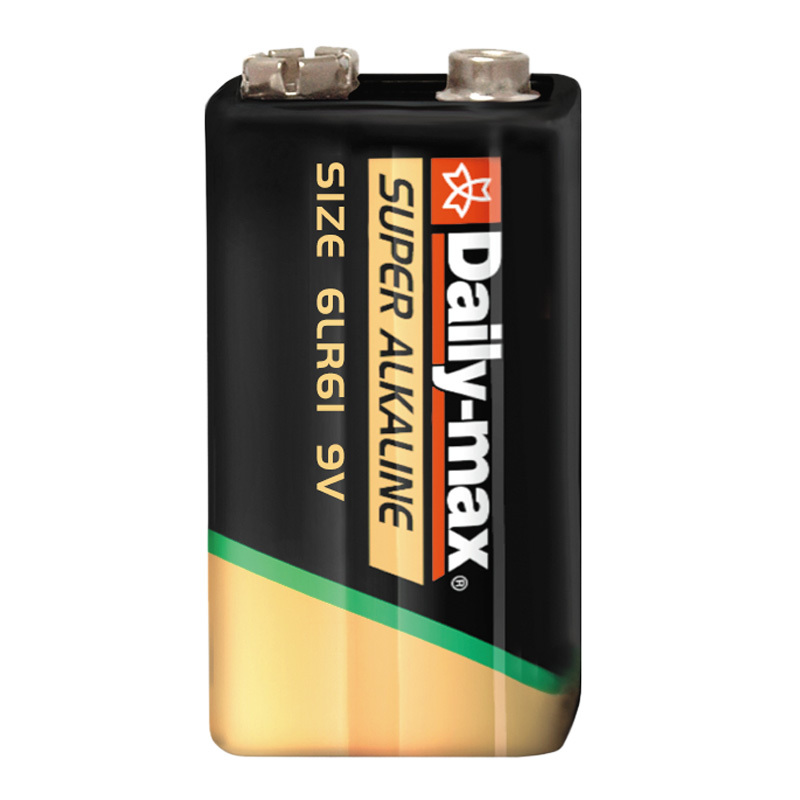
The 6LR61 Black Gold-1S Industrial Alkaline battery is a high-overall performance battery designed f...
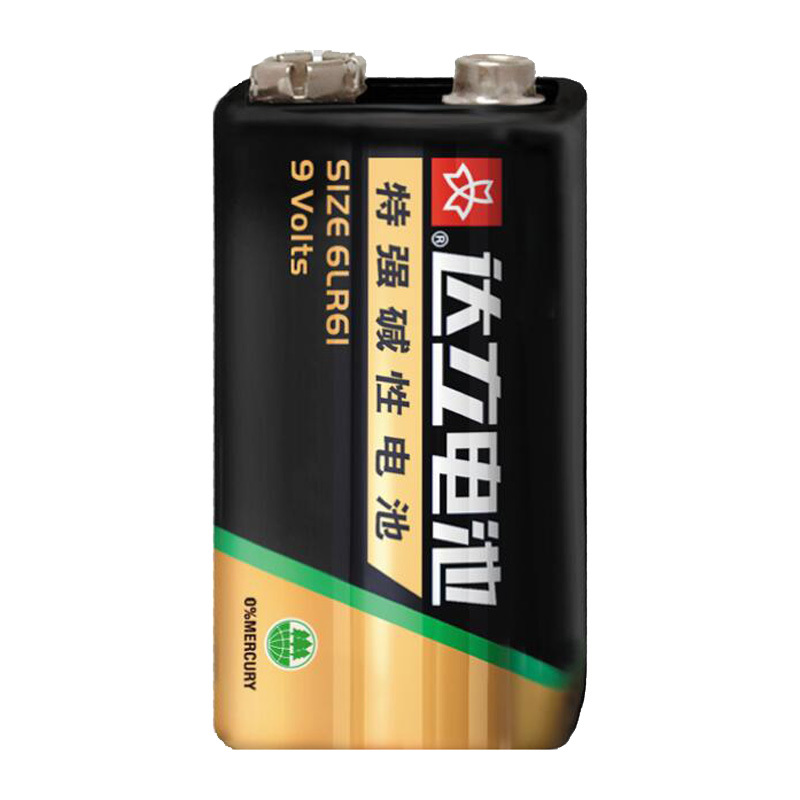
The 6LR61-1 shrink Industrial Alkaline battery is a compact and reliable electricity solution for bu...
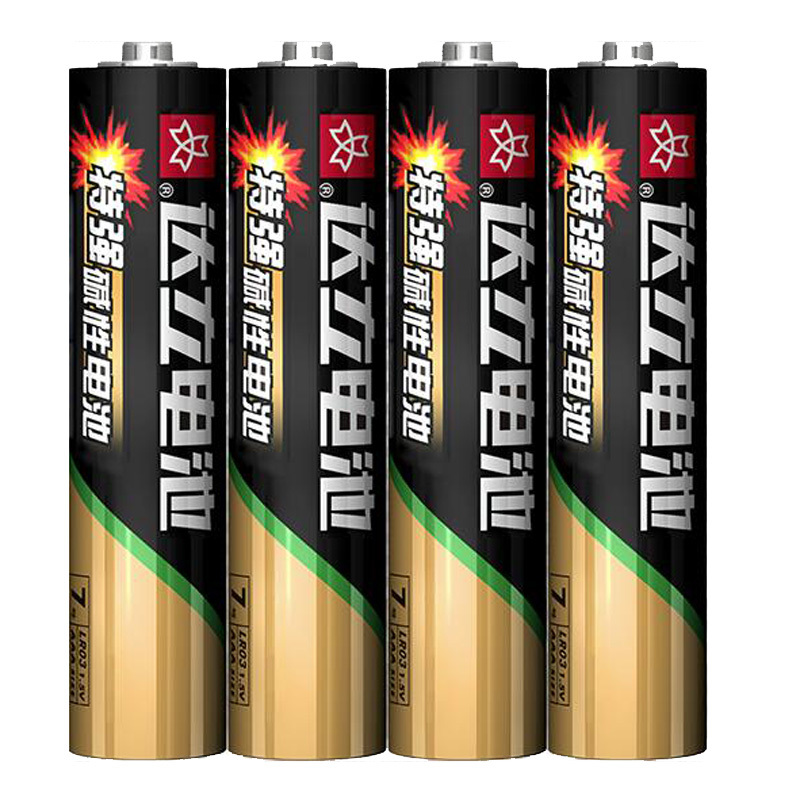
The LR03-4 shrink Industrial Alkaline battery is a fairly efficient and reliable strength solution d...
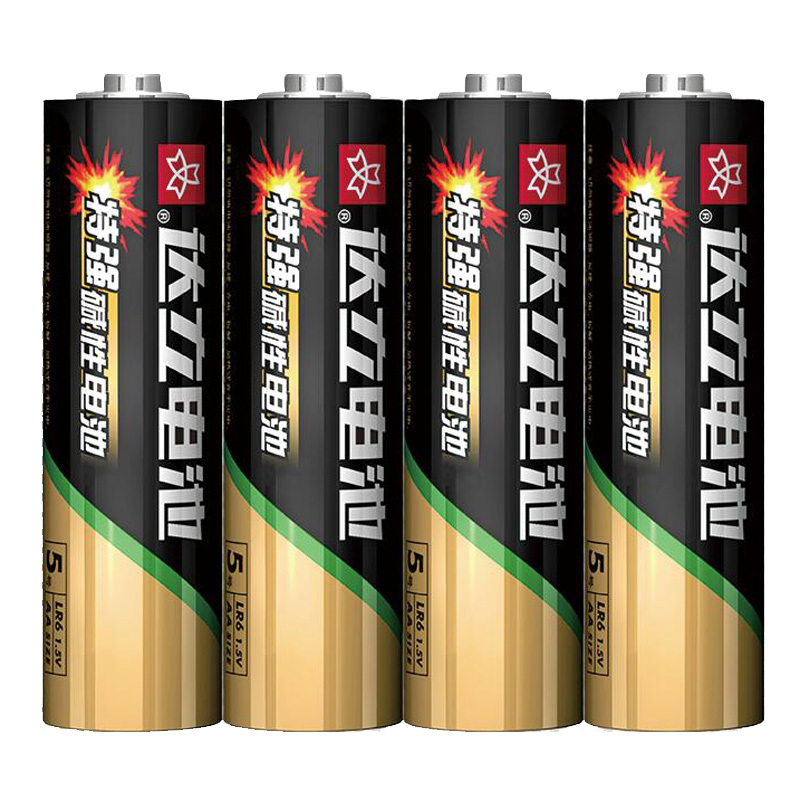
The LR6-4 shrink Industrial Alkaline battery is a dependable and versatile strength answer specifica...
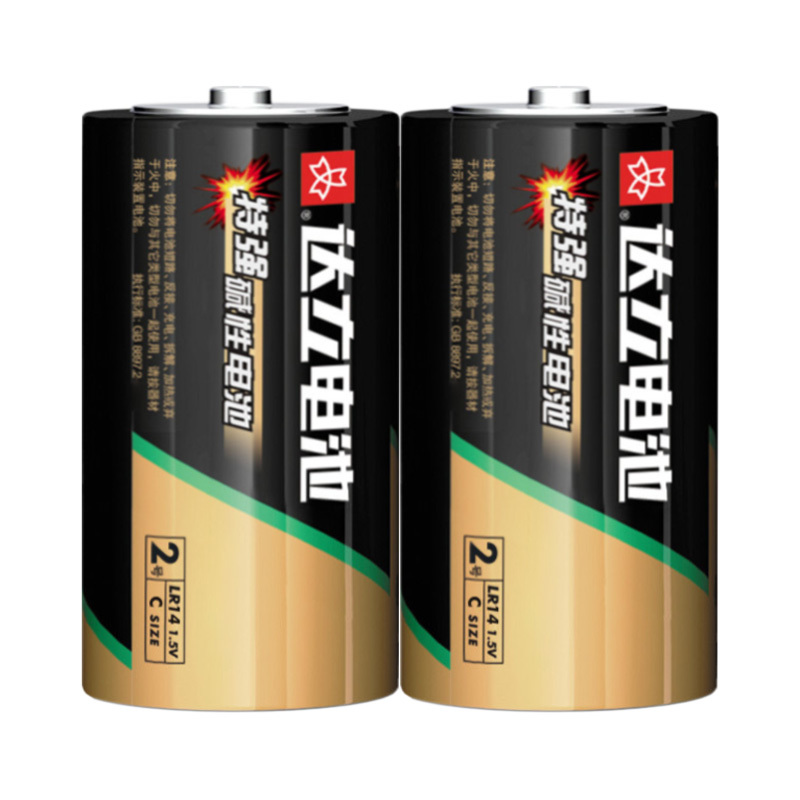
The LR14-2 shrink Industrial Alkaline battery is a high-quality and sturdy strength supply in partic...
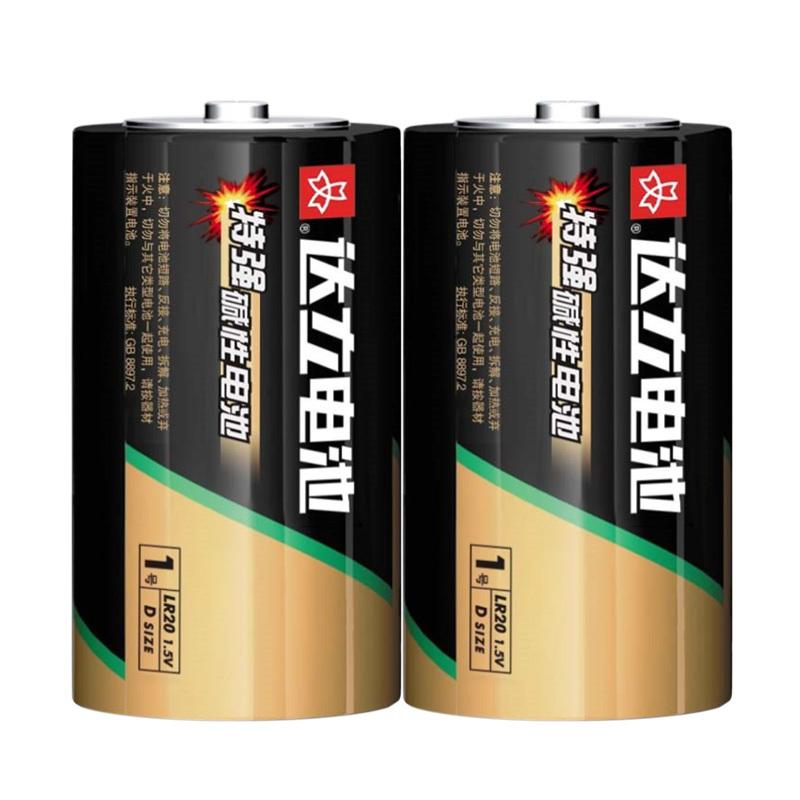
The LR14-2 shrink Industrial Alkaline battery is a high-quality and sturdy strength supply in partic...
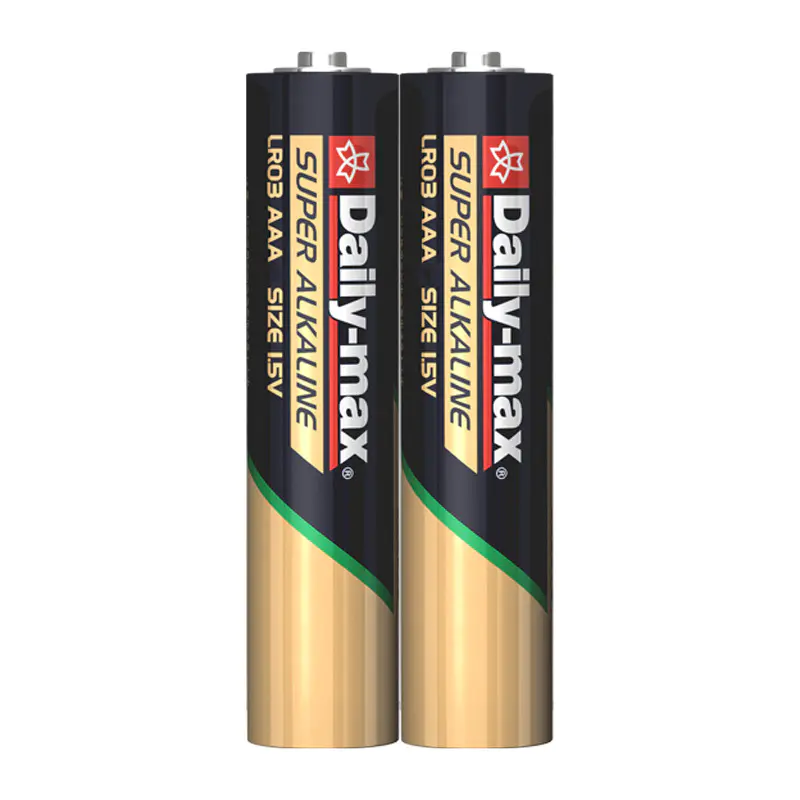
The LR03 Black Gold-2S Industrial Alkaline battery is a modern-day power solution particularly engin...
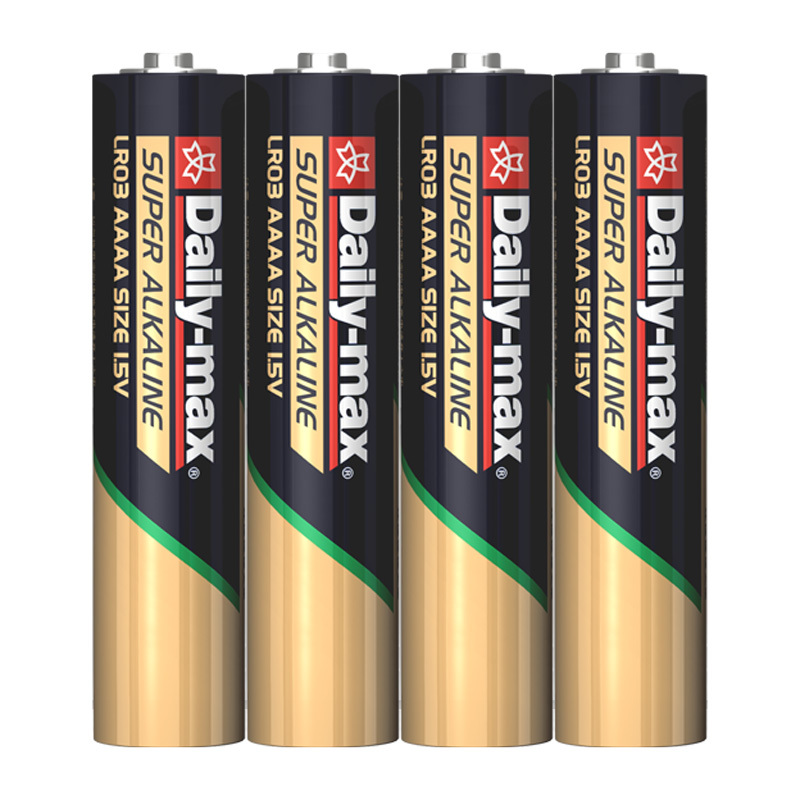
The LR03 Black Gold-4S Industrial Outfit Alkaline Battery is a among the strength source mainly ta...
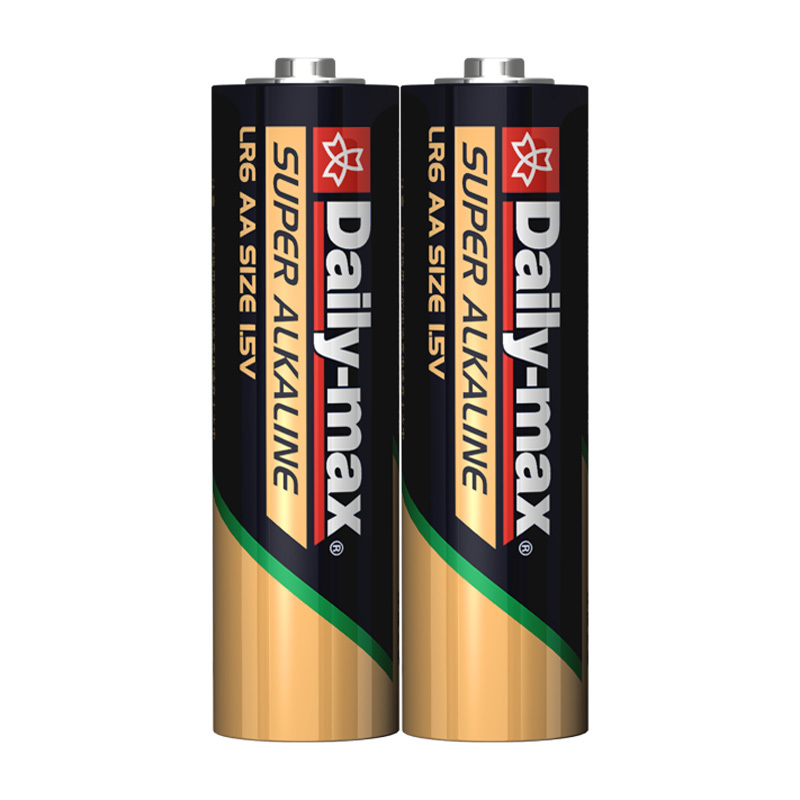
The LR6 Black Gold-2S Industrial Outfit Alkaline Battery is a splendid energy solution designed for ...
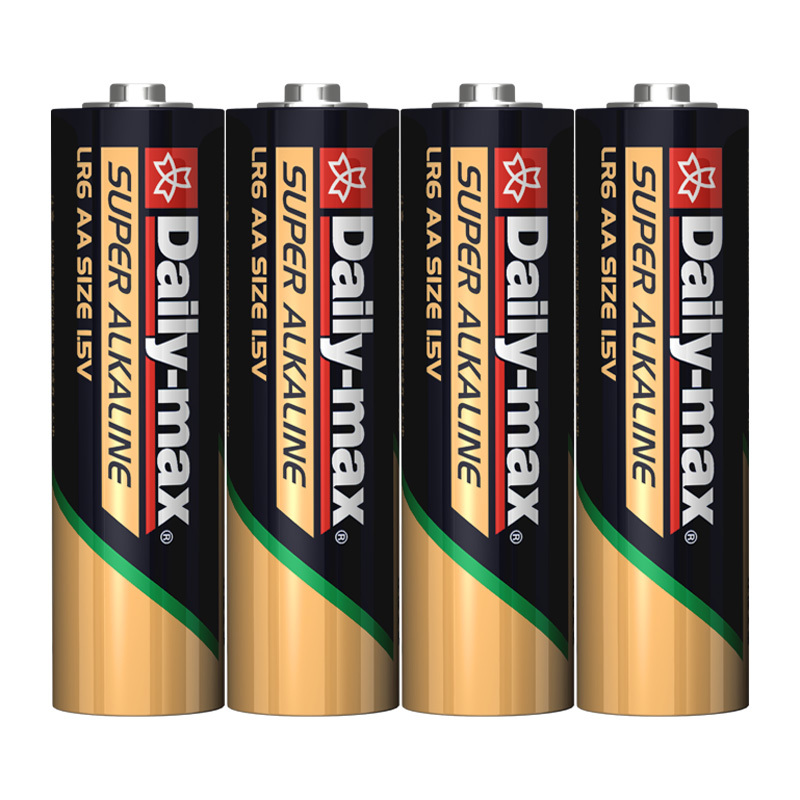
The LR6 Black Gold-4S Alkaline Battery is a reliable electricity source appropriate for various prog...
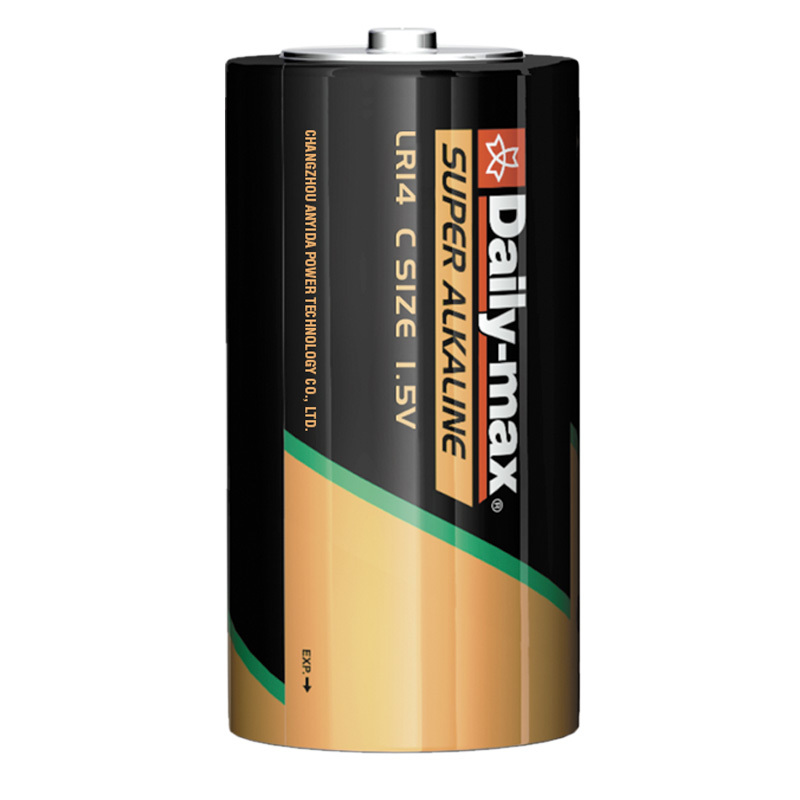
The LR14 Black Gold-1S Alkaline Battery is a high-performance electricity solution designed for a wi...

The LR14 Black Gold-2S Alkaline Battery is an exquisite electricity supply appropriate for diverse p...
-- Steady & Reliable Manufacturer --
Alkaline and carbon-zinc batteries are the two most common primary battery chemistries used in consumer devices. While both deliver a nominal 1.5V output, they differ significantly in capacity, discharge characteristics, shelf life, and leakage resistance. Understanding these differences is essential for selecting the right battery for a given application, whether for consumer electronics, industrial equipment, or retail distribution.
Alkaline batteries use manganese dioxide and zinc in a potassium hydroxide electrolyte, while carbon-zinc batteries use manganese dioxide and zinc in an ammonium chloride or zinc chloride electrolyte. This fundamental chemical difference translates to higher energy density, better voltage stability, and lower self-discharge for alkaline batteries, at a higher unit cost compared to carbon-zinc alternatives.
For product designers, procurement managers, and retailers, this comparison outlines the key performance differences between alkaline and carbon-zinc batteries, with practical guidance for battery selection based on application requirements and cost considerations.
| Parameter | Alkaline (Zn-MnO₂) | Carbon-Zinc (Zn-MnO₂) |
|---|---|---|
| Nominal Voltage | 1.5V | 1.5V |
| Electrolyte | Potassium Hydroxide (KOH) | Ammonium Chloride / Zinc Chloride |
| Typical Capacity (AA) | 2700 mAh (20mA drain to 0.9V) | 1200-1500 mAh (20mA drain to 0.9V) |
| Typical Capacity (AAA) | 1050 mAh (20mA drain to 0.9V) | 400-500 mAh (20mA drain to 0.9V) |
| Energy Density (AA) | Approx. 4.05 Wh | Approx. 1.80-2.25 Wh |
| Internal Resistance (fresh) | ≤ 150mΩ | ≤ 300mΩ |
| Voltage Plateau | Flat discharge curve | Steadily declining voltage |
| Annual Self-Discharge | ≤ 2% at 20°C | ≤ 10% at 20°C |
| Shelf Life (unused) | Up to 7 years | Up to 3 years |
| Operating Temperature | -20°C to +55°C | -10°C to +50°C |
| Leakage Risk | Low with quality seals | High, especially when discharged |
| Over-Discharge Recovery | Poor (may leak) | Very poor (likely to leak) |
| Cold Temperature Performance | Good (-20°C) | Poor (below 0°C) |
| High-Drain Performance | Good | Poor (voltage sag) |
| Cost per Unit | Medium | Low |
| Cost per Wh | Lower | Higher (due to reduced capacity) |
| Regulatory Certifications | RoHS, REACH, CE, UL | RoHS, REACH, CE (UL less common) |
| Application Consideration | Recommended Chemistry |
|---|---|
| Device used daily or frequently | Alkaline |
| Device used occasionally (monthly or less) | Carbon-Zinc (if cost-sensitive) |
| High-drain device (motor, camera flash, gaming) | Alkaline |
| Low-drain device (clock, remote, thermometer) | Alkaline (for longevity) or Carbon-Zinc (for cost) |
| Device left installed for 1+ years | Alkaline |
| Device used in cold environments | Alkaline |
| Expensive device where leakage is costly | Alkaline |
| Disposable or low-cost device | Carbon-Zinc |
In most cases, carbon-zinc batteries can physically fit and provide power to devices designed for alkaline batteries, but with significant performance limitations:
For devices where battery leakage could cause damage or where reliable operation is critical, alkaline batteries are strongly recommended.
Carbon-zinc batteries remain popular for several reasons:
For most modern devices, however, alkaline batteries provide better overall value when considering cost per hour of operation.
Yes, alkaline batteries typically last significantly longer than carbon-zinc batteries:
For devices used regularly, alkaline batteries typically provide lower cost per hour of operation despite their higher purchase price.
Carbon-zinc batteries are sometimes perceived as more environmentally friendly, but the reality is more nuanced:
From a lifecycle perspective, alkaline batteries often have a lower environmental impact due to their higher energy density and longer service life.
Consider switching from carbon-zinc to alkaline batteries if you observe:
For most modern devices and applications, alkaline batteries provide a better overall user experience and lower total cost of ownership.
top

E-mail: [email protected]
E-mail: [email protected]

Phone: +86-13861108887
Phone: +86-13338792022

Address: Southern door, NO.1 East Road, Lou Xia Industrial Park, Rulin Town, Jintan District, Changzhou city, Jiangsu, China
QR code on
mobile phone
Copyright © Changzhou Strengh (Anyida) Power Technology Co., Ltd. All rights reserved.
Custom Primary Volt Batteries Suppliers
 English
 中文简体
 русский
 Español
 عربى