

Send Inquiry

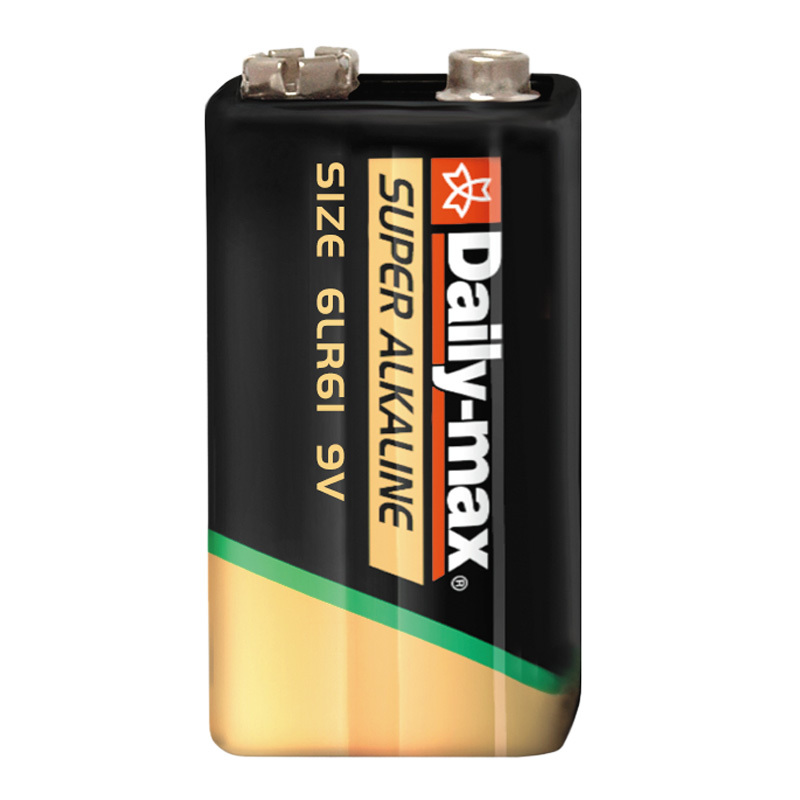
The 6LR61 Black Gold-1S Industrial Alkaline battery is a high-overall performance battery designed f...
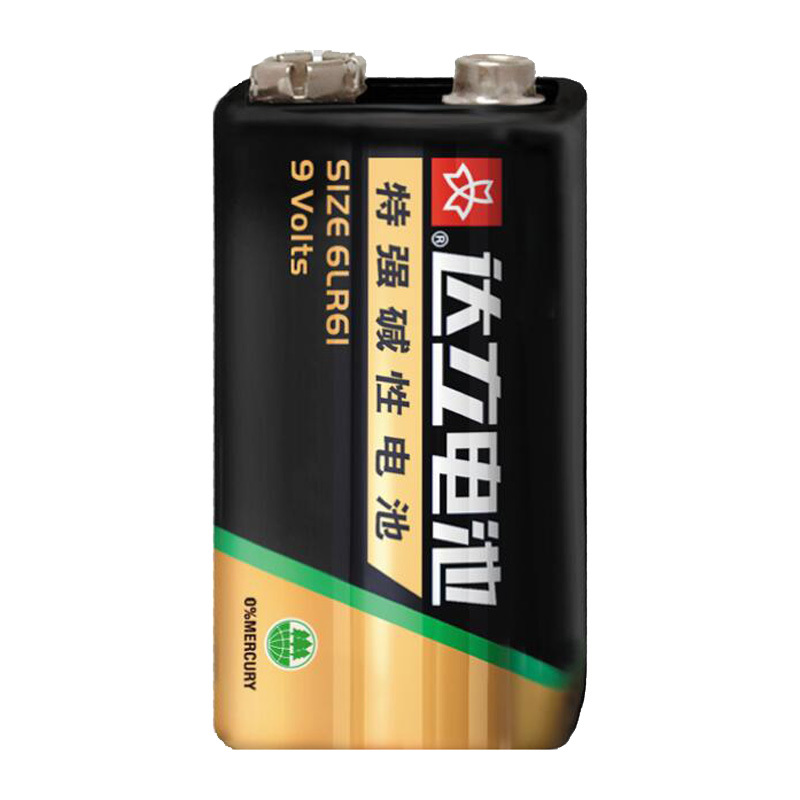
The 6LR61-1 shrink Industrial Alkaline battery is a compact and reliable electricity solution for bu...
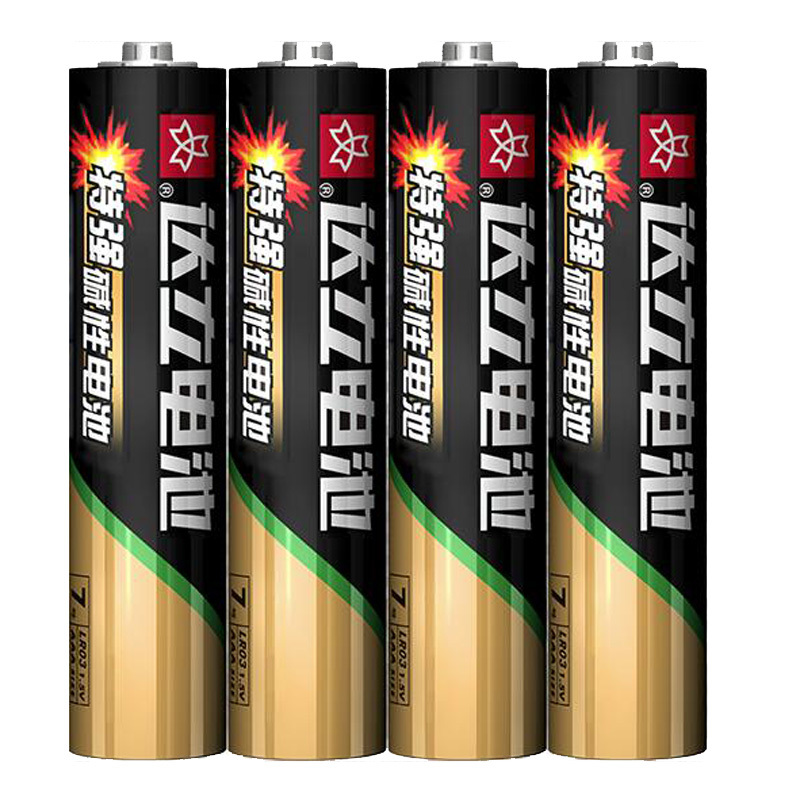
The LR03-4 shrink Industrial Alkaline battery is a fairly efficient and reliable strength solution d...
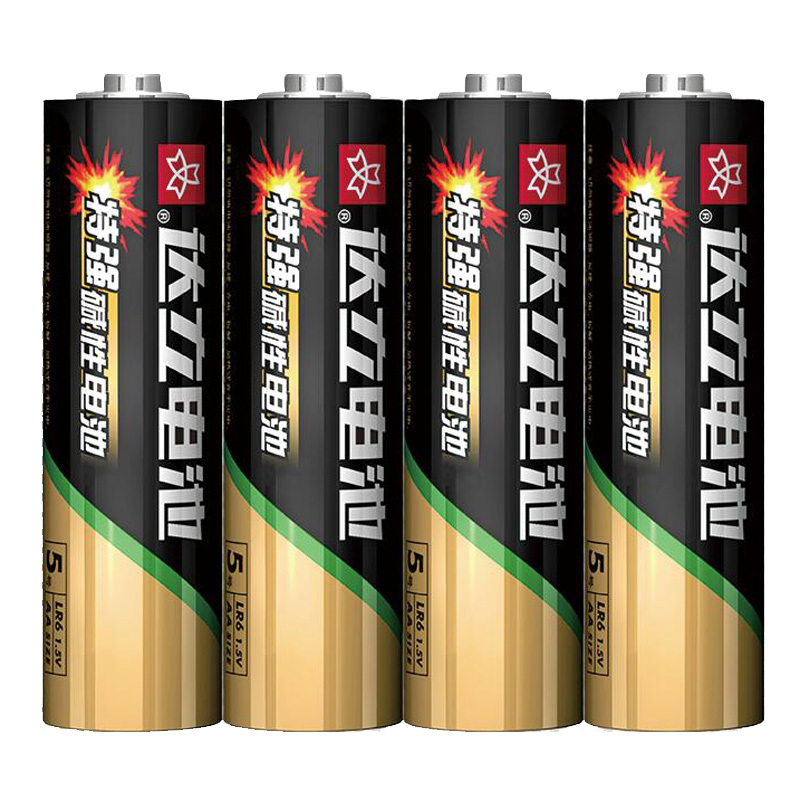
The LR6-4 shrink Industrial Alkaline battery is a dependable and versatile strength answer specifica...
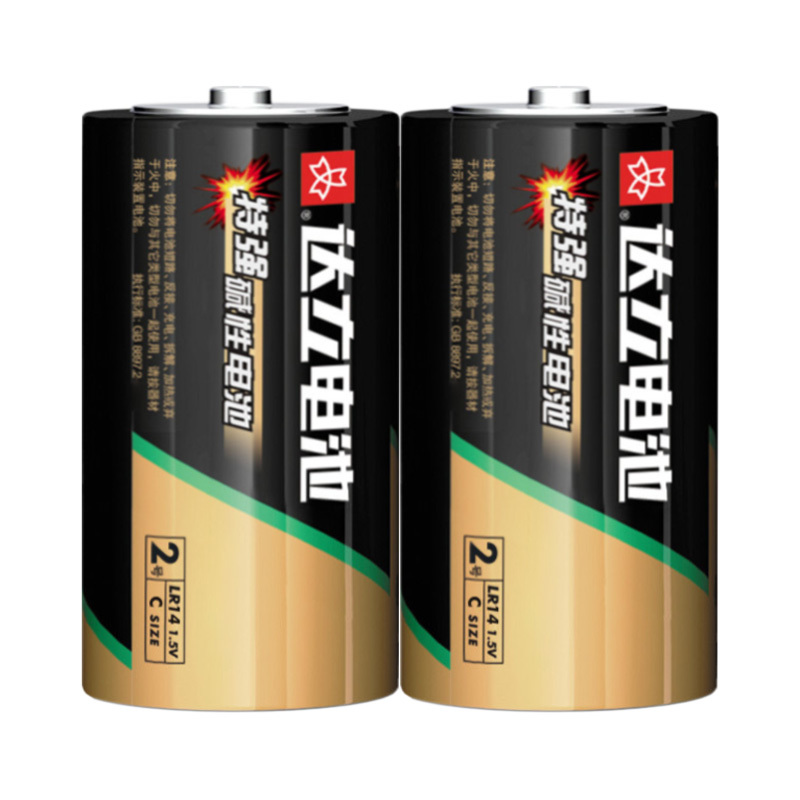
The LR14-2 shrink Industrial Alkaline battery is a high-quality and sturdy strength supply in partic...
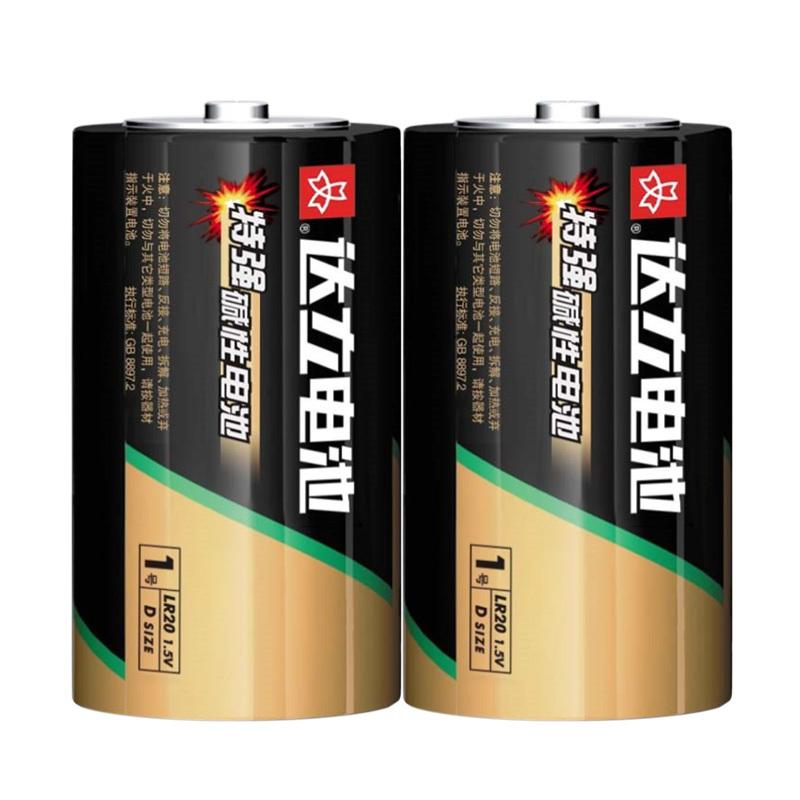
The LR14-2 shrink Industrial Alkaline battery is a high-quality and sturdy strength supply in partic...
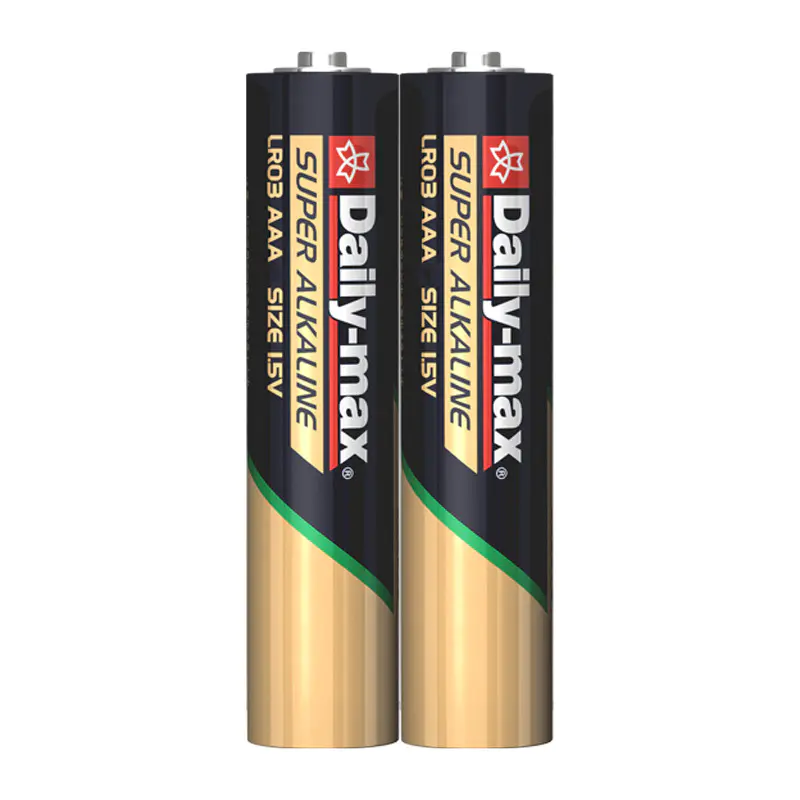
The LR03 Black Gold-2S Industrial Alkaline battery is a modern-day power solution particularly engin...
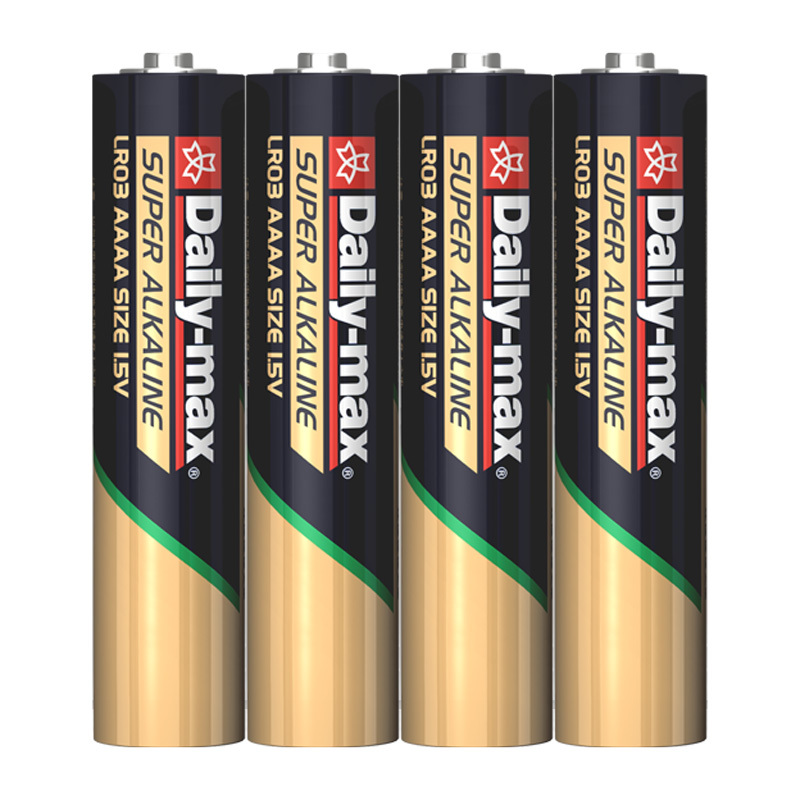
The LR03 Black Gold-4S Industrial Outfit Alkaline Battery is a among the strength source mainly ta...
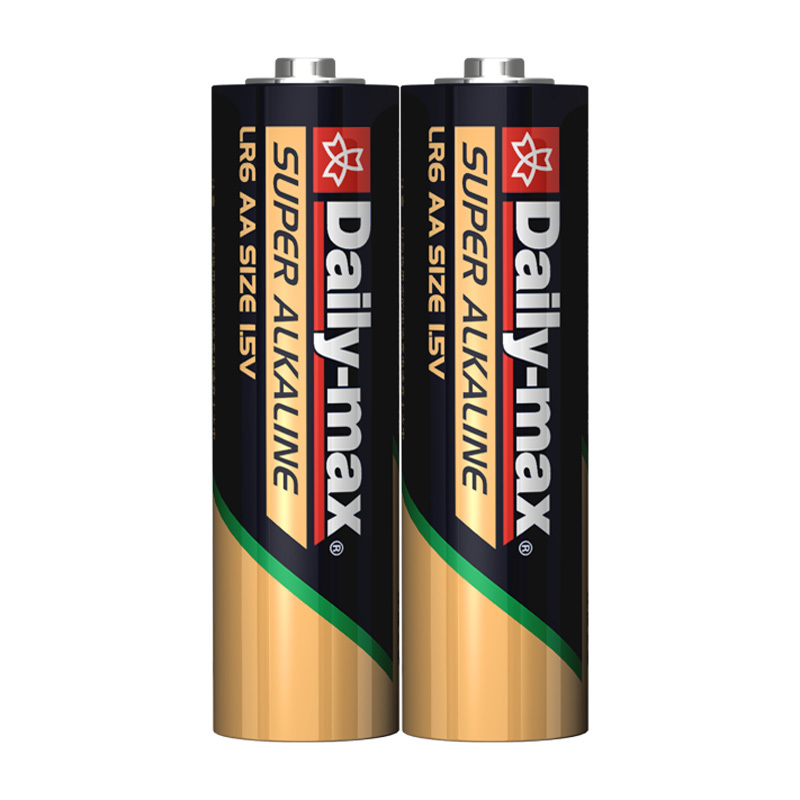
The LR6 Black Gold-2S Industrial Outfit Alkaline Battery is a splendid energy solution designed for ...
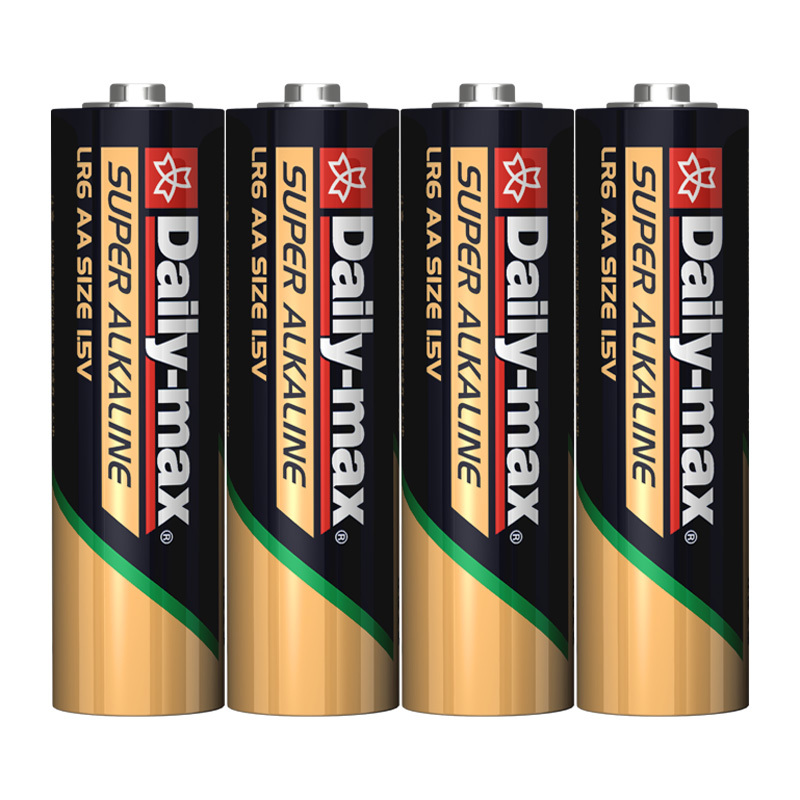
The LR6 Black Gold-4S Alkaline Battery is a reliable electricity source appropriate for various prog...
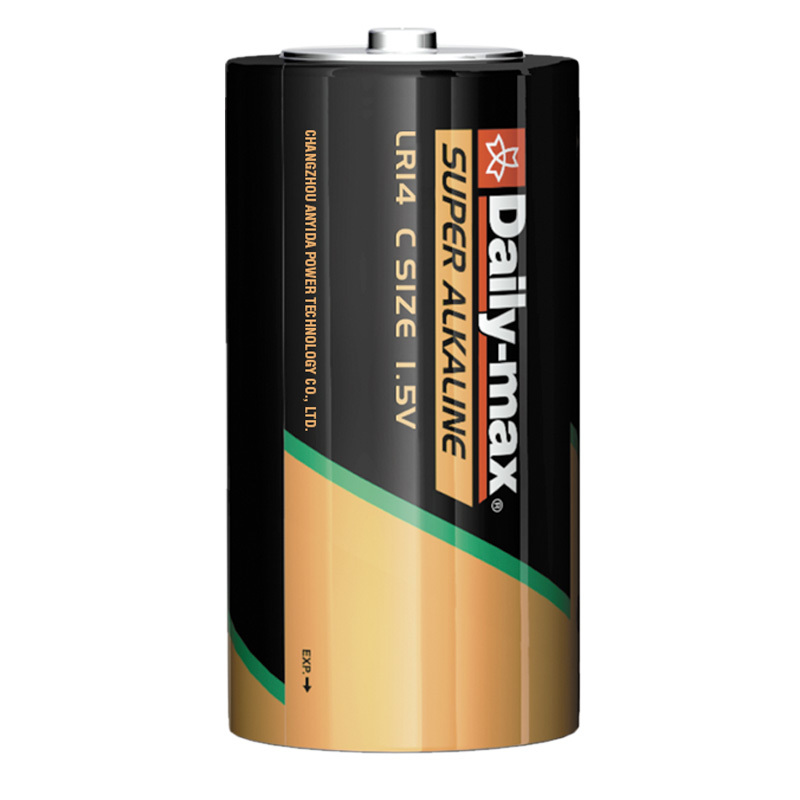
The LR14 Black Gold-1S Alkaline Battery is a high-performance electricity solution designed for a wi...

The LR14 Black Gold-2S Alkaline Battery is an exquisite electricity supply appropriate for diverse p...
-- Steady & Reliable Manufacturer --
Alkaline and lithium batteries are both primary (non-rechargeable) power sources, but they differ fundamentally in chemistry, performance characteristics, and application suitability. While alkaline batteries are the most common primary batteries in consumer devices, lithium batteries offer advantages in specific applications where their higher energy density, wider temperature range, and longer shelf life justify their higher cost.
Alkaline batteries use a zinc-manganese dioxide chemistry with a potassium hydroxide electrolyte, while lithium batteries use a lithium-iron disulfide chemistry (for 1.5V AA/AAA formats) or lithium-manganese dioxide chemistry (for 3V coin and cylindrical formats). This fundamental difference translates to distinct performance profiles that suit different application requirements.
For product designers, procurement managers, and consumers selecting batteries for specific applications, this comparison outlines the key performance differences between alkaline and lithium batteries to support informed decision-making.
| Parameter | Alkaline (Zn-MnO₂) | Lithium (Li-FeS₂ / Li-MnO₂) |
|---|---|---|
| Nominal Voltage | 1.5V (AA/AAA) | 1.5V (AA/AAA) / 3.0V (coin/cylindrical) |
| Chemistry System | Zinc-Manganese Dioxide | Lithium-Iron Disulfide / Lithium-Manganese Dioxide |
| Typical Capacity (AA) | 2700 mAh (20mA drain to 0.9V) | 3000-3200 mAh (20mA drain to 0.9V) |
| Typical Capacity (AAA) | 1050 mAh (20mA drain to 0.9V) | 1200-1300 mAh (20mA drain to 0.9V) |
| Energy Density (AA) | Approx. 4.05 Wh | Approx. 4.50-4.80 Wh |
| Weight (AA) | Approx. 23g | Approx. 15g |
| Internal Resistance (fresh) | ≤ 150mΩ | ≤ 100mΩ |
| Pulse Current Capability | 1.5A | 2.5A |
| Voltage Plateau | Flat discharge curve | Very flat discharge curve |
| Annual Self-Discharge | ≤ 2% at 20°C | ≤ 1% at 20°C |
| Shelf Life (unused) | Up to 7 years | Up to 10-15 years |
| Operating Temperature | -20°C to +55°C | -40°C to +60°C |
| Capacity at -20°C | 50-60% of rated | 85-90% of rated |
| Leakage Risk | Low with quality seals | Extremely low (hermetic seal) |
| Cost per Unit | Medium | High (3-5x alkaline) |
| Regulatory Certifications | RoHS, REACH, CE, UL | RoHS, REACH, CE, UL, UN38.3 |
| Application Consideration | Recommended Chemistry |
|---|---|
| General-purpose consumer device | Alkaline |
| Device used in extreme cold (-20°C or below) | Lithium |
| Device requiring 10+ year shelf life | Lithium |
| High-drain device requiring maximum runtime | Lithium |
| Weight-sensitive application (portable electronics) | Lithium |
| Cost-sensitive application | Alkaline |
| Device replaced or used frequently | Alkaline |
| Emergency or critical equipment | Lithium (for reliability) |
In most cases, 1.5V lithium batteries (Li-FeS₂) can be used as direct replacements for alkaline batteries in devices designed for 1.5V alkaline cells:
For devices where battery cost is a significant consideration, alkaline batteries may provide better value despite the performance advantages of lithium.
Lithium batteries cost more due to several factors:
For applications where these performance advantages are essential, the higher cost of lithium batteries is often justified by improved reliability and reduced maintenance.
Yes, lithium batteries typically last longer than alkaline batteries in several ways:
However, for low-drain devices where battery life is already measured in months or years, the difference in runtime may not justify the higher cost of lithium batteries.
Yes, lithium primary batteries are safe when used according to manufacturer instructions:
When used properly, lithium primary batteries pose minimal safety risk and offer significant performance advantages over alkaline batteries.
Choose lithium batteries over alkaline in these situations:
For general-purpose consumer devices in moderate conditions, alkaline batteries often provide the best balance of performance and cost.
top

E-mail: [email protected]
E-mail: [email protected]

Phone: +86-13861108887
Phone: +86-13338792022

Address: Southern door, NO.1 East Road, Lou Xia Industrial Park, Rulin Town, Jintan District, Changzhou city, Jiangsu, China
QR code on
mobile phone
Copyright © Changzhou Strengh (Anyida) Power Technology Co., Ltd. All rights reserved.
Custom Primary Volt Batteries Suppliers
 English
 中文简体
 русский
 Español
 عربى