

Send Inquiry

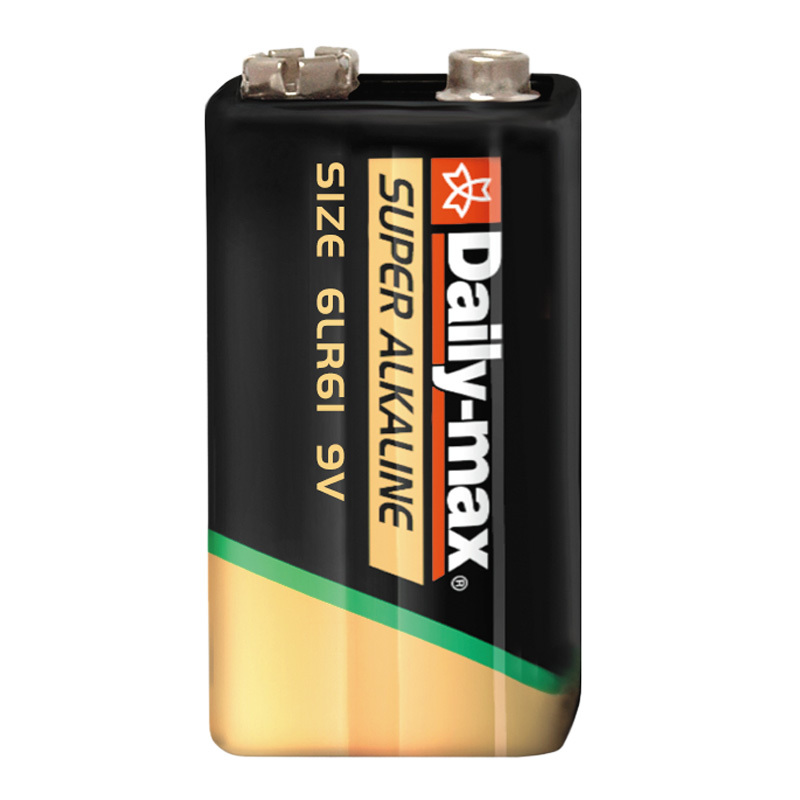
The 6LR61 Black Gold-1S Industrial Alkaline battery is a high-overall performance battery designed f...
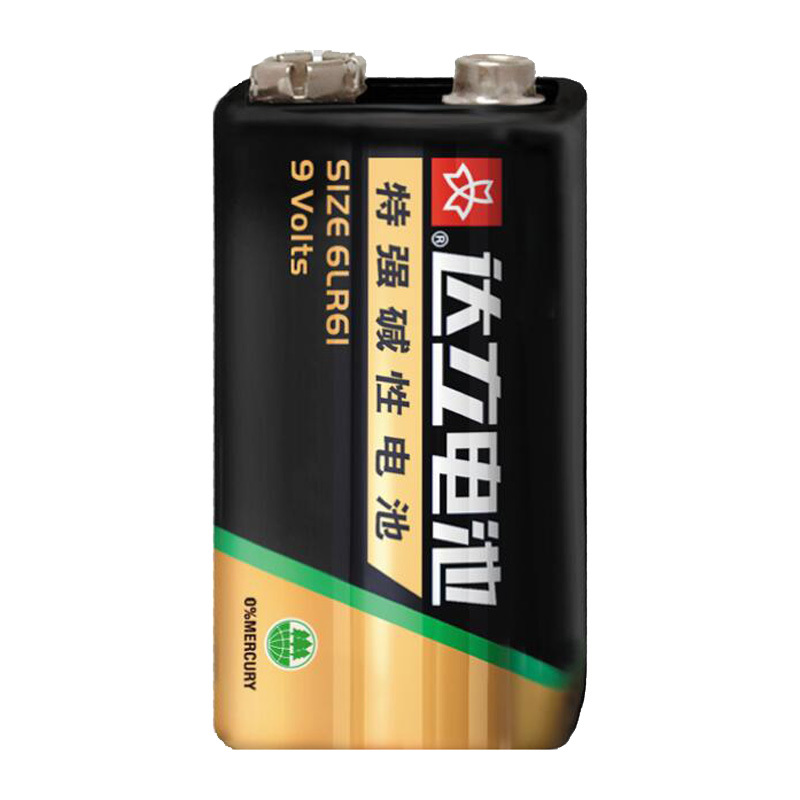
The 6LR61-1 shrink Industrial Alkaline battery is a compact and reliable electricity solution for bu...
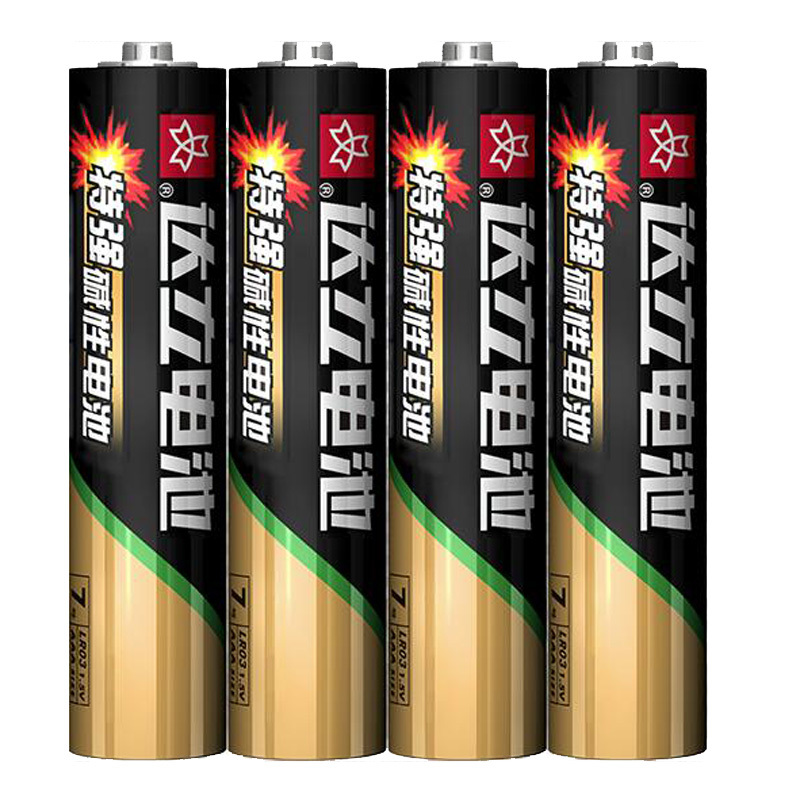
The LR03-4 shrink Industrial Alkaline battery is a fairly efficient and reliable strength solution d...
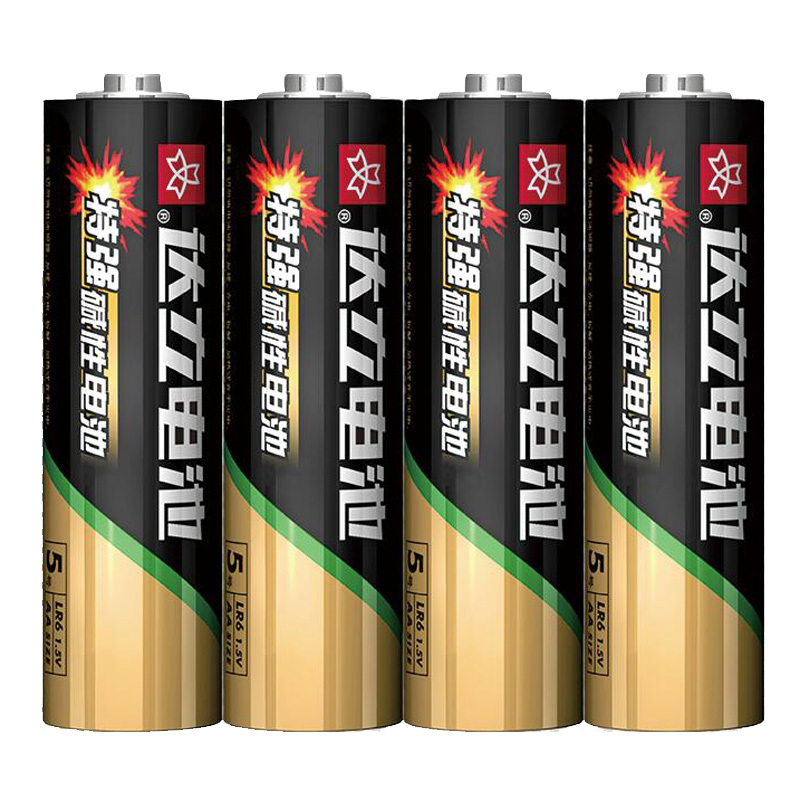
The LR6-4 shrink Industrial Alkaline battery is a dependable and versatile strength answer specifica...
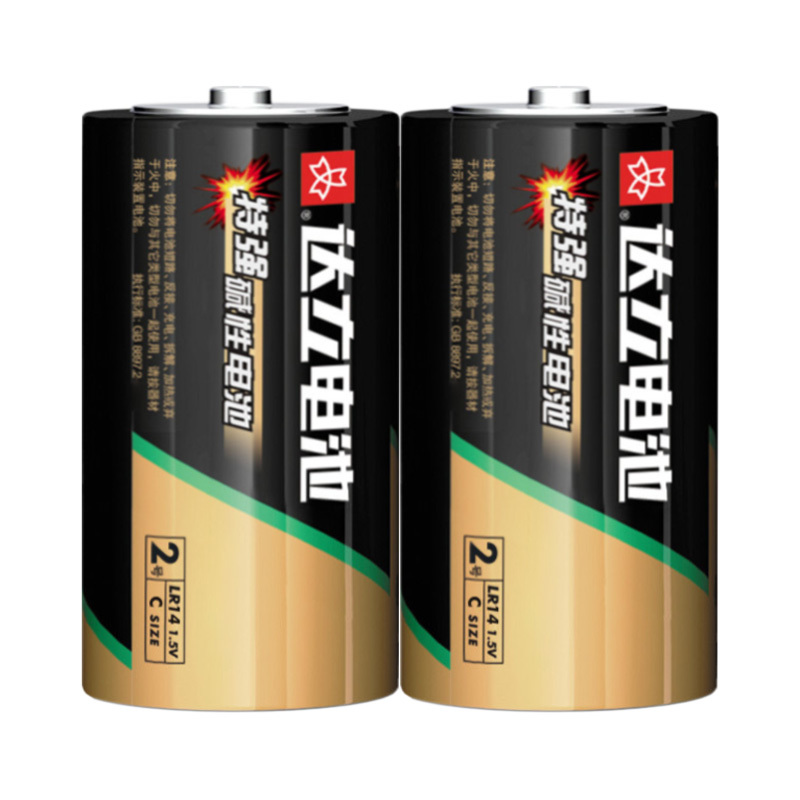
The LR14-2 shrink Industrial Alkaline battery is a high-quality and sturdy strength supply in partic...
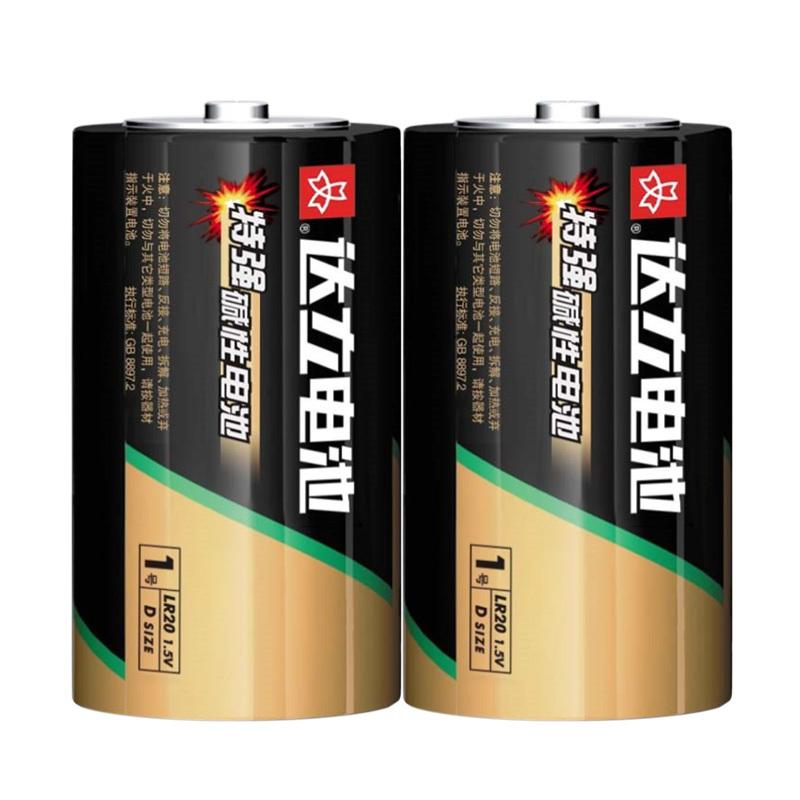
The LR14-2 shrink Industrial Alkaline battery is a high-quality and sturdy strength supply in partic...
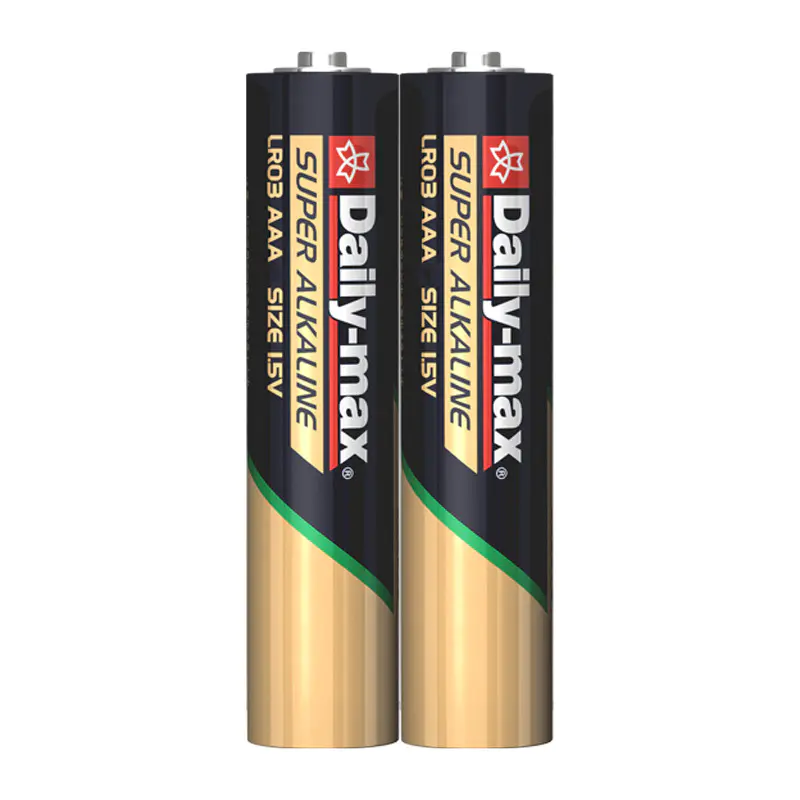
The LR03 Black Gold-2S Industrial Alkaline battery is a modern-day power solution particularly engin...
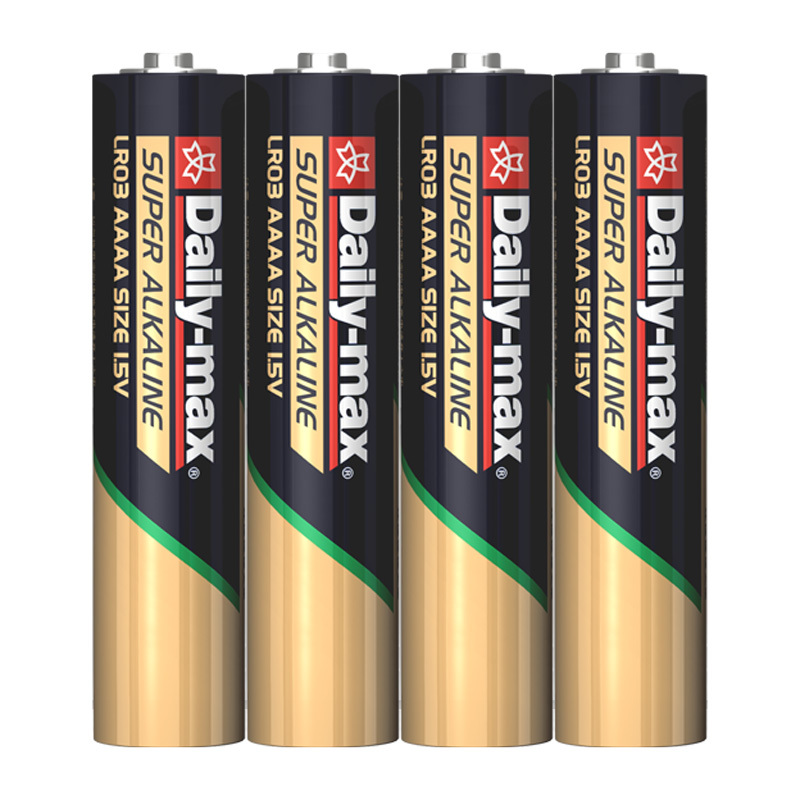
The LR03 Black Gold-4S Industrial Outfit Alkaline Battery is a among the strength source mainly ta...
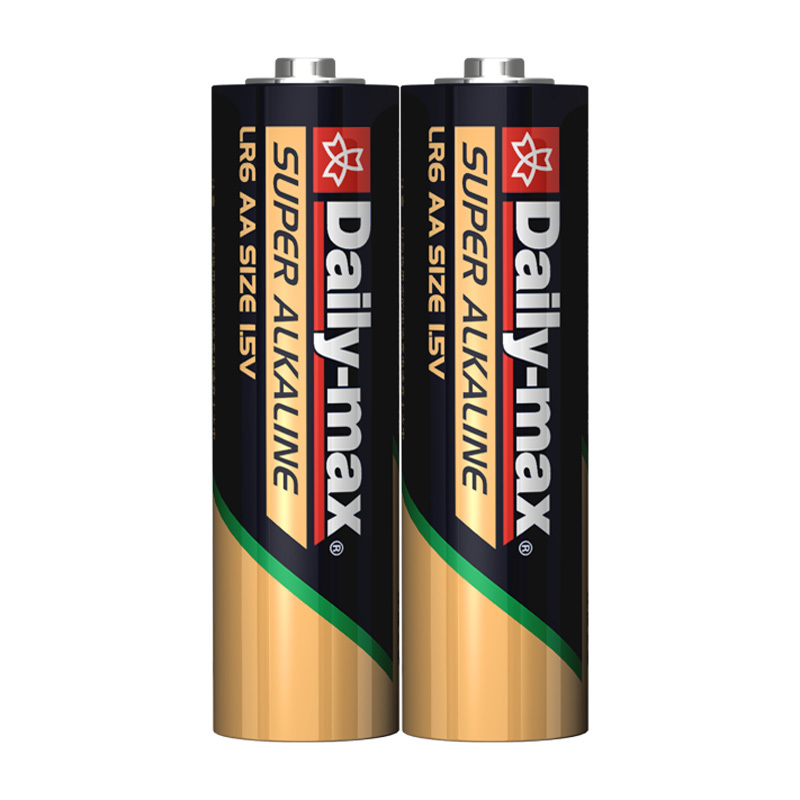
The LR6 Black Gold-2S Industrial Outfit Alkaline Battery is a splendid energy solution designed for ...
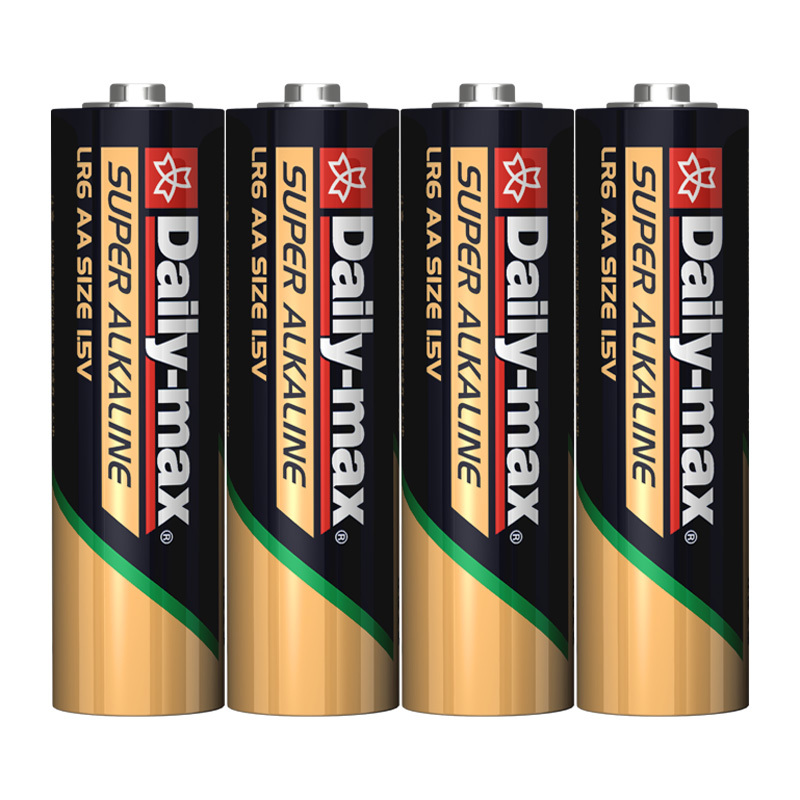
The LR6 Black Gold-4S Alkaline Battery is a reliable electricity source appropriate for various prog...
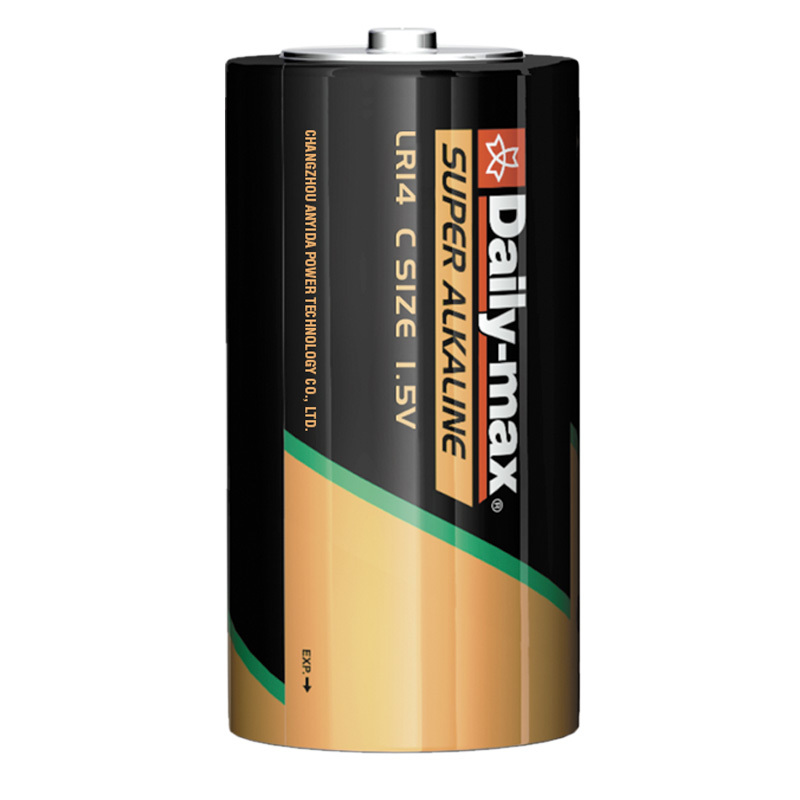
The LR14 Black Gold-1S Alkaline Battery is a high-performance electricity solution designed for a wi...

The LR14 Black Gold-2S Alkaline Battery is an exquisite electricity supply appropriate for diverse p...
-- Steady & Reliable Manufacturer --
Primary (non-rechargeable) and rechargeable batteries serve fundamentally different roles in modern electronics. Primary batteries are designed for single-use applications where convenience, long shelf life, and immediate readiness are prioritized. Rechargeable batteries are designed for applications where frequent use justifies the higher upfront cost and the inconvenience of recharging. Understanding the trade-offs between these two categories is essential for selecting the right power source for a given application.
Primary batteries include alkaline, lithium, carbon-zinc, and silver oxide chemistries, while rechargeable batteries include nickel-metal hydride (NiMH), lithium-ion (Li-ion), and nickel-cadmium (NiCd) chemistries. Each chemistry has distinct advantages and limitations that determine its suitability for specific applications.
For product designers, procurement managers, and consumers, this comparison outlines the key performance differences between primary and rechargeable batteries to support informed decision-making.
| Parameter | Primary (Alkaline/Lithium) | Rechargeable (NiMH/Li-ion) |
|---|---|---|
| Nominal Voltage (AA/AAA) | 1.5V | 1.2V (NiMH) / 3.6-3.7V (Li-ion) |
| Typical Capacity (AA) | 2700 mAh (alkaline) / 3000 mAh (lithium) | 2000-2500 mAh (NiMH) |
| Cycle Life | Single use | 500-1000 cycles (NiMH) / 300-500 cycles (Li-ion) |
| Self-Discharge (annual) | ≤2% (alkaline) / ≤1% (lithium) | 15-20% per month (NiMH) / 2-5% per month (Li-ion) |
| Shelf Life (unused) | 7 years (alkaline) / 10 years (lithium) | 1-3 years (NiMH) / 3-5 years (Li-ion) |
| Initial Cost | Low-Medium | High |
| Cost per Cycle | N/A | Low (after 10-20 cycles) |
| Environmental Impact | Disposal required | Reusable, lower waste |
| Temperature Range | -20°C to +55°C | 0°C to +45°C (NiMH) / -20°C to +60°C (Li-ion) |
| Memory Effect | None | Minimal (NiMH) / None (Li-ion) |
| Regulatory Certifications | RoHS, REACH, CE, UL | RoHS, REACH, CE, UL, UN38.3 |
| Application Consideration | Recommended Type |
|---|---|
| Device used daily or weekly | Rechargeable |
| Device used occasionally (monthly or less) | Primary |
| Emergency or safety equipment | Primary |
| Device stored for extended periods | Primary |
| High-drain device used frequently | Rechargeable |
| Cost-sensitive application | Primary (for infrequent use) or Rechargeable (for frequent use) |
| Extreme temperature environments | Primary (alkaline or lithium) |
| Environmental sustainability priority | Rechargeable |
In most cases, rechargeable batteries can be used in devices designed for primary batteries, but there are important considerations:
For devices where voltage-sensitive performance is critical, check the device manufacturer's recommendations for rechargeable battery compatibility.
Rechargeable battery cycle life varies by chemistry:
Cycle life is affected by factors such as depth of discharge, charging rate, temperature, and storage conditions. Quality rechargeable batteries from reputable manufacturers typically achieve the higher end of these ranges.
Rechargeable batteries lose capacity during storage due to self-discharge:
For applications where the device is used infrequently, primary batteries are often more reliable because they retain their charge for years.
Rechargeable batteries generally have a lower environmental impact over their lifecycle:
For applications where rechargeable batteries are used repeatedly, the environmental benefits are significant. For infrequent-use applications, primary batteries may have a lower overall impact.
Primary batteries are generally recommended for emergency preparedness:
For emergency kits, store a combination of alkaline and lithium primary batteries, along with a quality flashlight and weather radio. Rechargeable batteries can supplement the kit if charging infrastructure is available.

top

E-mail: [email protected]
E-mail: [email protected]

Phone: +86-13861108887
Phone: +86-13338792022

Address: Southern door, NO.1 East Road, Lou Xia Industrial Park, Rulin Town, Jintan District, Changzhou city, Jiangsu, China
QR code on
mobile phone
Copyright © Changzhou Strengh (Anyida) Power Technology Co., Ltd. All rights reserved.
Custom Primary Volt Batteries Suppliers
 English
 中文简体
 русский
 Español
 عربى