

Send Inquiry

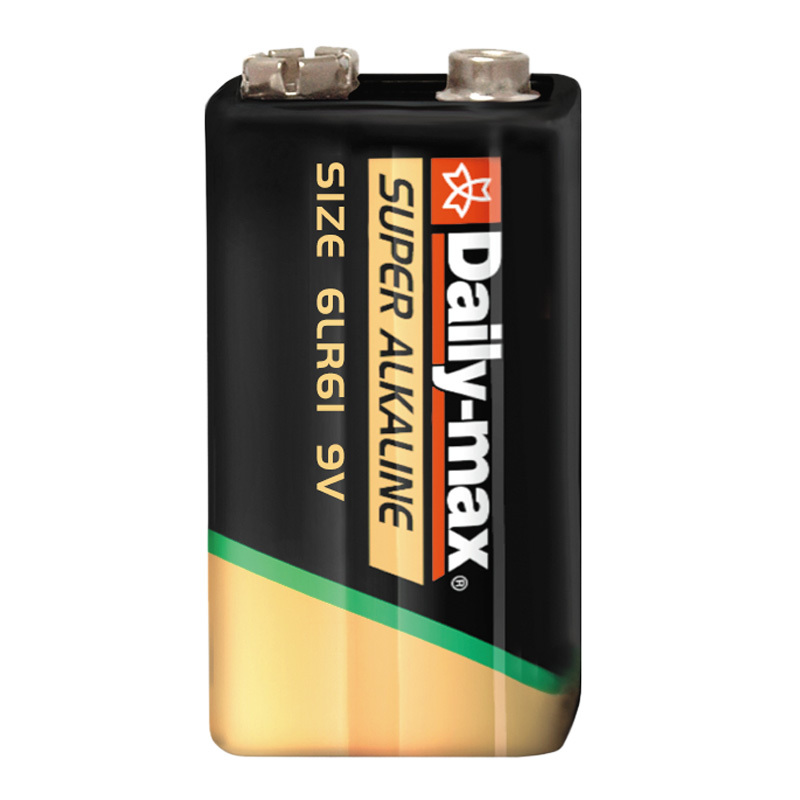
The 6LR61 Black Gold-1S Industrial Alkaline battery is a high-overall performance battery designed f...
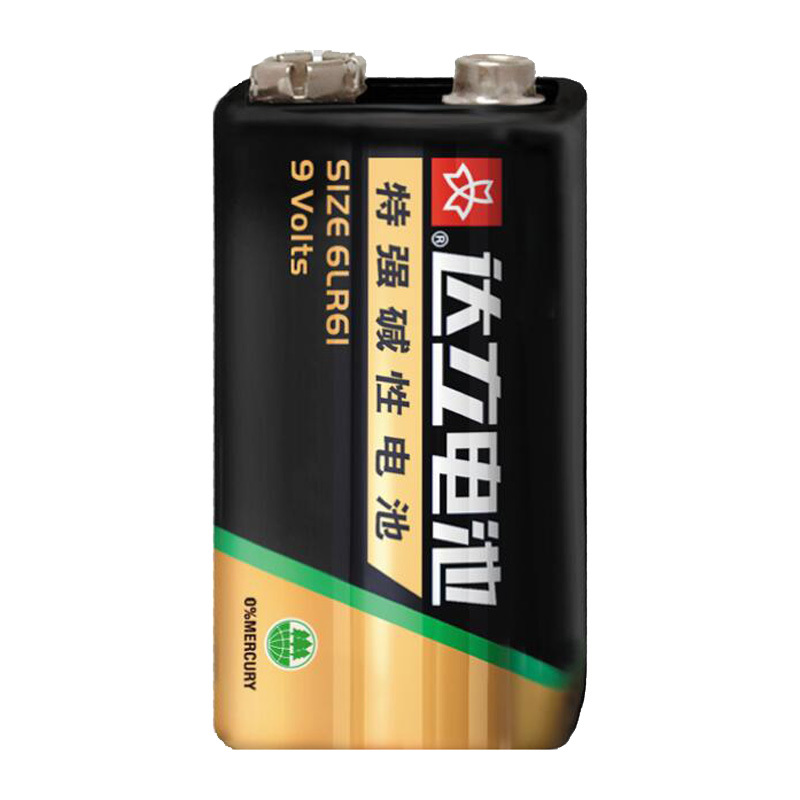
The 6LR61-1 shrink Industrial Alkaline battery is a compact and reliable electricity solution for bu...
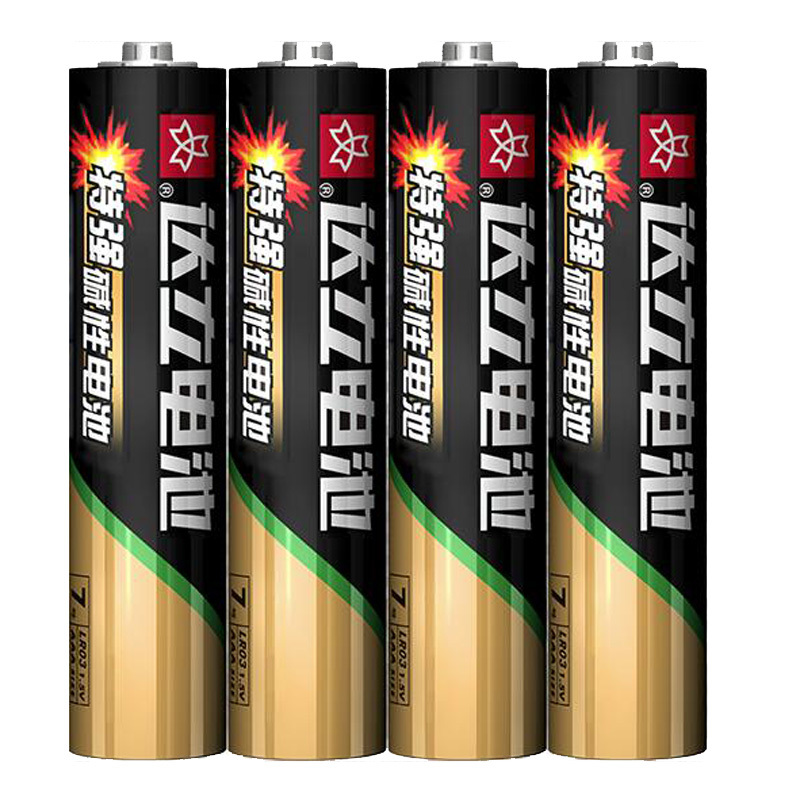
The LR03-4 shrink Industrial Alkaline battery is a fairly efficient and reliable strength solution d...
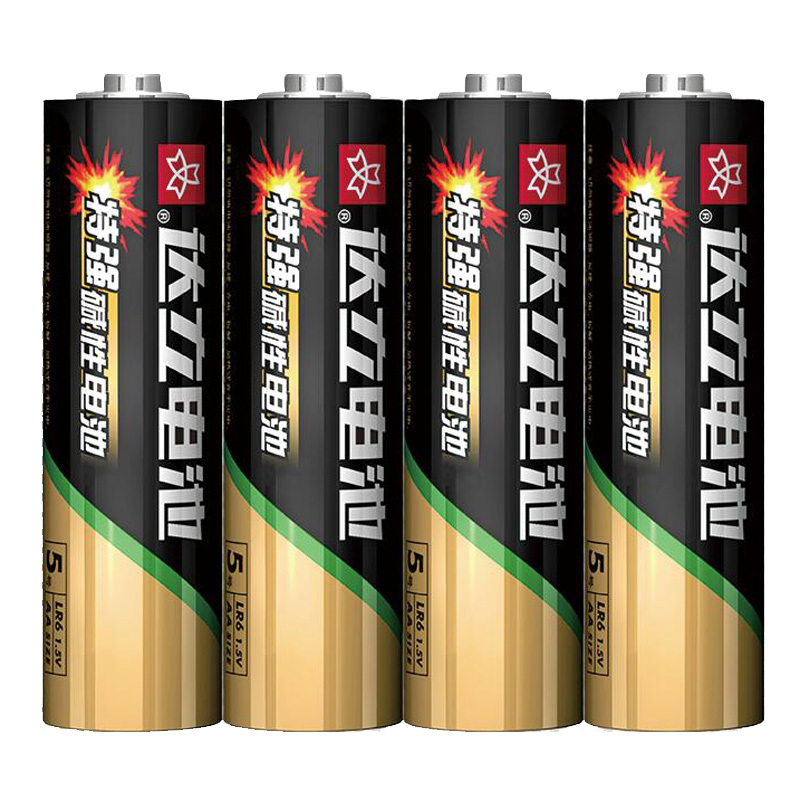
The LR6-4 shrink Industrial Alkaline battery is a dependable and versatile strength answer specifica...
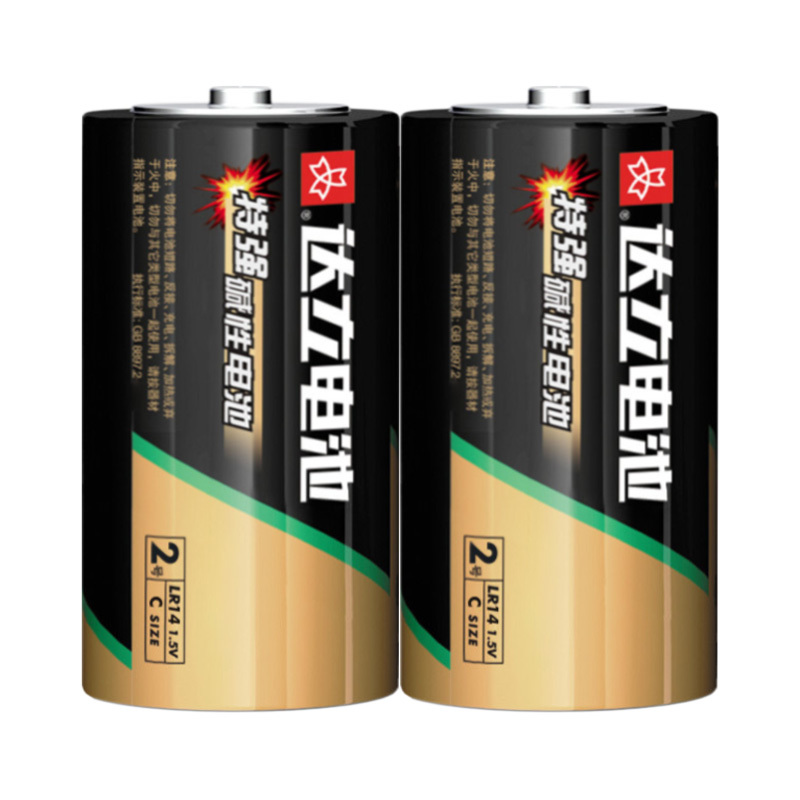
The LR14-2 shrink Industrial Alkaline battery is a high-quality and sturdy strength supply in partic...
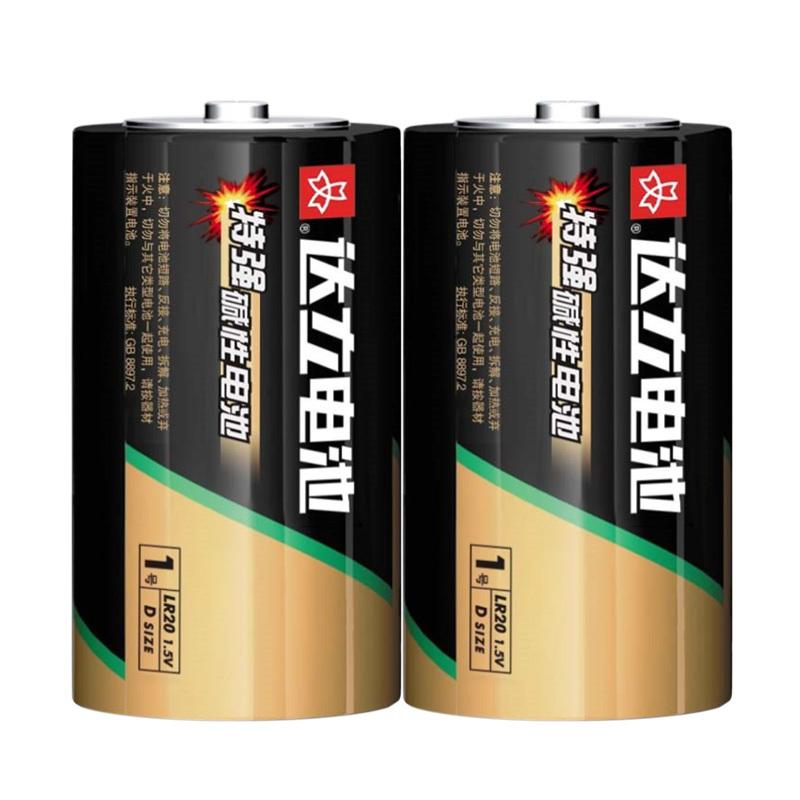
The LR14-2 shrink Industrial Alkaline battery is a high-quality and sturdy strength supply in partic...
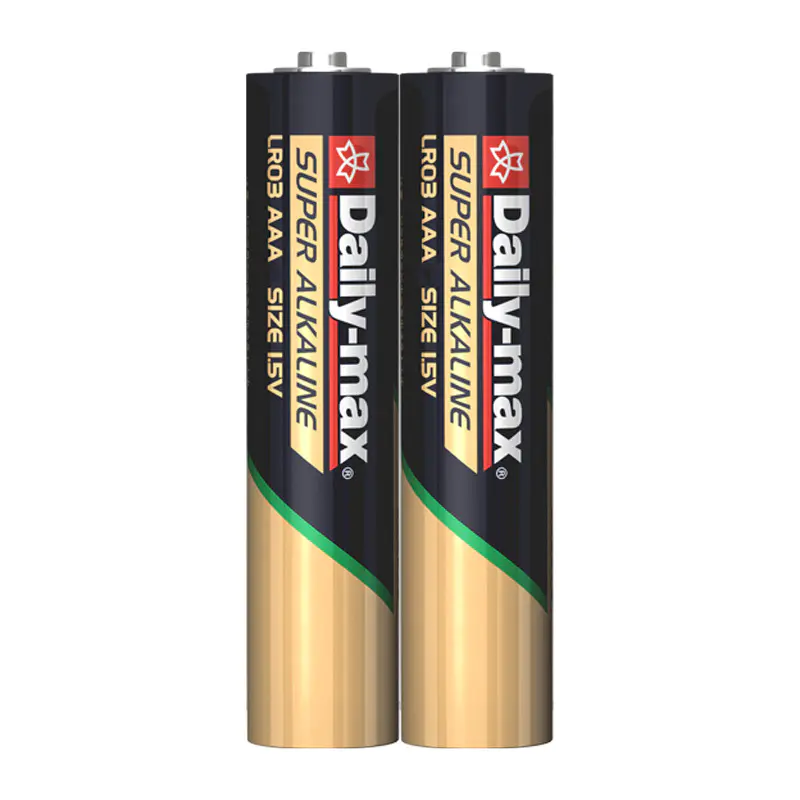
The LR03 Black Gold-2S Industrial Alkaline battery is a modern-day power solution particularly engin...
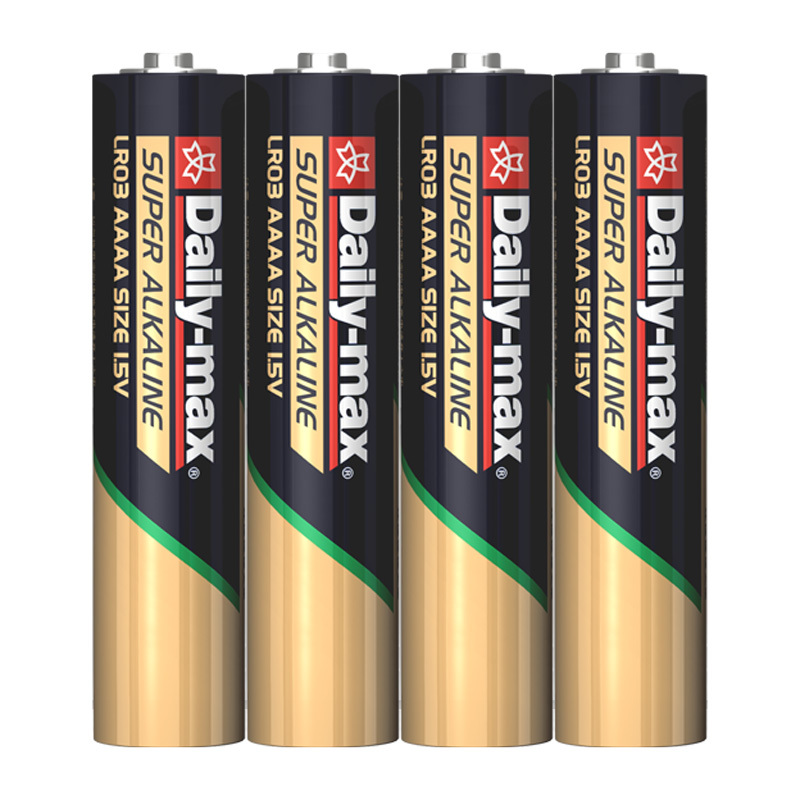
The LR03 Black Gold-4S Industrial Outfit Alkaline Battery is a among the strength source mainly ta...
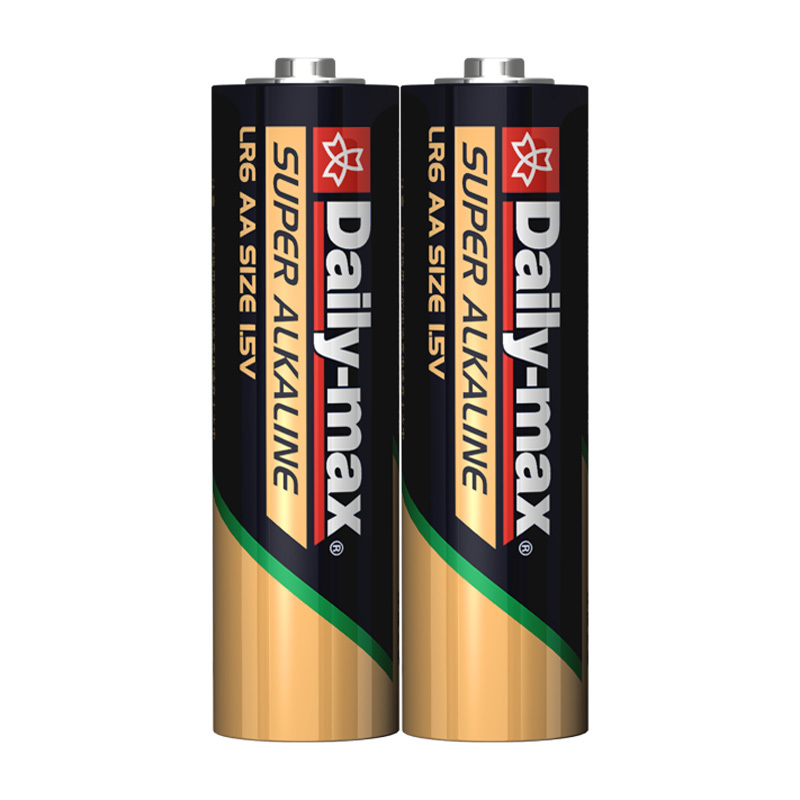
The LR6 Black Gold-2S Industrial Outfit Alkaline Battery is a splendid energy solution designed for ...
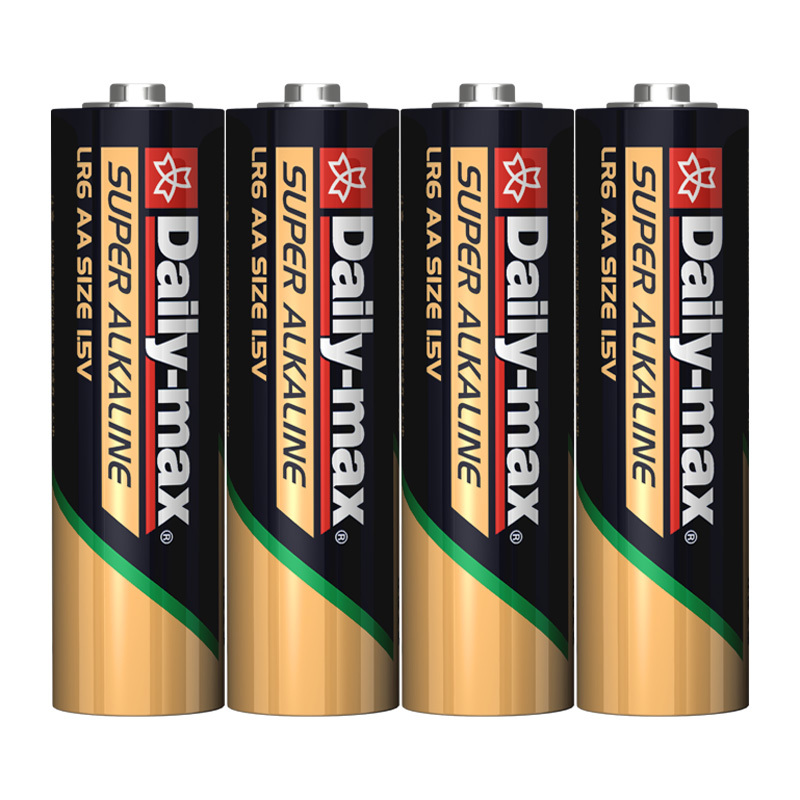
The LR6 Black Gold-4S Alkaline Battery is a reliable electricity source appropriate for various prog...
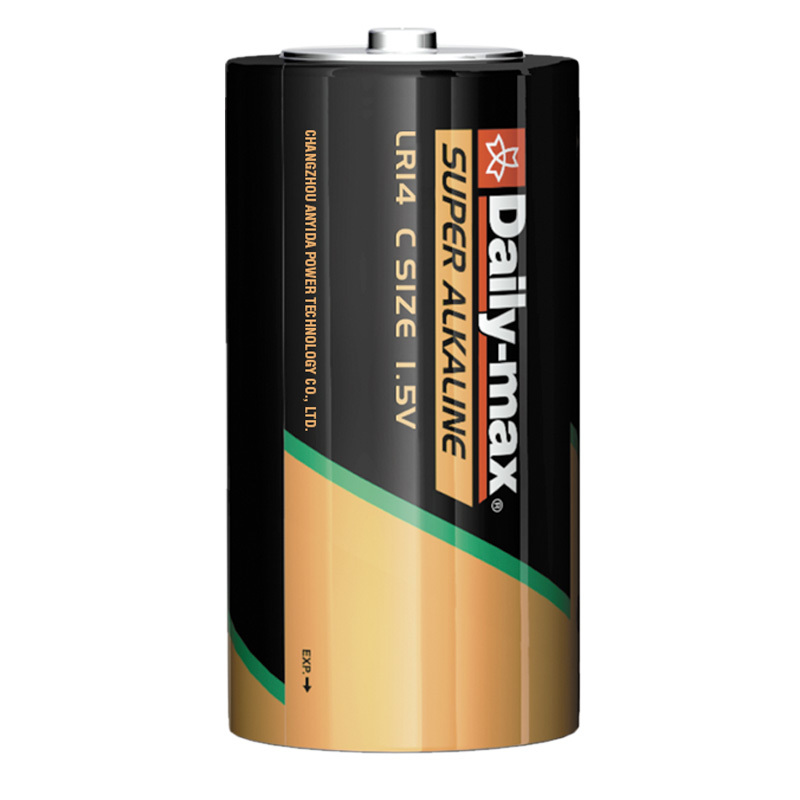
The LR14 Black Gold-1S Alkaline Battery is a high-performance electricity solution designed for a wi...

The LR14 Black Gold-2S Alkaline Battery is an exquisite electricity supply appropriate for diverse p...
-- Steady & Reliable Manufacturer --
Long shelf life primary batteries are engineered for applications requiring extended storage periods without significant capacity loss. These batteries maintain their energy content over 10 to 15 years of storage at room temperature, making them ideal for emergency equipment, military applications, medical devices, and backup systems. The low self-discharge characteristics of lithium-based chemistries, combined with advanced sealing technology, enable this extended shelf life while ensuring the battery remains functional when needed.
Changzhou Strengh (Anyida) Power Technology Co., Ltd. manufactures primary batteries with industry-leading shelf life. Our lithium-thionyl chloride (Li-SOCl₂) and lithium-manganese dioxide (Li-MnO₂) batteries demonstrate annual self-discharge rates below 1%, with storage life exceeding 10 years. All production is conducted in ISO9001 and ISO14001 certified facilities, with UL and CE certifications ensuring compliance with international safety standards.
| Parameter | Specification |
|---|---|
| Shelf Life | 10-15 years at 20°C (Lithium-based chemistries) |
| Self-Discharge Rate | < 1% per year at 20°C |
| Nominal Voltage | 3.0V (Li-MnO₂) / 3.6V (Li-SOCl₂) |
| Capacity Retention | > 90% after 10 years storage |
| Operating Temperature | -40°C to +85°C |
| Storage Temperature | -20°C to +40°C |
| Certifications | UL, CE, RoHS, REACH, ISO9001, ISO14001 |
Primary batteries with lithium chemistry can be stored for 10 to 15 years at room temperature (20°C) with minimal capacity loss. Alkaline batteries typically have a shelf life of 5-7 years. Storage conditions significantly affect shelf life - cooler temperatures generally extend shelf life.
The recommended storage temperature for lithium primary batteries is between 10°C and 25°C. Storage in cooler temperatures (10-15°C) can further reduce self-discharge rates, while temperatures above 30°C will increase self-discharge and may reduce battery life.
Batteries should be tested using a calibrated voltmeter to check voltage. If the voltage is at or above the nominal voltage (3.0V or 3.6V for lithium batteries), the battery is likely functional. For critical applications, capacity testing using appropriate discharge equipment is recommended.
When selecting batteries for long shelf life applications, consider these factors:
We offer comprehensive manufacturing and customization services for long shelf life batteries:
top

E-mail: [email protected]
E-mail: [email protected]

Phone: +86-13861108887
Phone: +86-13338792022

Address: Southern door, NO.1 East Road, Lou Xia Industrial Park, Rulin Town, Jintan District, Changzhou city, Jiangsu, China
QR code on
mobile phone
Copyright © Changzhou Strengh (Anyida) Power Technology Co., Ltd. All rights reserved.
Custom Primary Volt Batteries Suppliers
 English
 中文简体
 русский
 Español
 عربى