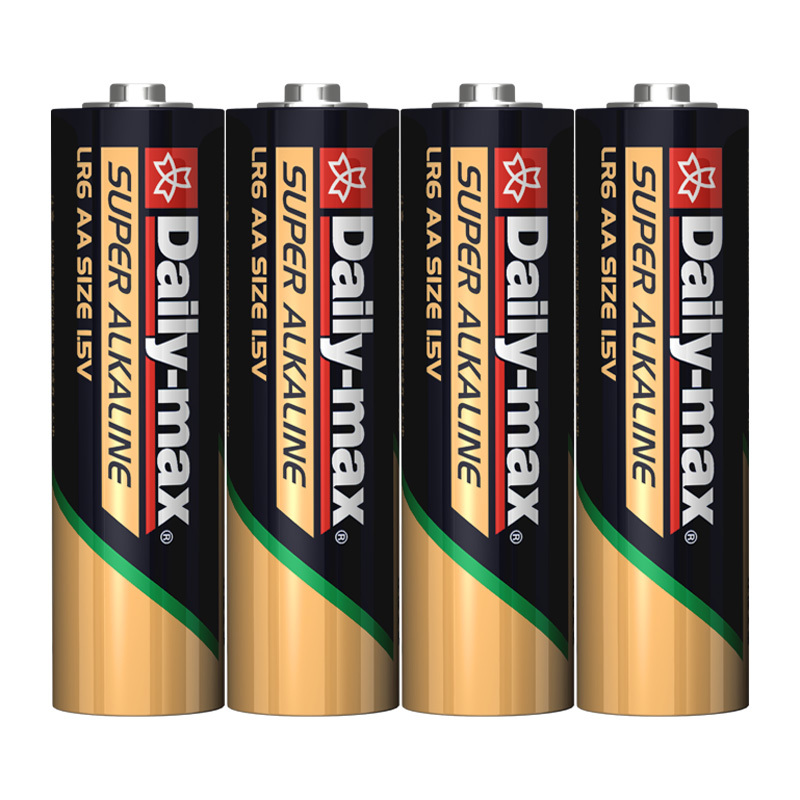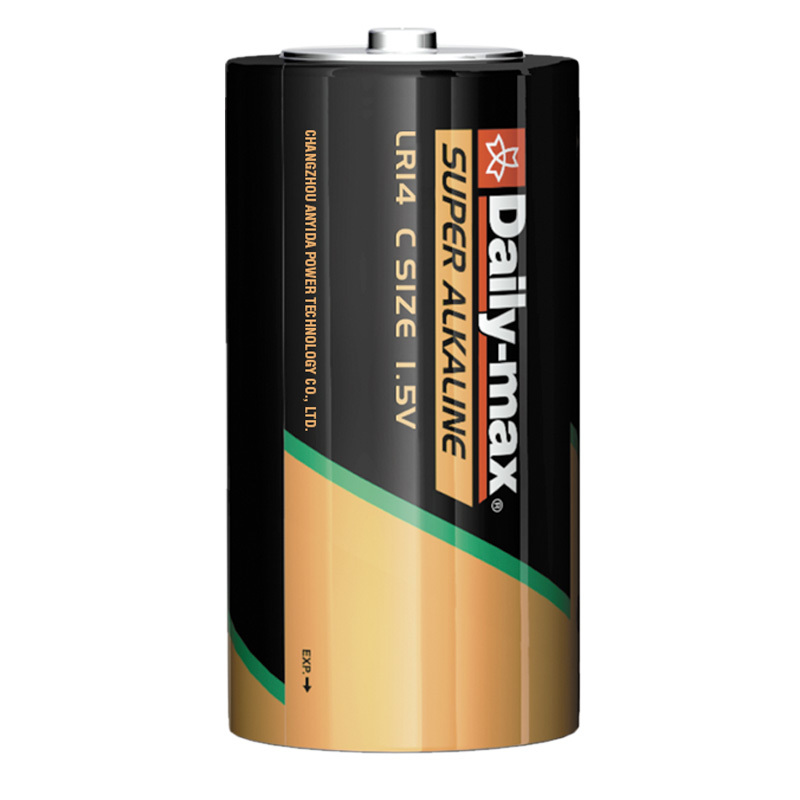
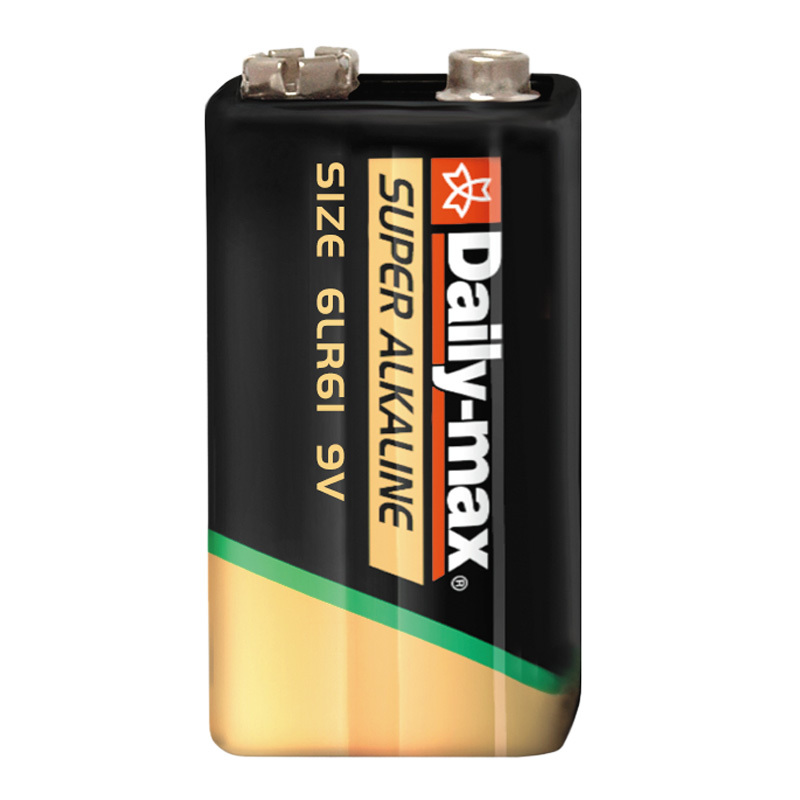
+86-13861108887
Changzhou Strengh Power Technology

Specializing in research, development, and production of primary batteries

ISO 9001ISO 14001UL CERoHSREACHSGS
25% Engineering Team
7 Certifications
15 Years Experience
50+ Export Countries
Explore Products
Daily-max Primary Battery Manufacturer

Battery Shelf Life Explained

-- Steady & Reliable Manufacturer --

Battery Shelf Life Explained

Battery shelf life refers to the period during which a battery retains its specified performance characteristics while in storage. For manufacturers, distributors, and consumers, understanding shelf life is critical for inventory management, product reliability, and ensuring that batteries perform as expected when installed in devices.

Shelf life is influenced by several factors, including battery chemistry, storage temperature, humidity, and packaging. Alkaline batteries typically have a shelf life of 5-7 years, while lithium batteries can last 10-15 years under proper storage conditions. Carbon-zinc batteries have the shortest shelf life, typically 2-3 years.

For procurement managers, warehouse operators, and consumers, understanding the factors that affect shelf life and implementing proper storage practices is essential for maximizing battery performance and minimizing waste. The following specifications outline the key parameters for battery shelf life management.

Technical Specifications

ParameterSpecification
Chemistry SystemAlkaline (Zn-MnO₂) / Lithium (Li-FeS₂, Li-MnO₂) / Carbon-Zinc
Shelf Life (Alkaline)Up to 7 years (at 20°C, ≤65% RH)
Shelf Life (Lithium)Up to 10 years (Li-FeS₂) / Up to 15 years (Li-MnO₂)
Shelf Life (Carbon-Zinc)Up to 3 years
Capacity Retention (Alkaline, 5 years)≥ 90%
Capacity Retention (Lithium, 10 years)≥ 90%
Self-Discharge Rate (Alkaline)≤ 2% per year at 20°C
Self-Discharge Rate (Lithium)≤ 1% per year at 20°C
Optimal Storage Temperature10°C to 25°C
Optimal Storage Humidity≤ 65% relative humidity
Temperature Effect on Shelf LifeEvery 10°C increase above 25°C reduces shelf life by approximately 50%
Leakage Resistance (long-term)Passed IEC 60086-5 extended storage test
Date CodingManufacturing date and best-before date printed on packaging
Regulatory CertificationsRoHS, REACH, CE, UL
Packaging OptionsBlister pack, shrink-wrapped tray, bulk carton, vacuum-sealed

Application Scenarios

  • Warehouse Inventory Management: Stock rotation and shelf life tracking for distributors and retailers
  • Emergency Preparedness: Storing batteries for emergency kits, weather radios, and flashlights
  • Medical Device Stockpiling: Ensuring critical medical equipment batteries are within their usable life
  • Military Logistics: Managing battery stockpiles for deployment and field operations
  • Retail Display: Ensuring batteries on store shelves are within their shelf life and date-coded properly
  • Consumer Storage: Storing spare batteries for household devices

Factors Affecting Shelf Life

  • Temperature: Higher temperatures accelerate self-discharge and seal degradation; every 10°C increase above 25°C can reduce shelf life by approximately 50%
  • Humidity: High humidity can cause corrosion of contacts and accelerate leakage; storage below 65% RH is recommended
  • Chemistry: Lithium batteries have the longest shelf life (10-15 years), followed by alkaline (5-7 years), and carbon-zinc (2-3 years)
  • Packaging: Original packaging protects batteries from moisture, physical damage, and short circuits; vacuum-sealed packaging extends shelf life
  • Date of Manufacture: Batteries begin to self-discharge from the date of manufacture, so inventory should be rotated using first-in, first-out (FIFO) management
  • Physical Damage: Dented, punctured, or crushed batteries have reduced shelf life and increased leakage risk

Storage Best Practices

  • Climate Control: Store batteries in a cool, dry location away from direct sunlight and heat sources
  • Original Packaging: Keep batteries in their original packaging until use to protect against moisture and short circuits
  • Inventory Rotation: Use first-in, first-out (FIFO) management to ensure older stock is used first
  • Separation: Do not store loose batteries together with metal objects that could cause short circuits
  • Inspection: Periodically inspect stored batteries for signs of leakage, corrosion, or physical damage
  • Documentation: Record manufacturing dates and expiration dates for inventory tracking and traceability

Why Choose This Battery for Long Shelf Life

  • Proven Shelf Life: Tested and validated for 7-10 years of shelf life under recommended storage conditions
  • Low Self-Discharge: Annual self-discharge of ≤2% (alkaline) or ≤1% (lithium) ensures that batteries retain most of their capacity during storage
  • Leakage-Proof Design: Advanced sealing technology prevents electrolyte leakage during extended storage, protecting equipment and inventory
  • Clear Date Coding: Manufacturing date and best-before date printed on packaging for easy inventory management
  • Global Regulatory Compliance: All cells carry RoHS, REACH, CE, and UL certifications
  • Multiple Packaging Options: Available in vacuum-sealed packaging for extended storage applications

Frequently Asked Questions

Battery shelf life refers to the period during which a battery retains its specified performance characteristics while in storage. Key points:

  • Capacity Retention: The battery retains at least 80-90% of its rated capacity at the end of the shelf life period
  • Not a Sudden Expiration: Batteries do not stop working immediately after the shelf life period; they gradually lose capacity over time
  • Storage Conditions Matter: Shelf life is specified under recommended storage conditions (10°C-25°C, ≤65% RH); poor storage conditions reduce shelf life
  • Date Coding: Most quality batteries have a manufacturing date and best-before date printed on the packaging

For critical applications, use batteries within their recommended shelf life and rotate inventory regularly.

Temperature has a significant impact on battery shelf life:

  • Optimal Temperature: 10°C to 25°C provides the best shelf life retention
  • Elevated Temperatures: Every 10°C increase above 25°C reduces shelf life by approximately 50%
  • High Temperature Storage: Storage at 40°C can reduce shelf life from 7 years to 2-3 years
  • Freezing: While batteries can survive freezing, repeated freeze-thaw cycles may damage seals and reduce shelf life
  • Temperature Fluctuations: Rapid temperature changes can cause condensation, increasing corrosion and leakage risk

For maximum shelf life, store batteries in a climate-controlled environment away from heat sources and direct sunlight.

Expired batteries can often still be used, but with caveats:

  • Reduced Capacity: Expired batteries may provide only 50-70% of their original capacity
  • Increased Leakage Risk: Older batteries are more prone to leakage, especially if fully discharged
  • Device Compatibility: Some devices may not operate properly with reduced voltage from expired batteries
  • Critical Applications: Do not use expired batteries in critical safety devices or medical equipment
  • Testing: Test expired batteries with a voltmeter before use; discard any that show signs of leakage or physical damage

For non-critical applications, expired batteries can be used with caution, but should be replaced if performance is inadequate.

Proper storage is essential for maximizing battery shelf life:

  • Temperature: Store at 10°C to 25°C; avoid temperature extremes and rapid fluctuations
  • Humidity: Keep relative humidity below 65% to prevent corrosion and leakage
  • Original Packaging: Keep batteries in their original packaging until use to prevent short circuits
  • Separation: Do not store loose batteries together with metal objects
  • Rotation: Use first-in, first-out (FIFO) inventory management to ensure older stock is used first
  • Inspection: Periodically inspect stored batteries for signs of leakage or damage

Following these guidelines can maximize capacity retention and ensure readiness when batteries are needed.

Battery date codes vary by manufacturer, but typically include:

  • Manufacturing Date: The date the battery was produced, often encoded as a year and week number
  • Best-Before Date: The recommended date by which the battery should be used for optimal performance
  • Format: Common formats include YYWW (year and week), MM/YYYY, or a Julian date code
  • Location: Date codes are typically printed on the battery label, packaging, or both
  • Interpretation: Contact the manufacturer or refer to their website for specific date code interpretation

For inventory management, record the manufacturing date and best-before date when receiving battery shipments.
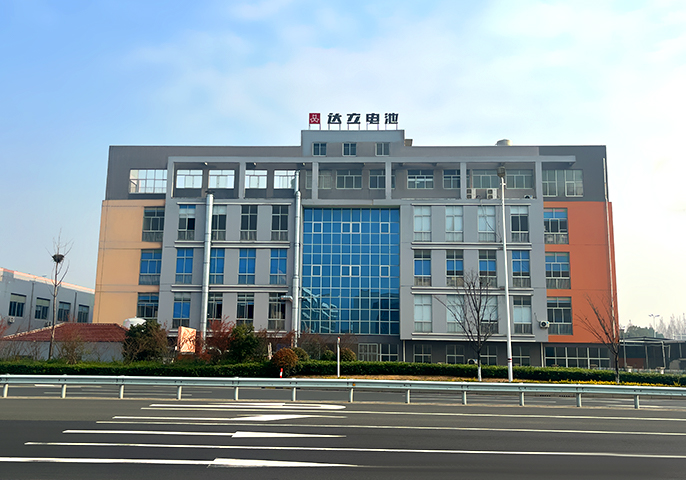
Changzhou Strengh (Anyida) Power Technology Co., Ltd.

About Us

Changzhou Strengh (Anyida) Power Technology Co., Ltd. is a private enterprise in Jiangsu specializing in the research, development, production and operation of primary batteries. The company's advanced production equipment, sophisticated testing equipment, and standardized management provide a reliable guarantee for the stability and improvement of product quality. A large amount of capital has been invested in new product development and technological innovation, and a large number of high-tech talents have been introduced. At present, engineering and technical personnel have accounted for more than 25% of the total number of employees, with strong economic and technical strength. The company has passed ISO9001, ISO14001, UL, CE, ROHS, SGS, REACH and other certifications and tests.

Contact us now

Recommended LINS: Long Shelf Life Primary Batteries Battery Solutions for High-Drain Devices Battery Solutions for Low-Drain Devices Battery Solutions for Cold Weather Performance Battery Solutions for High-Temperature Environments Battery Solutions for Long-Term Storage Battery Solutions with Leakage Protection Battery OEM Manufacturer