

Send Inquiry

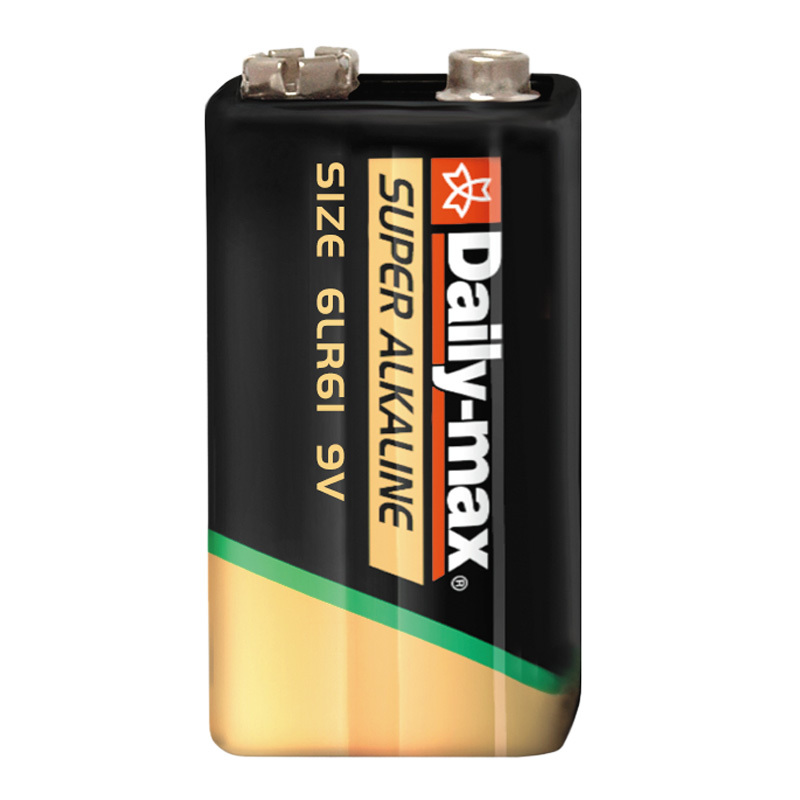
The 6LR61 Black Gold-1S Industrial Alkaline battery is a high-overall performance battery designed f...
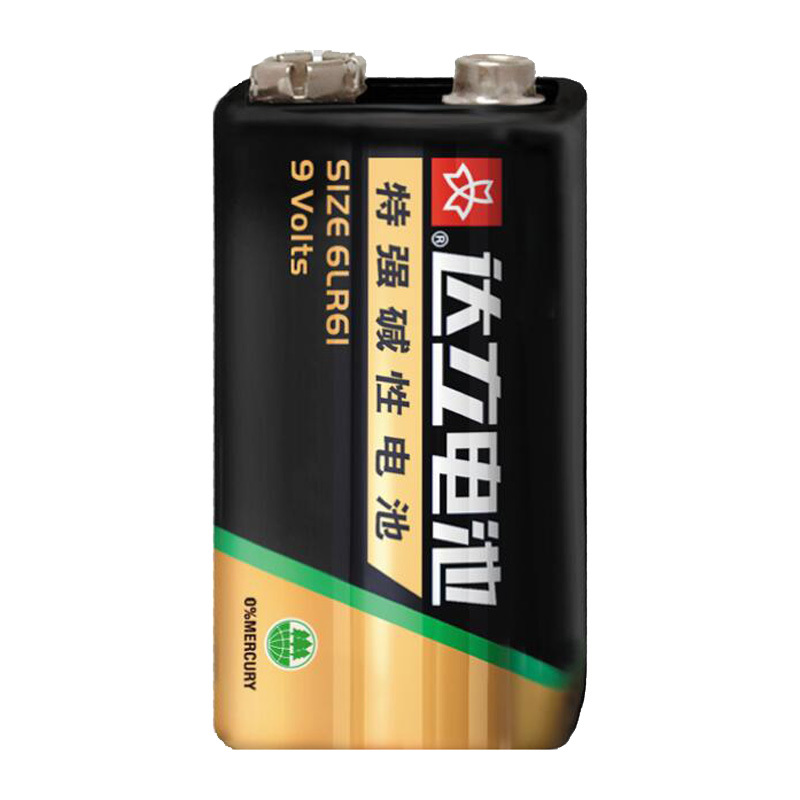
The 6LR61-1 shrink Industrial Alkaline battery is a compact and reliable electricity solution for bu...
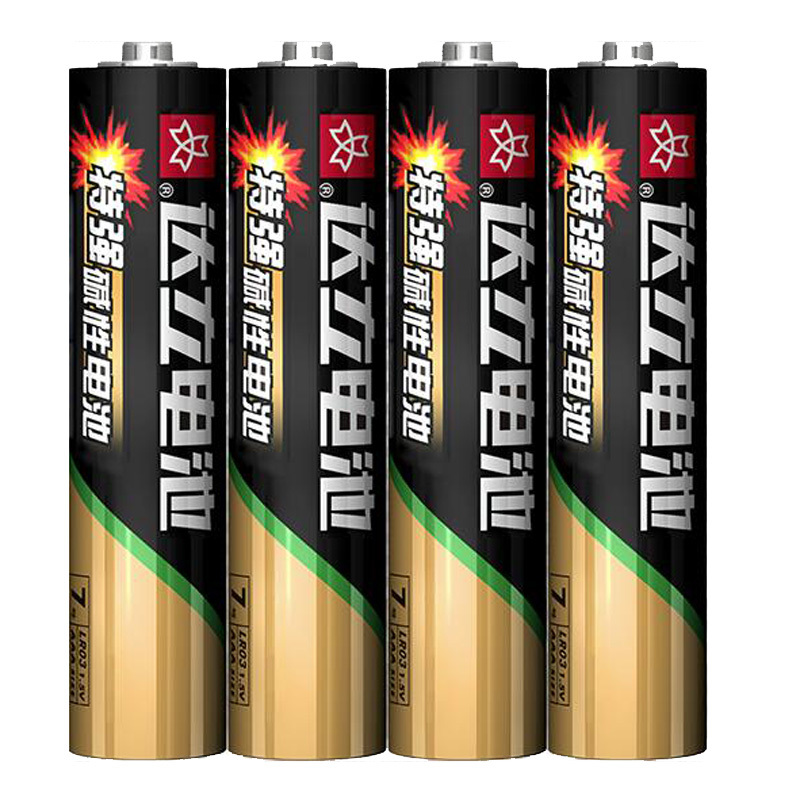
The LR03-4 shrink Industrial Alkaline battery is a fairly efficient and reliable strength solution d...
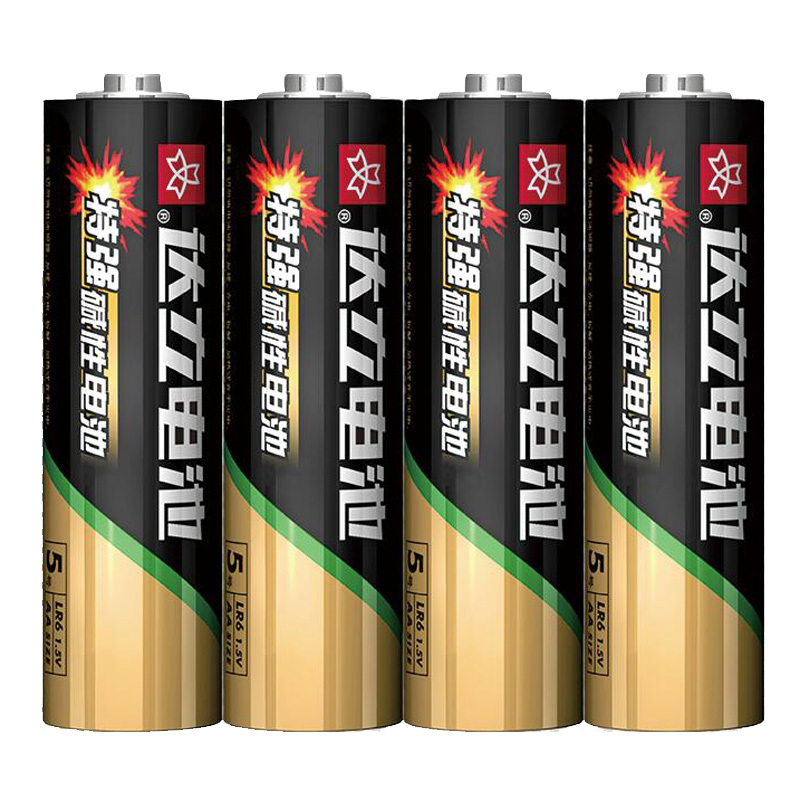
The LR6-4 shrink Industrial Alkaline battery is a dependable and versatile strength answer specifica...
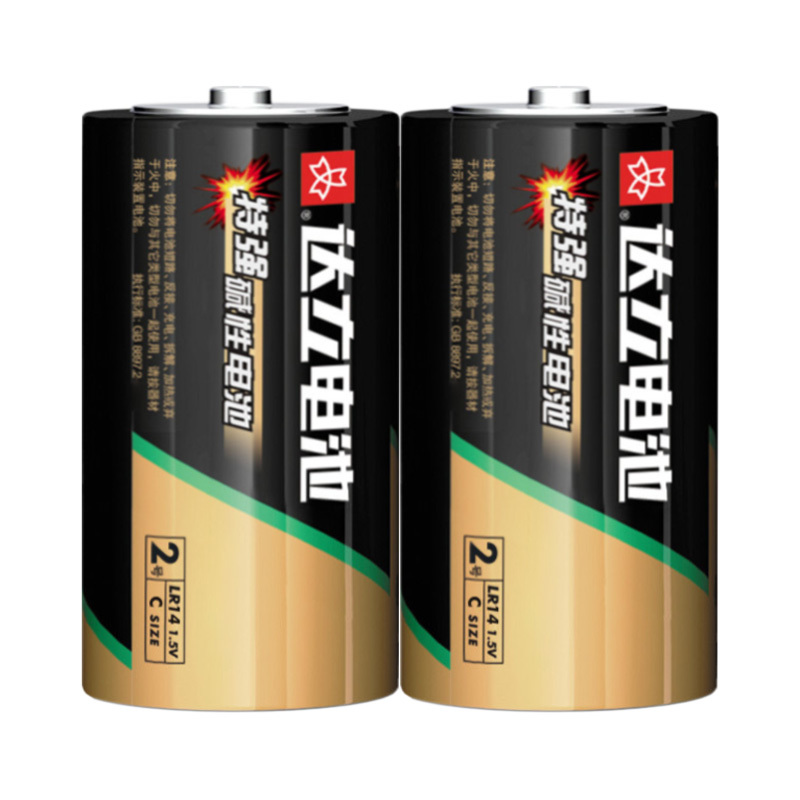
The LR14-2 shrink Industrial Alkaline battery is a high-quality and sturdy strength supply in partic...
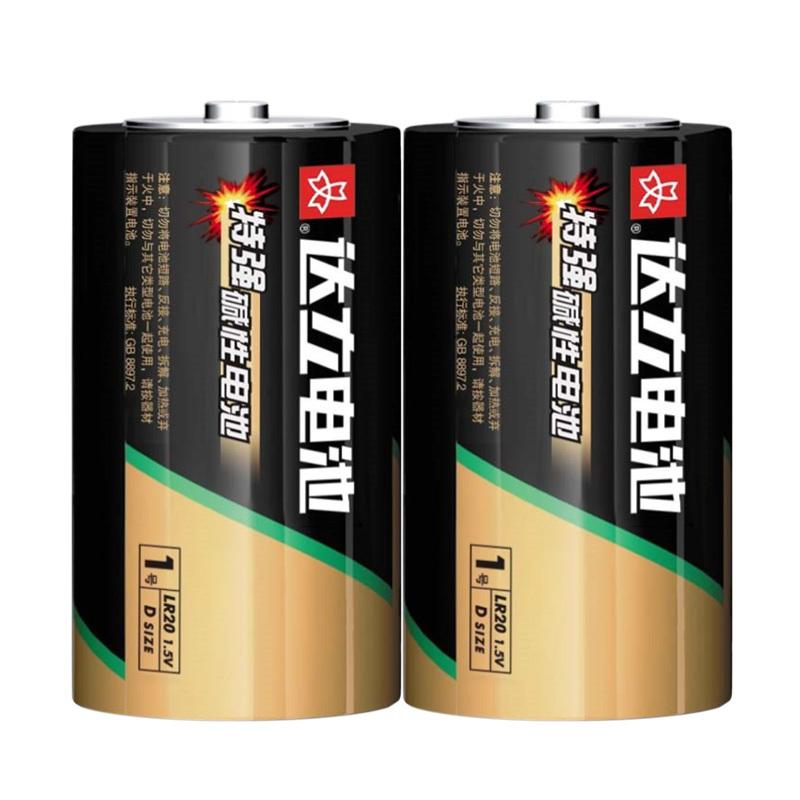
The LR14-2 shrink Industrial Alkaline battery is a high-quality and sturdy strength supply in partic...
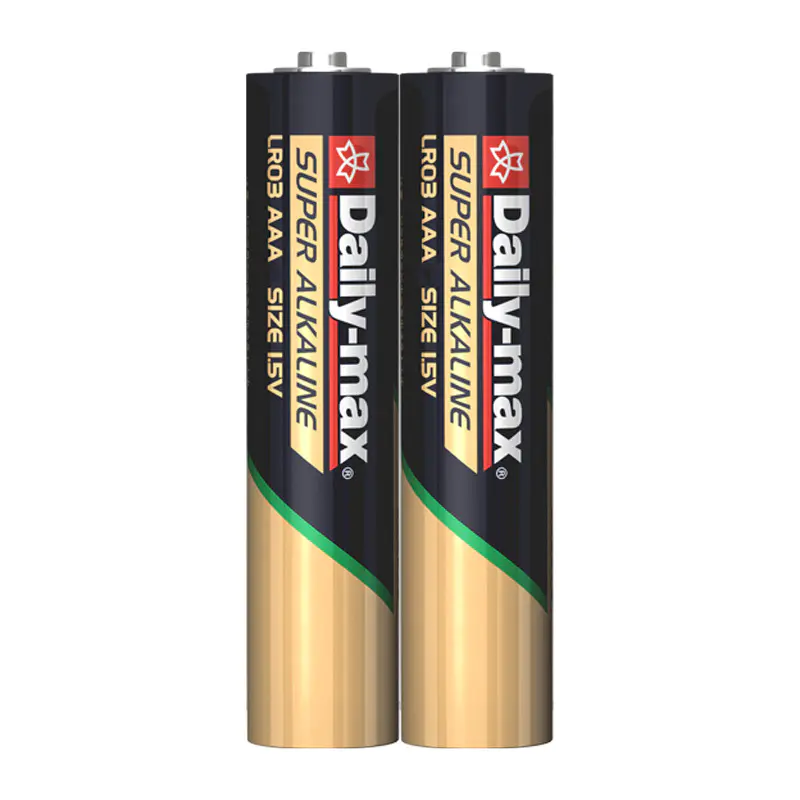
The LR03 Black Gold-2S Industrial Alkaline battery is a modern-day power solution particularly engin...
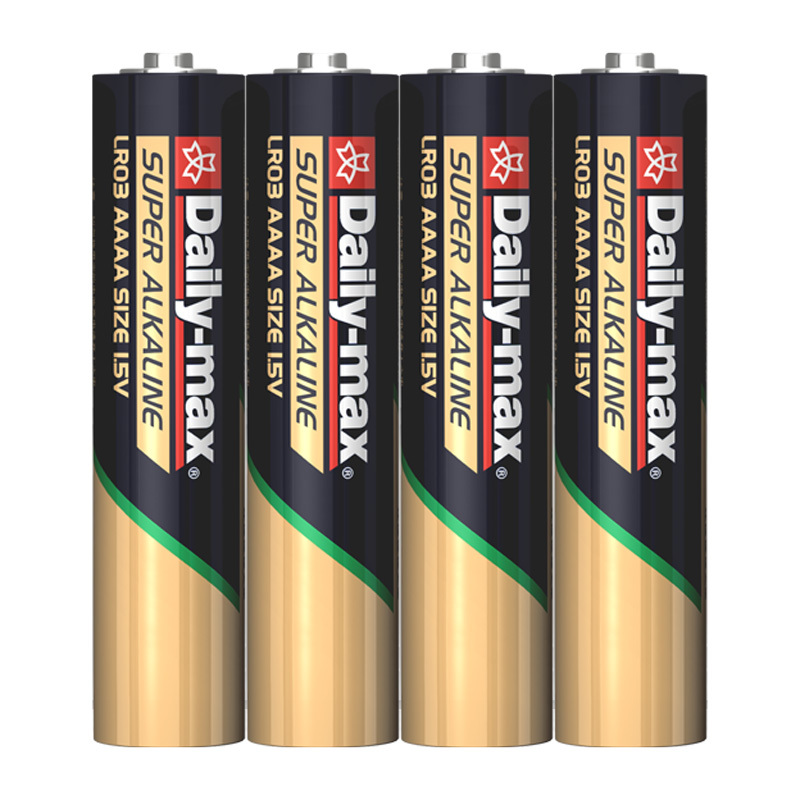
The LR03 Black Gold-4S Industrial Outfit Alkaline Battery is a among the strength source mainly ta...
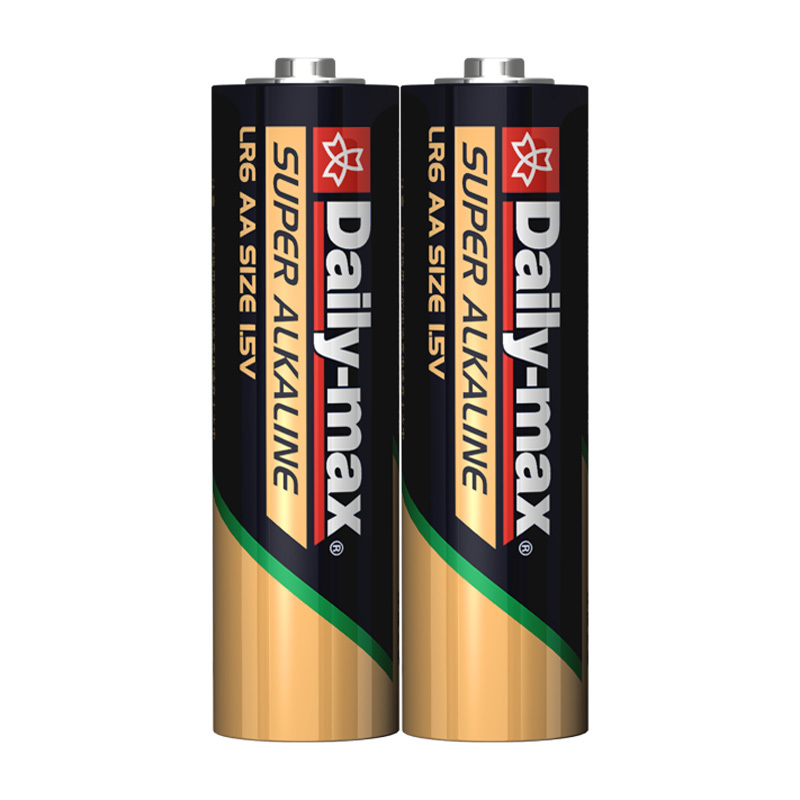
The LR6 Black Gold-2S Industrial Outfit Alkaline Battery is a splendid energy solution designed for ...
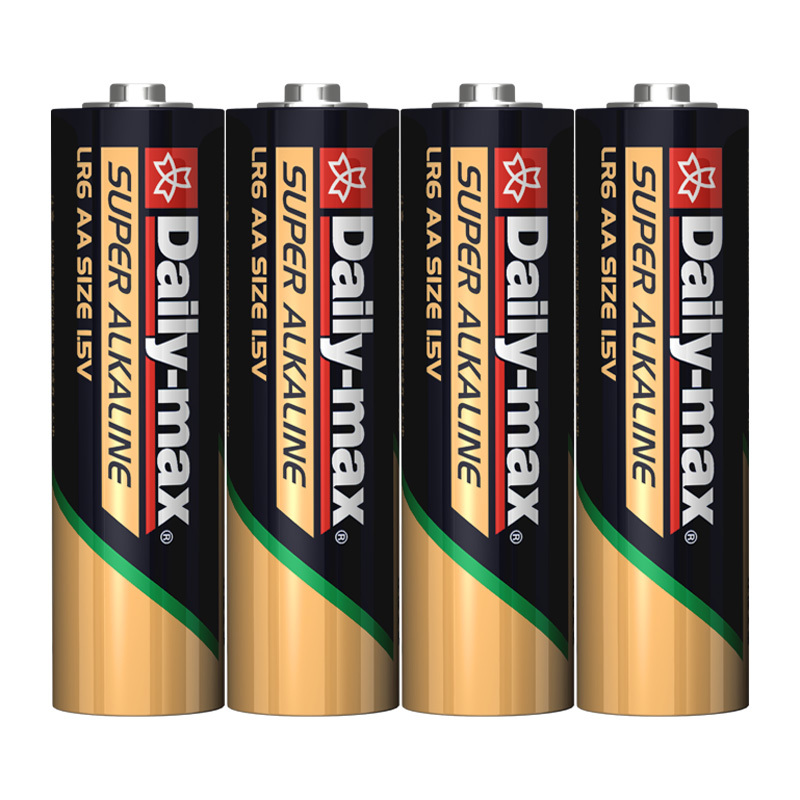
The LR6 Black Gold-4S Alkaline Battery is a reliable electricity source appropriate for various prog...
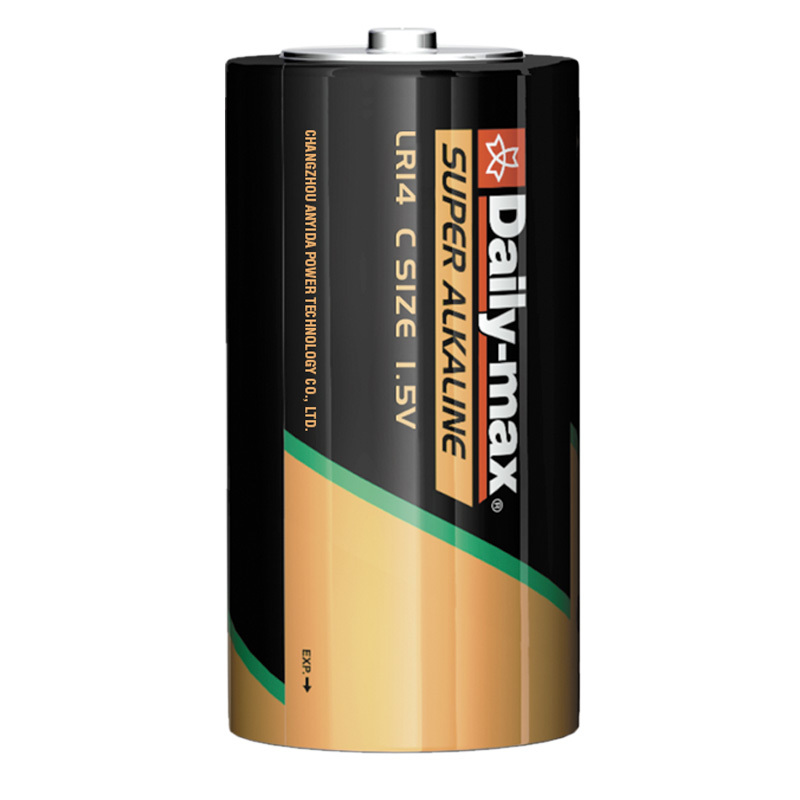
The LR14 Black Gold-1S Alkaline Battery is a high-performance electricity solution designed for a wi...

The LR14 Black Gold-2S Alkaline Battery is an exquisite electricity supply appropriate for diverse p...
-- Steady & Reliable Manufacturer --
High-temperature environments accelerate battery self-discharge, increase internal pressure, and can compromise the integrity of battery seals. For devices deployed in hot climates, industrial settings, or enclosed spaces, selecting batteries with proven high-temperature performance is essential for reliable operation and safety.
Alkaline batteries typically operate effectively up to +55°C, while specialized high-temperature batteries can function at temperatures up to +85°C. The choice of battery chemistry, seal design, and internal construction all contribute to high-temperature performance and safety.
For industrial equipment manufacturers, automotive suppliers, and outdoor device makers, understanding high-temperature battery performance is critical for product reliability and safety. The following specifications outline the critical parameters for batteries intended for high-temperature applications.
| Parameter | Specification |
|---|---|
| Nominal Voltage | 1.5V (alkaline) / 3.0V (lithium) |
| Chemistry System | Alkaline Manganese Dioxide / Lithium Manganese Dioxide |
| Operating Temperature (Standard Alkaline) | -10°C to +55°C |
| Operating Temperature (High-Temp Alkaline) | -20°C to +70°C |
| Operating Temperature (Lithium) | -40°C to +85°C |
| Capacity at +55°C | Approximately 90-95% of rated capacity |
| Capacity at +70°C | Approximately 80-85% of rated capacity |
| Self-Discharge at +55°C | ≤ 5% per year |
| Self-Discharge at +70°C | ≤ 10% per year |
| Seal Integrity | Passed thermal cycling test (-20°C to +70°C, 100 cycles) |
| Pressure Relief | Integrated safety vent for thermal runaway protection |
| Shelf Life (unused) | Up to 5 years at 20°C / 2 years at 40°C |
| Leakage Resistance | Passed IEC 60086-5 leakage test at elevated temperatures |
| Dimensions (AA) | 14.5mm (dia.) × 50.5mm (h) ± 0.5mm |
| Regulatory Certifications | RoHS, REACH, CE, UL |
| Packaging Options | Blister pack, shrink-wrapped tray, bulk carton |
| Parameter | Standard Alkaline | High-Temp Alkaline | Lithium |
|---|---|---|---|
| Max Operating Temp | +55°C | +70°C | +85°C |
| Capacity at +55°C | 90-95% | 95-98% | 98-100% |
| Capacity at +70°C | Not recommended | 80-85% | 90-95% |
| Self-Discharge at +55°C | ≤5%/year | ≤3%/year | ≤1%/year |
| Seal Technology | Standard | Reinforced | Hermetic |
| Cost | Low-Medium | Medium | High |
High temperatures affect batteries in several ways:
High-temperature batteries use specialized materials and construction to mitigate these effects.
Battery safety concerns increase at elevated temperatures:
Always follow the battery manufacturer's temperature ratings and device manufacturer's specifications for safe operation.
Several practices can extend battery life in hot environments:
These practices can significantly extend battery life and improve safety in high-temperature applications.
Lithium batteries generally offer superior high-temperature performance compared to alkaline:
However, lithium batteries are more expensive, and the cost-benefit depends on the specific application and temperature requirements.
Signs of battery degradation in high-temperature applications include:
If any of these signs are observed, replace the batteries immediately and inspect the device for damage.
top

E-mail: [email protected]
E-mail: [email protected]

Phone: +86-13861108887
Phone: +86-13338792022

Address: Southern door, NO.1 East Road, Lou Xia Industrial Park, Rulin Town, Jintan District, Changzhou city, Jiangsu, China
QR code on
mobile phone
Copyright © Changzhou Strengh (Anyida) Power Technology Co., Ltd. All rights reserved.
Custom Primary Volt Batteries Suppliers
 English
 中文简体
 русский
 Español
 عربى