

Send Inquiry

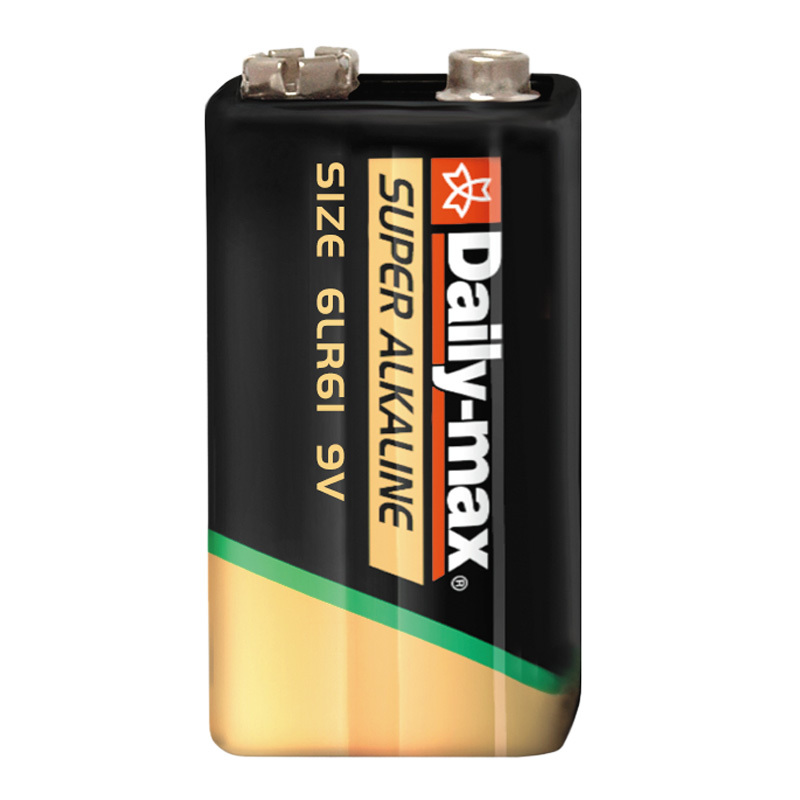
The 6LR61 Black Gold-1S Industrial Alkaline battery is a high-overall performance battery designed f...
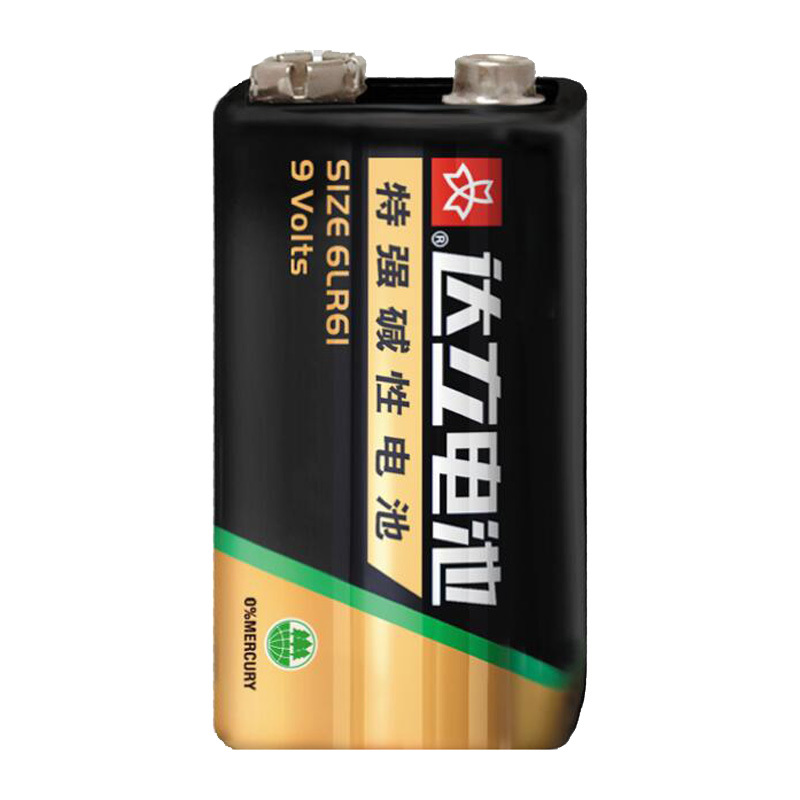
The 6LR61-1 shrink Industrial Alkaline battery is a compact and reliable electricity solution for bu...
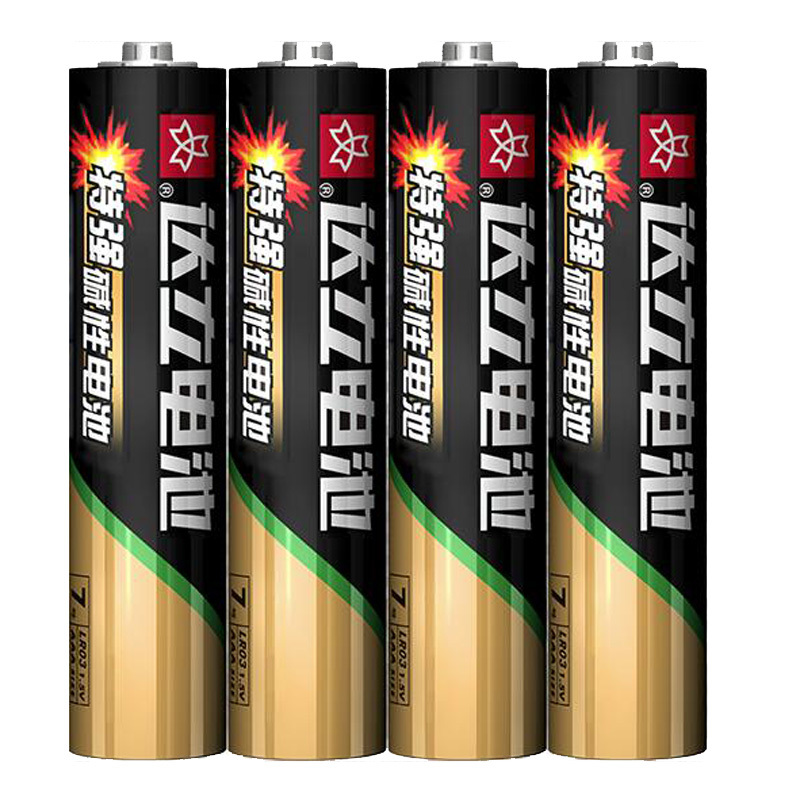
The LR03-4 shrink Industrial Alkaline battery is a fairly efficient and reliable strength solution d...
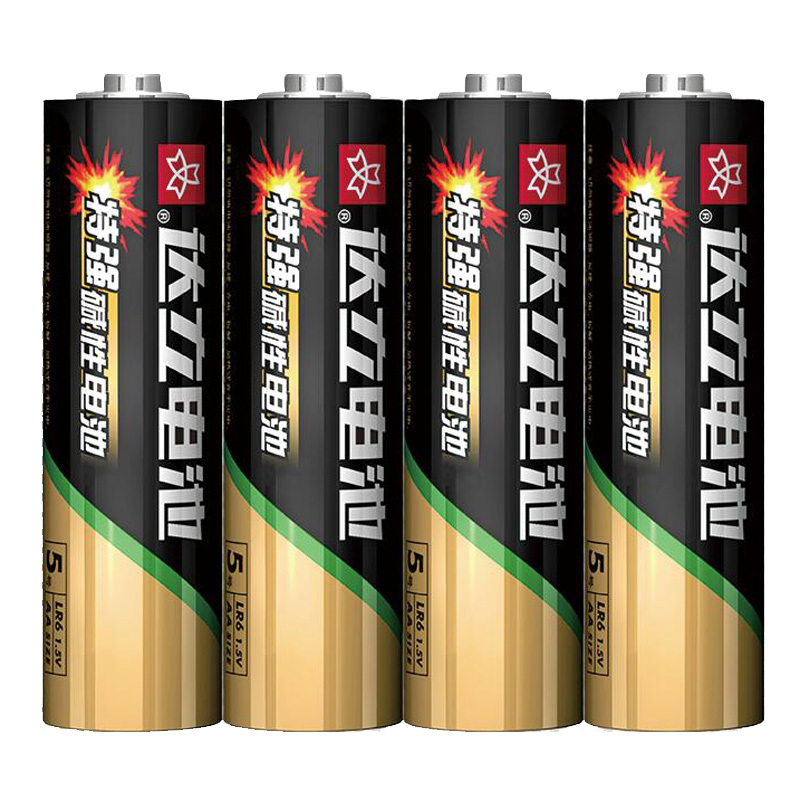
The LR6-4 shrink Industrial Alkaline battery is a dependable and versatile strength answer specifica...
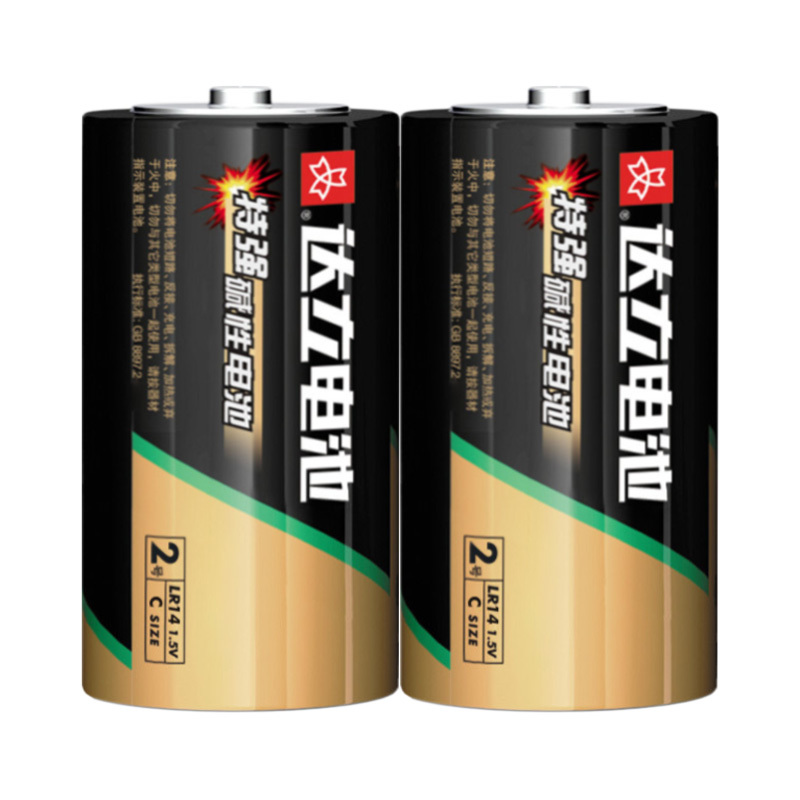
The LR14-2 shrink Industrial Alkaline battery is a high-quality and sturdy strength supply in partic...
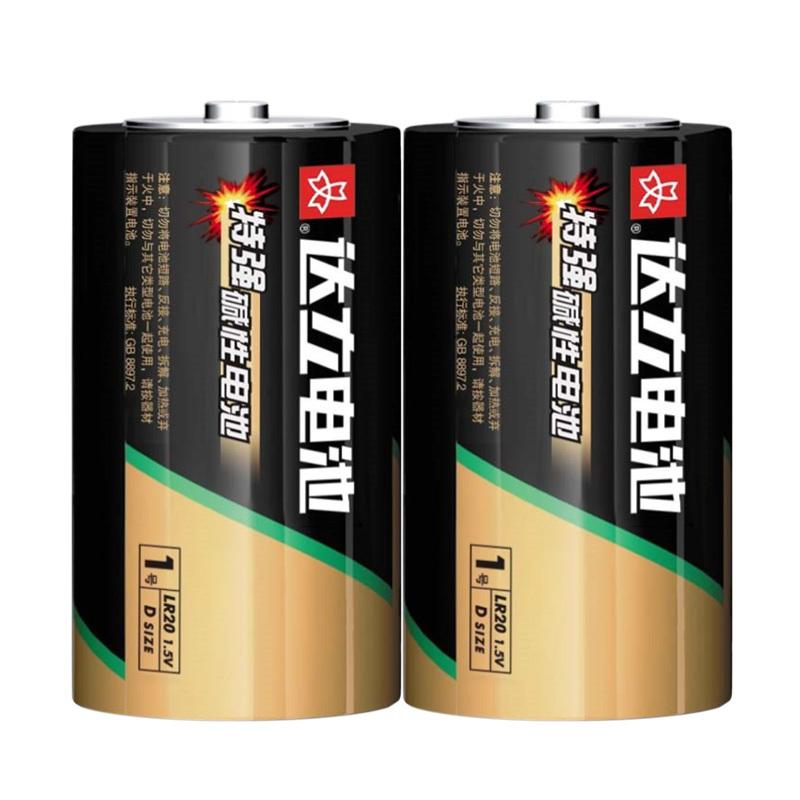
The LR14-2 shrink Industrial Alkaline battery is a high-quality and sturdy strength supply in partic...
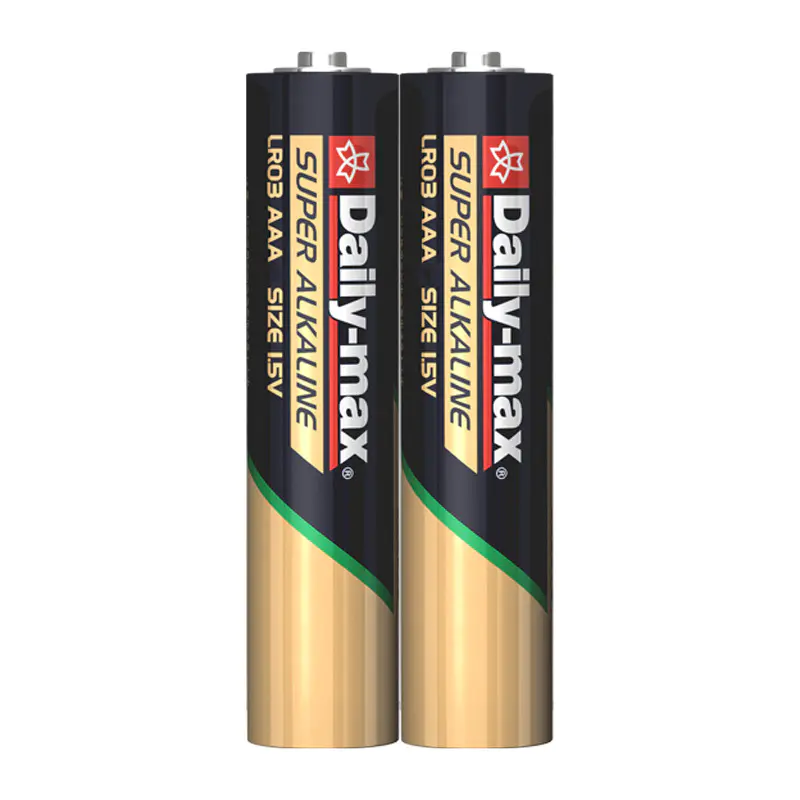
The LR03 Black Gold-2S Industrial Alkaline battery is a modern-day power solution particularly engin...
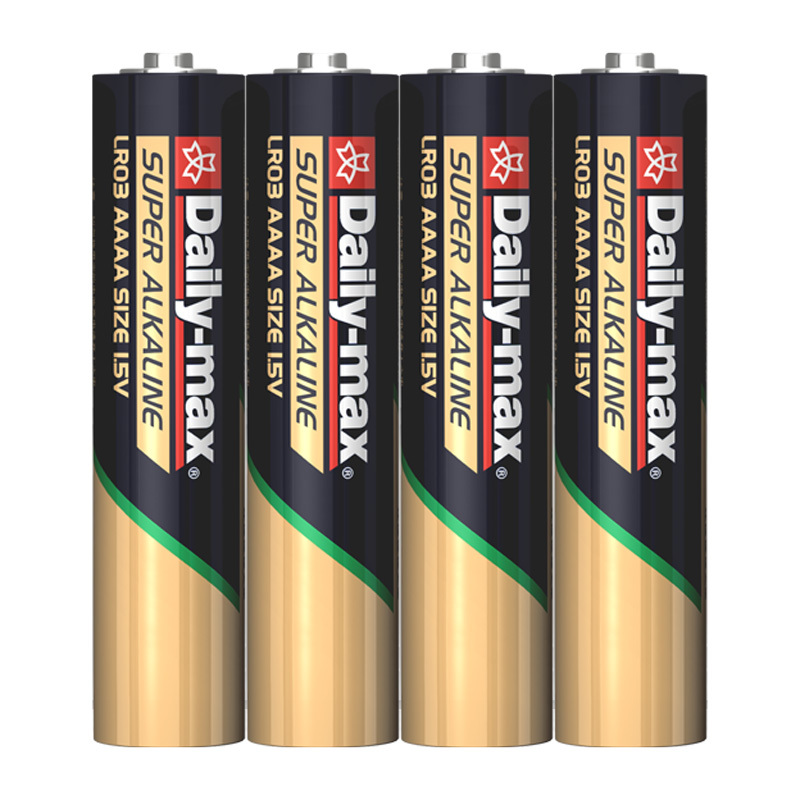
The LR03 Black Gold-4S Industrial Outfit Alkaline Battery is a among the strength source mainly ta...
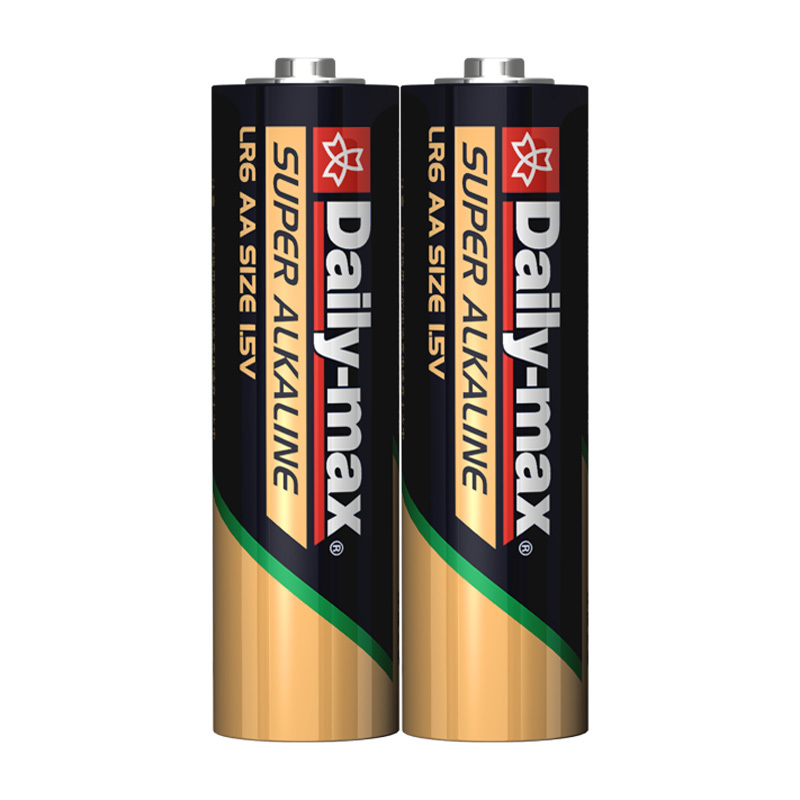
The LR6 Black Gold-2S Industrial Outfit Alkaline Battery is a splendid energy solution designed for ...
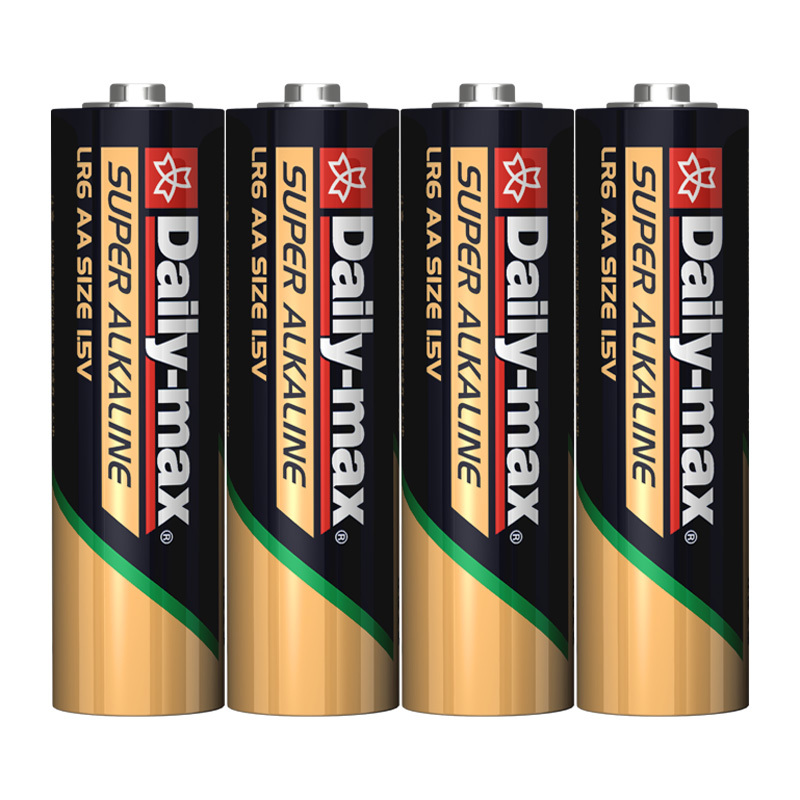
The LR6 Black Gold-4S Alkaline Battery is a reliable electricity source appropriate for various prog...
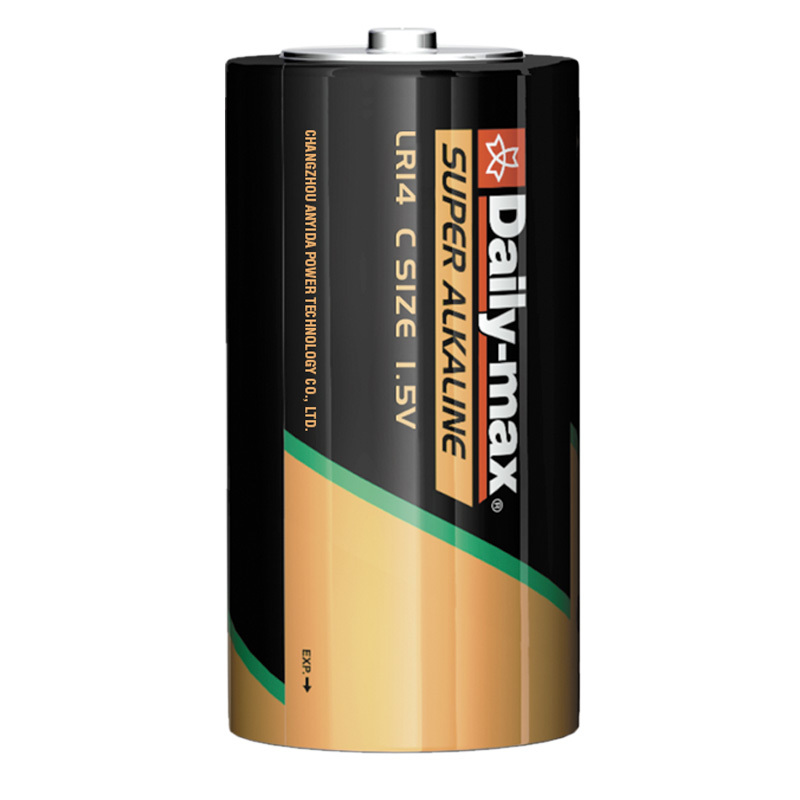
The LR14 Black Gold-1S Alkaline Battery is a high-performance electricity solution designed for a wi...

The LR14 Black Gold-2S Alkaline Battery is an exquisite electricity supply appropriate for diverse p...
-- Steady & Reliable Manufacturer --
Battery leakage is one of the most common causes of device damage and failure. When alkaline batteries leak, the potassium hydroxide electrolyte can corrode metal contacts, damage circuit boards, and permanently impair device functionality. For applications where batteries remain installed for extended periods—remote controls, thermometers, clocks, and emergency equipment—leakage protection is a critical battery characteristic.
Advanced leakage protection involves multiple layers of defense: high-quality materials, precision manufacturing, and innovative seal designs. The best batteries use triple-seal construction, corrosion-resistant contacts, and pressure relief mechanisms to prevent leakage even under deep discharge and high-temperature conditions.
For device manufacturers, warranty managers, and quality engineers, understanding battery leakage protection is essential for reducing returns and improving product reliability. The following specifications outline the critical parameters for batteries with advanced leakage protection.
| Parameter | Specification |
|---|---|
| Nominal Voltage | 1.5V (alkaline) / 3.0V (lithium) |
| Chemistry System | Alkaline Manganese Dioxide / Lithium Manganese Dioxide |
| Seal Construction | Triple-seal design (nylon + steel + gasket) |
| Leakage Test Standard | IEC 60086-5, ASTM D-6113 |
| Leakage Test Conditions | 60°C, 90% RH, 21 days (accelerated aging) |
| Over-Discharge Protection | Passed 0.9V cut-off deep discharge test (100 hours) |
| Thermal Cycling Test | Passed -20°C to +70°C, 100 cycles |
| Vibration Resistance | Passed ASTM D-5112 vibration test |
| Pressure Relief | Integrated safety vent (activates at 1.5 MPa) |
| Corrosion-Resistant Contacts | Nickel-plated steel with anti-corrosion coating |
| Shelf Life (unused) | Up to 7 years (alkaline) / 10 years (lithium) |
| Operating Temperature Range | -20°C to +55°C |
| Storage Temperature Range | -20°C to +35°C (recommended 10°C to 25°C) |
| Dimensions (AA) | 14.5mm (dia.) × 50.5mm (h) ± 0.5mm |
| Regulatory Certifications | RoHS, REACH, CE, UL |
| Packaging Options | Blister pack, shrink-wrapped tray, bulk carton |
| Parameter | Standard Battery | Leakage-Protected Battery |
|---|---|---|
| Seal Design | Single seal | Triple seal |
| Leakage Test | Basic test | IEC 60086-5, ASTM D-6113 |
| Over-Discharge Test | Not tested | 100 hours at 0.9V |
| Thermal Cycling | Limited | 100 cycles (-20°C to +70°C) |
| Pressure Relief | None | Integrated safety vent |
| Leakage Risk | Moderate | Very low |
| Cost | Low | Medium |
Battery leakage can be caused by several factors:
Quality batteries with advanced seal designs minimize these risks through robust construction and quality control.
Several practices can prevent battery leakage:
Following these practices significantly reduces the risk of battery leakage and device damage.
If a battery leaks in your device, follow these steps:
If electrolyte contacts skin or eyes, flush immediately with water and seek medical attention if irritation persists.
Yes, lithium batteries are generally less likely to leak than alkaline batteries:
For devices where leakage could cause significant damage or safety issues, lithium batteries are often the preferred choice despite the higher cost.
Look for these indicators of leakage protection:
When in doubt, contact the manufacturer for detailed specifications and test reports.
top

E-mail: [email protected]
E-mail: [email protected]

Phone: +86-13861108887
Phone: +86-13338792022

Address: Southern door, NO.1 East Road, Lou Xia Industrial Park, Rulin Town, Jintan District, Changzhou city, Jiangsu, China
QR code on
mobile phone
Copyright © Changzhou Strengh (Anyida) Power Technology Co., Ltd. All rights reserved.
Custom Primary Volt Batteries Suppliers
 English
 中文简体
 русский
 Español
 عربى