

Send Inquiry

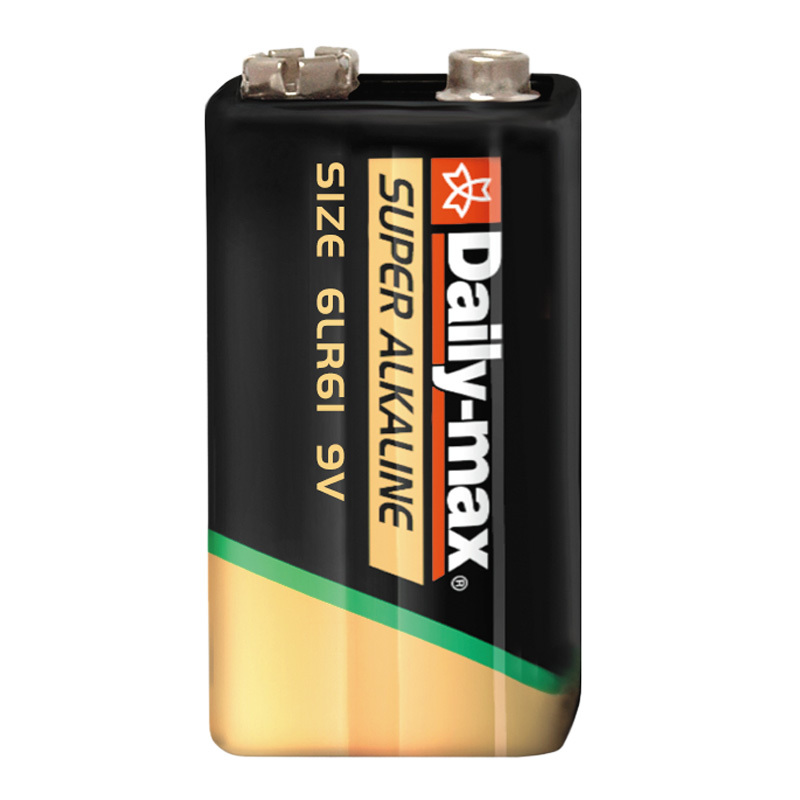
The 6LR61 Black Gold-1S Industrial Alkaline battery is a high-overall performance battery designed f...
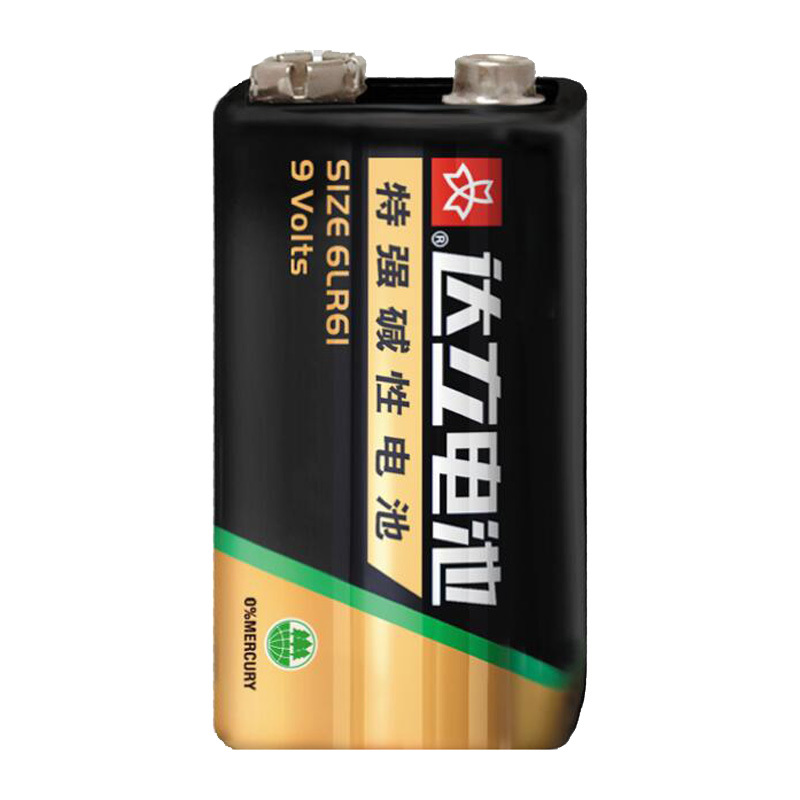
The 6LR61-1 shrink Industrial Alkaline battery is a compact and reliable electricity solution for bu...
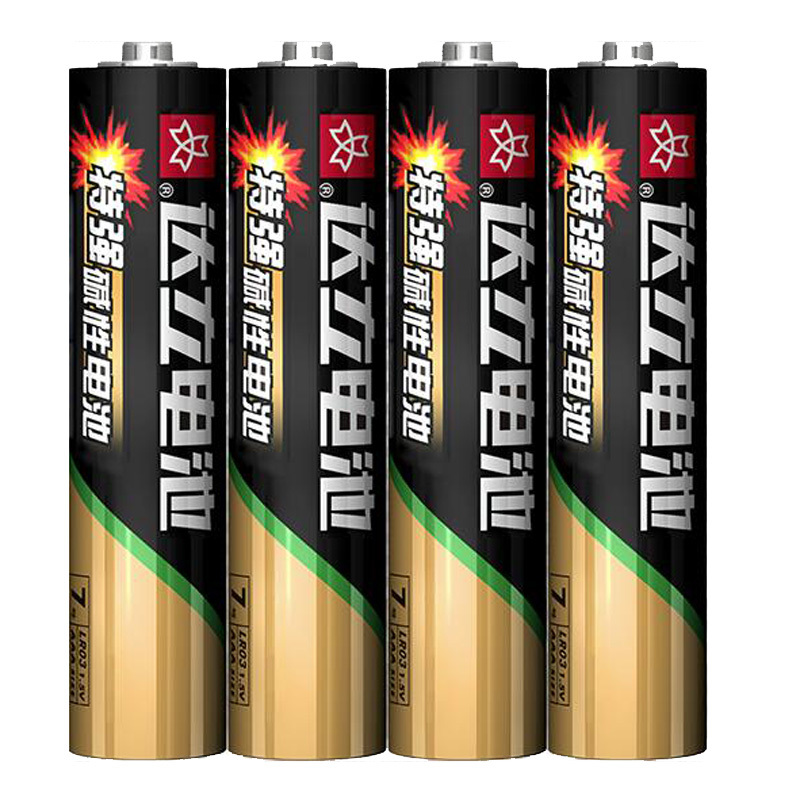
The LR03-4 shrink Industrial Alkaline battery is a fairly efficient and reliable strength solution d...
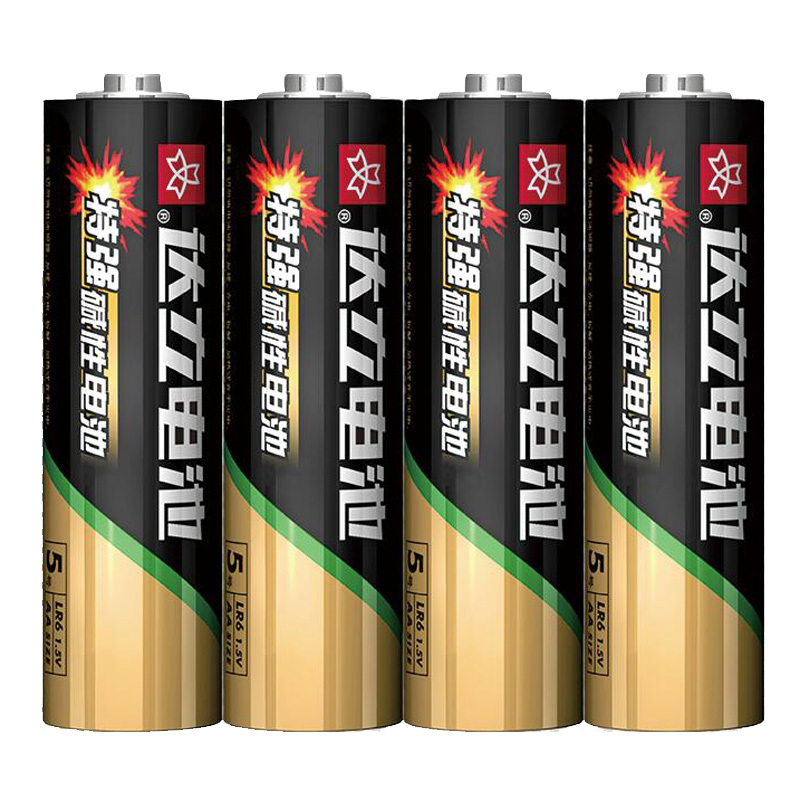
The LR6-4 shrink Industrial Alkaline battery is a dependable and versatile strength answer specifica...
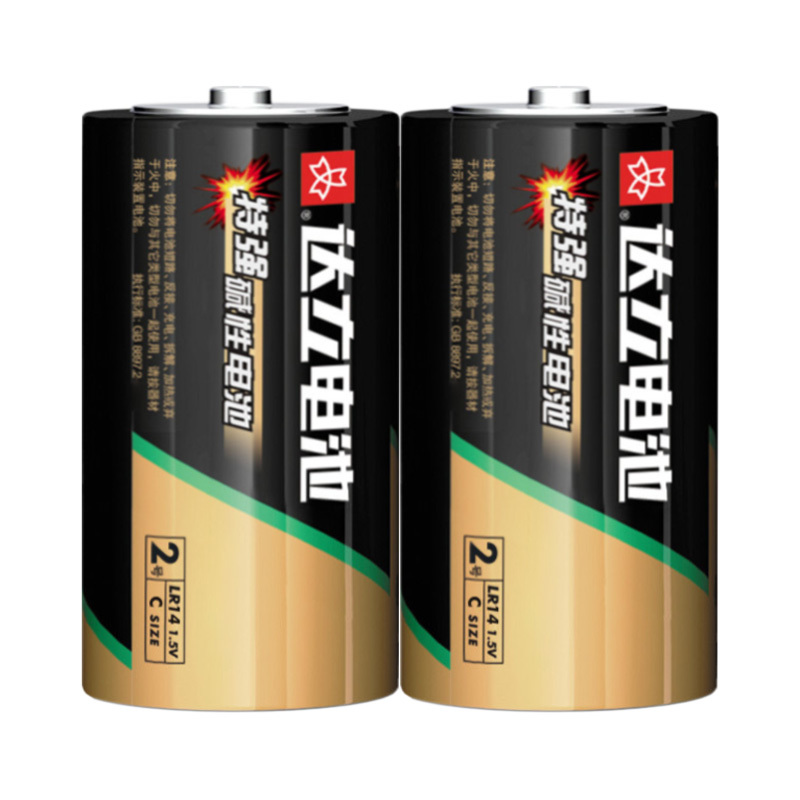
The LR14-2 shrink Industrial Alkaline battery is a high-quality and sturdy strength supply in partic...
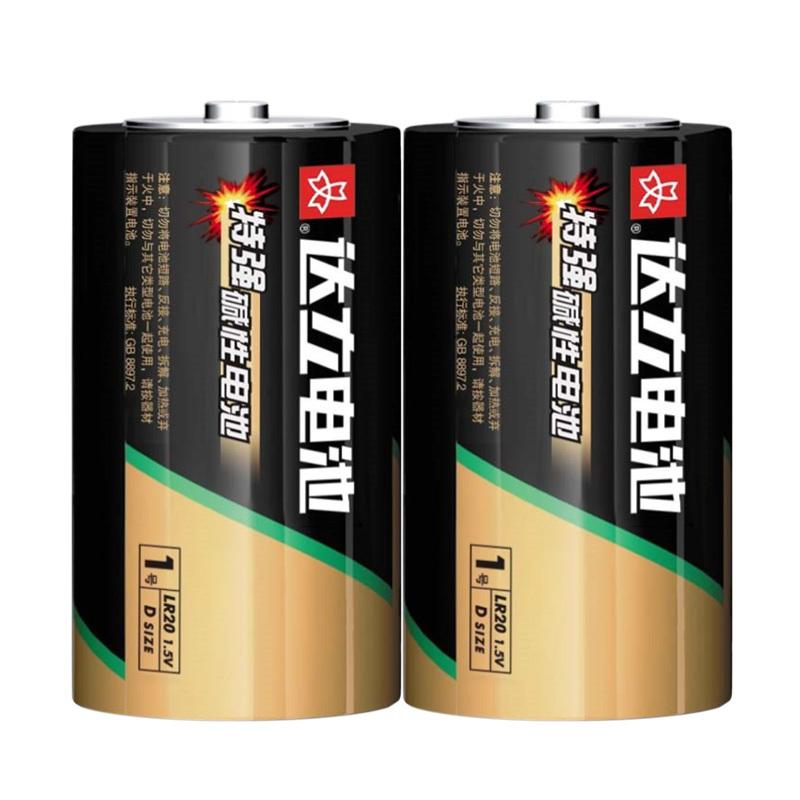
The LR14-2 shrink Industrial Alkaline battery is a high-quality and sturdy strength supply in partic...
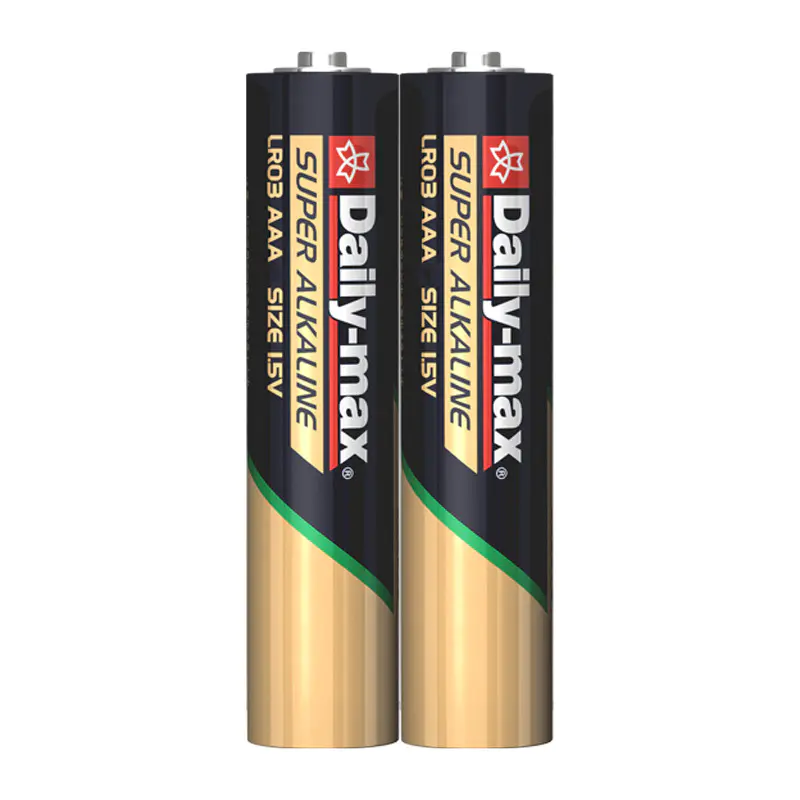
The LR03 Black Gold-2S Industrial Alkaline battery is a modern-day power solution particularly engin...
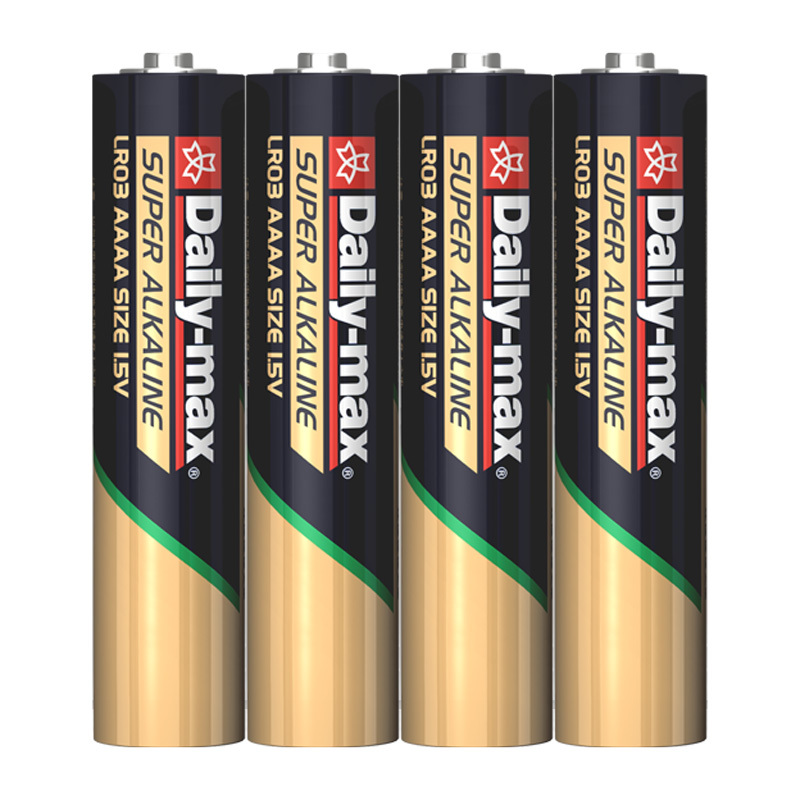
The LR03 Black Gold-4S Industrial Outfit Alkaline Battery is a among the strength source mainly ta...
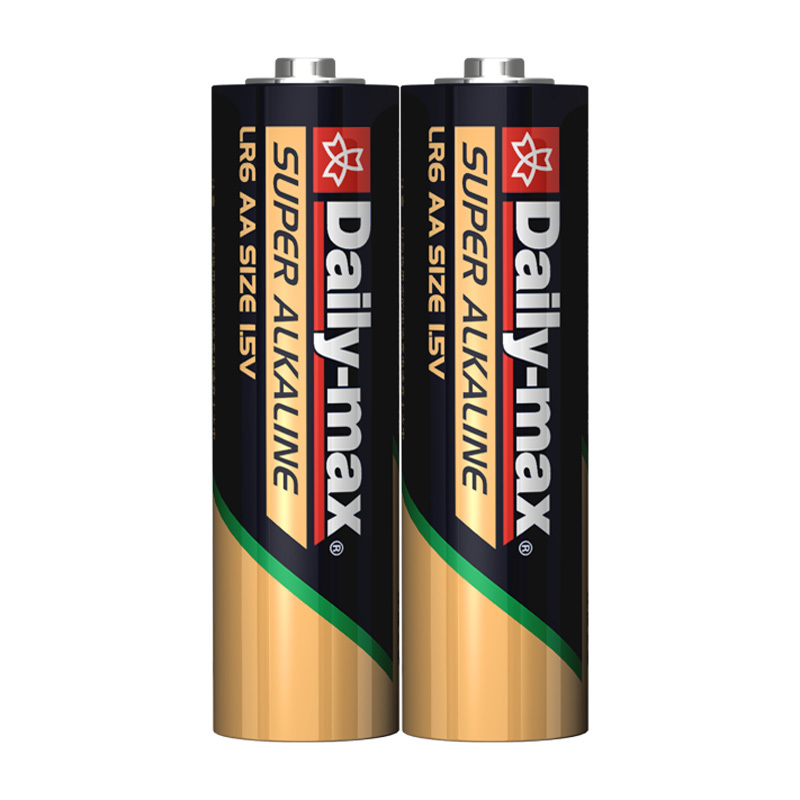
The LR6 Black Gold-2S Industrial Outfit Alkaline Battery is a splendid energy solution designed for ...
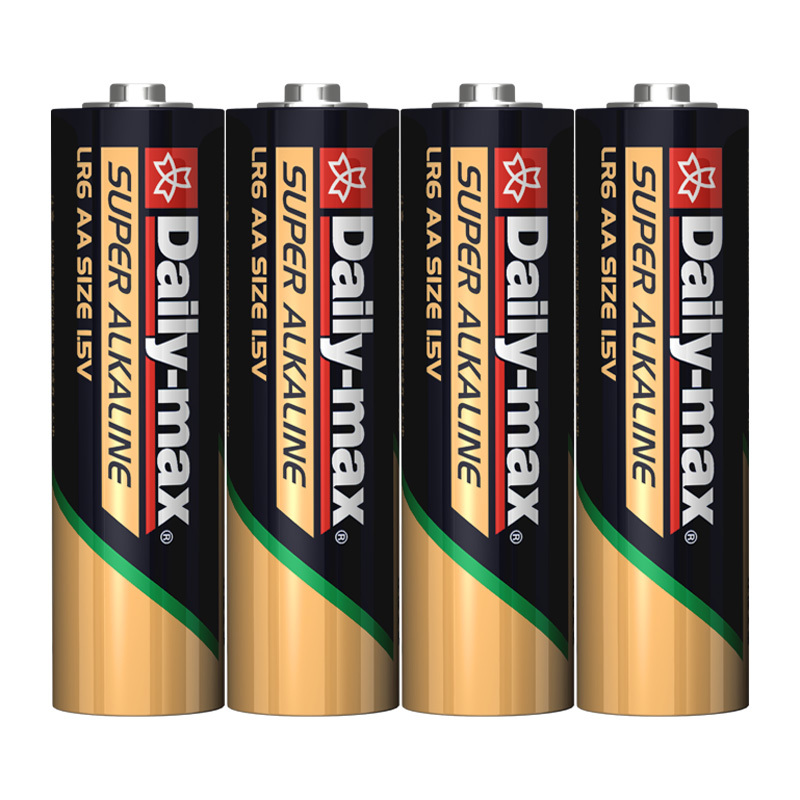
The LR6 Black Gold-4S Alkaline Battery is a reliable electricity source appropriate for various prog...
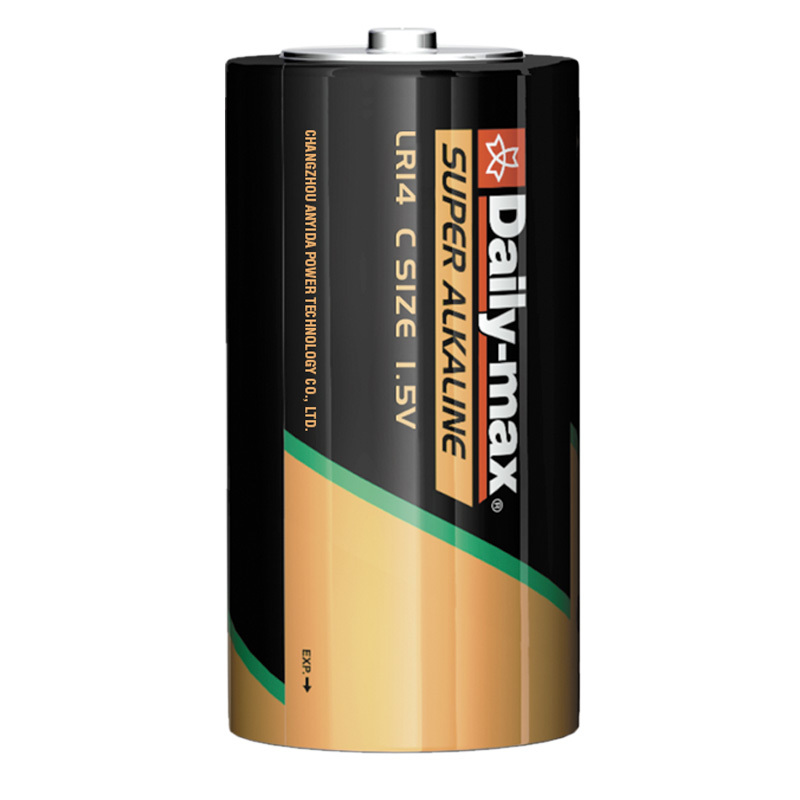
The LR14 Black Gold-1S Alkaline Battery is a high-performance electricity solution designed for a wi...

The LR14 Black Gold-2S Alkaline Battery is an exquisite electricity supply appropriate for diverse p...
-- Steady & Reliable Manufacturer --
Cold weather environments present significant challenges for battery performance. At low temperatures, the chemical reactions that generate electrical energy slow down, reducing both the available capacity and the voltage output of standard batteries. For devices used outdoors, in cold storage facilities, or in unheated environments, selecting batteries with proven cold-weather performance is essential for reliable operation.
Battery chemistry plays a critical role in cold-weather performance. Alkaline batteries typically operate effectively down to -20°C, while lithium batteries can function at temperatures as low as -40°C. The choice between these chemistries depends on the specific temperature range, device requirements, and cost considerations.
For outdoor equipment manufacturers, cold chain logistics operators, and users in cold climates, understanding cold-weather battery performance is essential for ensuring device reliability. The following specifications outline the critical parameters for batteries intended for cold-weather applications.
| Parameter | Specification |
|---|---|
| Nominal Voltage | 1.5V (alkaline) / 1.5V (lithium) |
| Chemistry System | Alkaline Manganese Dioxide / Lithium Iron Disulfide |
| Capacity at -20°C (Alkaline AA) | Approximately 50-60% of rated capacity |
| Capacity at -20°C (Lithium AA) | Approximately 85-90% of rated capacity |
| Capacity at -40°C (Lithium AA) | Approximately 70-80% of rated capacity |
| Operating Temperature (Alkaline) | -20°C to +55°C |
| Operating Temperature (Lithium) | -40°C to +60°C |
| Voltage at -20°C (Alkaline, 100mA) | ≥ 1.1V |
| Voltage at -20°C (Lithium, 100mA) | ≥ 1.3V |
| Annual Self-Discharge Rate | ≤ 2% (alkaline) / ≤ 1% (lithium) at 20°C |
| Shelf Life (unused) | Up to 7 years (alkaline) / 10 years (lithium) |
| Leakage Resistance | Passed IEC 60086-5 leakage test |
| Dimensions (AA) | 14.5mm (dia.) × 50.5mm (h) ± 0.5mm |
| Regulatory Certifications | RoHS, REACH, CE, UL |
| Packaging Options | Blister pack, shrink-wrapped tray, bulk carton |
| Parameter | Alkaline | Lithium |
|---|---|---|
| Operating Temperature | -20°C to +55°C | -40°C to +60°C |
| Capacity at -20°C | 50-60% | 85-90% |
| Capacity at -40°C | Not recommended | 70-80% |
| Weight (AA) | 23g | 15g |
| Shelf Life | 7 years | 10 years |
| Cost (per unit) | Medium | High |
Cold temperatures affect batteries through several mechanisms:
Lithium batteries are less affected by cold temperatures than alkaline batteries, making them preferable for extreme cold applications.
Alkaline batteries can operate at temperatures as low as -20°C, but with significantly reduced capacity and voltage output. Below this temperature:
For applications requiring reliable performance below -20°C, lithium batteries are the recommended choice.
Yes, warming a cold battery can temporarily restore some capacity:
For critical cold-weather applications, using lithium batteries eliminates the need for warming.
Proper storage is important for cold-weather battery readiness:
For emergency kits, store batteries in a protected location and check them annually.
Yes, lithium batteries are safe and effective for cold-weather applications:
For devices used in extreme cold, lithium batteries provide the most reliable performance.

top

E-mail: [email protected]
E-mail: [email protected]

Phone: +86-13861108887
Phone: +86-13338792022

Address: Southern door, NO.1 East Road, Lou Xia Industrial Park, Rulin Town, Jintan District, Changzhou city, Jiangsu, China
QR code on
mobile phone
Copyright © Changzhou Strengh (Anyida) Power Technology Co., Ltd. All rights reserved.
Custom Primary Volt Batteries Suppliers
 English
 中文简体
 русский
 Español
 عربى