

Send Inquiry

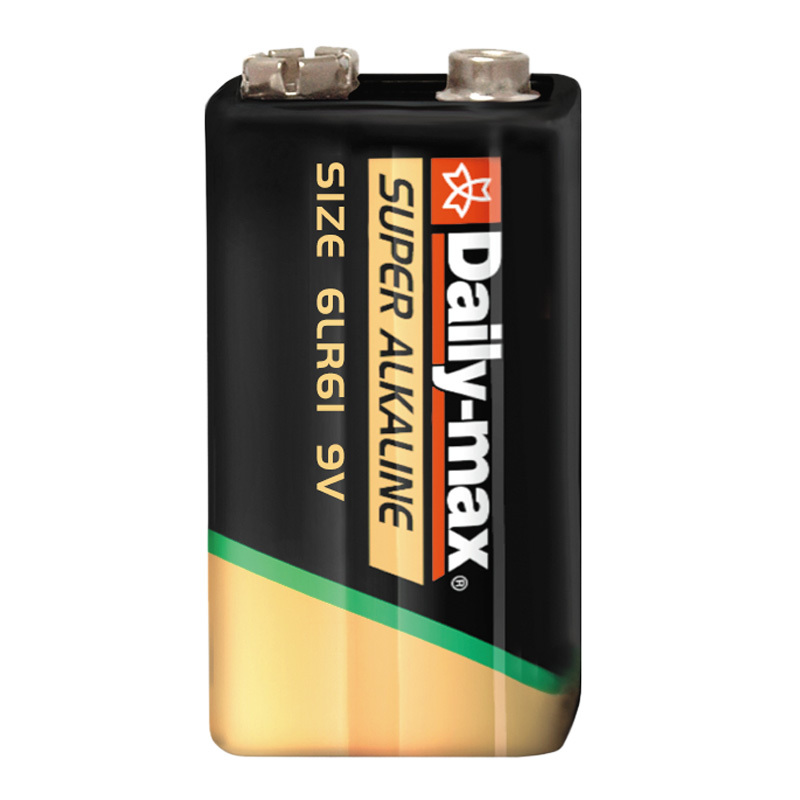
The 6LR61 Black Gold-1S Industrial Alkaline battery is a high-overall performance battery designed f...
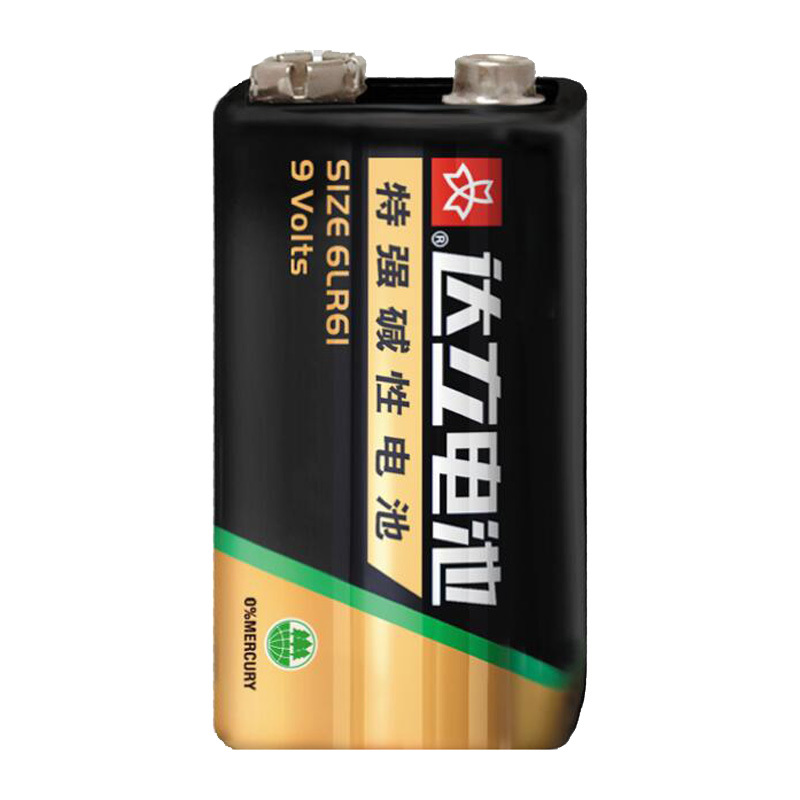
The 6LR61-1 shrink Industrial Alkaline battery is a compact and reliable electricity solution for bu...
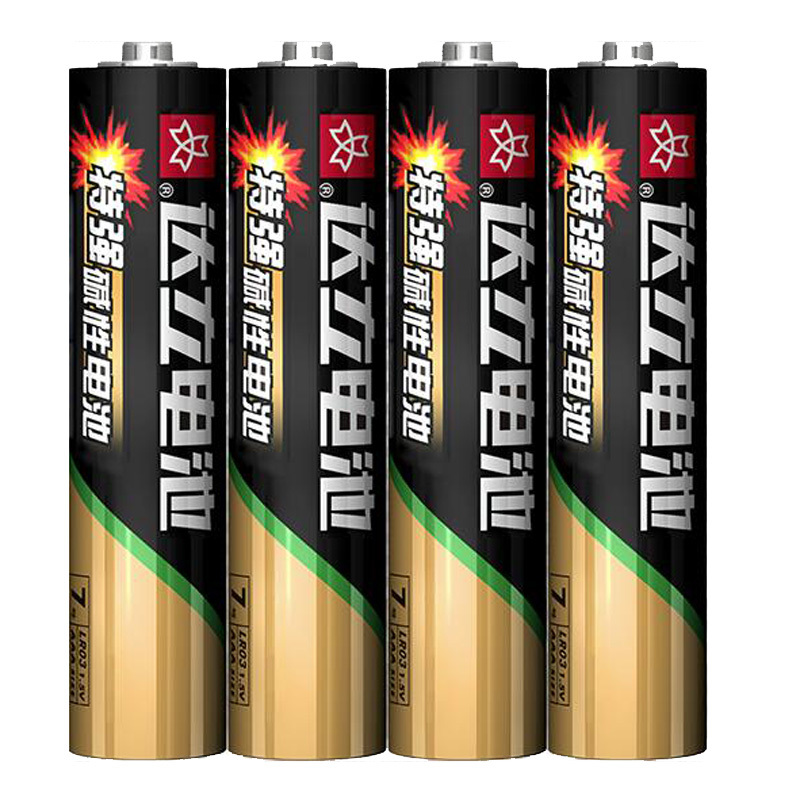
The LR03-4 shrink Industrial Alkaline battery is a fairly efficient and reliable strength solution d...
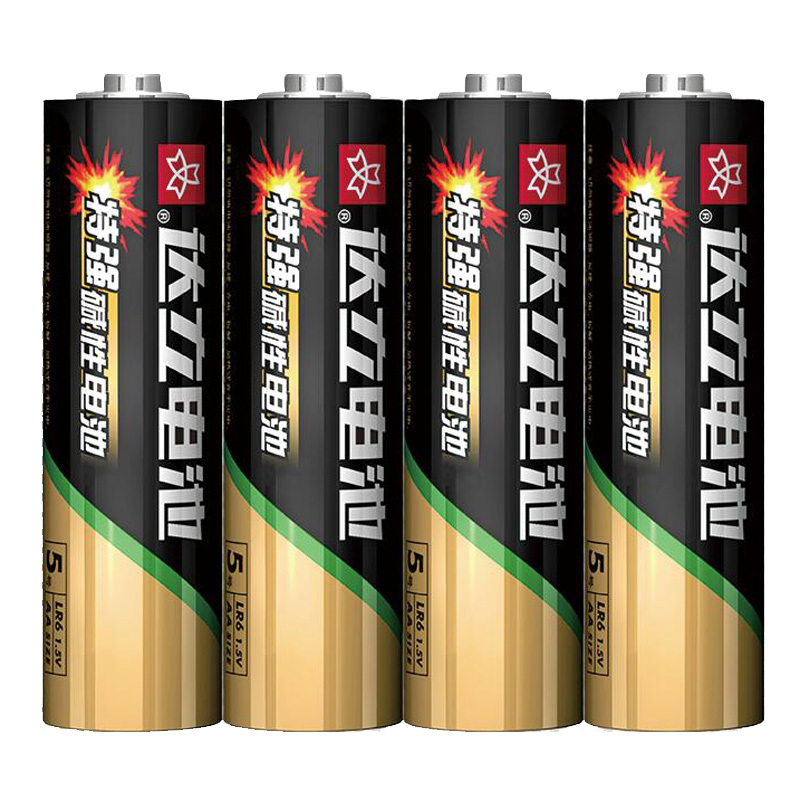
The LR6-4 shrink Industrial Alkaline battery is a dependable and versatile strength answer specifica...
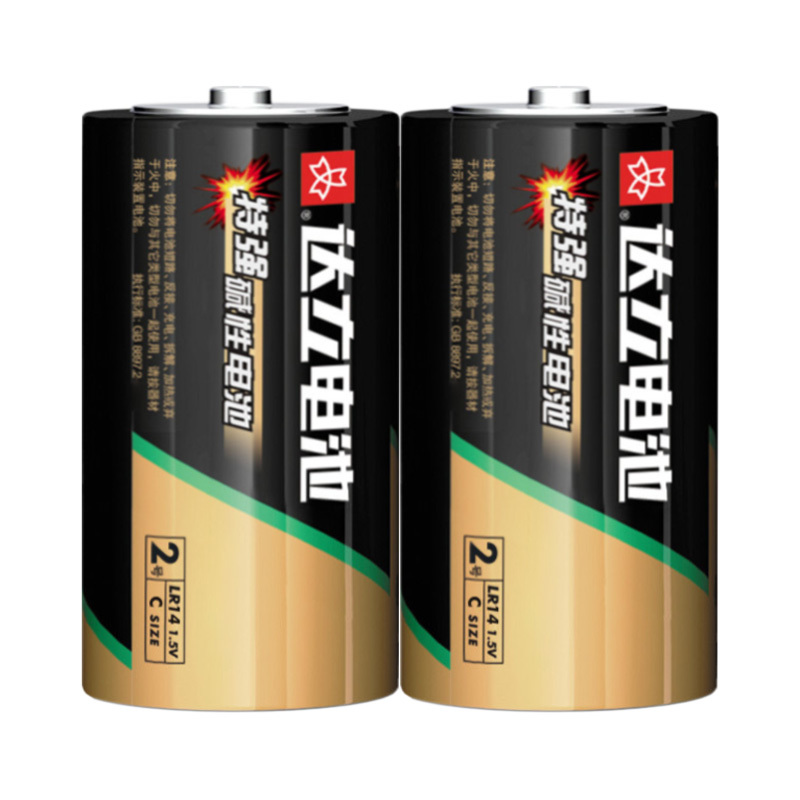
The LR14-2 shrink Industrial Alkaline battery is a high-quality and sturdy strength supply in partic...
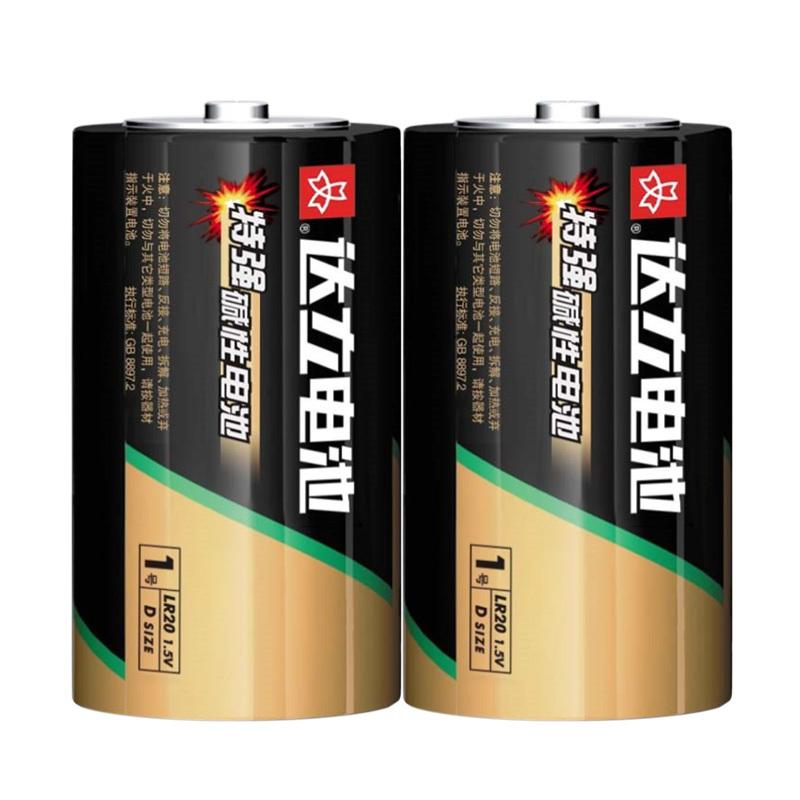
The LR14-2 shrink Industrial Alkaline battery is a high-quality and sturdy strength supply in partic...
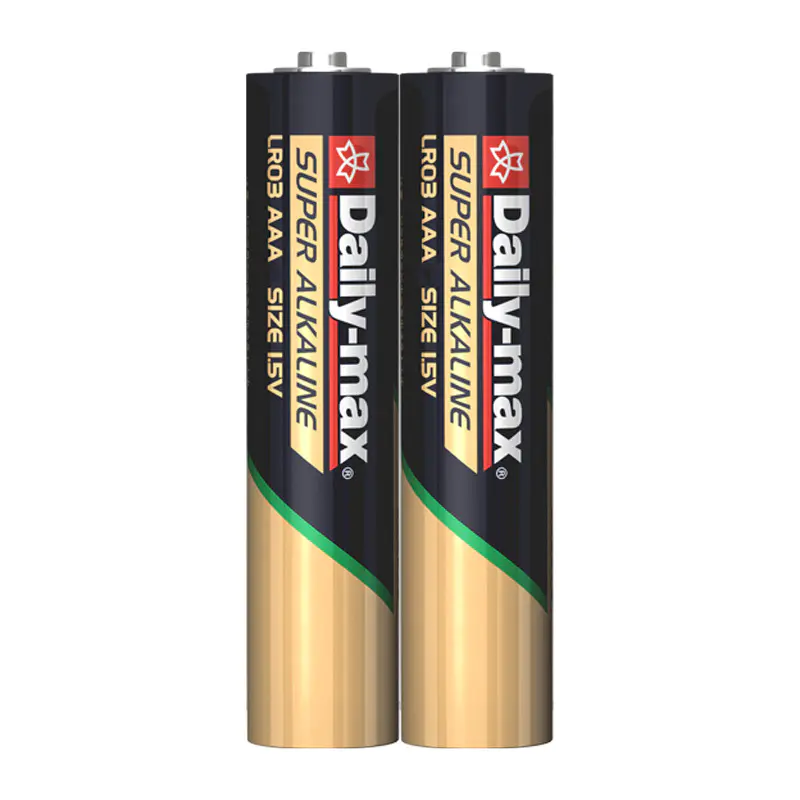
The LR03 Black Gold-2S Industrial Alkaline battery is a modern-day power solution particularly engin...
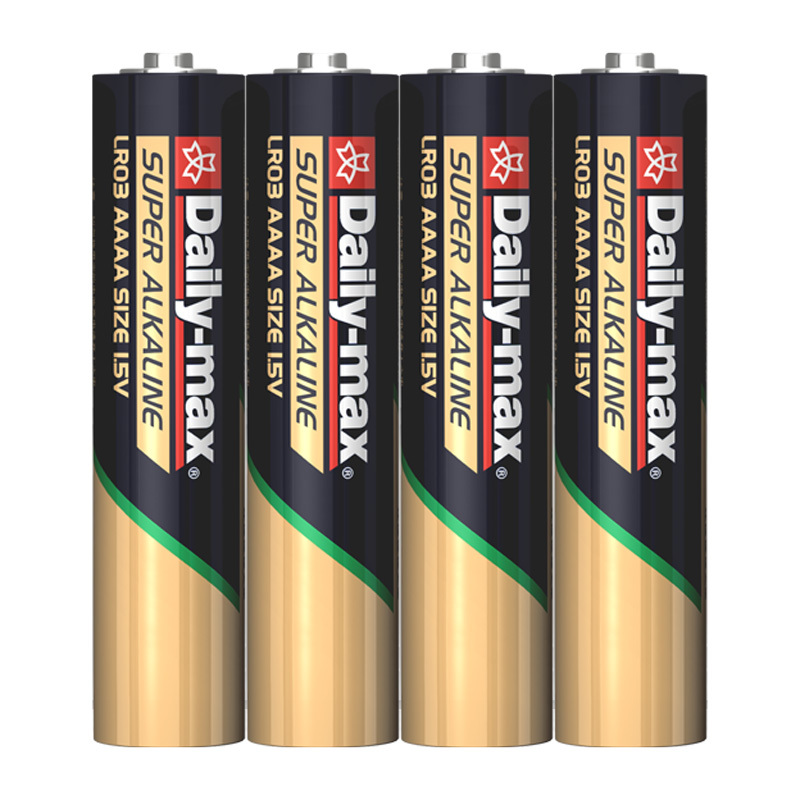
The LR03 Black Gold-4S Industrial Outfit Alkaline Battery is a among the strength source mainly ta...
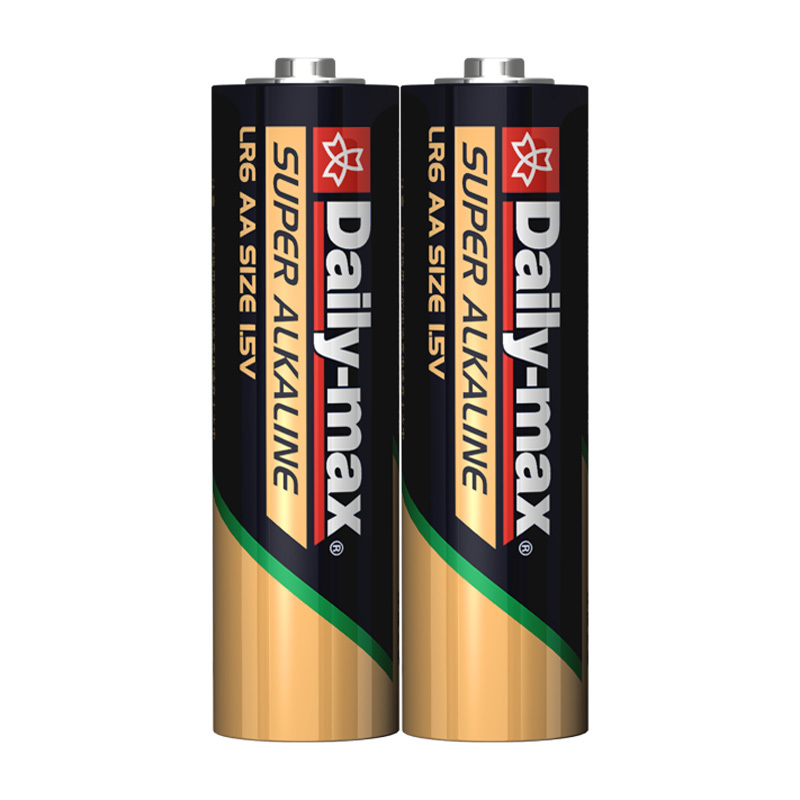
The LR6 Black Gold-2S Industrial Outfit Alkaline Battery is a splendid energy solution designed for ...
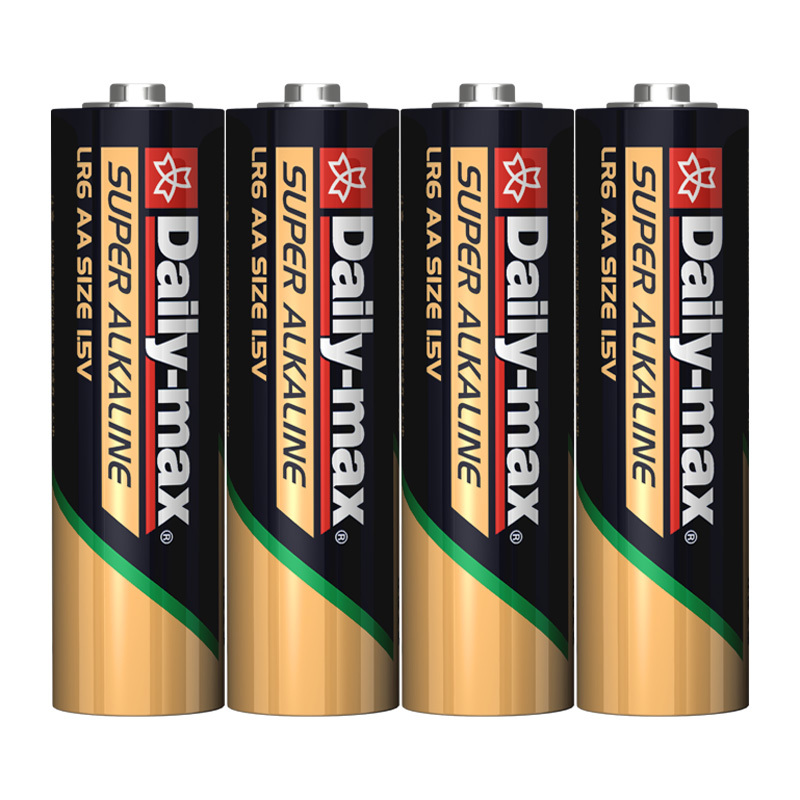
The LR6 Black Gold-4S Alkaline Battery is a reliable electricity source appropriate for various prog...
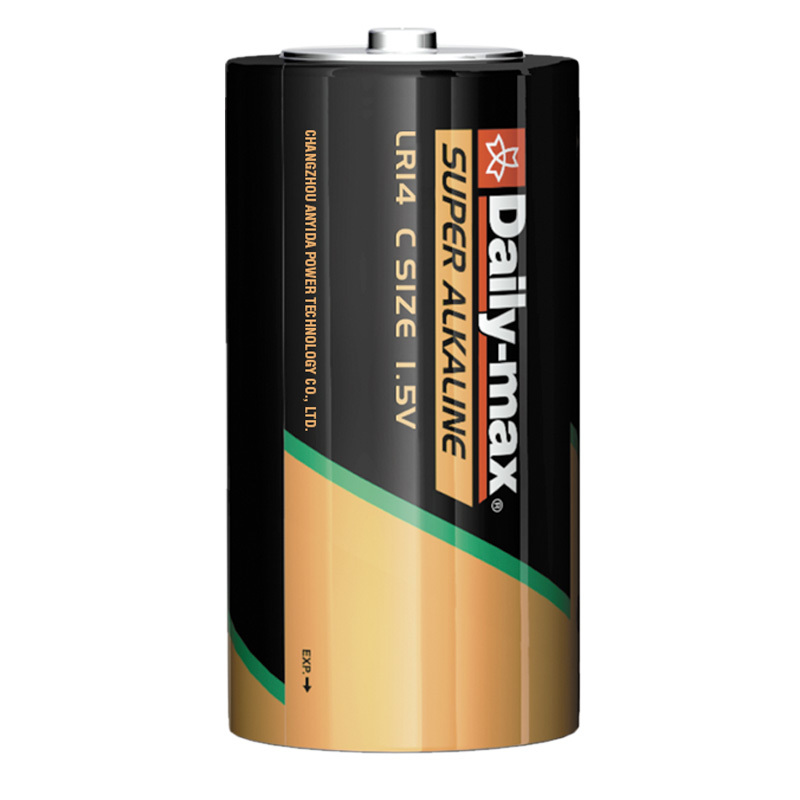
The LR14 Black Gold-1S Alkaline Battery is a high-performance electricity solution designed for a wi...

The LR14 Black Gold-2S Alkaline Battery is an exquisite electricity supply appropriate for diverse p...
-- Steady & Reliable Manufacturer --
Long-term storage is a critical consideration for emergency preparedness, military logistics, medical reserves, and industrial inventory management. Batteries stored for months or years must retain their capacity, resist leakage, and remain ready for immediate use when called upon. The key performance metrics for storage applications are self-discharge rate, seal integrity, and shelf life.
Alkaline and lithium batteries offer the best long-term storage characteristics among primary battery chemistries. Alkaline batteries typically retain 80-90% of their capacity after 5-7 years of proper storage, while lithium batteries can retain 90-95% after 10 years. Both chemistries are available with advanced sealing technology that prevents leakage during extended storage.
For emergency management agencies, military logistics teams, and industrial procurement managers, understanding long-term storage battery performance is essential for ensuring readiness. The following specifications outline the critical parameters for batteries intended for long-term storage applications.
| Parameter | Specification |
|---|---|
| Nominal Voltage | 1.5V (alkaline) / 1.5V (lithium) |
| Chemistry System | Alkaline Manganese Dioxide / Lithium Iron Disulfide |
| Capacity Retention (1 year) | ≥ 98% (alkaline) / ≥ 99% (lithium) |
| Capacity Retention (5 years) | ≥ 90% (alkaline) / ≥ 95% (lithium) |
| Capacity Retention (10 years) | ≥ 80% (alkaline) / ≥ 90% (lithium) |
| Annual Self-Discharge Rate | ≤ 2% (alkaline) / ≤ 1% (lithium) at 20°C |
| Storage Temperature (optimal) | 10°C to 25°C |
| Storage Humidity | ≤ 65% relative humidity |
| Shelf Life (alkaline) | Up to 7 years |
| Shelf Life (lithium) | Up to 10 years |
| Leakage Resistance (long-term) | Passed IEC 60086-5 extended storage test |
| Seal Integrity (after 5 years) | No leakage or seal degradation observed |
| Dimensions (AA) | 14.5mm (dia.) × 50.5mm (h) ± 0.5mm |
| Regulatory Certifications | RoHS, REACH, CE, UL |
| Packaging Options | Blister pack, shrink-wrapped tray, bulk carton, vacuum-sealed |
| Parameter | Alkaline | Lithium | Carbon-Zinc |
|---|---|---|---|
| Shelf Life | 7 years | 10 years | 3 years |
| Capacity Retention (5 years) | ≥90% | ≥95% | ≤70% |
| Self-Discharge (annual) | ≤2% | ≤1% | ≤10% |
| Leakage Risk (long-term) | Low | Very low | High |
| Cost (per unit) | Medium | High | Low |
Proper storage is essential for maximizing battery shelf life:
Following these guidelines can maximize capacity retention and ensure readiness when batteries are needed.
Yes, batteries have a limited shelf life, though they do not expire suddenly:
For critical applications, use batteries within their recommended shelf life and replace stored batteries according to a scheduled rotation program.
Emergency preparedness storage requires special attention:
For emergency kits, check batteries annually and replace any that are approaching their expiration date.
Expired batteries can often still be used, but with caveats:
For non-critical applications, expired batteries can be used with caution, but should be replaced if performance is inadequate.
Proper disposal of old batteries is important for environmental protection:
Alkaline batteries are generally non-hazardous in most jurisdictions and can be disposed of with regular waste in some areas, but recycling is always preferred.
top

E-mail: [email protected]
E-mail: [email protected]

Phone: +86-13861108887
Phone: +86-13338792022

Address: Southern door, NO.1 East Road, Lou Xia Industrial Park, Rulin Town, Jintan District, Changzhou city, Jiangsu, China
QR code on
mobile phone
Copyright © Changzhou Strengh (Anyida) Power Technology Co., Ltd. All rights reserved.
Custom Primary Volt Batteries Suppliers
 English
 中文简体
 русский
 Español
 عربى