

Send Inquiry

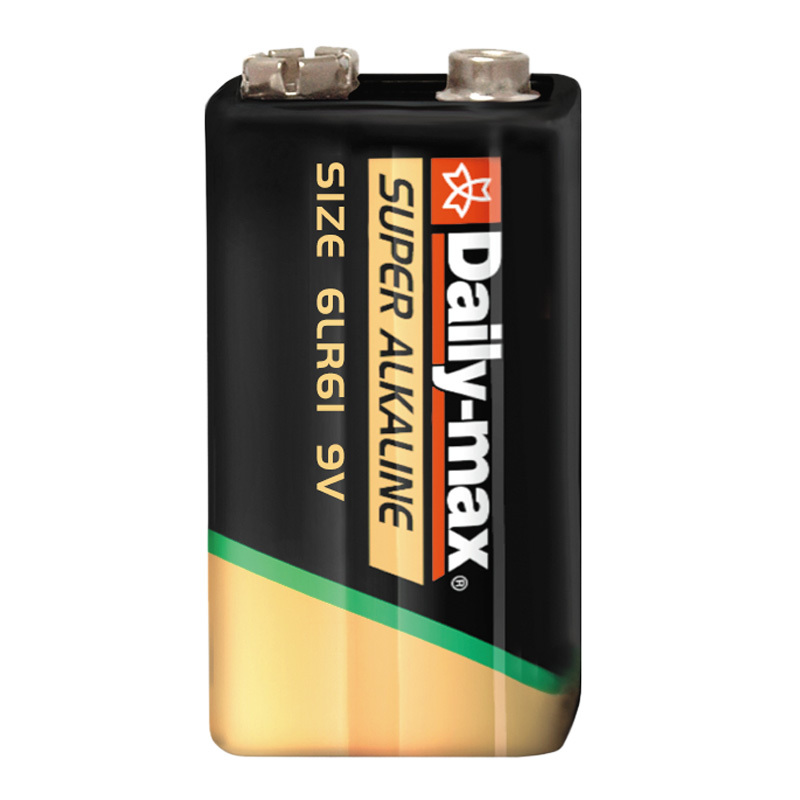
The 6LR61 Black Gold-1S Industrial Alkaline battery is a high-overall performance battery designed f...
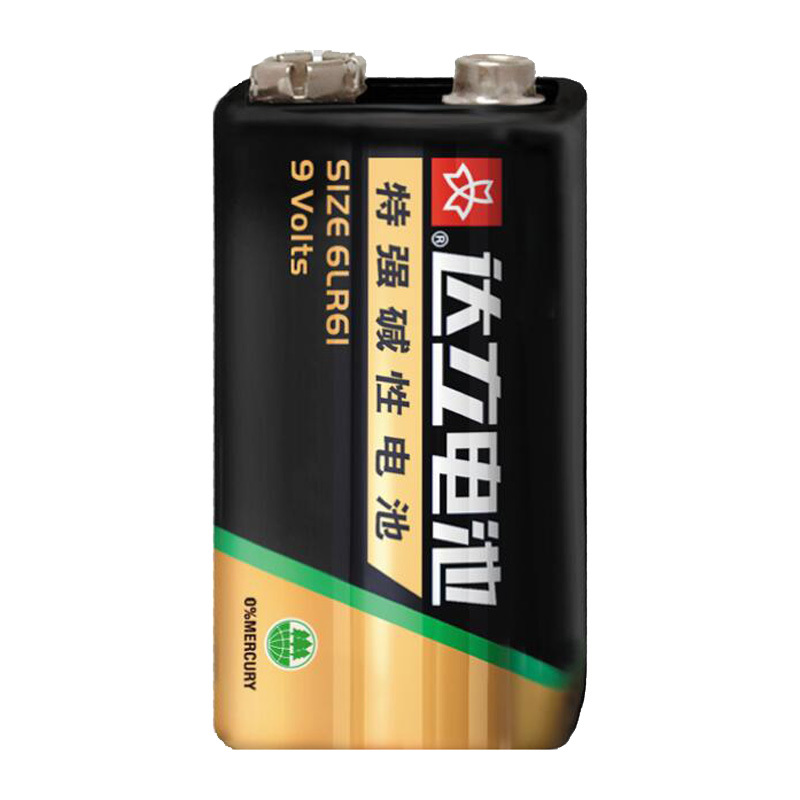
The 6LR61-1 shrink Industrial Alkaline battery is a compact and reliable electricity solution for bu...
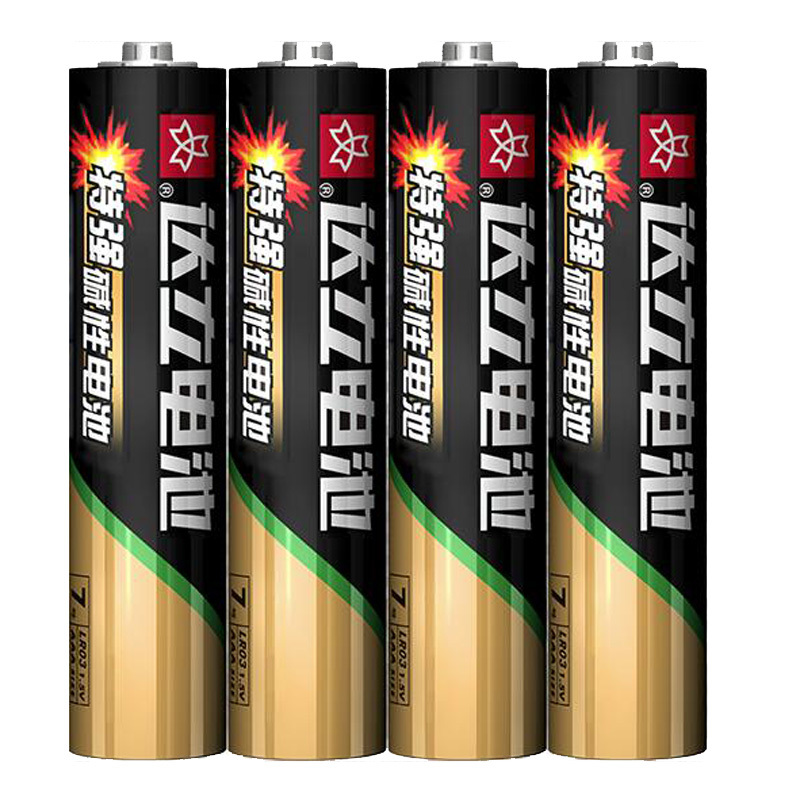
The LR03-4 shrink Industrial Alkaline battery is a fairly efficient and reliable strength solution d...
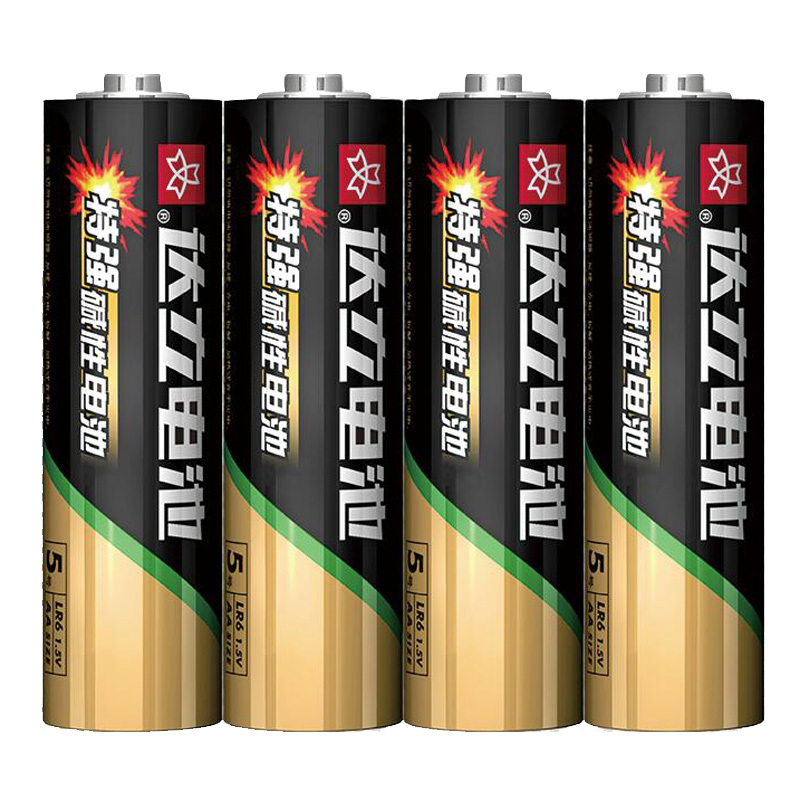
The LR6-4 shrink Industrial Alkaline battery is a dependable and versatile strength answer specifica...
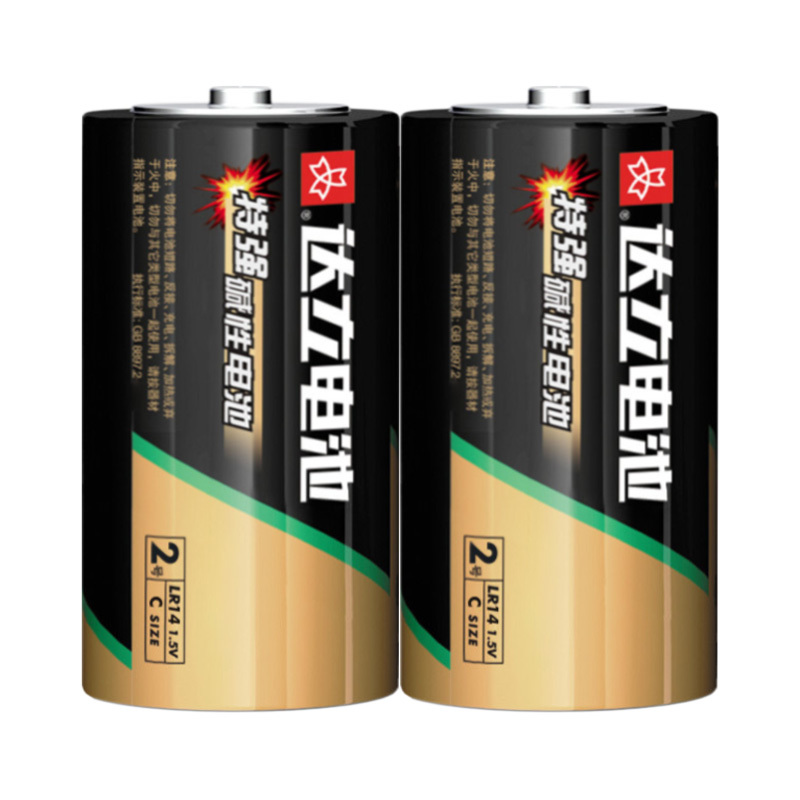
The LR14-2 shrink Industrial Alkaline battery is a high-quality and sturdy strength supply in partic...
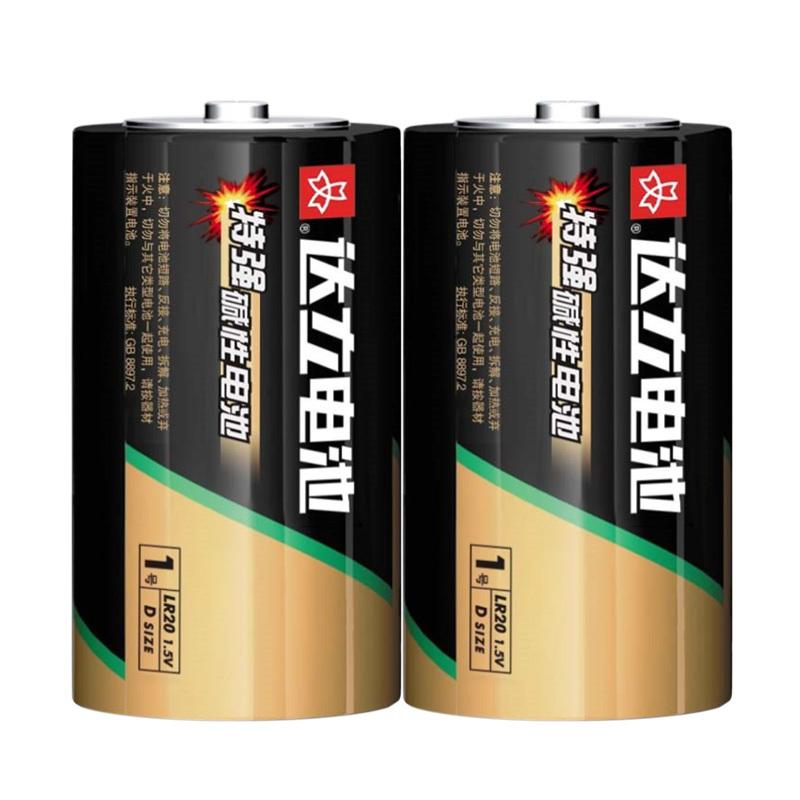
The LR14-2 shrink Industrial Alkaline battery is a high-quality and sturdy strength supply in partic...
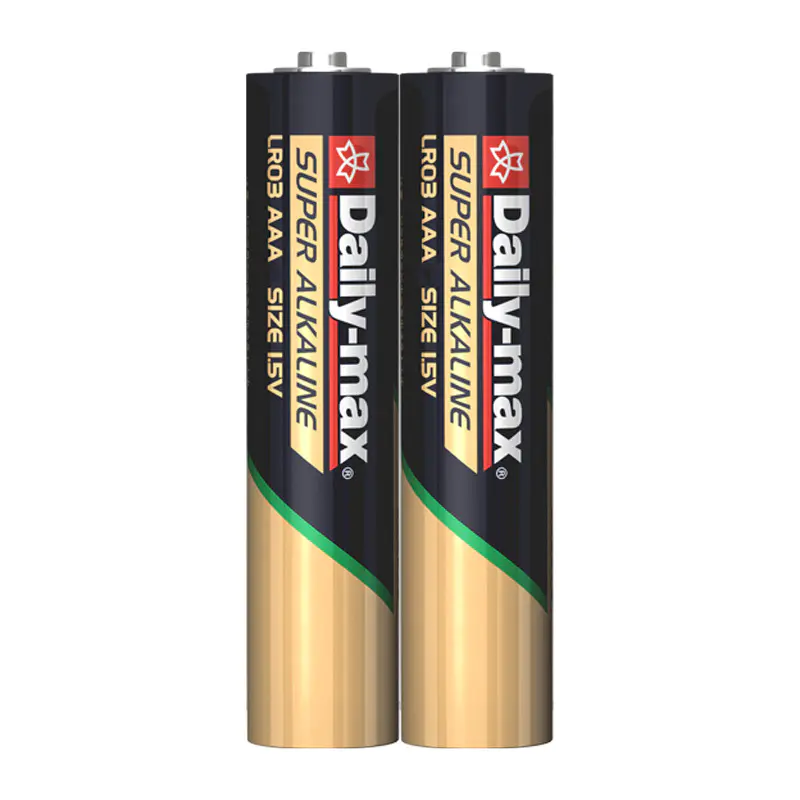
The LR03 Black Gold-2S Industrial Alkaline battery is a modern-day power solution particularly engin...
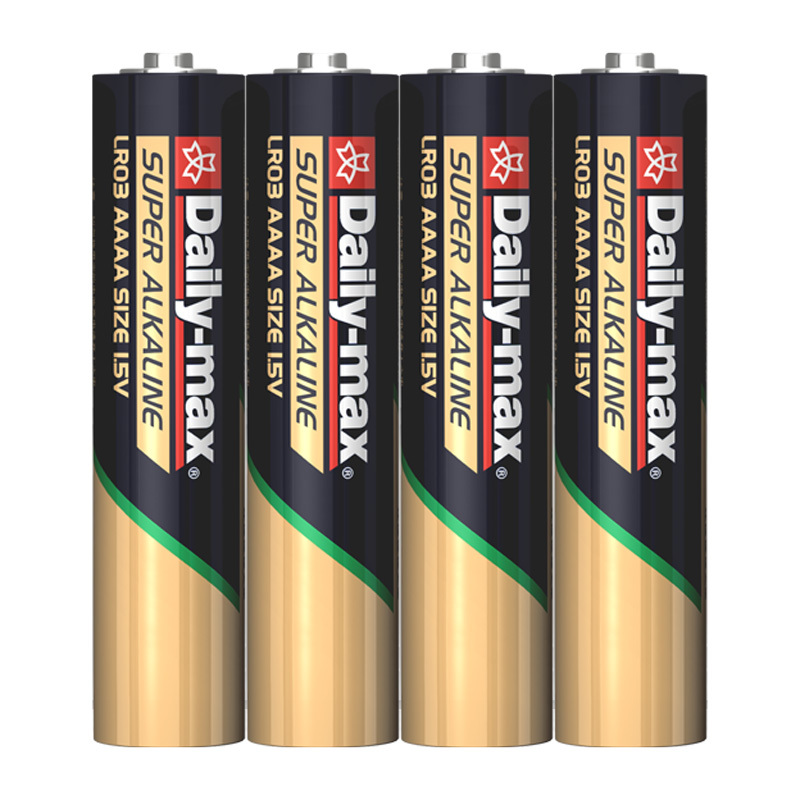
The LR03 Black Gold-4S Industrial Outfit Alkaline Battery is a among the strength source mainly ta...
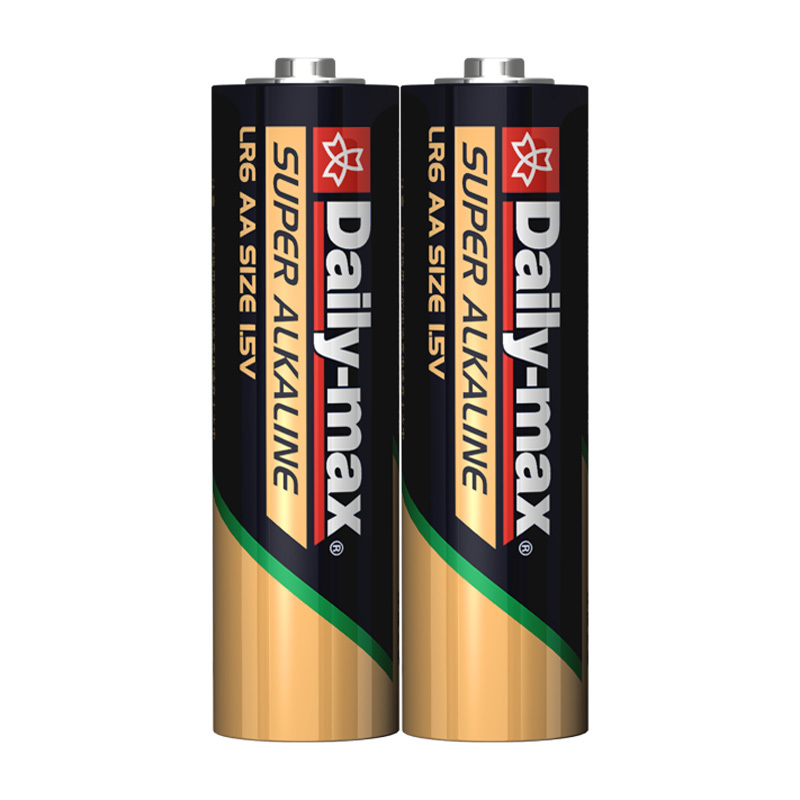
The LR6 Black Gold-2S Industrial Outfit Alkaline Battery is a splendid energy solution designed for ...
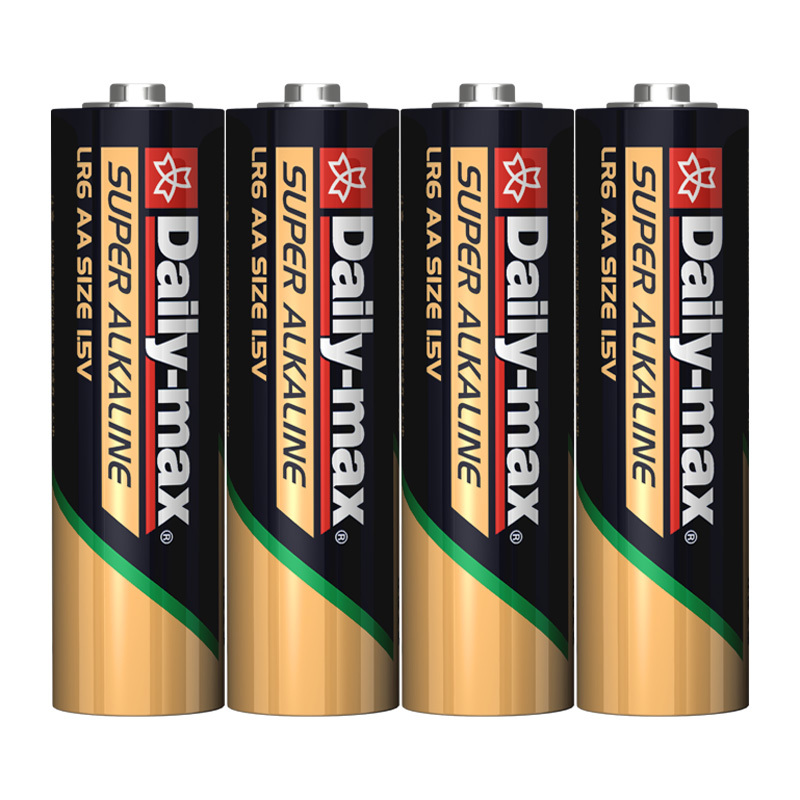
The LR6 Black Gold-4S Alkaline Battery is a reliable electricity source appropriate for various prog...
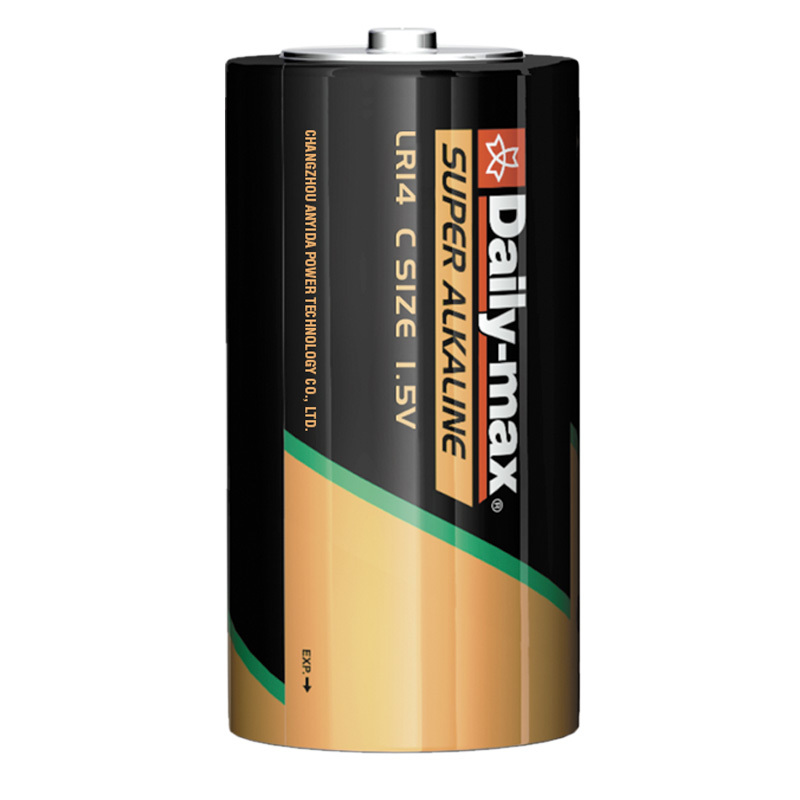
The LR14 Black Gold-1S Alkaline Battery is a high-performance electricity solution designed for a wi...

The LR14 Black Gold-2S Alkaline Battery is an exquisite electricity supply appropriate for diverse p...
-- Steady & Reliable Manufacturer --
Low-drain devices—including remote controls, wall clocks, smoke detectors, and digital thermometers—operate on very small currents, often measured in microamps. For these applications, battery life is measured in months or years rather than hours, and the primary performance metrics are self-discharge rate, leakage resistance, and long-term voltage stability rather than high-current capability.
Alkaline batteries excel in low-drain applications due to their low self-discharge rates (typically ≤2% per year) and long shelf life (up to 7 years). Unlike high-drain devices where internal resistance is critical, low-drain applications benefit most from batteries that retain their capacity over extended idle periods. Leakage resistance is also paramount, as batteries in low-drain devices often remain installed for years, increasing the risk of electrolyte leakage if quality is not maintained.
For device manufacturers, facility managers, and consumers selecting batteries for low-drain applications, understanding the key performance characteristics is essential for ensuring long-term reliability. The following specifications outline the critical parameters for batteries intended for low-drain devices.
| Parameter | Specification |
|---|---|
| Nominal Voltage | 1.5V (open circuit: 1.6V typical) |
| Chemistry System | Alkaline Manganese Dioxide (Zn-MnO₂) |
| Typical Capacity (AA) | 2700 mAh (1mA continuous drain to 0.9V cut-off) |
| Typical Capacity (AAA) | 1050 mAh (1mA continuous drain to 0.9V cut-off) |
| Typical Capacity (9V) | 550 mAh (under 1mA load to 5.4V) |
| Continuous Discharge Current | ≤ 10mA (typical for low-drain devices) |
| Internal Resistance (fresh) | ≤ 150mΩ (measured at 1kHz AC) |
| Annual Self-Discharge Rate | ≤ 1.5% at 20°C |
| Voltage Retention (1 year idle) | ≥ 1.45V (open circuit) |
| Operating Temperature Range | -20°C to +55°C |
| Recommended Storage Temperature | 10°C to 25°C (relative humidity ≤ 65%) |
| Shelf Life (unused) | Up to 10 years (at recommended storage conditions) |
| Leakage Resistance | Passed IEC 60086-5 leakage test (60°C, 90% RH, 21 days) |
| Weight (AA) | Approx. 23g ± 1g |
| Dimensions (AA) | 14.5mm (dia.) × 50.5mm (h) ± 0.5mm |
| Regulatory Certifications | RoHS, REACH, CE, UL, SGS Test Report |
| Packaging Options | Blister pack, shrink-wrapped tray, bulk carton |
| Parameter | Alkaline | Carbon-Zinc |
|---|---|---|
| Nominal Voltage | 1.5V | 1.5V |
| Typical Capacity (AA) | 2700 mAh | 1200-1500 mAh |
| Self-Discharge (annual) | ≤1.5% | ≤10% |
| Shelf Life | 10 years | 3 years |
| Leakage Risk | Low | High (especially when fully discharged) |
| Voltage Stability | Flat discharge curve | Steadily declining voltage |
| Cost (per unit) | Medium | Low |
Battery life in low-drain devices is measured in months or years:
These estimates assume quality alkaline batteries and typical usage patterns. Actual life depends on specific device power consumption and environmental conditions.
Several factors can cause premature device failure in low-drain applications:
Quality alkaline batteries with low internal resistance minimize these issues and provide more consistent performance throughout their life.
Leaving batteries in low-drain devices for extended periods is generally safe with quality batteries, but certain precautions apply:
For devices that will not be used for extended periods (e.g., seasonal equipment), removing batteries is recommended.
Rechargeable batteries are generally not recommended for low-drain devices for several reasons:
For low-drain applications, high-quality alkaline batteries provide the best combination of reliability, longevity, and cost-effectiveness.
Unused alkaline batteries have an extended shelf life when stored properly:
To maximize shelf life:
top

E-mail: [email protected]
E-mail: [email protected]

Phone: +86-13861108887
Phone: +86-13338792022

Address: Southern door, NO.1 East Road, Lou Xia Industrial Park, Rulin Town, Jintan District, Changzhou city, Jiangsu, China
QR code on
mobile phone
Copyright © Changzhou Strengh (Anyida) Power Technology Co., Ltd. All rights reserved.
Custom Primary Volt Batteries Suppliers
 English
 中文简体
 русский
 Español
 عربى