

 English
 中文简体
中文简体 русский
 Español
 عربى
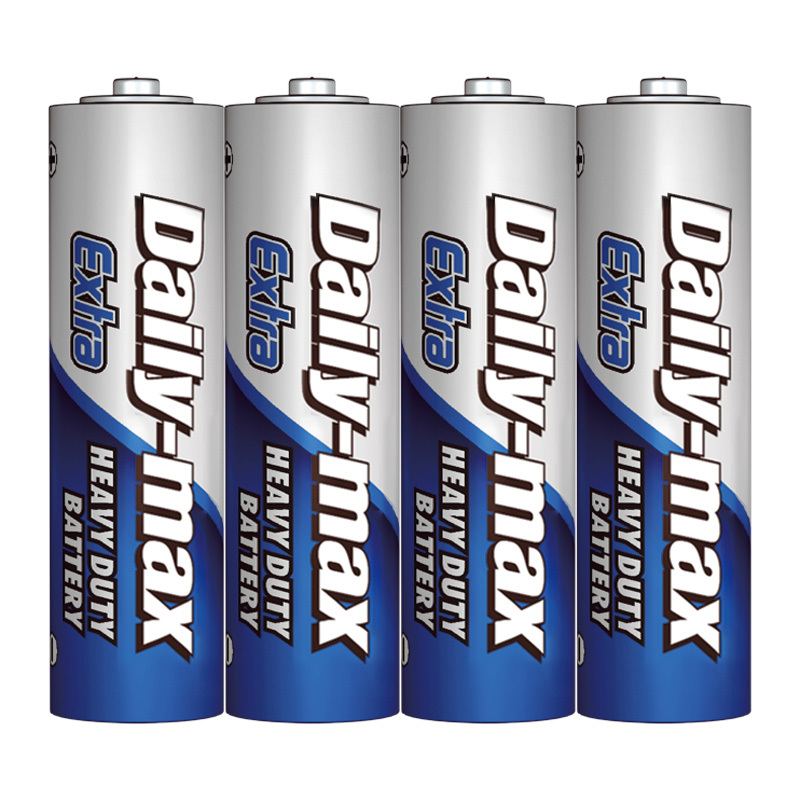
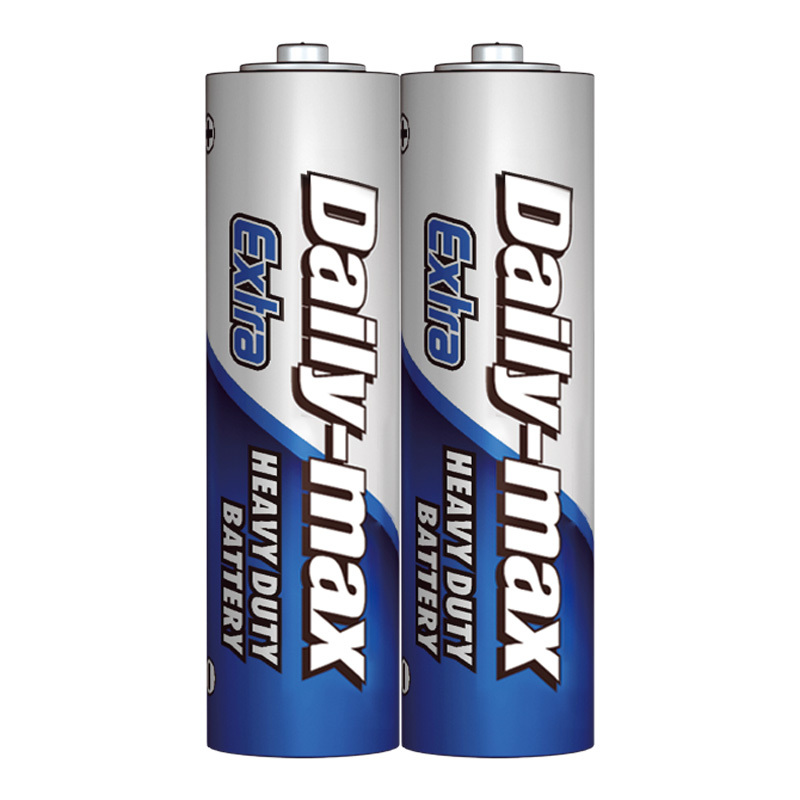
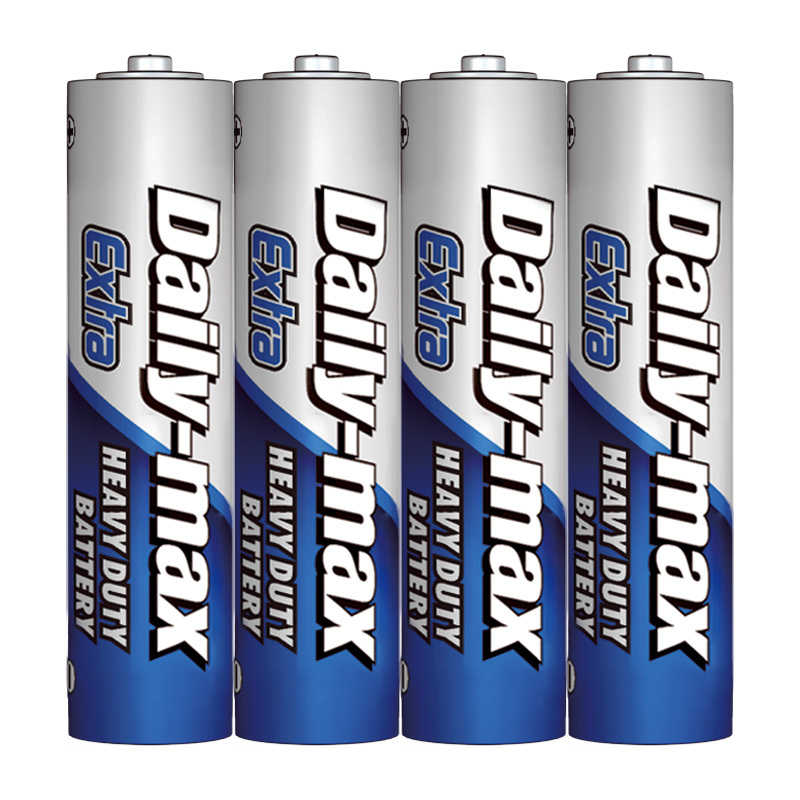
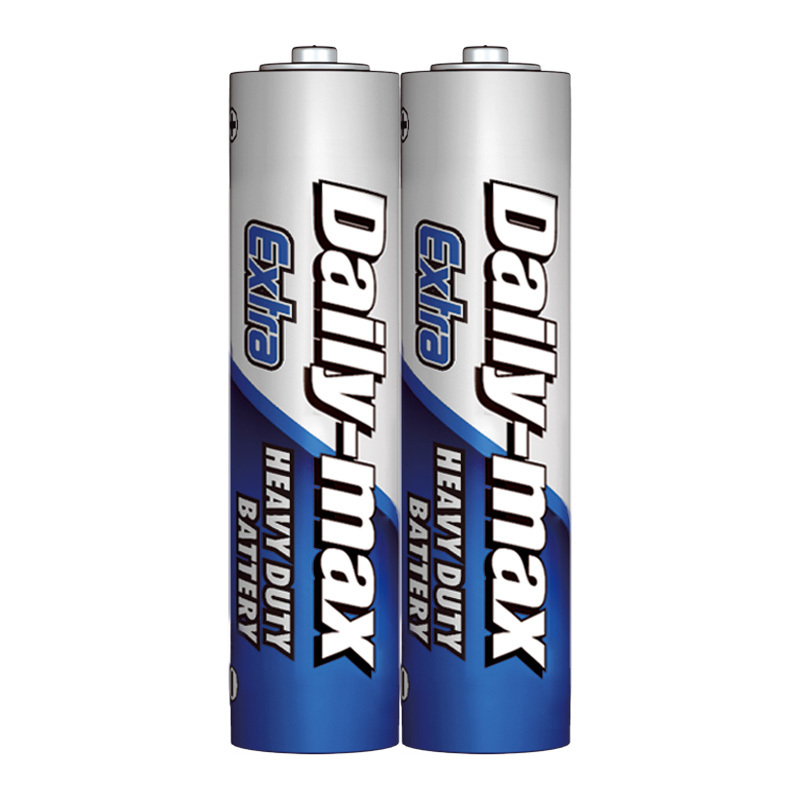
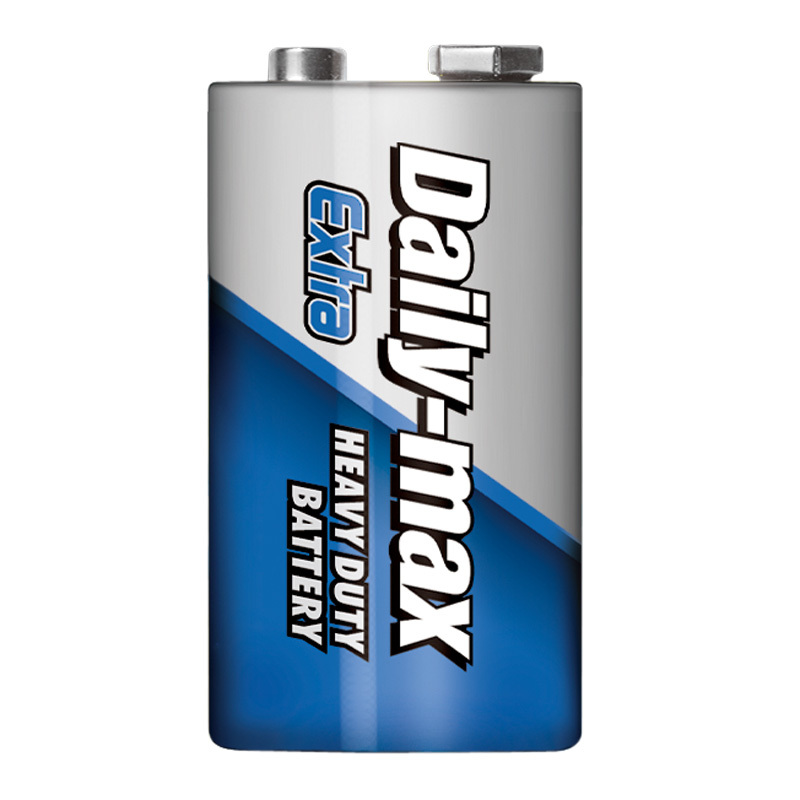
عربىA Business Carbon Battery is a zinc-carbon dry cell built for everyday commercial equipment: the kind of battery that quietly powers wall clocks, remote controls, and low-drain office devices without anyone thinking twice about it. It looks almost identical to an alkaline battery on the outside, but the chemistry, cost profile, and ideal use cases underneath are genuinely different, and understanding that difference is the fastest way to stop over-buying or under-buying batteries for the wrong job.
What Makes a Battery a "Carbon" Battery?
A carbon battery, more precisely called a zinc-carbon cell, is a type of primary battery, meaning it is designed to be used once and discarded rather than recharged. The name comes from the two materials that do most of the electrical work: a zinc casing that also serves as the negative electrode, and a carbon rod running through the center of the cell that acts as the current collector for the positive electrode. Everything else inside the battery exists to support the chemical reaction happening between those two components.
In plain terms, an electrode is simply a point where electric current enters or leaves a chemical system, and an electrolyte is the paste or liquid that allows charged particles, called ions, to move between those electrodes. In a zinc-carbon cell, the electrolyte is typically a paste made from ammonium chloride or zinc chloride. When the circuit is closed, meaning the battery is connected to a device that is switched on, a chemical reaction begins at the zinc casing, releasing electrons that travel through the external circuit, power the device, and return through the carbon rod to complete the loop.
The word "business" in front of carbon battery generally signals that the cell has been packaged and standardized for commercial and institutional purchasing rather than individual retail use. That usually means consistent voltage output across a production batch, bulk packaging formats, and pricing built around volume rather than convenience-store markup. The underlying cell chemistry is the same familiar zinc-carbon design that has existed for well over a century, refined for consistency at scale.
It helps to think of a battery, any battery, as a small, self-contained chemical reaction that has been paused until a circuit is closed. Nothing happens while the battery sits on a shelf, because the reaction can only proceed once electrons have somewhere to travel to and a path to return through. The design of a zinc-carbon cell simply determines how fast that reaction can safely proceed, how much total energy it can release before the reactive materials are used up, and how gracefully the voltage declines as that happens. Every specification printed on a battery label, from capacity to shelf life, is really just a description of how that one underlying reaction behaves under different conditions.
A zinc-carbon battery converts stored chemical energy into a steady, low-current electrical output by pairing a zinc casing with a manganese dioxide and carbon core, separated by an ion-conducting paste electrolyte.
Inside the Cell: How a Carbon Battery Actually Works
The easiest way to understand a carbon battery is to walk through what happens the moment a device is switched on, from the outside of the cell inward, following the same path an electron would actually take through the internal structure of the cell.
-
The zinc can becomes the anode
The outer metal casing of the battery is made of zinc, and it plays two roles at once. It physically holds the battery together, and it acts as the anode, the electrode where oxidation happens and electrons are released into the circuit.
-
The electrolyte paste carries ions
Sandwiched between the zinc casing and the central core is a moist paste electrolyte, usually ammonium chloride or zinc chloride mixed with starch to keep it from leaking. This paste lets charged particles move between the electrodes without allowing the zinc and carbon to touch directly.
-
Manganese dioxide surrounds the carbon rod
At the center of the cell sits a mixture of manganese dioxide and powdered carbon, packed tightly around a solid carbon rod. This mixture is the cathode, the electrode where reduction occurs, meaning it accepts electrons rather than releasing them.
-
The carbon rod collects the current
Manganese dioxide alone is a poor electrical conductor, so the carbon rod running through its center exists purely to collect the current generated by the reaction and carry it out to the positive terminal of the battery.
-
Electrons flow, power is delivered
Once the circuit closes, electrons leave the zinc anode, travel through the device being powered, and return through the carbon rod to the manganese dioxide cathode, where they are consumed in the reduction reaction. This continuous flow of electrons is what a device experiences as electrical power.
A simplified cross-section of the internal layers inside a standard zinc-carbon cell.
Key Specifications and Performance Factors
Reading a battery data sheet is far more useful once the specification terms are translated into what they mean for real-world performance. The table below breaks down the factors that matter most when a carbon battery is being selected for consistent commercial use.
| Nominal voltage | 1.5 volts per cell, matching the standard expected by most low-drain electronics |
| Capacity range | Roughly 400 to 1,600 milliamp-hours depending on cell size, noticeably lower than alkaline or lithium equivalents |
| Internal resistance | Higher than alkaline cells, which means voltage drops off more noticeably under heavy or continuous current draw |
| Ideal discharge type | Intermittent, low-current use rather than constant high-drain use |
| Shelf life | Typically around two years when stored in cool, dry conditions before noticeable capacity loss |
| Operating temperature range | Generally rated for approximately 0 to 40 degrees Celsius for stable performance |
| Leakage tendency | Higher than alkaline cells if left in a device for long periods after depletion, due to the zinc casing thinning as the reaction progresses |
The single most important number for planning purposes is capacity, measured in milliamp-hours. This figure tells you how much charge the battery can theoretically deliver before it is considered depleted. A carbon battery with a lower milliamp-hour rating than an alkaline equivalent will simply need replacing sooner in devices that draw meaningful current, but for devices that draw very little current, the practical difference in replacement frequency is often smaller than the specification sheet alone would suggest.
Internal resistance deserves a closer look as well, since it is often the specification that confuses people the most. Every battery has some resistance to the flow of current within its own internal chemistry, and a zinc-carbon cell simply has more of it than an alkaline or lithium cell of the same size. In practice, that means the voltage measured across the terminals of a carbon battery will sag more noticeably the moment a device starts drawing a larger current, even if the battery still has plenty of stored energy left. This is why a carbon battery can feel like it is "struggling" in a high-drain device while performing perfectly normally in a low-drain one; the chemistry itself has not changed, only the demand placed on it.
Factors That Affect Real-World Battery Life
Two carbon batteries from the same production batch can end up performing quite differently depending on how and where they are used. Several practical factors influence how long a cell actually lasts once it leaves the packaging.
Discharge pattern. A battery that is asked for short bursts of current with rest periods in between, such as one inside a remote control, tends to last considerably longer in real-world terms than the same battery placed in a device that draws current continuously, because the chemical reaction inside the cell partially recovers during idle periods.
Storage temperature. Heat accelerates the internal chemical reaction even while a battery is sitting unused, which gradually consumes its stored capacity. Storing carbon batteries in a cool, dry location before use is one of the simplest ways to preserve their rated shelf life.
Device compatibility. A device engineered around the discharge curve of an alkaline cell may cut off or behave erratically at a voltage level that a carbon battery reaches sooner, which can make the battery appear weaker than it actually is when the real issue is a mismatch between chemistry and device design.
Batch consistency. Because business-grade carbon batteries are produced and packaged for volume purchasing, consistency across a batch, meaning how closely each individual cell matches the rated specification, has a direct effect on how predictable replacement schedules are across a large fleet of devices.
Carbon Batteries vs. Alkaline and Lithium Cells
Choosing the right battery chemistry for a given piece of equipment comes down to matching the discharge pattern of the device to the strengths of the chemistry. The comparison below lays out how the three most common primary battery types stack up against each other.
| Attribute | Carbon (zinc-carbon) | Alkaline | Lithium |
| Typical cost per unit | Lowest | Moderate | Highest |
| Best suited load | Low, intermittent drain | Low to moderate, steady drain | High drain and extreme conditions |
| Approximate shelf life | 2 years | 5 to 7 years | 10 years or more |
| Weight | Lightest | Moderate | Lightest per unit of capacity |
| Leakage risk if left depleted | Higher | Lower | Lowest |
| Cold weather performance | Weak | Moderate | Strong |
None of these three chemistries is universally "better." A carbon battery is simply optimized for a different job than an alkaline or lithium cell. For a device that sits mostly idle and draws current in short, infrequent bursts, such as a basic wall clock or a television remote, the lower cost of a carbon battery often outweighs its shorter shelf life and lower total capacity, since the device is never asking the battery to work particularly hard in the first place.
Where Business Carbon Batteries Show Up Day to Day
Once you know what a carbon battery is good at, its presence in commercial environments starts to make a lot more sense. These cells tend to appear anywhere large quantities of low-drain devices need power without demanding a premium chemistry.
- 01
Hospitality and office remote controls
Hotels, conference rooms, and office buildings often manage dozens or hundreds of remote controls at once, and since remotes draw current only in short bursts when a button is pressed, a lower-capacity cell rarely causes a noticeable difference in day-to-day performance.
- 02
Wall clocks and analog timekeeping devices
A quartz wall clock draws an extremely small, steady current to move its hands, making it one of the most forgiving devices a carbon battery can power.
- 03
Promotional and giveaway electronics
Small branded gadgets handed out at trade shows or events, such as basic calculators or novelty items, are typically used briefly and infrequently, which fits the discharge profile of a Business Carbon Battery well.
- 04
Backup and low-priority devices
Equipment that is rarely used but needs to be functional when called upon, such as spare flashlights kept in a supply closet, can be stocked with carbon batteries at a lower ongoing cost.
- 05
Wireless peripherals with light use
Devices like basic wireless mice or keyboards that are used for short stretches during the day often work acceptably on carbon cells, particularly in shared or backup workstations.
Common Misconceptions About Carbon Batteries
Because carbon batteries share a shelf with alkaline and lithium cells, and often look nearly identical from the outside, several misunderstandings tend to persist about what they actually do.
The zinc-carbon design is old, but old does not mean obsolete. The chemistry remains in continuous commercial production because it is genuinely well matched to low-drain devices, not because manufacturers have failed to update it.
Voltage may be identical on paper, but internal resistance, capacity, and discharge behavior differ meaningfully between chemistries, which is exactly why a battery that works fine in a clock can perform poorly in a digital camera.
Voltage alone is a poor indicator of remaining capacity in a zinc-carbon cell, since voltage tends to decline gradually and unevenly across the discharge curve rather than staying flat until the battery suddenly dies.
Because the zinc casing itself is consumed as part of the reaction, a fully depleted carbon battery left in a device for an extended period is more prone to case thinning and leakage than other chemistries, so timely removal matters.
Cost efficiency depends entirely on matching chemistry to workload. Paying a premium for a high-drain lithium cell to power a device that only ever draws a trickle of current does not improve performance in any way that the device or its user will actually notice; it simply spends more money to achieve the same practical result.
A Short History: Why the Zinc-Carbon Design Still Matters
The origins of the carbon battery trace back to 1866, when French engineer Georges Leclanché developed a wet cell using a zinc rod, a carbon rod, and a manganese dioxide paste, laying the chemical foundation that still underpins the modern zinc-carbon cell. This early design worked well but was liquid-based and impractical to carry around.
The breakthrough that made the chemistry portable came in 1888, when Carl Gassner developed a dry cell version, sealing the electrolyte into a paste rather than a free liquid. This dry cell design became the basis for nearly every disposable battery produced for the following century, and it is the direct ancestor of the carbon batteries still manufactured today.
What has kept the zinc-carbon design commercially relevant, even as alkaline and lithium chemistries were developed and became dominant for demanding applications, is straightforward: manufacturing costs remain low, the raw materials are relatively abundant, and a large share of the devices people use every day simply do not require a premium battery to function properly. For manufacturers producing devices in bulk that will only ever draw small, occasional currents, a carbon battery, or the option to use one, keeps overall product and replacement costs down without sacrificing real-world performance.
It is also worth noting that the alkaline battery, introduced commercially in the mid-twentieth century, was not created to replace the zinc-carbon cell entirely, but to extend battery chemistry into higher-drain applications that the original design struggled to serve well. Rather than making the carbon battery disappear, that development effectively split the market by discharge need: higher-drain devices moved toward alkaline and later lithium chemistries, while the enormous population of low-drain devices continued to be served efficiently by the older, simpler, and less expensive zinc-carbon design. That division of labor between chemistries, more than any single technical breakthrough, explains why carbon batteries are still manufactured and purchased at scale today.
The Practical Takeaway
A carbon battery is not a lesser version of an alkaline or lithium battery; it is a different tool built for a different job. Understanding the zinc-carbon chemistry, from the zinc casing acting as the anode to the manganese dioxide and carbon core acting as the cathode, makes it much easier to judge which devices genuinely benefit from a Business Carbon Battery and which ones need a higher-capacity chemistry instead. For low-drain, intermittently used equipment across offices, hospitality settings, and everyday commercial devices, that century-old chemistry still does exactly what it was designed to do.
The most useful habit to take away from all of this is matching, not upgrading by default. Before assuming a device needs a higher-capacity or longer-lasting cell, it is worth asking how that device is actually used day to day: how often, for how long, and how much current it realistically draws in the process. A large share of equipment found in offices and commercial spaces was never designed to need more than a carbon cell can comfortably provide, and recognizing that pattern is what separates an informed battery choice from a habitual one.
Frequently Asked Questions
What is the main difference between a carbon battery and an alkaline battery?
The core difference lies in the electrolyte and internal chemistry. Carbon batteries use an acidic ammonium chloride or zinc chloride paste and have higher internal resistance, while alkaline batteries use an alkaline potassium hydroxide electrolyte, which generally gives them higher capacity and steadier performance under load.
Can a carbon battery be recharged?
No. A carbon battery is a primary cell, meaning the chemical reaction that produces its electrical current is not practically reversible, so attempting to recharge one is not safe or effective.
Why do carbon batteries cost less than alkaline or lithium batteries?
The raw materials, zinc and manganese dioxide, are relatively inexpensive and the manufacturing process is simpler and more established than newer chemistries, which keeps production costs, and therefore purchase prices, lower.
Is it safe to leave a carbon battery in a device for a long time?
It is safer to remove a carbon battery once it is depleted or if a device will not be used for an extended period, since the zinc casing can thin and leak as the internal reaction progresses over time.
What kinds of devices should avoid carbon batteries?
Devices that draw high, continuous current, such as digital cameras, motorized toys, or high-power flashlights, generally perform poorly on carbon batteries and are better matched with alkaline or lithium cells.
How can you tell if a carbon battery is still good?
A simple voltage reading offers a rough guide, but because voltage declines gradually rather than dropping sharply near depletion, testing the battery under an actual load, or simply trying it in the intended device, gives a more reliable picture of remaining performance.
Why does the same battery seem to last longer in one device than another?
Battery life depends heavily on discharge pattern and internal resistance rather than voltage alone, so a carbon battery powering a device with brief, intermittent current draw will typically outlast the same battery placed in a device that draws current continuously or in large bursts.