

Send Inquiry

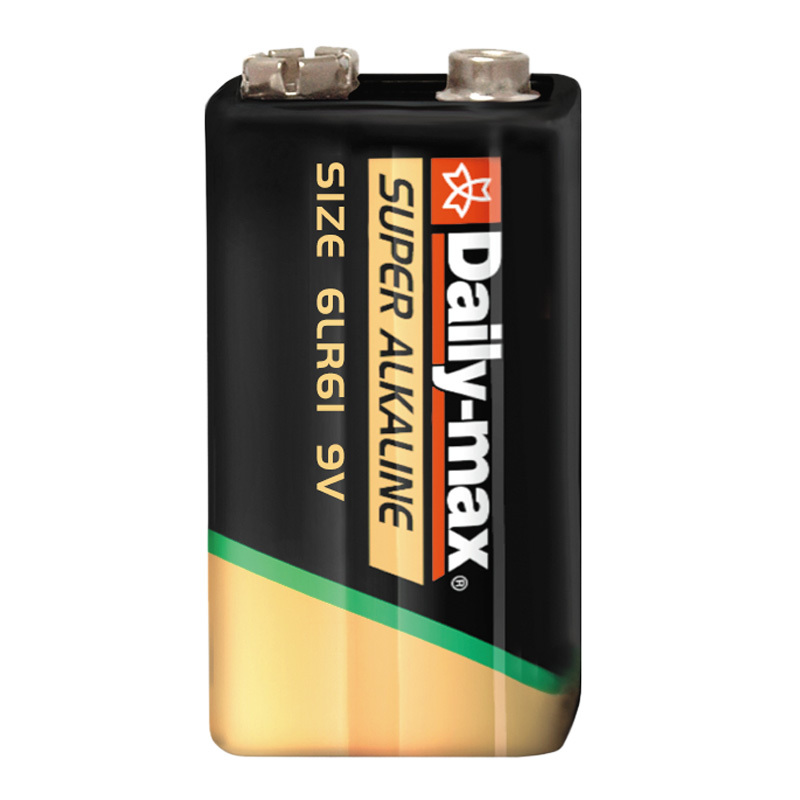
The 6LR61 Black Gold-1S Industrial Alkaline battery is a high-overall performance battery designed f...
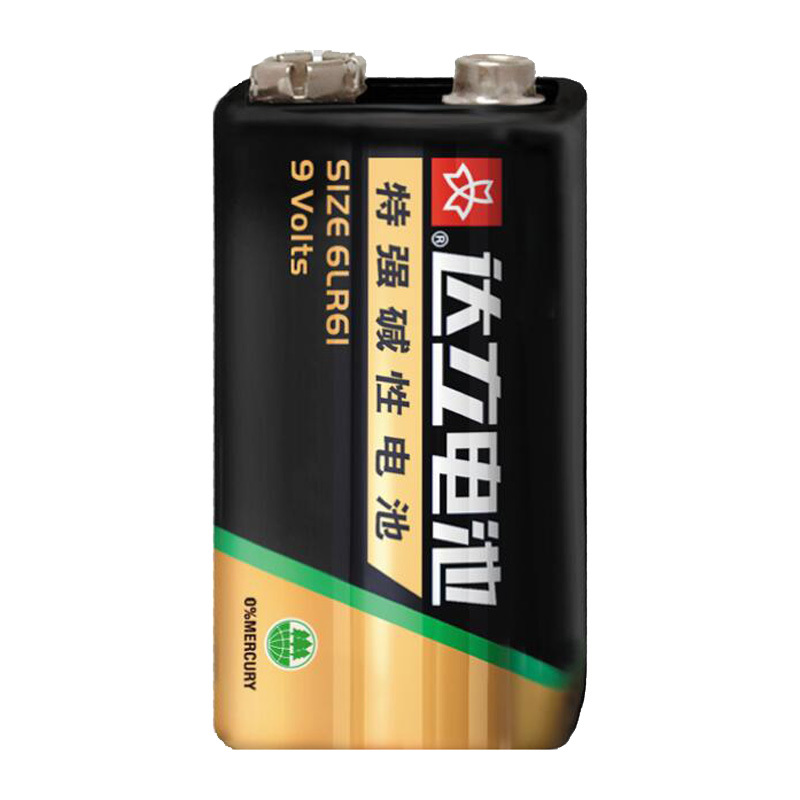
The 6LR61-1 shrink Industrial Alkaline battery is a compact and reliable electricity solution for bu...
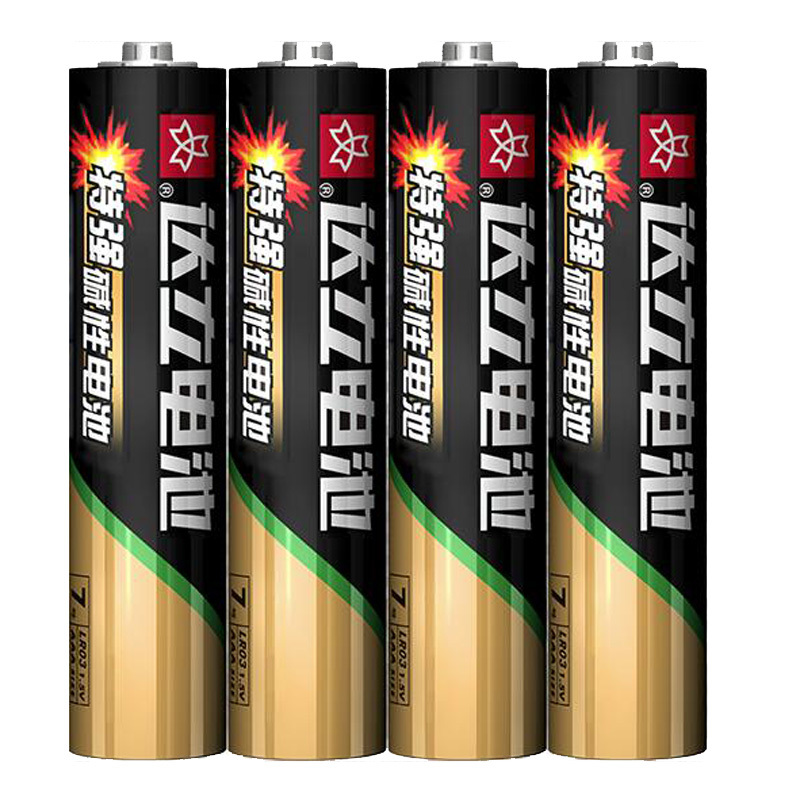
The LR03-4 shrink Industrial Alkaline battery is a fairly efficient and reliable strength solution d...
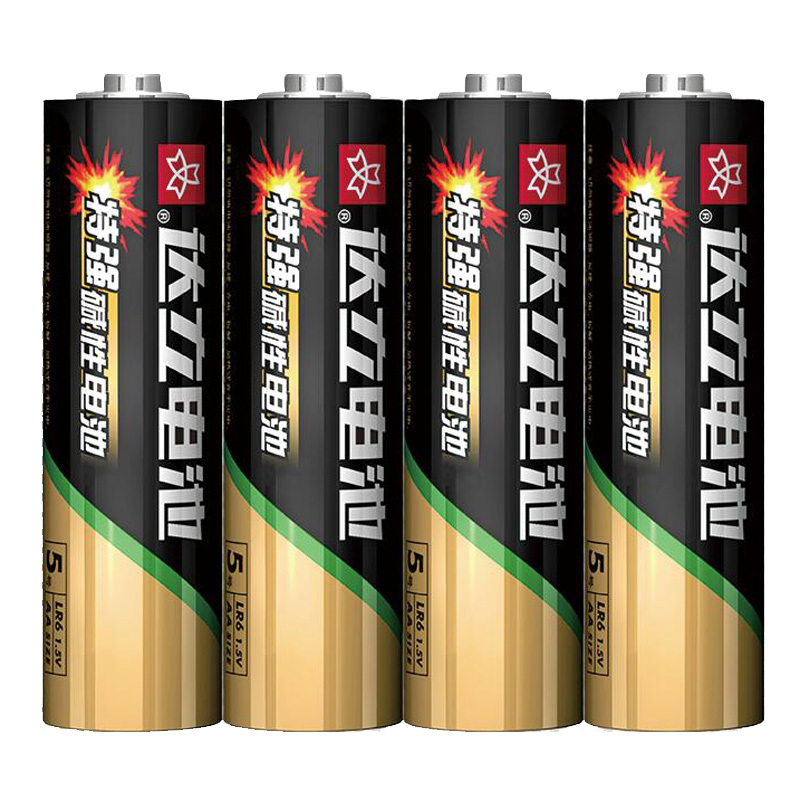
The LR6-4 shrink Industrial Alkaline battery is a dependable and versatile strength answer specifica...
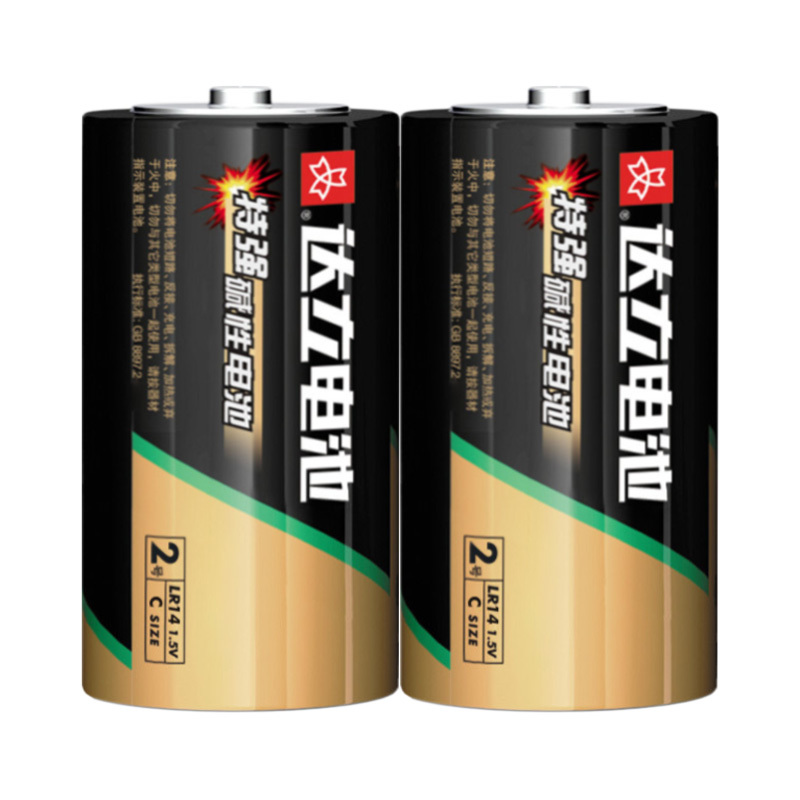
The LR14-2 shrink Industrial Alkaline battery is a high-quality and sturdy strength supply in partic...
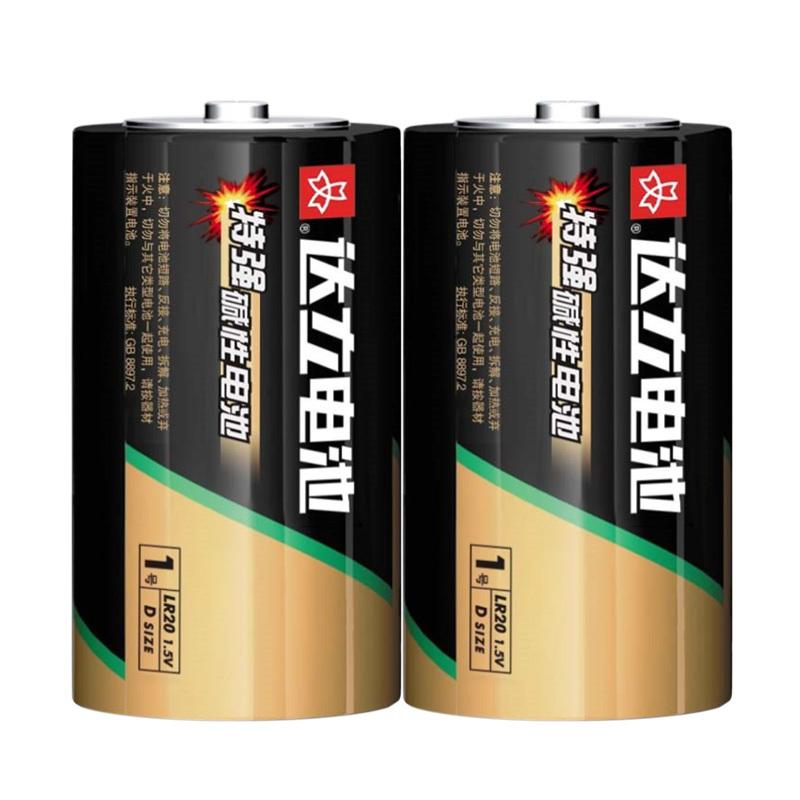
The LR14-2 shrink Industrial Alkaline battery is a high-quality and sturdy strength supply in partic...
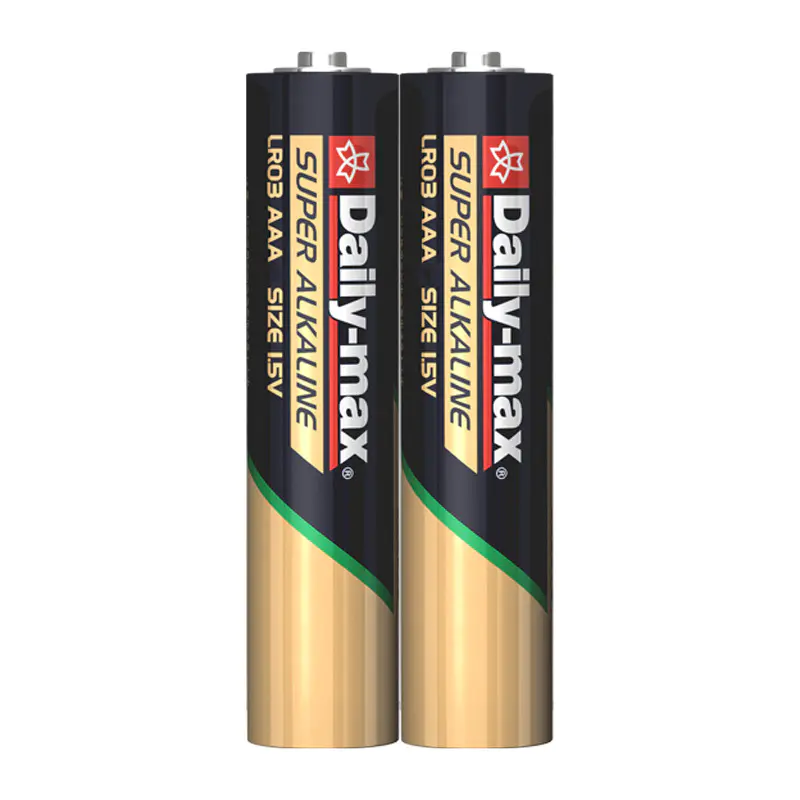
The LR03 Black Gold-2S Industrial Alkaline battery is a modern-day power solution particularly engin...
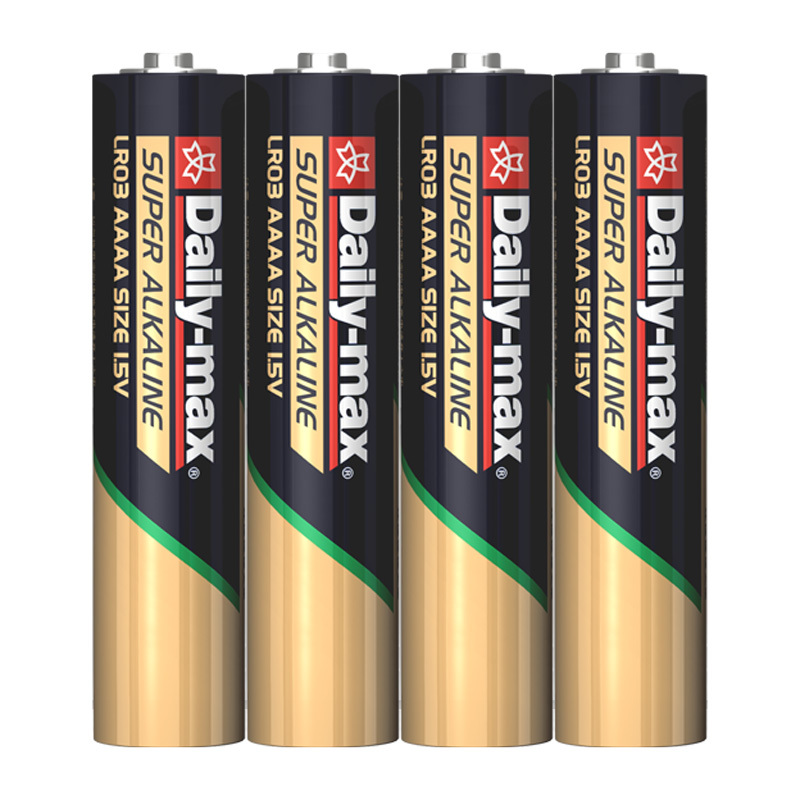
The LR03 Black Gold-4S Industrial Outfit Alkaline Battery is a among the strength source mainly ta...
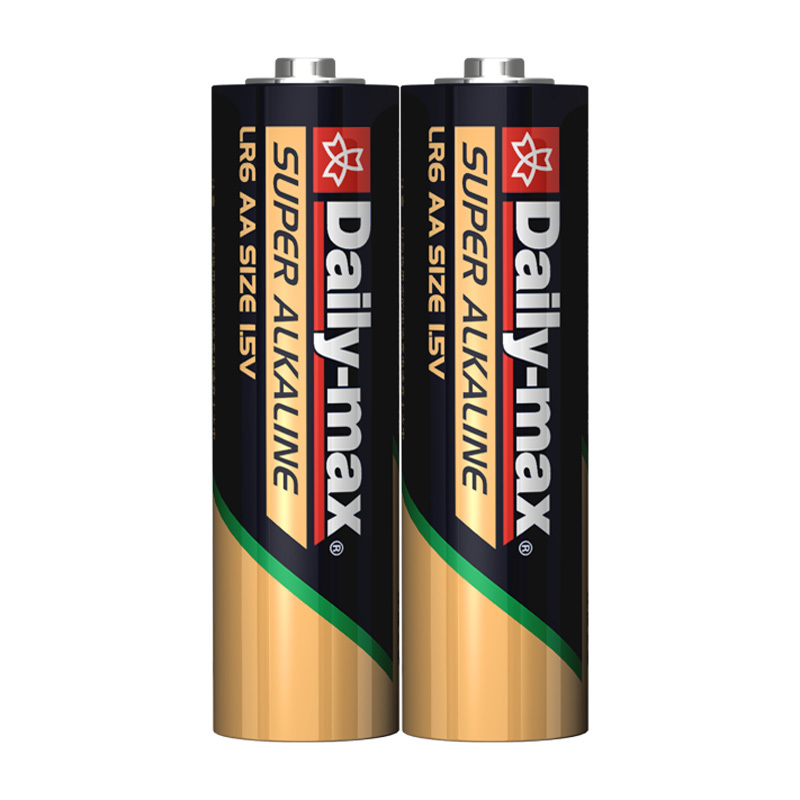
The LR6 Black Gold-2S Industrial Outfit Alkaline Battery is a splendid energy solution designed for ...
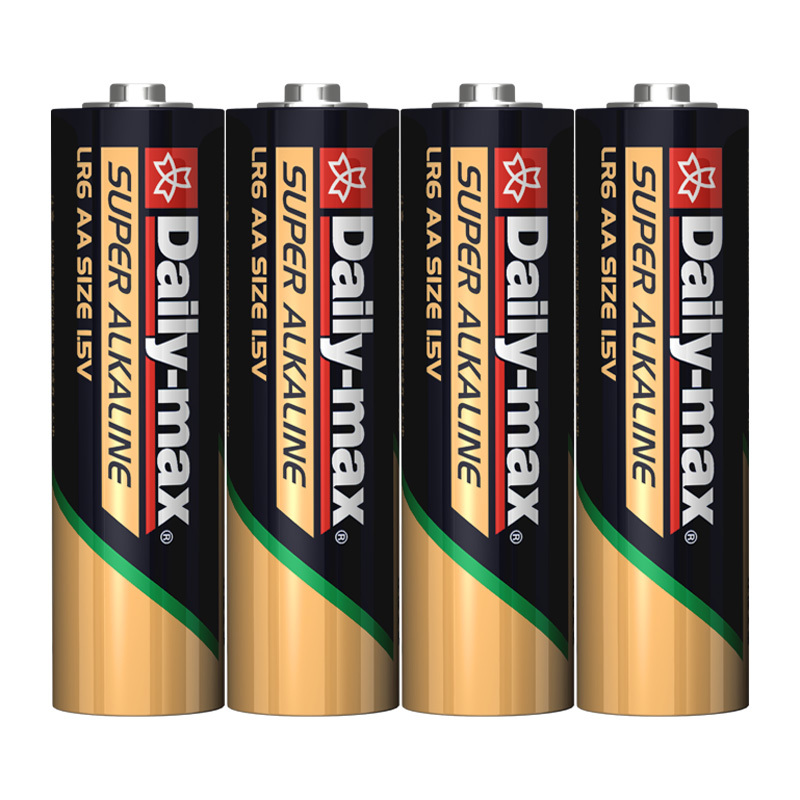
The LR6 Black Gold-4S Alkaline Battery is a reliable electricity source appropriate for various prog...
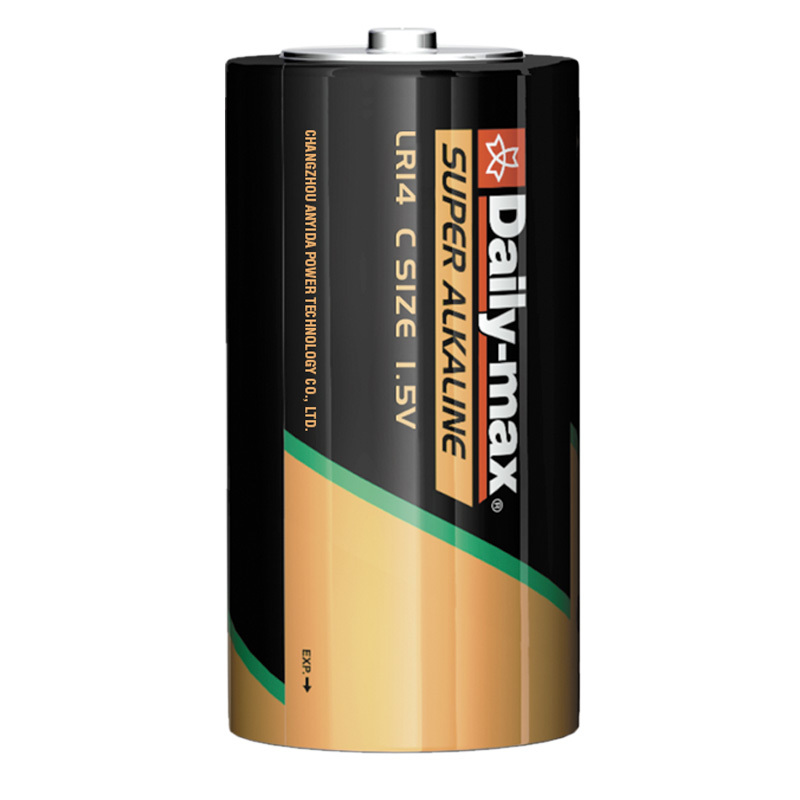
The LR14 Black Gold-1S Alkaline Battery is a high-performance electricity solution designed for a wi...

The LR14 Black Gold-2S Alkaline Battery is an exquisite electricity supply appropriate for diverse p...
-- Steady & Reliable Manufacturer --
IoT sensor batteries are primary power sources engineered for the specific operational demands of Internet of Things (IoT) sensors and devices. These batteries must provide reliable power for data collection, processing, and wireless transmission over extended periods, often exceeding five years. The chemical systems used, frequently lithium-thionyl chloride (Li-SOCl₂) or lithium-manganese dioxide (Li-MnO₂), are selected for their high energy density, low annual self-discharge rate (typically below 1%), and ability to deliver high current pulses for data transmission.
Changzhou Strengh (Anyida) Power Technology Co., Ltd. designs and manufactures primary batteries specifically for IoT sensor applications. Our products are engineered to meet the stringent requirements of industrial monitoring, smart agriculture, asset tracking, and environmental monitoring. With ISO 9001, ISO 14001, and UL certifications, our batteries provide the reliable power that IoT sensors require for long-term autonomous operation.
| Parameter | Specification |
|---|---|
| Nominal Voltage | 3.0V (Li-MnO₂) / 3.6V (Li-SOCl₂) |
| Capacity Range | 400 mAh to 19,000 mAh (based on cell size) |
| Self-Discharge Rate | < 1% per year at 20°C |
| Operating Temperature | -40°C to +85°C |
| Pulse Current Capability | Up to 2A (depending on cell design) |
| Recommended Storage Life | 10 years (at 20°C) |
| Certifications | UL, CE, RoHS, REACH, ISO9001, ISO14001 |
The typical operational lifespan ranges from 5 to 10 years, depending on the battery chemistry, sensor communication frequency, and environmental conditions. Li-SOCl₂ batteries generally offer the longest service life due to their extremely low self-discharge rate and high energy density.
Li-SOCl₂ (lithium thionyl chloride) is generally preferred for its high energy density and very low self-discharge. Li-MnO₂ (lithium manganese dioxide) is an alternative where a lower voltage (3.0V) is required. The selection depends on the sensor's specific voltage and pulse current requirements.
Yes, our batteries are designed for a wide operating temperature range from -40°C to +85°C, making them suitable for outdoor sensor installations in cold climates and exposed locations.
When selecting a battery for IoT sensor applications, consider the following factors:
We offer comprehensive manufacturing and customization services for IoT sensor batteries:
top

E-mail: [email protected]
E-mail: [email protected]

Phone: +86-13861108887
Phone: +86-13338792022

Address: Southern door, NO.1 East Road, Lou Xia Industrial Park, Rulin Town, Jintan District, Changzhou city, Jiangsu, China
QR code on
mobile phone
Copyright © Changzhou Strengh (Anyida) Power Technology Co., Ltd. All rights reserved.
Custom Primary Volt Batteries Suppliers
 English
 中文简体
 русский
 Español
 عربى