

 English
 中文简体
中文简体 русский
 Español
 عربى
عربىA smoke alarm manual that specifies a 10-year lithium cell and a TV remote that runs happily on a budget alkaline AA are both correct engineering decisions, and the difference between them is the whole story of alkaline batteries vs lithium.
That gap reaches our inbox weekly at Changzhou Strengh (Anyida) Power Technology Co., Ltd., a primary battery factory in Changzhou, Jiangsu Province that has manufactured cells since 1956. We run alkaline cylindrical lines and CR-series lithium manganese coin cell lines on the same campus, so we have no incentive to oversell either chemistry. The short answer: alkaline wins on unit cost, availability and low-drain service; lithium wins on energy density, shelf life, cold tolerance and weight. The sections below turn that sentence into numbers, cost math and a sourcing checklist you can apply to your next purchase order.
What Lithium Means in the Alkaline Batteries vs Lithium Comparison
Lithium is a family of primary chemistries rather than one battery size, and the specific format you mean changes every conclusion that follows.
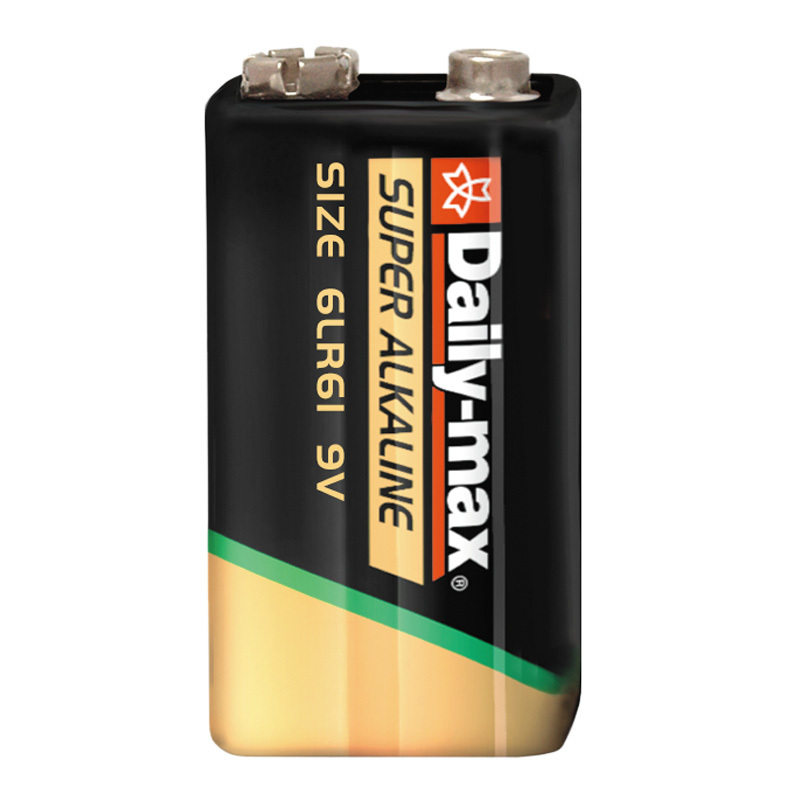
Alkaline cells pair a zinc anode with a manganese dioxide cathode in a potassium hydroxide electrolyte. The chemistry has been commercially mature for more than half a century, which is why it dominates the LR6, LR03, LR14, LR20 and 6LR61 sizes on supermarket shelves and in industrial catalogues alike. The two lithium formats behave very differently in practice: a CR2032 coin cell cannot replace an AA alkaline in any device, while a 1.5 V lithium iron disulfide AA drops into any holder built for an alkaline AA. Separate the question into cylindrical-format swaps and coin-cell applications before you compare prices, because they are different markets.
Alkaline vs Lithium at a Glance: The Specs That Decide Purchases
Three specifications decide most real-world purchases: energy density, shelf life and temperature tolerance. Price then amplifies or neutralizes the gap.
The table below summarizes typical published ranges for the formats buyers actually order. For tender files we recommend attaching manufacturer datasheets instead of catalogue averages; our printed LR6 alkaline datasheet (PDF) is an example of the documentation level a professional buyer should request from any supplier.
| Specification | Alkaline (LR6, AA size) | Primary lithium |
| Nominal voltage | 1.5 V | 1.5 V cylindrical (Li-FeS2); 3.0 V coin (Li-MnO2) |
| Typical AA capacity | 2,000-2,850 mAh | 3,000-3,500 mAh (Li-FeS2 AA) |
| Energy density | About 130 Wh/kg | About 220-300 Wh/kg |
| Shelf life | 5-10 years | 15-20 years |
| Low-temperature limit | About minus 20 C | Down to minus 40 C |
| AA cell weight | About 23 g | About 15 g |
| Leakage risk | Moderate; KOH residue possible after deep discharge | Low; non-aqueous electrolyte |
| Relative unit cost | Baseline | Roughly 2-4x higher |
Where Alkaline Batteries Are the Smarter Buy
For low-drain, cost-sensitive and fast-turning applications, alkaline remains the most rational choice on a cost-per-runtime-hour basis.
- TV remotes, wall clocks and wireless mice draw microamps to a few milliamps, where spare lithium capacity is wasted money
- toys and mid-drain flashlights chew through stock quickly, so low unit cost beats runtime records
- retail programmes need blister cards, hanging cards and shrink packs in every size, and the alkaline supply chain is the deepest in the industry
The one alkaline weakness worth engineering around is leakage. An over-discharged cell can generate gas, burst its seal and leave crystallized potassium hydroxide on contacts, so specify cells with proven seal designs, rotate stock first-in-first-out and remove batteries from devices that will sit idle for a year or more. Our guide to standard alkaline battery shelf life and discharge behavior explains how capacity fades in storage and how to build a replacement cycle around it.
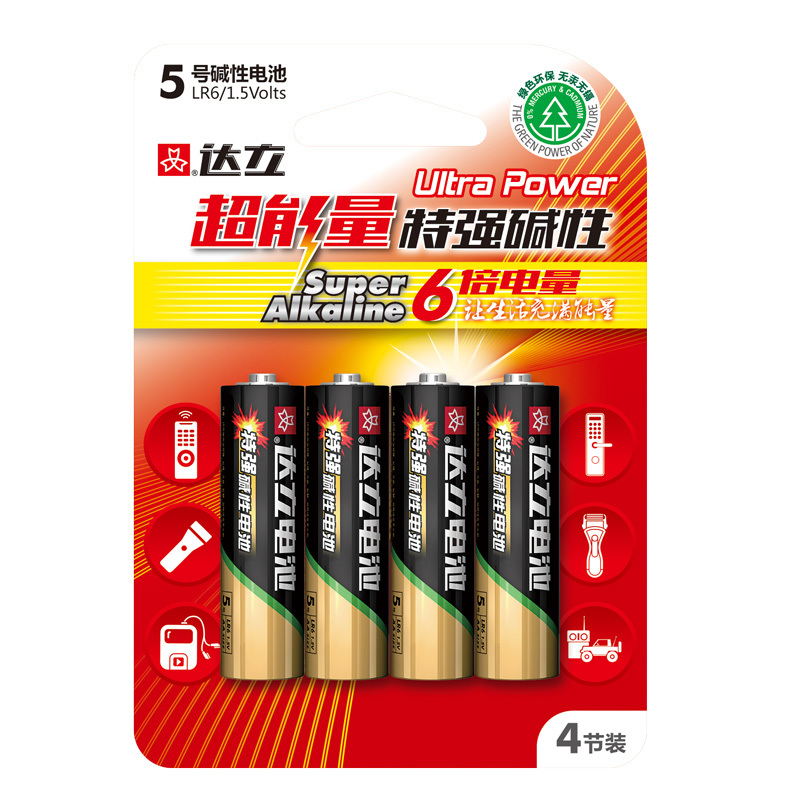
Product spotlight AA LR6 4B Business Alkaline Battery Retail-ready 4-card blister of LR6 alkaline for household, hardware and promotional channels. View product pageWhere Lithium Primary Cells Clearly Win
Lithium primary cells take every category that punishes alkaline chemistry: heavy drain, deep cold, long storage and tight weight budgets.
- high-drain instruments such as digital cameras, GPS trackers and trail cameras routinely return 3-8x the runtime of alkaline AAs
- cold-chain loggers and outdoor sensors keep working at minus 40 degrees Celsius, where alkaline capacity collapses
- emergency and metering stock benefits from 15-20 year shelf life, staying ready through a decade of idleness
- a lithium AA weighs about 15 g against roughly 23 g for alkaline, a 35 percent saving that matters in handheld instruments
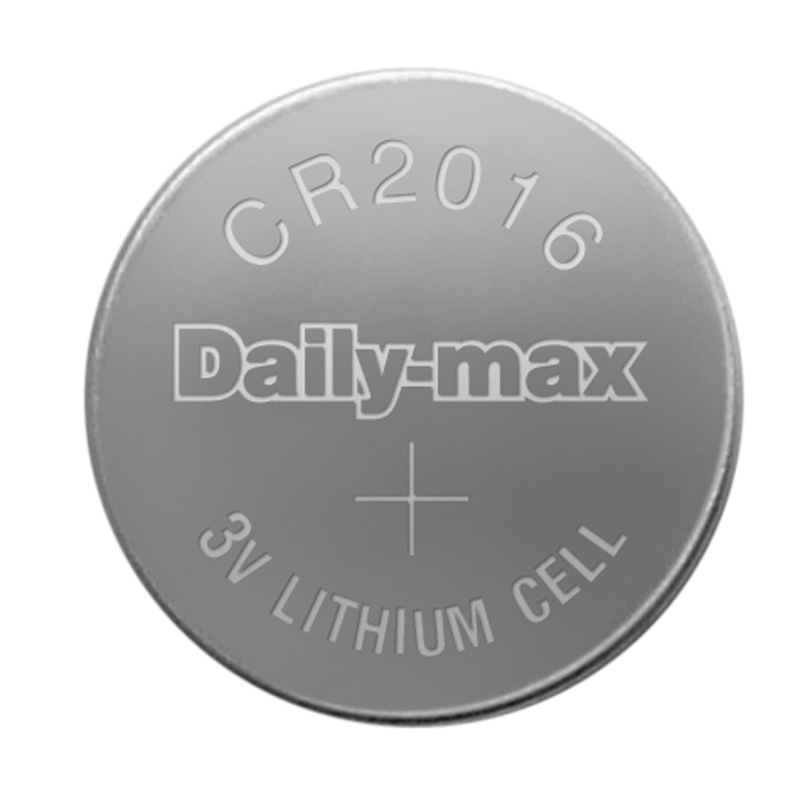
The coin-format story differs again. CR-series lithium manganese cells such as CR2016, CR2025, CR2032 and CR2450 provide a stable 3.0 V platform for car keys, motherboards, medical tags and meter displays, often lasting the life of the device on microamp loads. Anyida Power produces this CR line in both business and industrial outfitting, which is how we quote the two chemistries side by side without a sales agenda.
Product spotlight CR2032 Industrial Lithium Manganese Coin Battery 3.0 V lithium manganese dioxide coin cell supplied in industrial outfitting for OEM fitment. View product pageCost Math: When the Lithium Premium Pays Back
The lithium premium pays back only when runtime multiples, replacement labor or failure costs exceed its typical 2-4x price gap; everywhere else, alkaline stays the default.
Standardize on alkaline when
- average drain stays in the microamp to tens-of-milliamps range
- replacement is trivial, cheap and frequent
- stock turns quickly through retail or maintenance cycles
- the bill of materials must hit a consumer price point
Pay the lithium premium when
- the device is high-drain or draws in short, heavy pulses
- operating temperatures plunge below freezing or climb past 50 degrees Celsius
- a failed battery triggers a service call or a site visit
- equipment must survive a decade of storage and still work
When the two columns look close, run the four-step calculation below; it takes ten minutes and settles most internal debates.
- Measure the average drain current of the device, not just the peak.
- Check the specified temperature range and storage horizon before comparing unit prices.
- Add the true cost of a replacement visit, including labor and access equipment.
- Divide total cost of ownership by expected runtime hours; the lower figure wins.
Sourcing Checklist for B2B Buyers Comparing Both Chemistries
Sourcing both chemistries from one qualified factory cuts audit, freight and SKU costs, provided you verify five things before the first purchase order.
- chemistry breadth: confirm the supplier covers alkaline, carbon zinc and lithium manganese lines so future SKUs do not force a second vendor
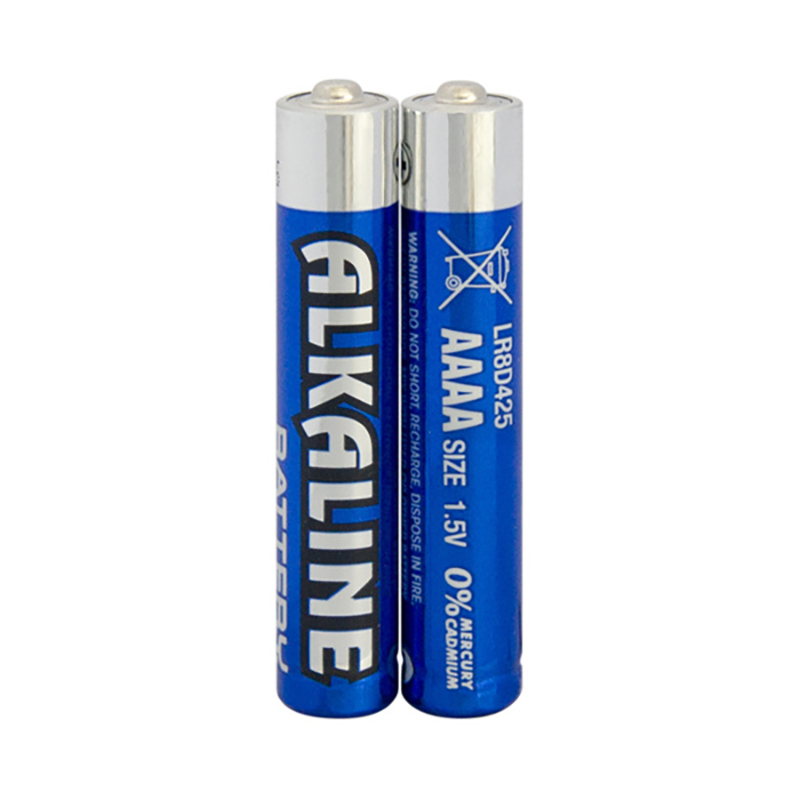
- size coverage, including special formats such as AAAA and long LR8D425 cells for proprietary equipment
- packaging depth: retail blister and hanging cards for storefronts, shrink and bulk packs for OEM fitment
- quality evidence: ISO 9001 and ISO 14001 systems plus CE, RoHS, REACH, UL and SGS reports you can actually file
- production reality: factory area, annual capacity and engineering headcount, asked directly instead of copied from a brochure
Changzhou Strengh (Anyida) Power Technology Co., Ltd. covers these points on paper with a 50,000-plus square meter plant, exports to more than 30 countries and a catalogue that separates retail business outfits from bulk industrial outfits. We still encourage every buyer to run the checklist independently, because a factory confident in its answers will welcome the questions. For maintenance programmes, the black-gold shrink-pack LR6 line below is the format most industrial teams standardize on.
Product spotlight LR6 Black-Gold 2S Industrial Alkaline Battery Shrink-packed industrial AA alkaline built for OEM fitment and maintenance stock programmes. View product pageFAQs: Alkaline Batteries vs Lithium
The four questions below cover the swap, storage, leakage and cold-weather decisions behind most of the enquiries we receive.
Can I put lithium batteries in a device that calls for alkaline?
Only when the voltage matches. A 1.5 V lithium iron disulfide AA is a safe substitute for an alkaline AA in virtually any device, while a 3.0 V CR coin cell must never replace a 1.5 V cell because the doubled voltage can damage circuitry. Match format and voltage first, chemistry second.
Which chemistry lasts longer in storage?
Lithium. Expect 15-20 years of shelf life from lithium primary cells against 5-10 years for alkaline, thanks to slower self-discharge and the absence of an aqueous electrolyte that degrades seals. For emergency stock that must work on the day it is finally needed, lithium is the lower-risk reserve.
Why do alkaline batteries leak while lithium cells rarely do?
An over-discharged alkaline cell generates gas inside the can; pressure builds until the seal vents and potassium hydroxide crystallizes on the contacts. Lithium cells use a non-aqueous electrolyte and a different seal architecture, so leaks are far less common. First-in-first-out stock rotation and prompt removal from idle devices prevent most alkaline leakage incidents.
Which type should I stock for cold stores and outdoor equipment?
Lithium. Alkaline capacity drops sharply as temperatures approach freezing, while lithium primary cells operate down to minus 40 degrees Celsius. Cold storage facilities, ski resorts and unheated utility cabinets should specify lithium as the default and keep alkaline for heated indoor devices only.