

 English
 中文简体
中文简体 русский
 Español
 عربى
عربىA facilities team ordering AA cells for wireless keyboards, 9 V cells for smoke alarms, and CR2032 coin cells for asset tags is really buying three different chemistries for three different jobs, and treating them as interchangeable is the fastest way to waste budget.
The alkaline vs lithium batteries decision comes down to four variables: drain rate, operating temperature, service interval, and total cost per hour. Alkaline cells, built on a zinc and manganese dioxide reaction, deliver the lowest cost per hour in low-drain devices. Lithium primary cells hold voltage under heavy load, tolerate temperatures from -40 C to 60 C, and stay fresh in storage for up to 20 years. As a primary battery manufacturer with lines covering alkaline, carbon-zinc, and CR-series lithium manganese cells, Changzhou Strengh (Anyida) Power Technology Co., Ltd. sees both chemistries ordered side by side, and the right answer changes with the application.
Alkaline vs Lithium Batteries: The Core Differences at a Glance
The core difference sits in the electrochemical system. Alkaline batteries generate current from zinc and manganese dioxide in an alkaline electrolyte, which keeps them cheap to produce and dependable at modest loads, while lithium primaries use lithium-based chemistry that delivers double the nominal voltage in coin formats, resists self-discharge, and holds usable energy far longer in storage and in extreme conditions.
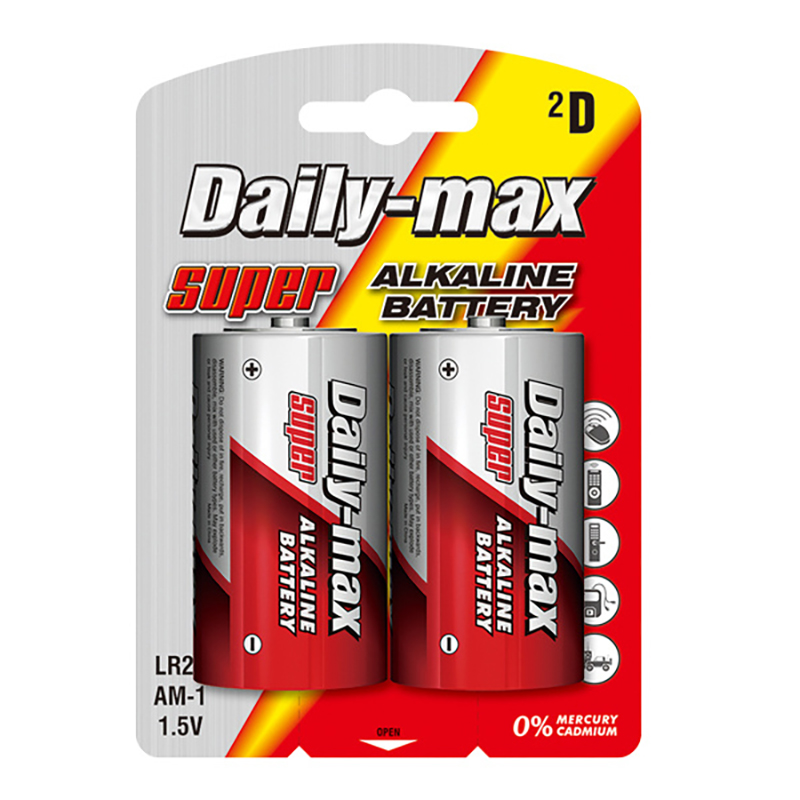
An alkaline battery is a disposable primary cell that produces current through the reaction between zinc and manganese dioxide in an alkaline potassium hydroxide electrolyte, delivering a nominal 1.5 volts per cell.
| Specification | Alkaline | Lithium primary |
| Cell chemistry | Zinc and manganese dioxide in potassium hydroxide electrolyte | Lithium manganese dioxide for CR coin cells, lithium iron disulfide for AA |
| Nominal voltage | 1.5 V | 3.0 V for CR coin cells, 1.5 V for lithium AA |
| Typical AA capacity | 2,500 to 3,000 mAh | 3,000 to 3,500 mAh |
| AA cell weight | About 23 g | About 15 g |
| Shelf life | 5 to 10 years | 10 to 20 years |
| Operating temperature | Roughly -18 C to 55 C | Roughly -40 C to 60 C |
| Relative cost per cell | Baseline | 2 to 4 times higher |
Voltage is the spec buyers misread most often. A CR2032 lithium manganese cell outputs 3.0 V, so it can never replace a 1.5 V alkaline cell in the same holder, while AA-size lithium iron disulfide cells run at 1.5 V and work as direct swaps in compatible devices.
Where Alkaline Batteries Win: Lowest Cost Per Hour in Low-Drain Devices
Alkaline batteries win on cost per hour in any device that draws modest, steady current, which is why they still dominate global primary battery volume by a wide margin.
- Remote controls, wall clocks, wireless keyboards, door chimes, and smoke alarms draw milliamp-level current that alkaline converts efficiently.
- A bulk order of industrial alkaline AA cells costs a fraction of the equivalent lithium order, and carbon-zinc cells cover the lowest-value applications even more cheaply.
- Mature, high-volume production lines keep lead times short and pricing stable for annual supply contracts.
- Full size coverage from AAA through C, D, and 9 V lets a single supplier serve an entire facility.
Shelf life supports the economics as well: with 5 to 10 years of storage life, most stock rotates long before aging becomes a cost. For the storage details, see this guide to alkaline battery shelf life and discharge behavior.
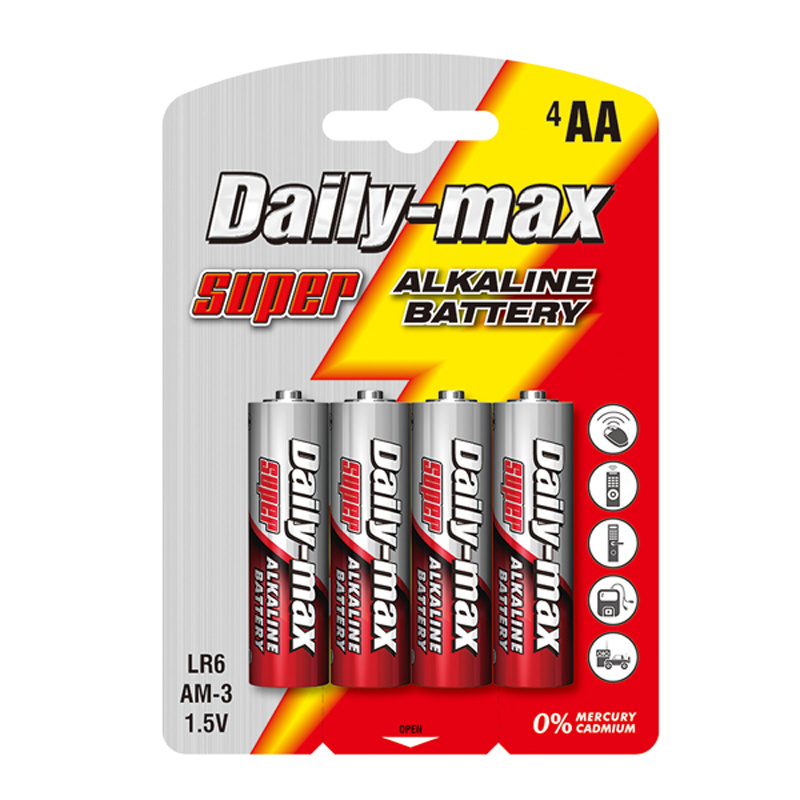 AA LR6-4B Business Alkaline BatteryDetailed DescriptionView Product →
Where Lithium Earns Its Premium: High Drain, Cold Chain, and 20-Year Shelf Life
Lithium primary batteries justify their 2 to 4 times price premium in three situations: high continuous drain, temperature extremes, and long service intervals where a replacement visit costs more than the cell itself.
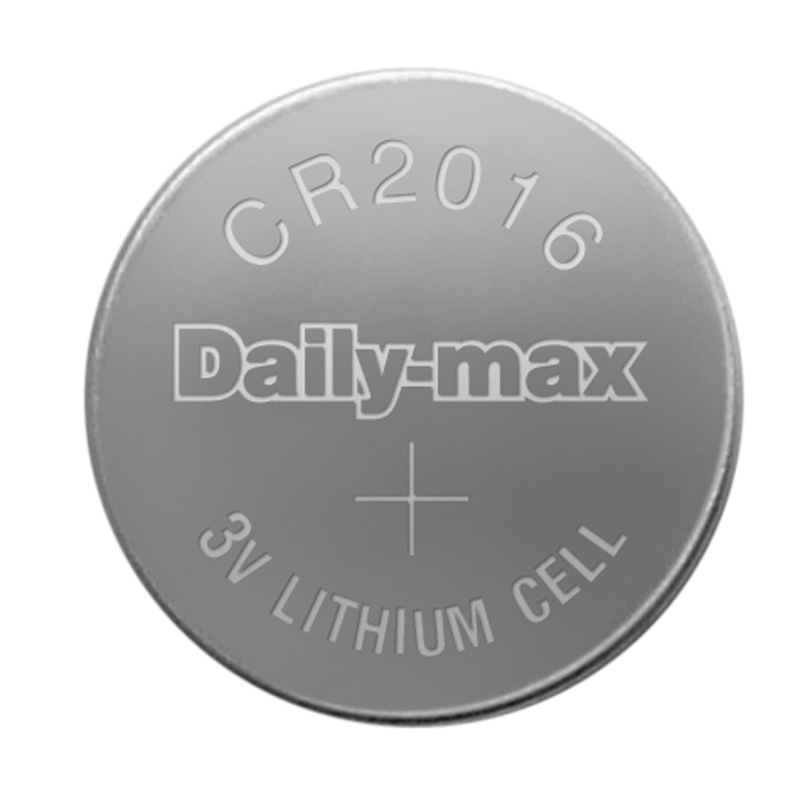
Lithium primary battery: a non-rechargeable cell that uses lithium chemistry as the anode, most commonly lithium manganese dioxide in CR coin formats, combining high energy density with a flat discharge curve and very low self-discharge.
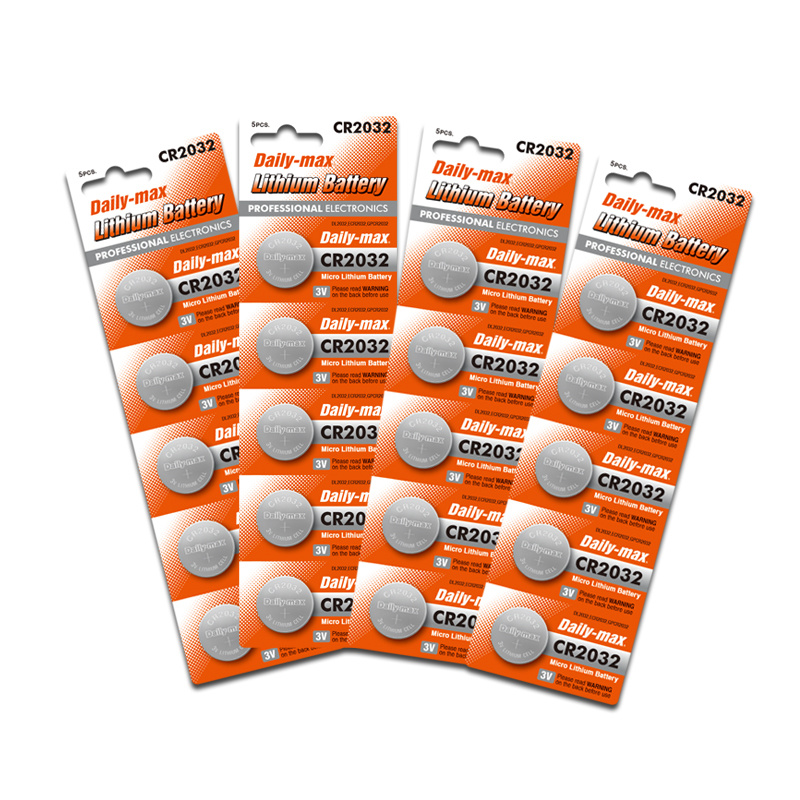
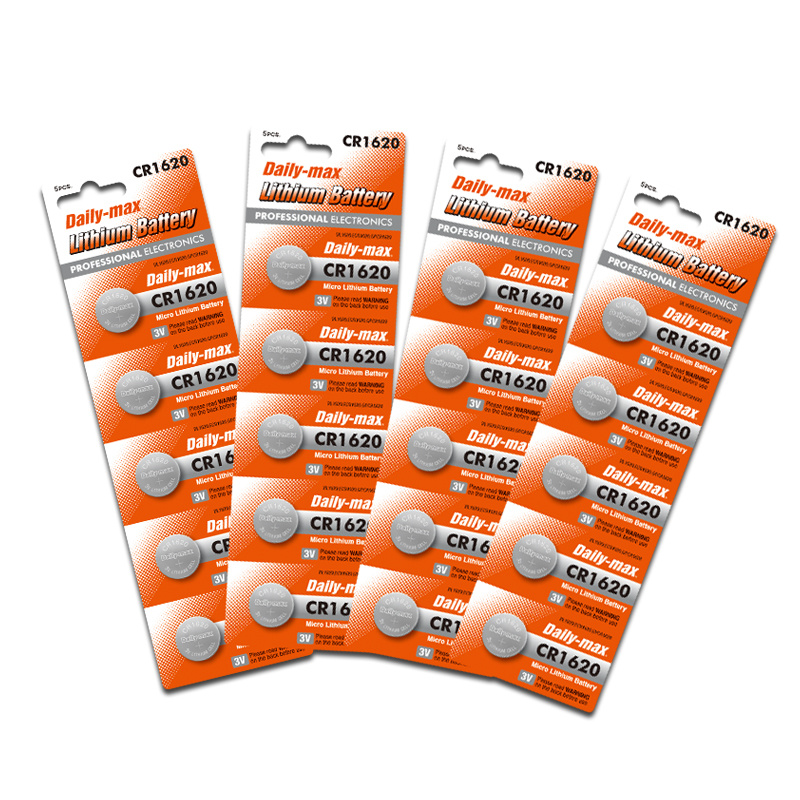
For compact electronics, the CR-series lithium manganese coin family covers car keys, medical sensors, motherboards, and asset beacons, where 3 V output and roughly 10 years of standby life make the cells effectively maintenance-free.
When a device draws more than about 500 mA continuously, or sits in a cold warehouse or on outdoor equipment, lithium primaries are usually the only chemistry that survives the duty cycle.
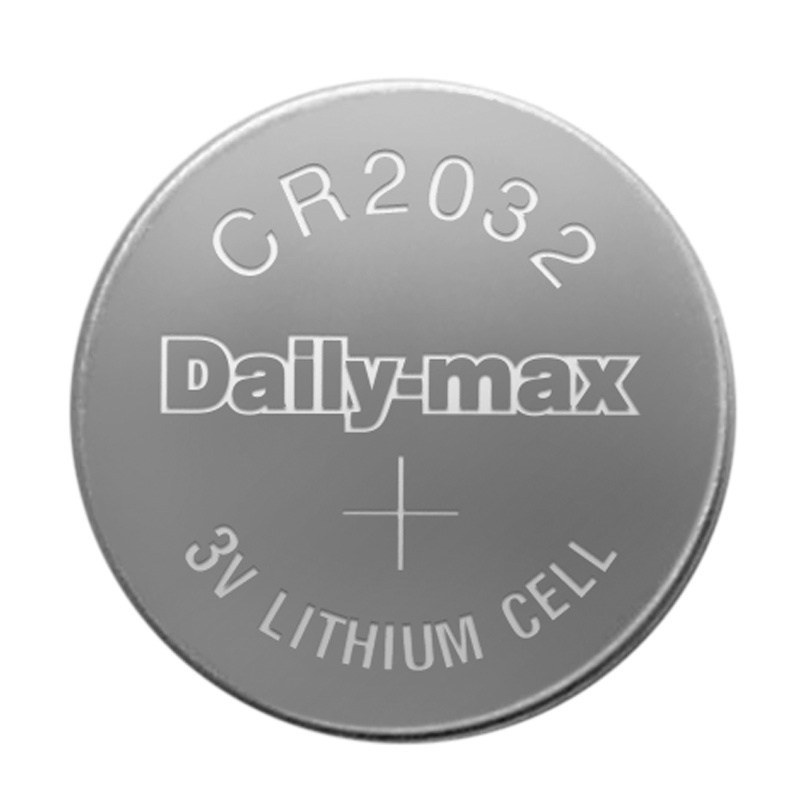 CR2032 Button Type Lithium Manganese BatteryThe CR2032 Button Type Lithium Manganese Battery is a flexible and efficient electricity source appropriate for a extensive variety of programs. Its compact button sha...View Product →
Alkaline vs Lithium Batteries in Numbers: Capacity, Drain Rate, and Runtime
Rated capacity does not translate directly into runtime, because drain rate decides how much stored energy a cell can actually release before its voltage collapses.
The gap widens under load. In high-current discharge tests, AA lithium cells routinely deliver two to three times the service hours of alkaline cells, while carbon-zinc cells fall off far earlier. Across a fleet of several hundred devices, that difference compounds into fewer site visits, fewer replacement cycles, and fewer warranty calls blamed on dead cells.
A Sourcing Checklist for B2B Battery Buyers
The right sourcing decision matches chemistry to duty cycle first and unit price second, then locks in the packaging format that fits each sales channel.
Order alkaline when
- Devices are low drain and run indoors
- Retail shelf presentation matters
- Volume is high and budget is fixed
- Standard AA to 9 V sizes cover the need
Order lithium when
- Loads are high drain or heavily pulsed
- Equipment runs outdoors or in cold chain
- Service life must exceed 10 years
- Devices use 3 V CR coin cell holders
- Map the drain profile of every device category in milliamps before requesting quotes.
- Match chemistry to the environment, checking the lowest and highest temperature at each deployment site.
- Select packaging per channel: hanging and blister cards for retail shelves, shrink-wrapped industrial packs for maintenance contracts.
- Verify certifications such as ISO 9001, CE, UL, and RoHS, and request leakage and shelf-life test reports per batch.
- Run a pilot batch through a full service cycle before committing to container-level volumes.
Suppliers that produce alkaline and lithium manganese lines under one roof also simplify freight consolidation and quality audits across a mixed-chemistry program.
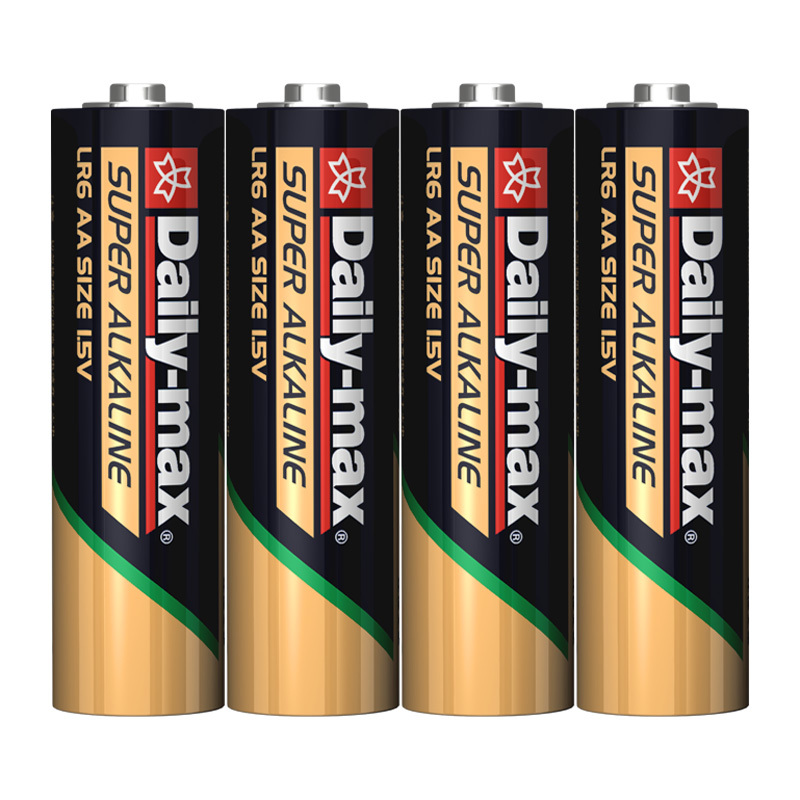 LR6 Black Gold-4S Alkaline BatteryDetailed DescriptionView Product →
Frequently Asked Questions About Alkaline vs Lithium Batteries
Can lithium batteries replace alkaline batteries in every device?
No. AA and AAA lithium iron disulfide cells run at 1.5 V and drop into most alkaline slots, but CR-series lithium manganese coin cells output 3.0 V and must never replace 1.5 V alkaline cells. Check the voltage marking inside the battery compartment first.
How much longer do lithium batteries last than alkaline batteries?
In high-drain devices such as cameras and powerful flashlights, lithium primaries typically deliver two to three times the service hours of alkaline cells. In low-drain devices the runtime gap narrows, although lithium keeps its edge in shelf life and temperature tolerance.
Why do alkaline batteries leak, and how can buyers reduce the risk?
Deep discharge generates hydrogen gas inside the cell, and rising pressure can rupture the seals. Rotate stock, avoid mixing old and new cells in one device, store inventory in a cool and dry place, and source from manufacturers that run leak tests on every production batch.
Which chemistry should a distributor stock first?
Start with alkaline AA and AAA, which cover the highest replacement volume in both retail and industrial channels. Add CR2032 and CR2450 coin cells for the electronics service market, plus shrink-wrapped industrial packs for maintenance contracts.