

 English
 中文简体
中文简体 русский
 Español
 عربى
عربىA complete technical guide to lithium ion button batteries — performance, applications, and safety.
Lithium Ion Button Batteries
Lithium ion button batteries are compact, rechargeable energy storage devices widely used in small electronic devices. They combine high energy density, low self-discharge, and long cycle life, making them ideal for applications such as wearables, medical devices, IoT sensors, and consumer electronics.
Long cycle life
Nominal voltage
Common series
What Are Lithium Ion Button Batteries
Lithium ion button batteries are small, rechargeable cylindrical cells that provide reliable power for compact electronic devices. They are characterized by their coin-like shape, high energy density, and ability to be recharged hundreds of times.
Lithium ion button batteries are distinct from primary lithium button cells (CR series) which are non-rechargeable. Rechargeable lithium ion button batteries (LIR series) use advanced lithium-ion chemistry to deliver stable voltage, low self-discharge, and consistent performance over multiple charge cycles.
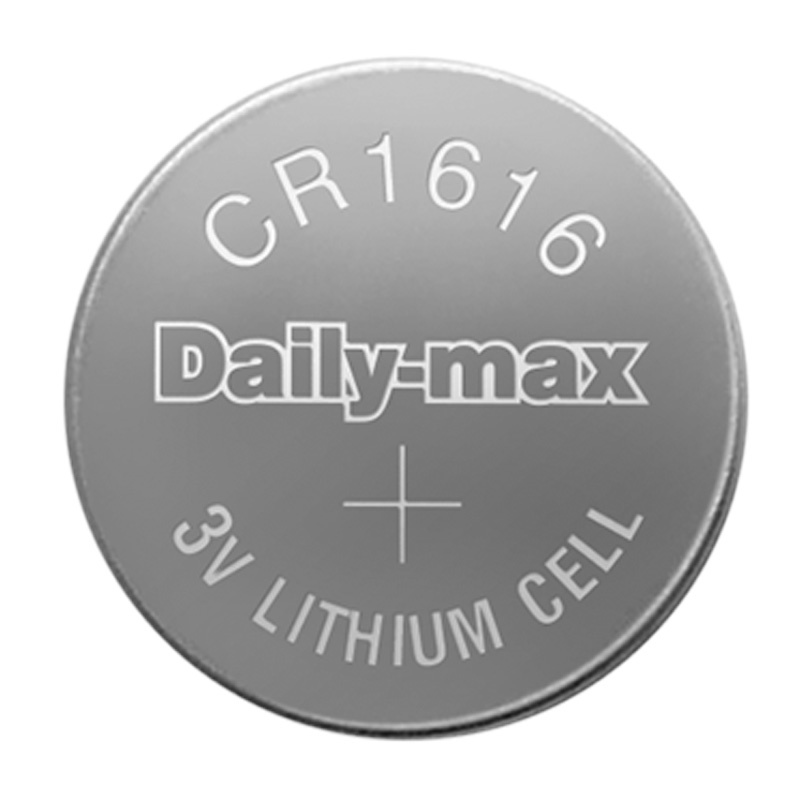
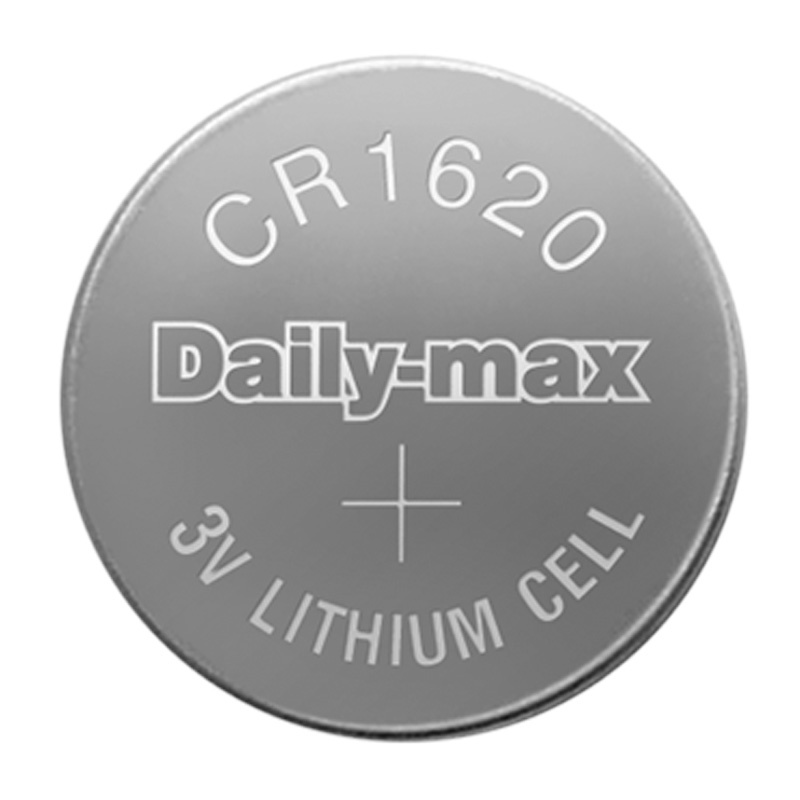
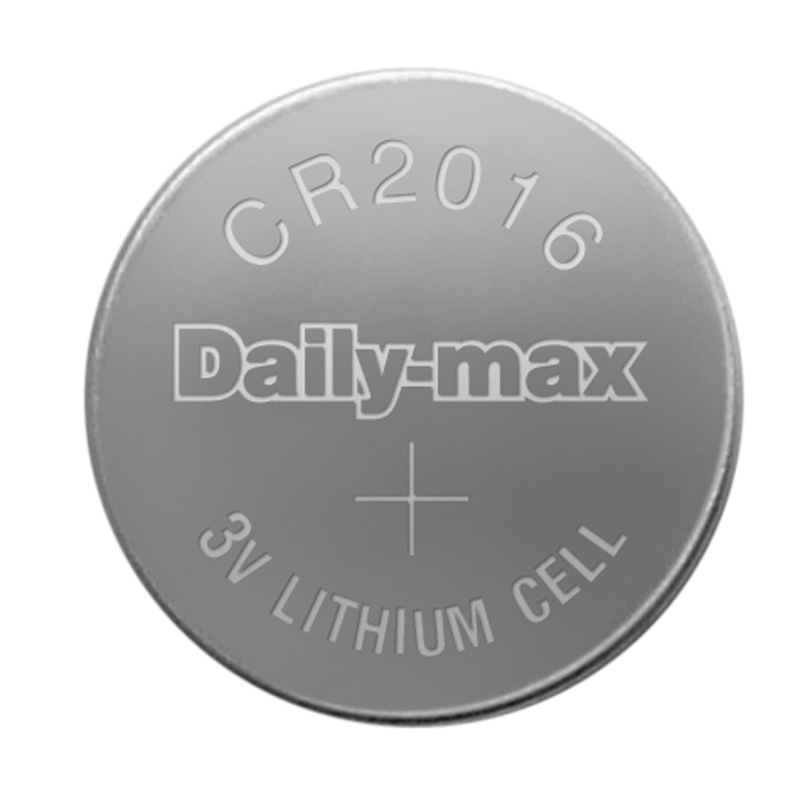
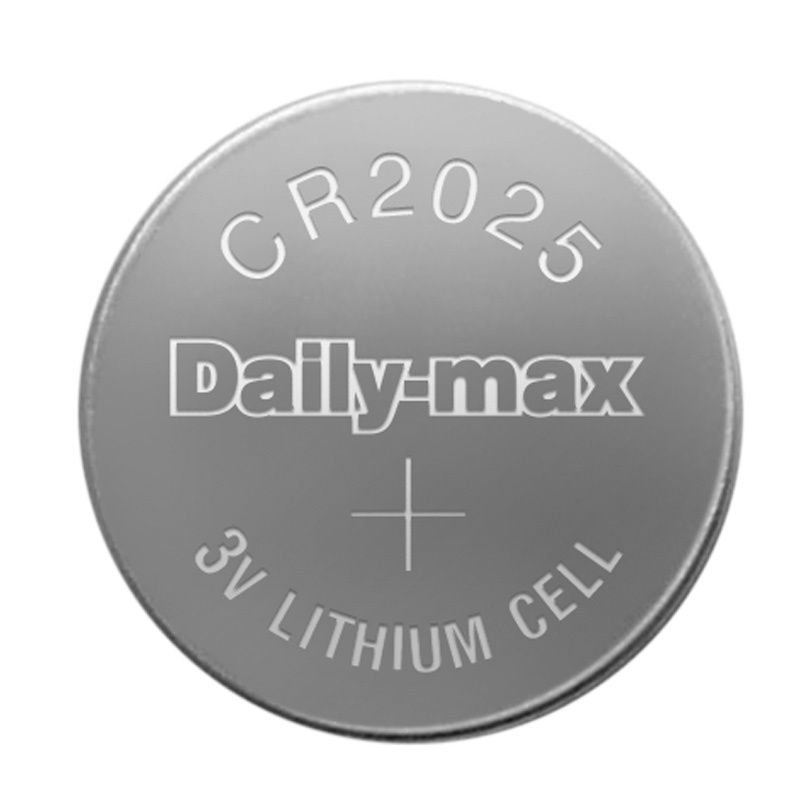
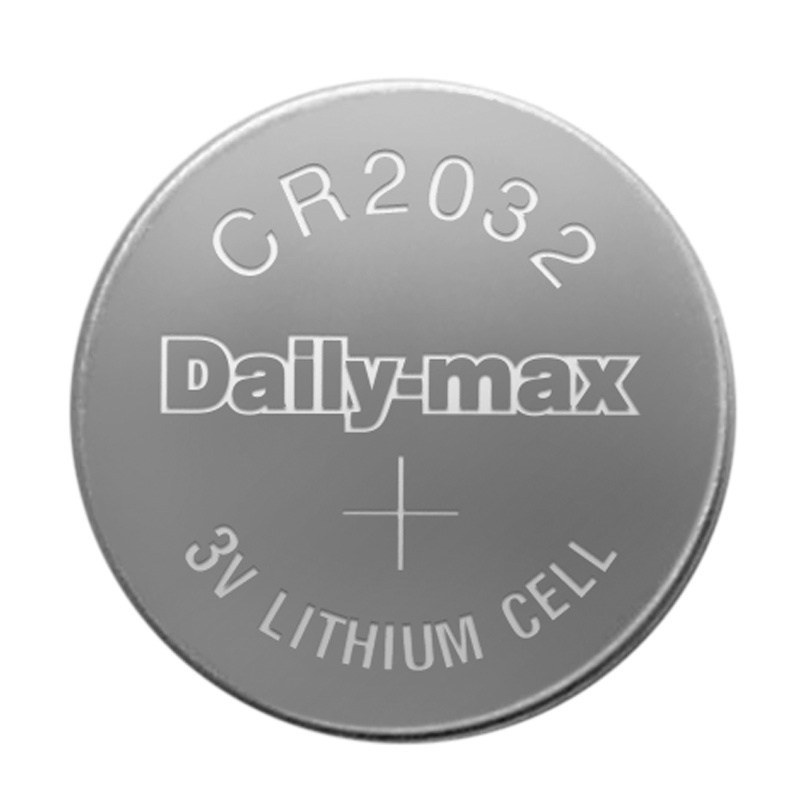
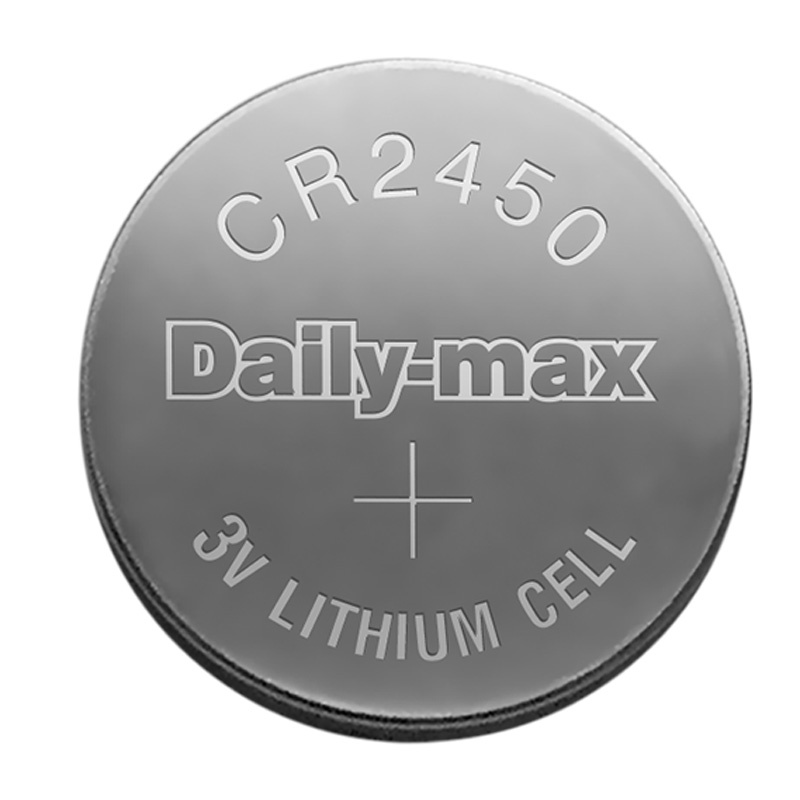
These batteries are available in various sizes, including CR2032, CR2025, CR2016, and LIR2032, each offering different capacities and dimensions to suit different device requirements. Standardization ensures compatibility across a wide range of applications.
Lithium ion button batteries offer the perfect balance of compact size and reliable power — making them the preferred choice for modern portable electronics.
Types of Lithium Ion Button Batteries
Lithium ion button batteries are classified into several types based on chemistry, capacity, and application.
Lithium-ion rechargeable button cells with nominal voltage of 3.6V or 3.7V. Designed for applications requiring frequent recharging.
Lithium primary button cells with 3V nominal voltage. Intended for single-use applications with long shelf life.
Offers extended runtime for power-hungry devices. Available in 2032, 2025, and 2016 form factors.
Ultra-thin batteries for slim devices like smart cards, wearables, and RFID tags.
Designed for harsh environments with extended temperature ranges and enhanced durability.
Applications
Lithium ion button batteries are used across a wide range of industries and applications.
Wearables, wireless earbuds, smartwatches, fitness trackers, and portable devices.
Hearing aids, glucose monitors, pacemakers, and portable diagnostic equipment.
Wireless sensors, smart home devices, environmental monitoring, and asset tracking.
Key fobs, TPMS sensors, and vehicle tracking systems.
Portable measurement instruments, data loggers, and industrial sensors.
RFID cards, access control cards, and payment devices.
Selection Guide
Selecting the right lithium ion button battery requires consideration of several factors.
Consider the voltage, current, and runtime requirements for your application to select the appropriate battery type.
Select non-rechargeable (CR series) for long-term applications or rechargeable (LIR series) for frequently used devices.
Choose the appropriate capacity (mAh) and form factor (2032, 2025, 2016) based on device space and power requirements.
Ensure the battery can operate reliably within the device's operating temperature range.
Check for UL, CE, and RoHS compliance for safety and regulatory requirements.
Evaluate the storage life requirements for the application, especially for primary batteries.
Safety and Handling
Proper safety practices are essential when using lithium ion button batteries to ensure reliable and safe operation.
Store batteries in a cool, dry place away from direct sunlight and extreme temperatures. Avoid storing loose batteries in pockets or bags where they may come into contact with metal objects.
Do not short-circuit, disassemble, or expose batteries to fire. Use battery holders and insulate terminals to prevent accidental short circuits.
Recycle lithium ion batteries at approved recycling centers. Do not dispose in household waste as they contain hazardous materials.