

 English
 中文简体
中文简体 русский
 Español
 عربى
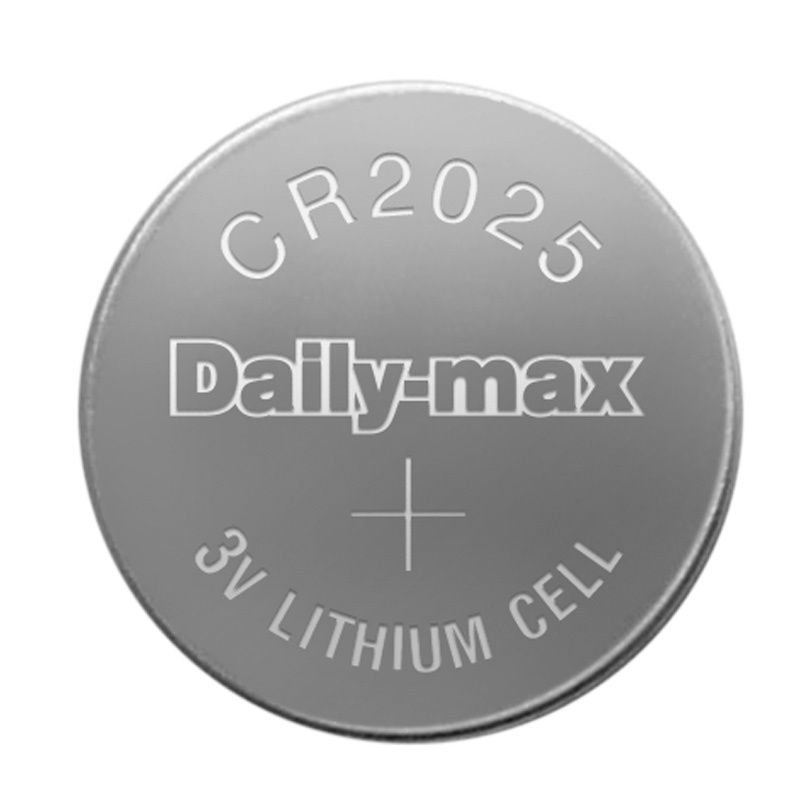
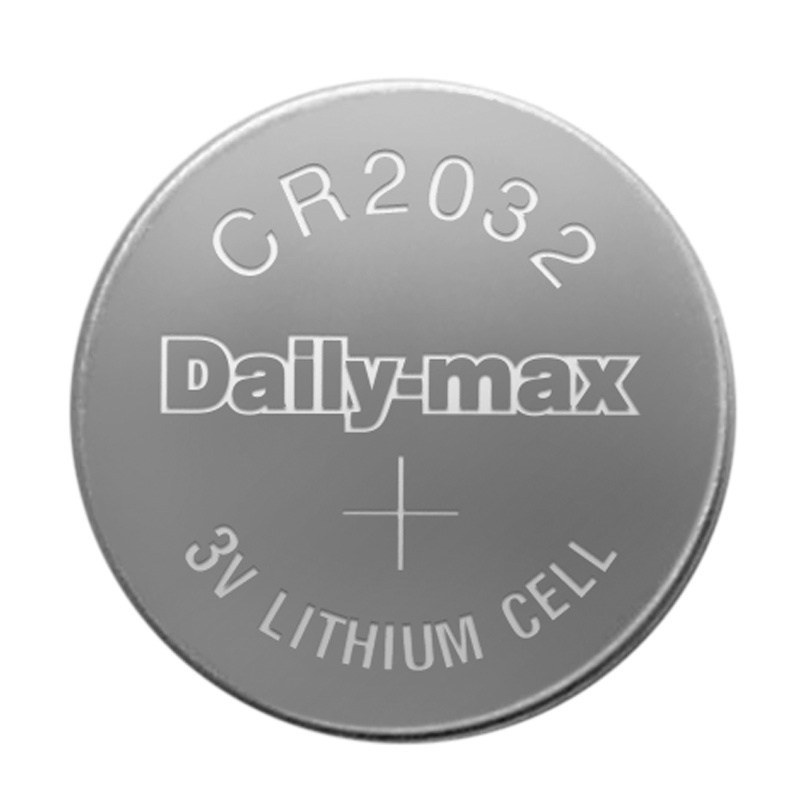
عربىLithium Ion Button Batteries is a term commonly used to describe small, coin-shaped cells used to power watches, remote controls, medical devices, and compact electronics. In practice, the category covers two distinct cell chemistries: primary lithium manganese dioxide button cells, which are designed for single use, and rechargeable lithium-ion button cells, which use a different internal chemistry and are built to be recharged repeatedly. Understanding which type a given device requires, and how each type should be handled, is central to selecting and using these batteries safely.
Definition and Working Principle
A button battery is a compact, disc-shaped cell, typically a few millimeters thick and between 5 mm and 25 mm in diameter. Inside, the cell contains an anode, a cathode, an electrolyte, and a separator layered within a sealed metal casing. In a primary lithium manganese dioxide cell, a chemical reaction between the lithium anode and manganese dioxide cathode generates a steady voltage output as the cell discharges, and this reaction is not designed to run in reverse. Once the active materials are consumed, the cell is depleted and cannot be restored through charging.
A rechargeable lithium-ion button cell works differently. Lithium ions move between the anode and cathode through the electrolyte during discharge, and this movement can be reversed by applying a controlled charging current, which restores the cell for repeated use. This is the same underlying principle used in larger lithium-ion batteries, scaled down into a coin cell format.
Comparing Primary and Rechargeable Button Cell Types
Because both types are sold in a similar physical format, confirming which chemistry a device requires is an important step before purchasing replacement cells.
| Factor | Primary Lithium Manganese Cell | Rechargeable Lithium-Ion Cell |
|---|---|---|
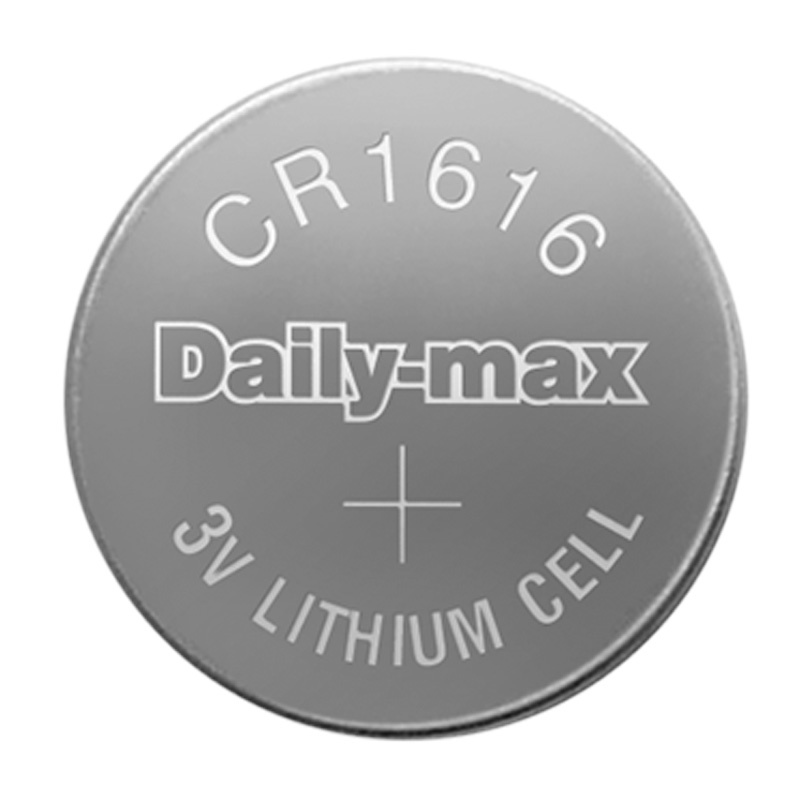
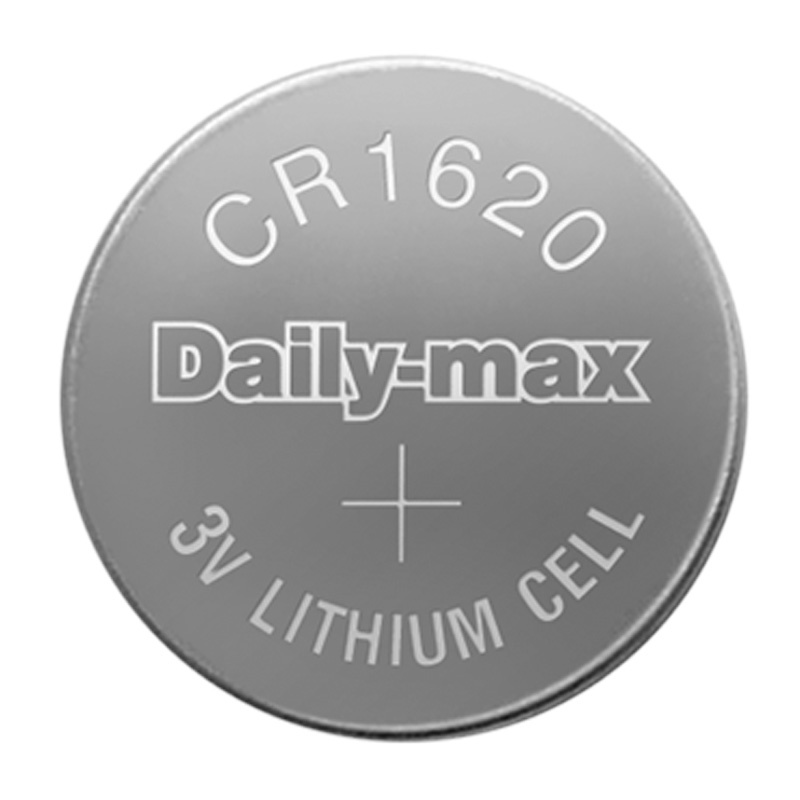
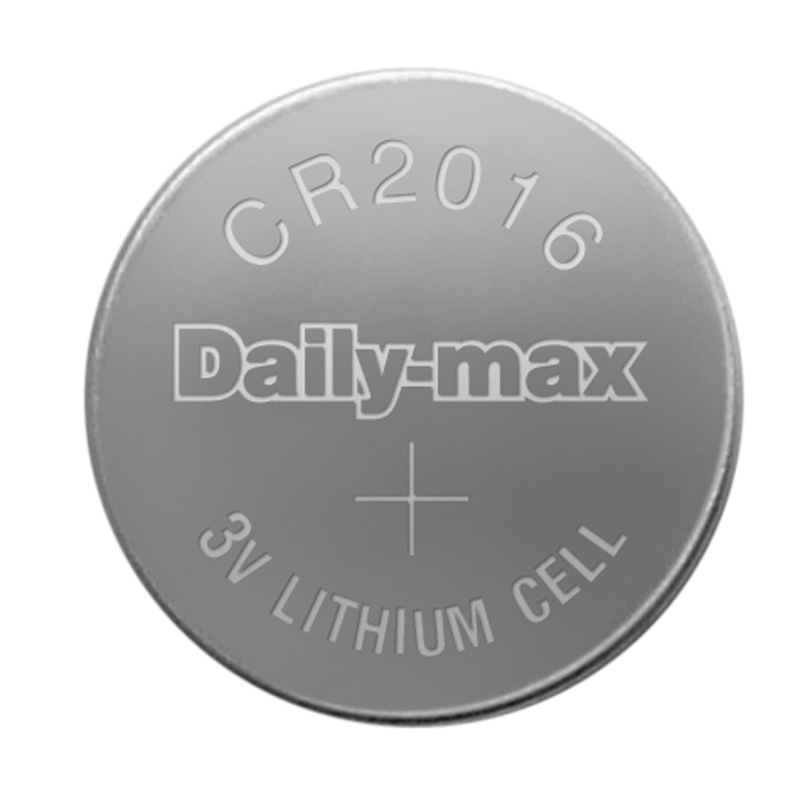
| Common labeling | CR prefix, such as CR2032 or CR2016 | LIR prefix, such as LIR2032 |
| Nominal voltage | 3.0 V | 3.6 V or 3.7 V, varying by design |
| Rechargeable | No | Yes, using a compatible charger |
| Typical use case | Watches, key fobs, memory backup | Devices designed specifically for rechargeable cells |
| Shelf storage life | Several years when stored properly | Shorter shelf life if left uncharged for long periods |
Because the voltage output differs between the two types, a device designed for one chemistry may not perform correctly, or may not charge safely, if the other type is installed. Checking the label printed on the original cell, rather than assuming based on size alone, is the most reliable way to confirm compatibility.
Technical Specifications and Key Performance Factors
The table below summarizes commonly referenced specification ranges across standard button cell sizes.
| Specification | Typical Range or Detail |
|---|---|
| Diameter range | 5 mm to 25 mm depending on cell size designation |
| Thickness range | 1.6 mm to 5 mm depending on cell size designation |
| Capacity range, primary cells | Approximately 90 mAh to 240 mAh for common CR sizes |
| Capacity range, rechargeable cells | Generally lower than an equivalent primary cell of the same size |
| Operating temperature range | Commonly minus 20 degrees Celsius to 60 degrees Celsius |
| Self-discharge rate | Low for primary cells, higher for rechargeable cells over time |
Capacity is generally lower in a rechargeable cell than in a primary cell of the same physical size, since the rechargeable chemistry requires additional internal components that reduce the space available for active material.
How Long Do Lithium Button Batteries Last?
Service life depends on both storage conditions and how the cell is used once installed. Unused primary lithium manganese cells typically retain a usable charge for several years when stored at moderate temperature and humidity, thanks to a low self-discharge rate. Once installed in a device, actual runtime depends heavily on the current draw of that device, with low-drain applications such as watches often running for one to several years, while higher-drain devices deplete the cell more quickly. Rechargeable lithium-ion button cells are generally rated for a defined number of charge cycles, after which their usable capacity gradually declines, similar to other lithium-ion battery formats.
Can You Recharge a Lithium Button Battery?
This depends entirely on the cell type. A standard primary lithium manganese button cell, typically labeled with a CR prefix, is not designed to be recharged. Attempting to charge it can cause internal pressure buildup, leakage, or in some cases rupture, since the internal chemistry is not built to accept a reverse current safely. A rechargeable lithium-ion button cell, typically labeled with an LIR prefix or similar designation, is specifically built for repeated charging and should only be charged using equipment designed for that chemistry and voltage.
What Happens If I Charge a Lithium Battery With a Regular Battery Charger?
Using a charger not designed for the specific cell chemistry and voltage can lead to overcharging, excessive heat generation, or an unsafe internal reaction, particularly when charging a primary cell that was never intended to accept a charging current at all. Even with rechargeable lithium-ion cells, a charger designed for a different chemistry, such as nickel-based batteries, can apply an incorrect voltage or current profile, increasing the risk of overheating, swelling, or venting. For this reason, charging equipment should always be matched to the specific battery type it is intended for.
Do I Need a Special Charger for a Lithium Battery?
Yes, for rechargeable lithium-ion button cells, a charger designed specifically for that chemistry and voltage range is necessary. These chargers regulate voltage and current during charging to avoid the overcharging conditions that can degrade the cell or create a safety risk. Standard primary lithium manganese button cells do not require a charger at all, since they are not designed to be recharged under any circumstances, regardless of the equipment used.
What Is the Biggest Problem With Lithium Batteries?
The most commonly cited concern with lithium-based battery chemistries, including button cell formats, is thermal risk under abnormal conditions such as physical damage, short circuit, overcharging, or exposure to high temperature. These conditions can lead to venting, swelling, or in more severe cases, thermal runaway. A second, more everyday concern specific to button cells is accidental ingestion, particularly by young children, since the small size and disc shape can be mistaken for a coin or tablet, and the cell can cause serious internal injury if swallowed. Proper storage, handling, and disposal practices are the primary ways these risks are managed in practical use.
Application Scenarios
Button batteries appear across a wide range of compact electronics. Common applications include wristwatches, key fobs and remote entry devices, small remote controls, hearing aids, medical monitoring devices, calculators, and memory backup functions in larger electronic equipment. Rechargeable lithium-ion button cells are increasingly specified in compact wearable devices and small connected sensors where repeated charging is preferable to ongoing cell replacement.
Selection Considerations and Purchasing Factors
Selecting the correct button cell starts with confirming the exact size and chemistry specified for the target device, since physically similar cells can differ in voltage and rechargeability. Reviewing capacity ratings relative to the device's expected current draw helps estimate realistic service life, particularly for devices used continuously rather than intermittently. For projects involving bulk sourcing, confirming consistent labeling, packaging, and quality documentation across a batch supports easier inventory management and reduces the risk of mismatched cells being installed in the wrong application.
Usage and Storage Recommendations
Button cells should be installed with correct polarity, since reversed installation can prevent a device from functioning and, in some cases, create an unsafe condition. Cells not currently in use should be stored in their original packaging or a dedicated case, away from other loose metal objects that could create a short circuit across the terminals. Storage in a cool, dry location generally helps preserve shelf life for primary cells, while rechargeable cells benefit from periodic charging if stored for extended periods, since prolonged deep discharge can affect long-term capacity.
Common Mistakes and Overlooked Considerations
A frequent mistake is assuming that all button cells of the same physical size are interchangeable, when in fact voltage and rechargeability can differ significantly between a primary and rechargeable cell of the same diameter. Another common oversight is disposing of used cells in general household waste rather than through an appropriate battery recycling or disposal channel, which varies by local regulation. Storage is also sometimes overlooked, with loose cells kept in a drawer alongside coins or other metal items, increasing the risk of an accidental short circuit.
Industry Trends and Future Outlook
Demand for rechargeable lithium-ion button cells continues to grow alongside the expansion of compact wearable and connected devices, where recurring cell replacement is less practical than periodic recharging. At the same time, primary lithium manganese cells remain widely used in low-drain, long-life applications such as watches and memory backup functions, where a multi-year shelf life without recharging is a practical advantage. Ongoing attention to safety, particularly around child-resistant packaging and clear chemistry labeling, continues to shape how button cells are packaged and distributed.
Conclusion
Lithium Ion Button Batteries cover two distinct chemistries within a similar physical format, and confirming which type a device requires is a necessary first step before purchasing or replacing a cell. Reviewing voltage, capacity, and rechargeability alongside proper storage and disposal practices supports both reliable device performance and safe handling over the life of the battery.
FAQ
How long do lithium button batteries last?
Unused primary cells typically retain charge for several years in storage, while installed runtime depends on device current draw, ranging from months to several years for low-drain applications such as watches.
Can you recharge a lithium button battery?
Only if the cell is specifically designed as rechargeable, typically labeled with an LIR prefix. Standard CR-labeled primary cells are not designed to be recharged.
What happens if I charge a lithium battery with a regular battery charger?
Using an incompatible charger can lead to overcharging, excessive heat, or an unsafe internal reaction, particularly if the cell is a primary type not designed to accept a charge at all.
Do I need a special charger for a lithium battery?
Rechargeable lithium-ion button cells require a charger matched to their specific chemistry and voltage. Primary cells do not require a charger since they are not rechargeable.
What is the biggest problem with lithium batteries?
Thermal risk under abnormal conditions such as damage, short circuit, or overcharging is a primary concern, along with the risk of accidental ingestion given the small disc shape of button cells.
How can I tell if a button cell is rechargeable?
Checking the label printed on the cell is the most reliable method, since rechargeable cells are typically marked with an LIR designation and a different nominal voltage than standard CR-labeled primary cells.
How should used button batteries be disposed of?
Used cells should be disposed of through an appropriate battery recycling or collection point rather than general household waste, following local regulations for battery disposal.