
 English
 中文简体
中文简体 русский
 Español
 عربى
عربى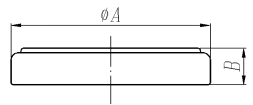
The LR6 Black Gold-2S Industrial Outfit Alkaline Battery is a splendid energy solution designed for business use. With its robust construction and advanced era, this battery can provide long-lasting e...
See Details
Send Inquiry

|
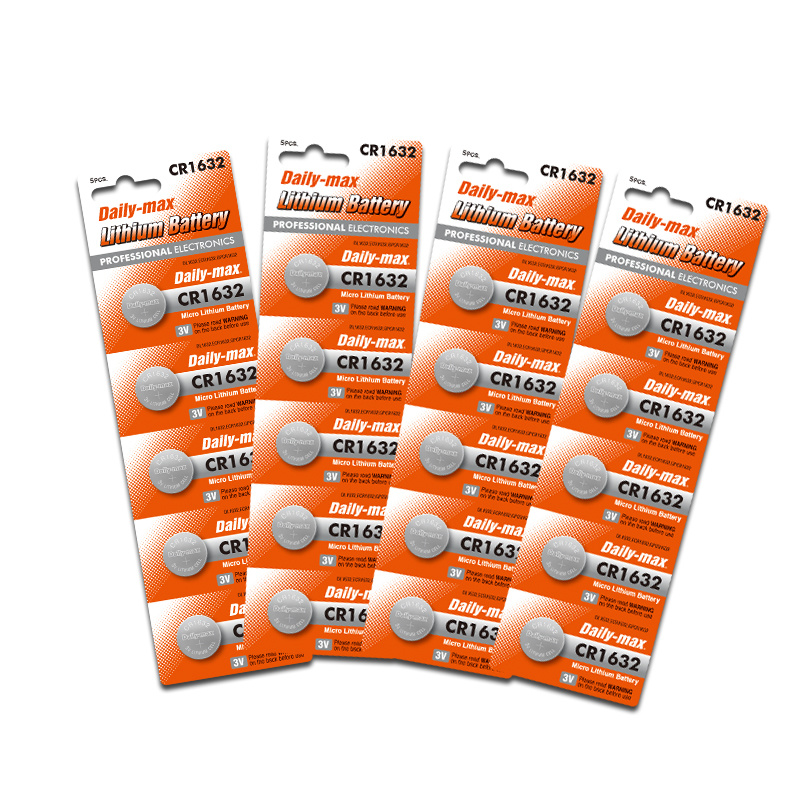
Model: |
CR1632 |
|
Standard |
3V |
|
Product Size |
16(D)*3.2(H)mm |
|
Weight |
2g |
|
Package |
Shrink/hang card |
|
Certification |
CE, ROHS, SGS, REACH, UL, KC, UN38.3, MSDS |
|
Electrochemical System |
Lithium manganese dioxide/organic electrolytes |
||
|
Nominal Voltage |
3V |
||
|
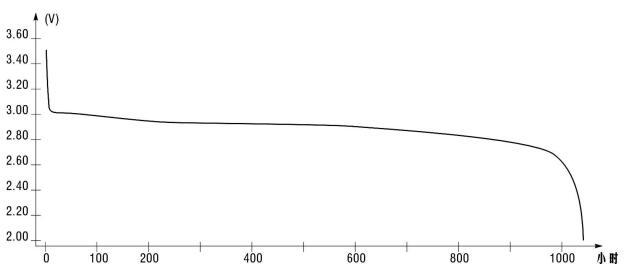
Nominal Capacity (Continuous Discharging Under 30kΩ load to 2.0V End-Voltage at 20℃) |
120mAh |
||
|
Operating temperature range |
-20℃~70℃ |
||
|
|
diameter(A) |
16.0(-0.3)mm |
|
|
|
height(B) |
3.2(-0.3)mm |
|
|
Mass |
Approx2.0g |
||
|
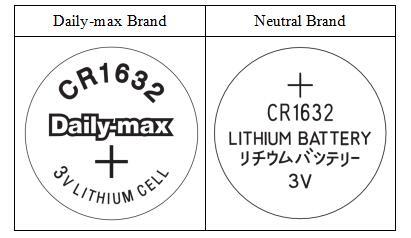
Appearance and poles |
Appearance should be a smooth, clear mark, no deformation, rust, and leakage |
||
|
Minimum Average Discharge Time(30kΩ) |
Initial test (New battery in 60 days) |
1230h |
|
|
|
After 12 months |
1100h |
|
|
Open Voltage |
Initial test (New battery in 60 days) |
3.10V-3.45V |
|
|
|
After 12 months |
3.10V-3.45V |
|
|
Closed Circuit Voltage(30kΩ) |
Initial test (New battery in 60 days) |
3.10V-3.45V |
|
|
|
After 12 months |
3.00V-3.45V |
|
|
Leakage Characteristics (Over discharge) |
No Leakage |
||
3. Test Method
|
|
Item |
Condition |
|
1 |
Dimensions |
When measured with vernier calipers which precision is up 0.02mm. to avoid short circuits, paste on one insulation material on one end of the vernier calipers. |
|
2 |
Open Voltage |
the precision of the multimeter is not lower than 0.25%, intel resistance is bigger than 1MΩ |
|
3 |
Instant short-circuit current |
When testing with multimeters, do not surpass 0.5 seconds each time, and avoid duplicating tests, if needed once more, the time gap should be above half an hour |
|
4 |
Appearance |
The appearance of batteries shall be inspected by visual means. |
|
5 |
Min time of discharge |
Lay aside above 8 hours at a temperature of 20±2℃ and under the humidity of 60±15% conditions, with the condition that Resistance is 30kΩ, and end-point voltage is 2.0V. The new battery (Initial stage) should be tested in 60 days after production. The old battery (Delayed for 12 months) should be tested in 14 days after the storage period. |
|
6 |
Over-discharge Characteristics |
Take nine batteries at a temperature of 20±2℃ and under a humidity of 60±15% conditions, with the condition that Resistance is 30kΩ, and end-point voltage is 1.2V. visual test. |
|
|
Check item |
IL |
AQL |
|
1 |
Dimensions |
I |
0.25 |
|
2 |
Open Voltage |
|
0.25 |
|
3 |
Appearance |
Ⅱ |
0.25 |
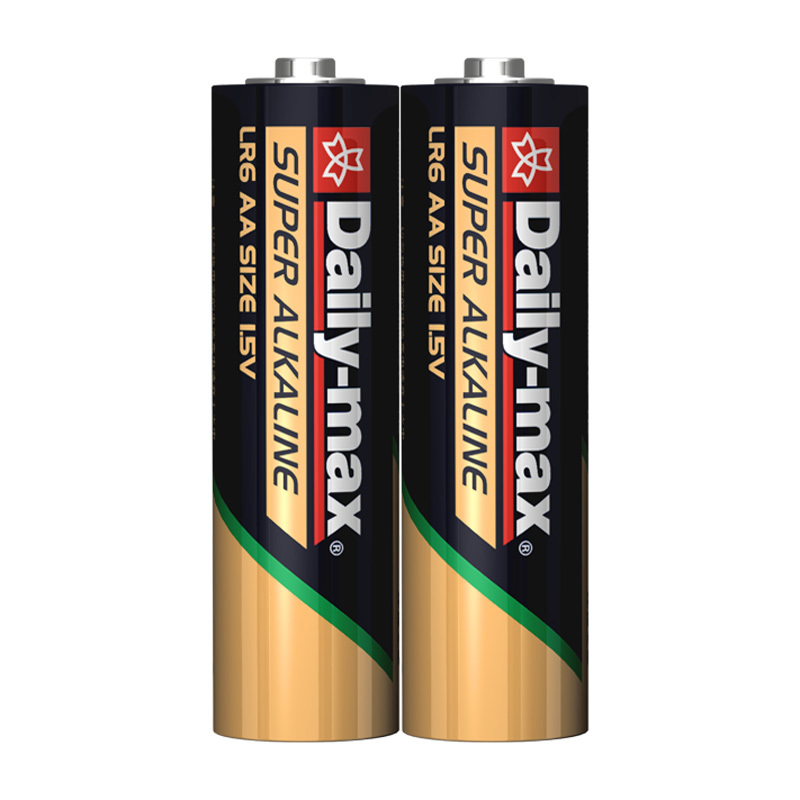
The LR6 Black Gold-2S Industrial Outfit Alkaline Battery is a splendid energy solution designed for business use. With its robust construction and advanced era, this battery can provide long-lasting e...
See Details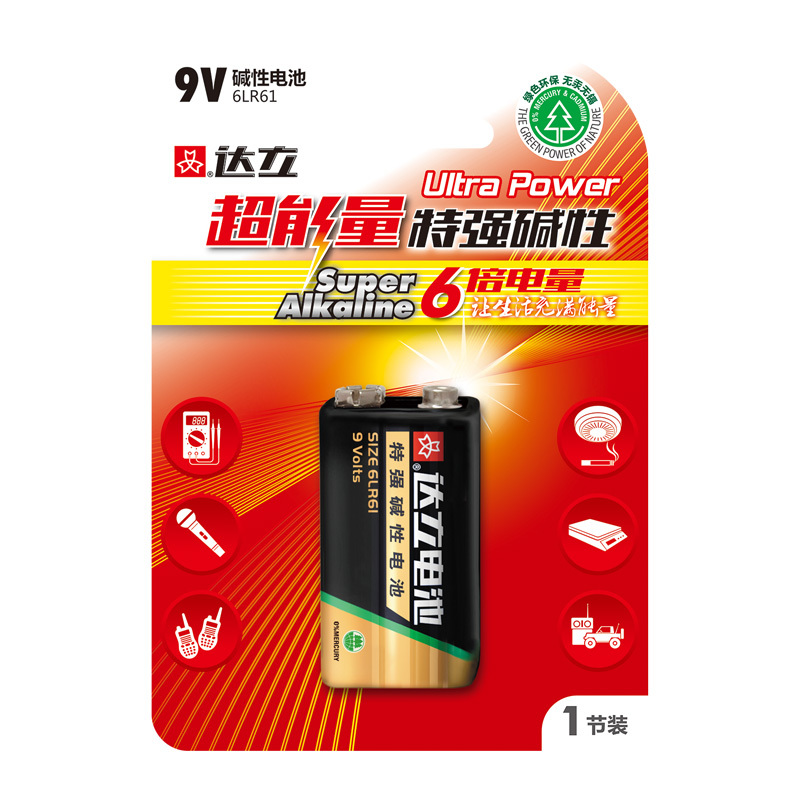
The 9V 6LR61-1B hanging card Alkaline Battery is a reliable and versatile electricity solution for a wide variety of electronic devices. With its convenient striking card packaging, this battery is ea...
See Details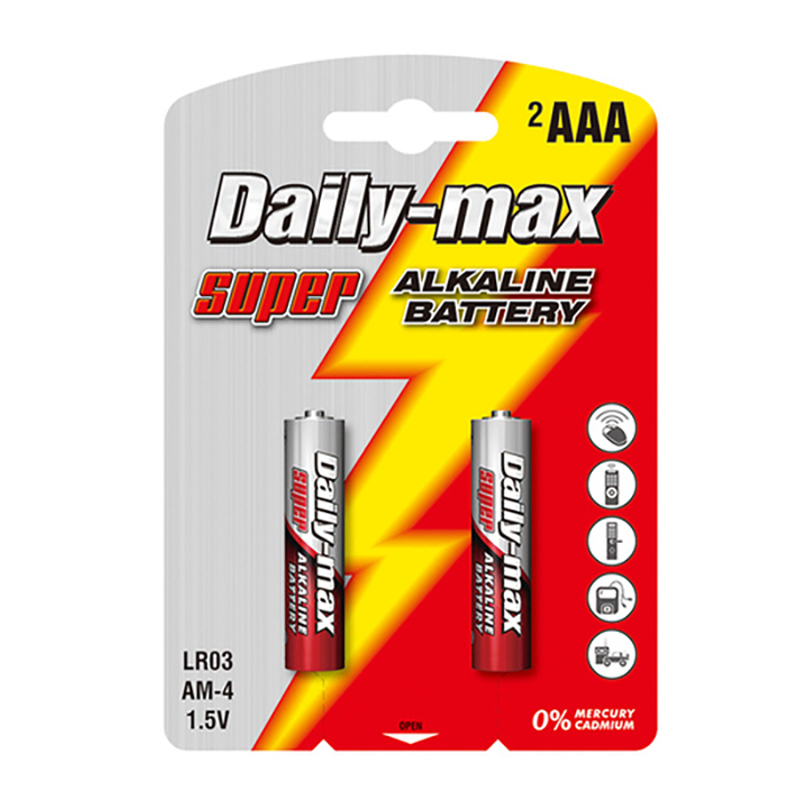
The AAA LR03-2B Business Alkaline Battery is a remarkable strength source designed specifically for professional use. This battery gives dependable and lengthy-lasting performance, making it for ple...
See Details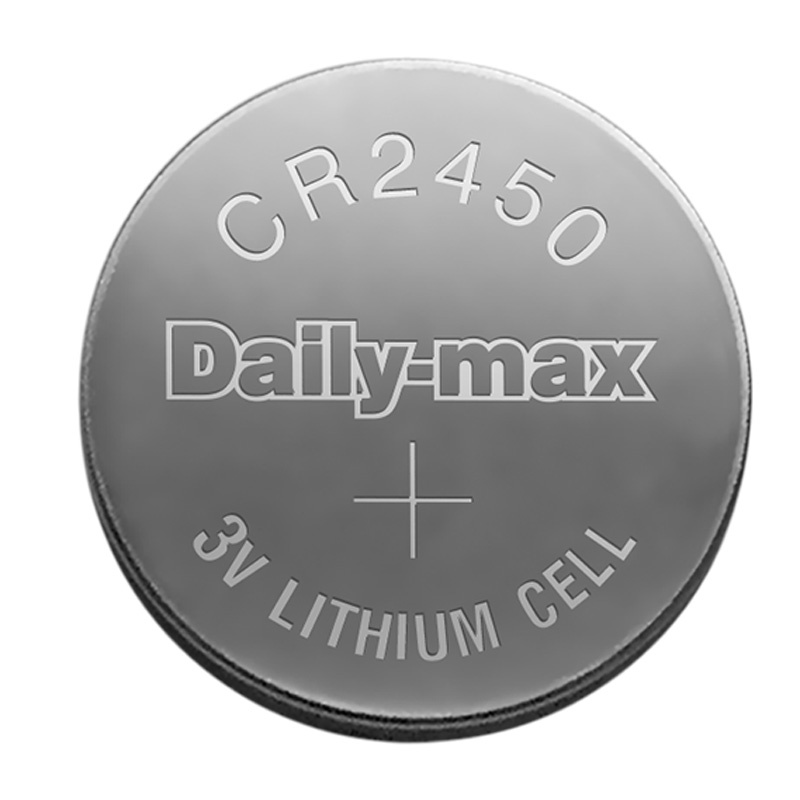
The CR2450 Industrial Outfit Button Type Lithium Manganese Battery is a reliable and sturdy strength answer designed especially for commercial programs. This battery is constructed to face up to harsh...
See Details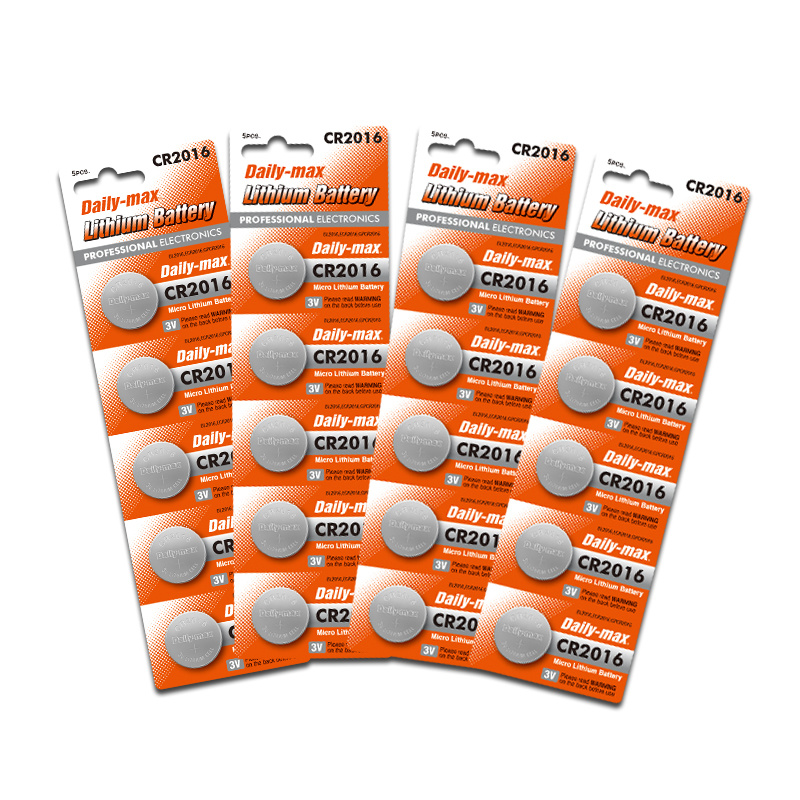
The CR2016-5B Business Outfit Button Type Lithium Manganese Battery is a dependable and versatile electricity source particularly designed for business packages. Its compact button shape and length ma...
See Details
The CR1632-5B Button Type Lithium Manganese Battery is a extraordinary and efficient electricity answer appropriate for a wide array of digital gadgets. With its compact button shape and size, this ba...
See Details
An LR6 alkaline AA and an FR6 lithium AA are the same size, fit the same holder, and both print 1.5 V on the label. Put them under a 500 mA load at minus 10 ...
View MoreTwo AA cells can print the same 1.5 V on the label and still differ by roughly 40 percent in landed cost. That gap is why buyers keep asking what is a carbon ...
View MoreTwo AA cells can sit on the same retail peg, look almost identical, and differ by a factor of four in price and by nearly six in how long they last at minus t...
View MoreA smoke alarm that chirps months early, a trail camera that dies at the first frost, a car key fob that needs a flat 3 V coin cell: most of these failures tra...
View MoreA digital camera fed on alkaline AAs can sag from full to empty in a single afternoon of shooting, while the same pair of cells in a TV remote will quietly r...
View Moretop

E-mail: [email protected]
E-mail: [email protected]

Phone: +86-13861108887
Phone: +86-13338792022

Address: Southern door, NO.1 East Road, Lou Xia Industrial Park, Rulin Town, Jintan District, Changzhou city, Jiangsu, China
QR code on
mobile phone
Copyright © Changzhou Strengh (Anyida) Power Technology Co., Ltd. All rights reserved.
Custom ODM/OEM CR1632-5B Button Type Lithium Manganese Battery Manufacturers