


 English
 中文简体
中文简体 русский
 Español
 عربى
عربى
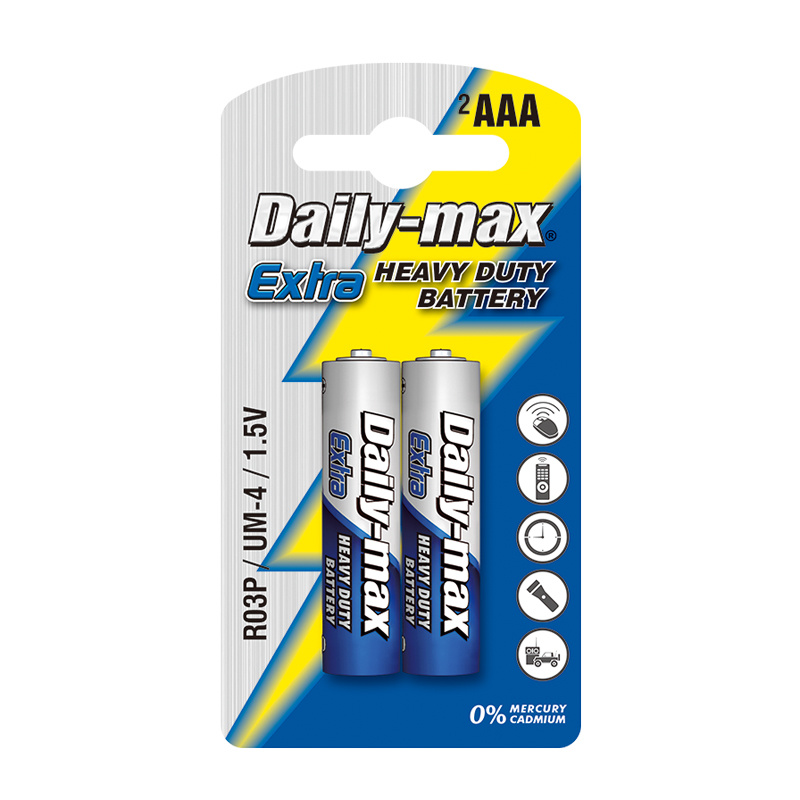
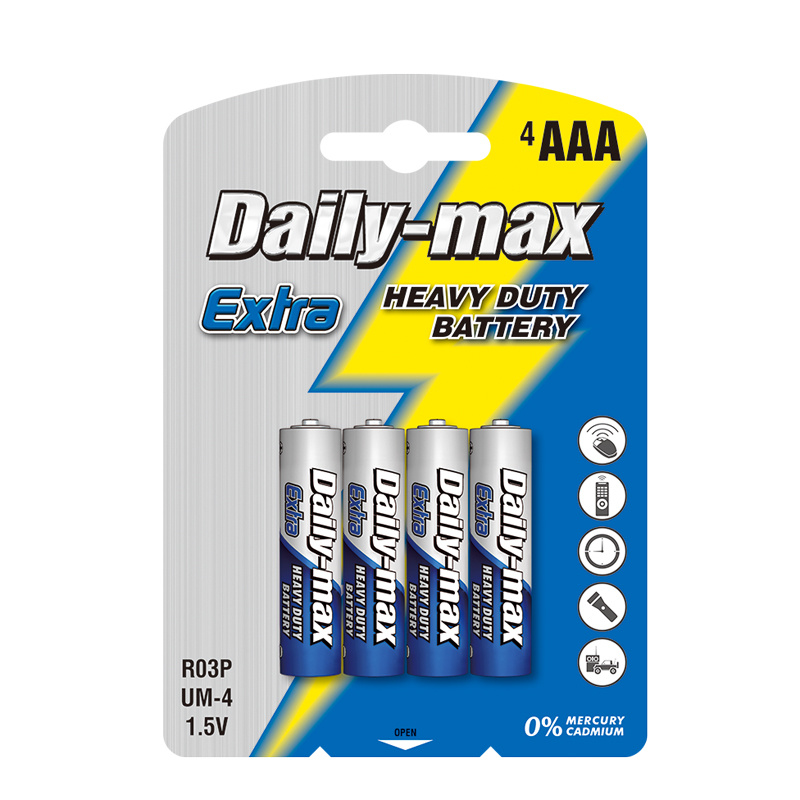
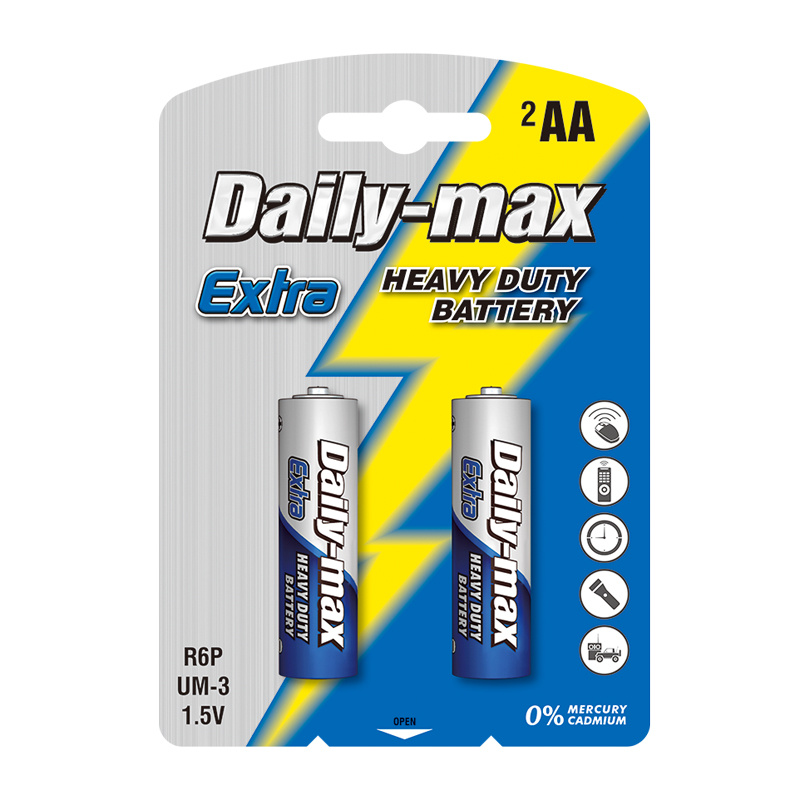
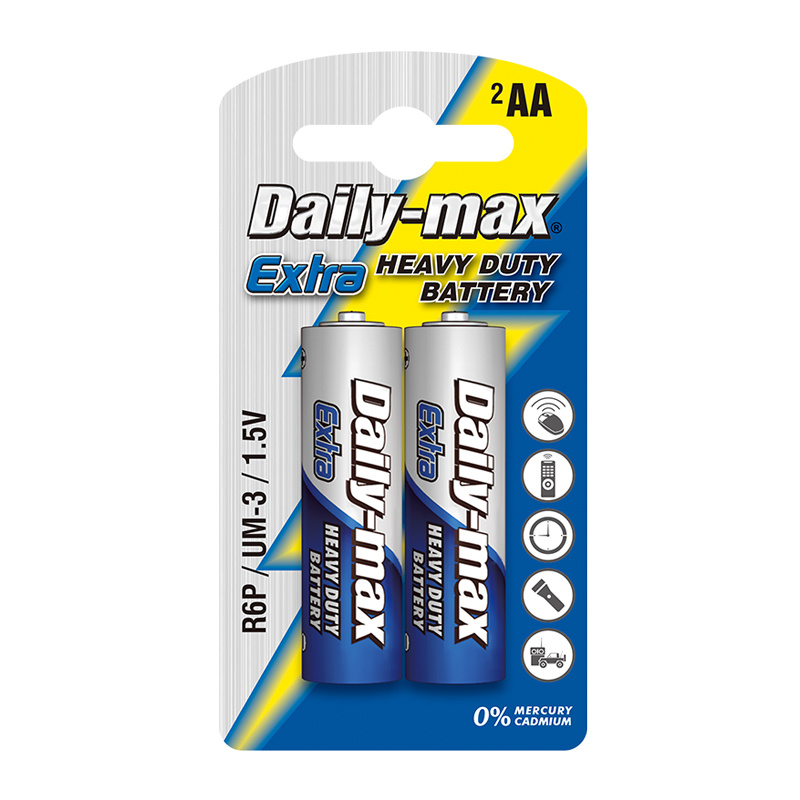
Why Are Alkaline Primary Batteries Preferred for Everyday Devices?
From remote controls and wall clocks to flashlights, toys, wireless accessories, and portable measuring instruments, batteries remain an essential part of modern life. Among the many battery technologies available today, the alkaline primary battery continues to be one of the most widely used solutions for everyday applications. Its balance of energy density, shelf life, operational stability, safety, and cost-effectiveness makes it highly suitable for devices that require dependable power without frequent maintenance.
Understanding Alkaline Primary Batteries
An alkaline primary battery is a non-rechargeable battery that converts chemical energy into electrical energy through electrochemical reactions. Unlike rechargeable batteries, primary batteries are designed for single-use applications and are optimized for long-term storage and consistent energy output.
The term primary source batteries generally refers to batteries that are intended to provide power from a single discharge cycle. Within this category, alkaline batteries have become a leading choice due to their combination of performance and affordability.
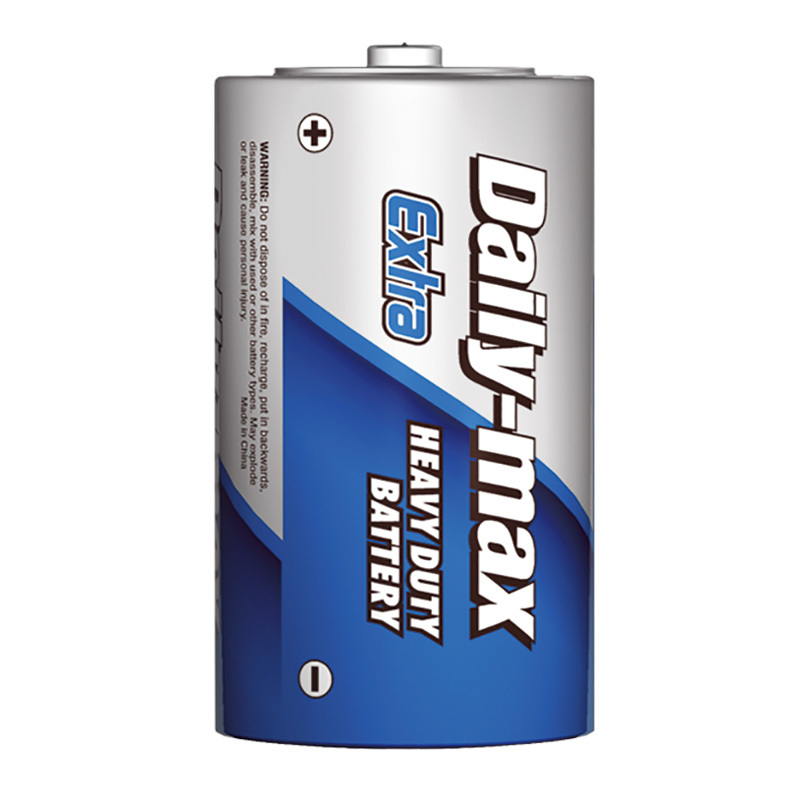
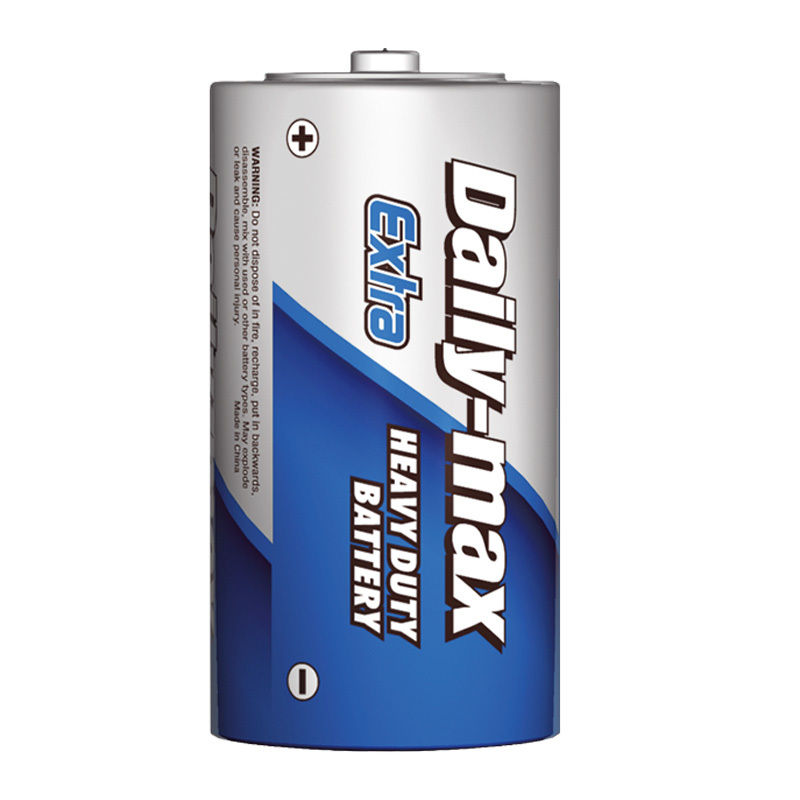
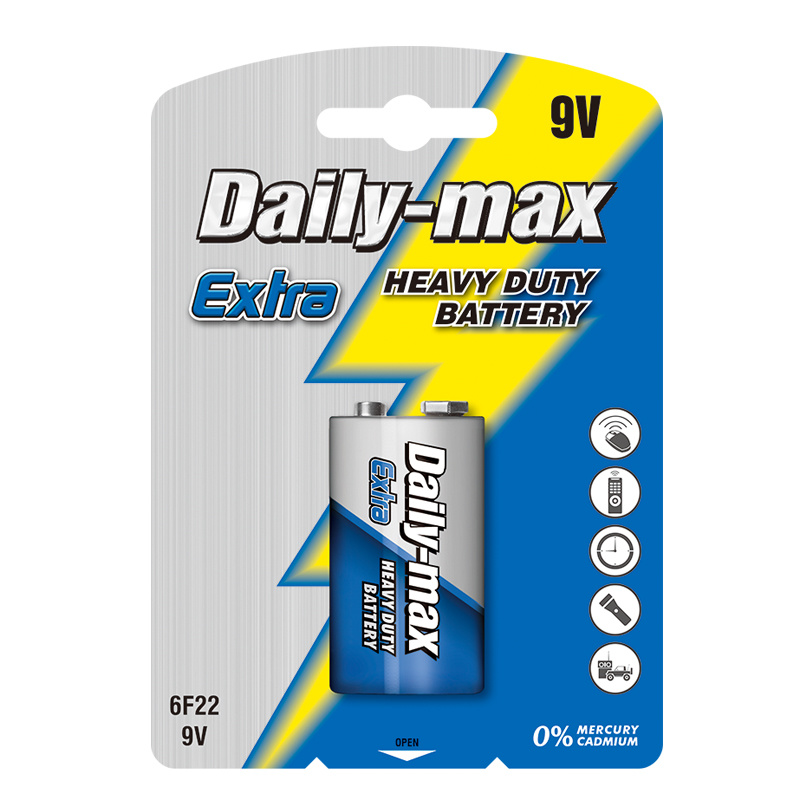
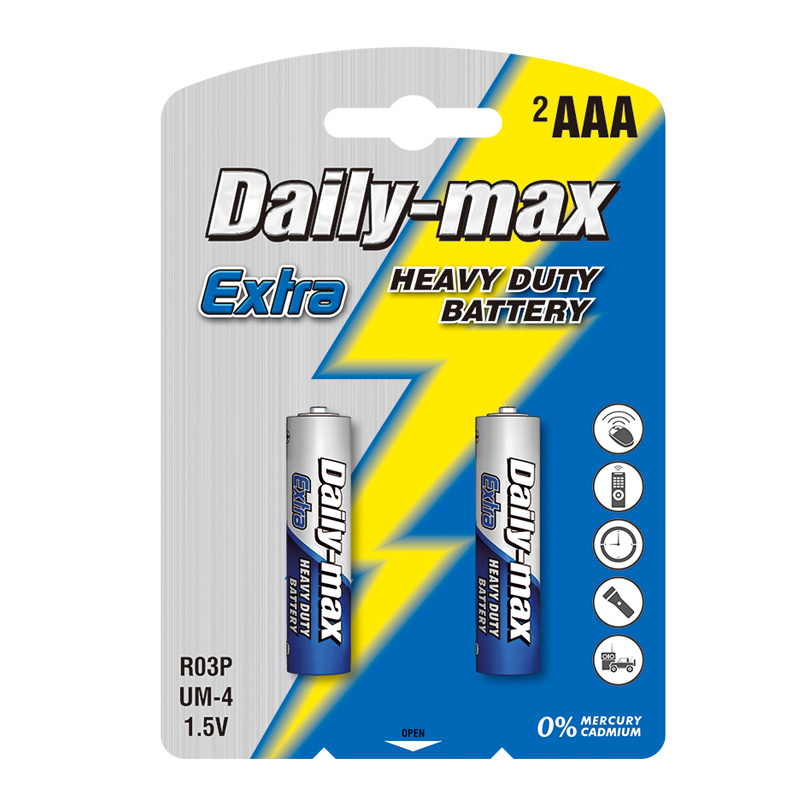
Typical alkaline batteries are commonly available in standardized sizes such as:
- AA batteries
- AAA batteries
- C batteries
- D batteries
- 9V batteries
These formats support a broad range of consumer and industrial applications.
Key Features of Alkaline Primary Batteries
The popularity of alkaline batteries stems from several technical and practical advantages.
| Feature | Benefit |
|---|---|
| Long Shelf Life | Maintains stored energy for extended periods |
| Stable Voltage Output | Ensures consistent device performance |
| High Energy Density | Delivers longer operating time |
| Leak Resistance | Improves device protection and reliability |
| Wide Compatibility | Suitable for numerous electronic devices |
| Maintenance-Free Operation | No charging or servicing required |
| Cost Efficiency | Economical for everyday use |
These characteristics contribute significantly to the continued dominance of alkaline battery technology in both household and professional environments.
Why Are Alkaline Batteries Ideal for Everyday Devices?
Reliable and Consistent Power Delivery
One of the most important requirements for daily-use electronics is stable power output. Devices such as remote controls, clocks, wireless mice, and calculators operate best when supplied with a consistent voltage.
An alkaline primary battery is designed to provide relatively stable discharge characteristics throughout much of its service life. This helps devices function properly without sudden performance drops.
For users, this means:
- More predictable operation
- Fewer interruptions
- Improved device reliability
- Better user experience
Long Operating Life
Consumers often choose alkaline batteries because they can power devices for extended periods before replacement becomes necessary.
The higher energy density of alkaline chemistry allows batteries to store more usable energy compared with some traditional battery technologies. This is particularly valuable for devices that operate continuously or are used regularly.
Common examples include:
- Wall clocks
- Smoke detectors
- Flashlights
- Toys
- Portable radios
Longer operating life reduces replacement frequency and improves overall convenience.
Excellent Shelf Life for Emergency Readiness
Many household batteries spend a significant portion of their life in storage before being used. Therefore, shelf life becomes a critical consideration.
Alkaline primary batteries are known for their low self-discharge rates, allowing them to retain stored energy for extended periods when properly stored.
This makes them particularly suitable for:
- Emergency kits
- Backup flashlights
- Medical equipment
- Disaster preparedness supplies
- Seasonal electronics
Users can store batteries with confidence, knowing they are likely to remain ready when needed.
Strong Performance Across Multiple Applications
Everyday devices have varying power demands. Some require continuous low-current output, while others need occasional bursts of energy.
Alkaline batteries offer the versatility necessary to support both types of loads effectively.
| Device Category | Typical Power Requirement | Suitability of Alkaline Batteries |
|---|---|---|
| Remote Controls | Low Drain | Excellent |
| Clocks | Continuous Low Drain | Excellent |
| Toys | Moderate Drain | Very Good |
| Flashlights | Moderate to High Drain | Very Good |
| Wireless Accessories | Moderate Drain | Very Good |
| Measuring Instruments | Stable Output Required | Excellent |
This flexibility contributes significantly to the widespread adoption of alkaline battery technology.
Safety and Reliability Advantages
Safety is a major factor in battery selection. Manufacturers and consumers alike prioritize power solutions that minimize operational risks.
Modern alkaline batteries incorporate advanced sealing technologies and improved manufacturing processes to enhance reliability.
Key advantages include:
- Reduced leakage risk
- Stable chemical composition
- Safe transportation and storage
- Reliable operation under normal conditions
- Consistent quality control
These features make alkaline batteries a trusted option for both residential and commercial applications.
Cost-Effectiveness for Daily Use
While advanced battery technologies continue to emerge, cost remains an important purchasing factor.
Alkaline primary batteries provide an effective balance between performance and affordability. For devices with moderate power requirements, they often deliver a practical solution without the higher initial costs associated with rechargeable systems.
Benefits include:
- Low purchase cost
- Broad market availability
- Minimal maintenance requirements
- Reduced infrastructure needs
For many everyday products, this combination offers excellent overall value.
Material Composition and Performance Characteristics
Understanding battery construction helps explain the performance advantages of alkaline technology.
| Component | Function |
|---|---|
| Zinc | Serves as the anode material |
| Manganese Dioxide | Functions as the cathode material |
| Alkaline Electrolyte | Facilitates ion transfer |
| Steel Can | Provides structural protection |
| Sealing Components | Help prevent leakage |
The interaction of these materials enables efficient energy conversion and contributes to the battery’s long service life and operational stability.
Growing Demand for High-Quality Primary Source Batteries
As smart homes, portable electronics, security devices, and wireless accessories become increasingly common, demand for dependable primary source batteries continues to grow.
Manufacturers are focusing on:
- Improved energy efficiency
- Enhanced leak resistance
- Longer storage capability
- Better environmental compliance
- Consistent production quality
These advancements help ensure that alkaline battery technology remains relevant in an evolving electronics market.
Why Choose DAILY-MAX?
The development and production of high-quality alkaline primary batteries require extensive technical expertise and rigorous quality management.
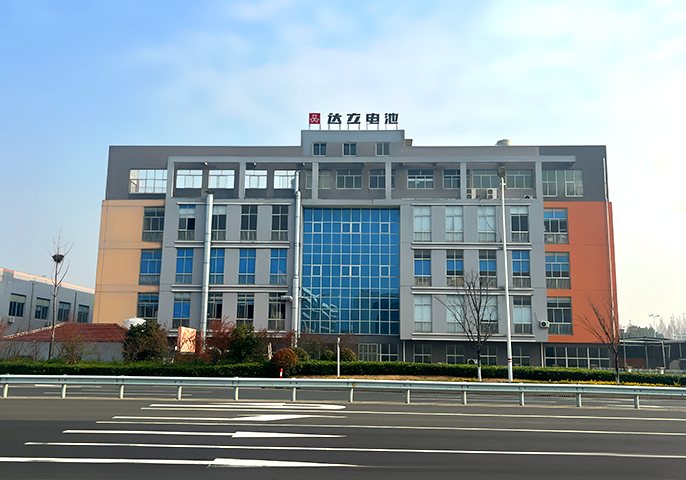
Changzhou Strengh (Anyida) Power Technology Co., Ltd. specializes in the research, development, production, and operation of primary batteries. With nearly seventy years of experience in battery manufacturing, the company has accumulated substantial technical knowledge and industry expertise.
Its advanced production equipment, sophisticated testing systems, and standardized management processes support continuous product quality improvement. The company has also invested heavily in technological innovation and product development while introducing skilled technical professionals to strengthen its research and manufacturing capabilities.
To ensure quality, safety, and environmental compliance, the company has obtained certifications and testing approvals including:
- ISO9001
- ISO14001
- UL
- CE
- ROHS
- SGS
- REACH
These certifications reflect a commitment to reliable battery manufacturing and international quality standards.
Conclusion
The enduring popularity of the alkaline primary battery is rooted in its practical advantages: reliable performance, long shelf life, stable voltage output, strong compatibility, safety, and cost-effectiveness. These characteristics make alkaline batteries an ideal power solution for countless everyday devices used in homes, offices, and industrial environments.
As technology continues to evolve, demand for dependable primary source batteries remains strong. Through ongoing innovation, quality control, and manufacturing expertise, alkaline battery technology continues to provide the dependable energy that modern life requires.
FAQ
1. What is an alkaline primary battery?
An alkaline primary battery is a non-rechargeable battery that uses alkaline chemistry to deliver reliable and long-lasting electrical power for a wide range of devices.
2. Why are alkaline batteries commonly used in household electronics?
They offer stable voltage output, long shelf life, good energy density, broad compatibility, and cost-effective performance for everyday applications.
3. Are alkaline primary batteries suitable for long-term storage?
Yes. Alkaline batteries typically have low self-discharge rates, making them ideal for emergency equipment, backup devices, and infrequently used electronics.
4. What types of devices work best with alkaline batteries?
Remote controls, clocks, flashlights, toys, wireless accessories, measuring instruments, and many other portable electronic devices perform well with alkaline batteries.
5. What is the difference between alkaline primary batteries and rechargeable batteries?
Alkaline primary batteries are designed for single-use operation and long storage life, while rechargeable batteries can be recharged and reused multiple times but generally require charging equipment and ongoing maintenance.


